How to Improve Circulation in Your Legs: A Doctor's Guide
Dr. David Taylor, MD explains how to improve circulation in your legs: how to tell arterial from venous problems, what actually works, and when elevation harms.
Updated
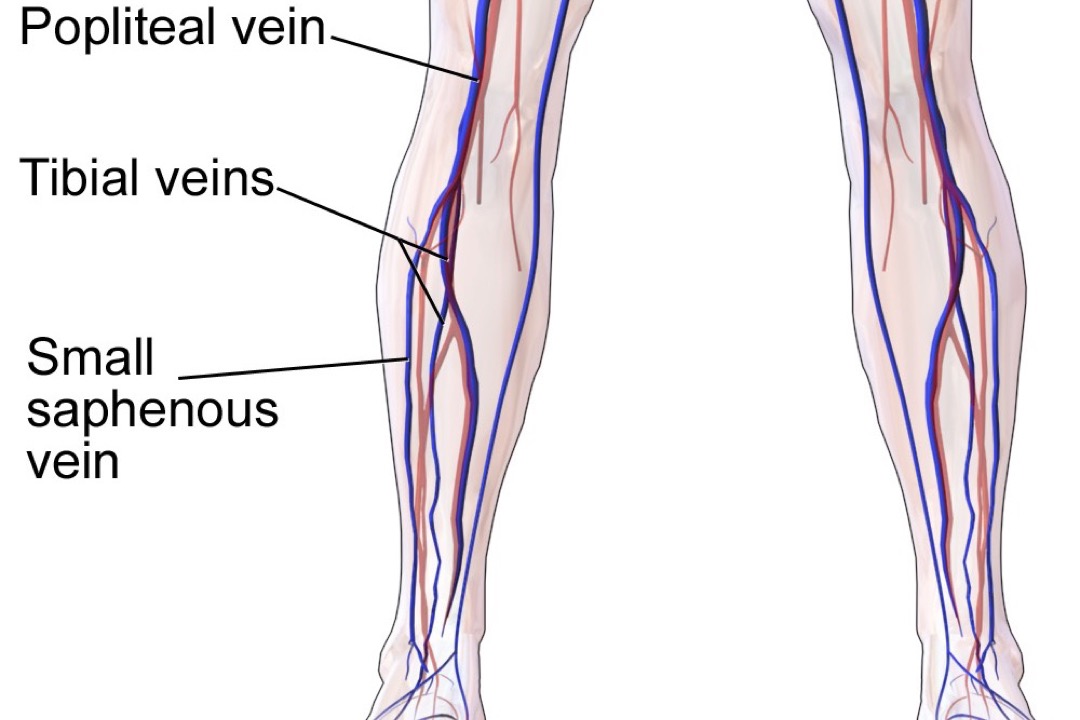
Patients tell me their circulation is bad. What they mean is that their legs ache, swell, cramp, or feel cold, and someone once told them it was a circulation problem. They are usually right that something vascular is going on, and usually wrong about which thing.
Two entirely different mechanical problems hide inside the phrase “poor circulation in the legs.” One is arterial: arteries carrying oxygenated blood down the leg are narrowed by plaque, so not enough reaches the muscle and skin. That is peripheral artery disease, affecting 8 to 12 million American adults. The other is venous: the veins carrying blood back up the leg against gravity have failed valves, so blood pools in the lower leg instead of returning to the heart. That is chronic venous insufficiency, present to some degree in roughly a quarter of adults.
Arterial disease is blood struggling to get down. Venous disease is blood struggling to get back up. Almost no consumer article acknowledges the consequence: several standard pieces of circulation advice help one condition and harm the other. Elevating the legs is the clearest case, excellent for venous congestion and wrong for advanced arterial disease, where raising the leg subtracts from a perfusion pressure already marginal. Massage is fine on a tired leg and dangerous on a leg with a fresh clot in it. Heat is soothing on normal skin and a burn risk on a neuropathic foot.
So the first job is working out which problem you have. This is the version of the conversation a 15-minute visit does not have room for.
Which Problem Do You Actually Have?
The pattern of your symptoms gets you most of the way there. Read both honestly, because the two coexist more often than people expect, especially in diabetes.
The venous pattern. Aching, heaviness, or a bursting feeling in the calves, mild in the morning and worst by evening. Worse with prolonged standing or sitting still, better with walking and with elevation. Swelling at the ankle that pits, meaning a fingertip pressed above the ankle bone leaves a dent that takes seconds to fill. Visible varicose or spider veins, often itchy. Night cramps. Over years, brown discoloration around the inner ankle from iron pigment left by leaked red cells, and eventually ulceration just above it.
The arterial pattern. Cramping or a tight, deep ache in the calf, thigh, or buttock that appears after a fairly consistent walking distance, forces a stop, and eases within two to five minutes of standing still. That reproducibility is the hallmark, and clinicians call it intermittent claudication. A foot cooler than the other. Hair loss over the shin and toes. Thickened, slow-growing toenails. Shiny, thin skin. Cuts that take weeks to heal. Weak or absent pulses at the top of the foot and behind the inner ankle bone. In advanced disease, forefoot pain at rest, especially at night.
The test that settles it is the ankle-brachial index, or ABI: systolic pressure at the ankle measured with a Doppler probe, divided by the pressure in the arm. Normal runs roughly 1.00 to 1.40, 0.90 or below indicates peripheral artery disease, below 0.40 severe disease. Ten minutes, no needles. If you take one piece of vocabulary from this article, make it that one, because you can ask for it by name. One caveat: in long-standing diabetes or kidney disease, calcified arteries can be incompressible and give a falsely high ABI, so a toe-brachial index is used instead.
The Calf Muscle Pump Is the Whole Mechanism
Blood in your leg veins has to travel about three feet upward against gravity to reach the heart, and the heart is not what moves it. Your calf does.
The deep veins of the lower leg run inside and between the soleus and gastrocnemius. Every time those muscles contract they squeeze the veins flat and eject blood upward, and one-way valves swing shut behind each ejection so the column cannot fall back down. That arrangement, the calf muscle pump, moves a large share of the blood returning from the lower body.
Two things break it. Failed valves let blood fall backward with each step, which is chronic venous insufficiency. And stillness switches the pump off entirely: the calf never contracts, venous pressure stays high, fluid is pushed out into the tissues, and the leg swells and aches. That mechanism sits behind every recommendation below, and it is why walking beats every product ever sold for this problem.
The protocol is worth doing precisely:
- Ankle pumps, 20 repetitions, once an hour whenever you are seated for long stretches. Point the toes down, then pull them up toward your shin as far as they go. Full range matters more than speed. Thirty seconds, and the calf veins empty.
- Heel raises, 2 sets of 15, daily. Hand on a chair back, rise onto the balls of your feet, hold a second, lower slowly. This builds the strength that sets the pump’s capacity.
- Stand and walk two to three minutes every 30 to 60 minutes of sitting. Frequency matters more than duration.
Daily Habits That Actually Move the Needle
Walking is the highest-yield intervention available, for both problems. Aim for 30 minutes on most days. For venous disease it drives the calf pump and lowers ambulatory venous pressure. For arterial disease it does something chronically undersold.
Supervised exercise therapy is first-line treatment for claudication, ahead of stenting for most patients. The protocol: walk until the leg pain reaches a moderate to near-maximal level, rest until it resolves, then walk again, for 30 to 45 minutes, three times a week, at least 12 weeks. Walking into the pain is the point, because the ischemic stimulus recruits collateral vessels and improves oxygen extraction in the muscle. Programs like this routinely double pain-free walking distance, and most people are never told about them.
Stopping smoking is the most important thing an arterial patient can do. Nicotine constricts vessels acutely, and tobacco smoke accelerates plaque formation and promotes clotting. Smokers develop peripheral artery disease earlier, progress faster, and have far higher rates of amputation and bypass graft failure. Nothing else on this page compensates for continuing to smoke.
Compression is the backbone of venous treatment. Graduated stockings are tightest at the ankle and loosen going up, supporting the calf pump rather than obstructing it. For aching and mild swelling, 15 to 20 mmHg is the usual starting point; 20 to 30 mmHg is used for established venous disease and varicose veins. I work through choosing that number in my compression levels guide, fitting and wearing schedule in my beginner’s guide to compression therapy, and which styles hold their gradient in my review of compression socks. Put them on before you get out of bed, while the leg is at its smallest. One hard rule: do not start compression on a leg with suspected arterial disease before an ABI, because compressing a leg with inadequate inflow can cause skin breakdown.
Two situations are worth naming. Travel combines immobility with dehydration, which is why it is a recognized clot risk factor and compression socks for travel are among the few evidence-supported travel health products. Pregnancy raises blood volume by around 45 percent while the uterus compresses the pelvic veins, so compression socks for pregnancy help, though any new one-sided swelling should be reported the same day.
The rest is unglamorous and it works. Stay hydrated. Lose excess weight, because abdominal weight raises pelvic vein pressure and obstructs venous return from both legs. Control blood pressure and blood sugar, tracking your pressure at home with a validated blood pressure monitor rather than on twice-yearly office readings. Build calf strength with heel raises and calf presses against resistance bands. And if pain or instability is what stops you finishing the 30 minutes, fix that first: a fitted walking cane that lets you complete the walk beats any circulation product sold.
Elevation Isn’t Right for Everyone
Elevating the legs above heart level for 15 to 20 minutes, two or three times a day, is one of the best things a person with venous insufficiency can do. Gravity drains the congested lower leg, tissue pressure falls, and the ache lifts. Raising the foot of the mattress at night stops the leg starting the next day already swollen.
For someone with significant arterial disease, the same maneuver is harmful. Perfusion of the foot there depends partly on the hydrostatic column of blood, and raising the leg subtracts that pressure from an already marginal supply. Ischemic rest pain gets worse.
That gives you the cleanest way to separate the two at home. In venous disease, elevation relieves and hanging the leg down worsens. In advanced arterial disease the pattern reverses completely: pain is worse lying flat at night and is relieved by hanging the leg over the side of the bed. Patients describe sleeping in a recliner because the bed became unbearable.
If that describes you, stop elevating and get evaluated promptly. Ischemic rest pain is not a positioning preference. It indicates critical limb ischemia, and it needs vascular assessment rather than home management.
Massage, Heat, and When Not To
Massage feels good on a tired, heavy leg, and for uncomplicated venous congestion or muscular fatigue it is reasonable. A foot massager after a long standing shift, or a massage gun on tight calves, does no harm in a normal leg.
The exception is absolute. Do not massage, foam-roll, stretch aggressively, or apply percussion to a leg with sudden one-sided swelling, warmth, redness, or new unexplained calf pain until a deep vein thrombosis has been ruled out. Manipulating a fresh clot risks dislodging it into the pulmonary circulation, and a pulmonary embolism can be fatal. If those signs appear, particularly after a long flight, surgery, immobility, pregnancy, or a new hormonal medication, the correct action is a same-day ultrasound.
Heat carries two cautions. On a foot with diabetic neuropathy or any impaired sensation, a heating pad can cause a serious burn before you feel anything uncomfortable, and I have seen full-thickness burns from pads left on overnight at a setting the patient could not perceive. Never sleep on one, never apply heat to a numb foot, keep fabric between pad and skin. The second caution is active venous inflammation and acute swelling, where heat dilates surface vessels and worsens congestion. Heat helps muscle spasm and stiff joints. It treats neither arterial nor venous disease.
If You Have Diabetes
Diabetes deserves its own section because it removes the warning system the rest of this article relies on.
Peripheral neuropathy blunts or eliminates protective sensation in the feet. Claudication can be silent, so someone with significant arterial disease may have no cramping to warn them and may present for the first time with a non-healing ulcer. A pebble in a shoe, a blister, a heating pad burn, or a small cut goes unnoticed until it is infected. Diabetes also drives arterial disease in the vessels below the knee and calcifies arteries in a way that gives a falsely reassuring ABI.
The rules are boring and they prevent amputations. Inspect your feet every day, including between the toes and the soles, using a mirror or a phone camera. Never walk barefoot. Run a hand inside your shoes before putting them on. Get any wound not clearly healing within a few days looked at.
Sock choice matters more here than people expect. Diabetic socks are built for a different goal from graduated compression: non-binding at the top, no seam over the toes, moisture-wicking, often padded, so they neither constrict a leg with borderline arterial flow nor raise a blister on a foot that cannot feel one. Graduated compression treats venous disease and should only be worn by someone with diabetes after arterial supply has been checked. The two look similar and do opposite jobs. Well-fitted footwear and, where indicated, orthotic insoles belong in the same category.
Do Supplements Help?
Mostly not, and I would rather say that plainly than sell you a list.
L-arginine and L-citrulline are nitric oxide precursors and the theory is sound. A randomized trial of long-term L-arginine in peripheral artery disease found walking distance improved slightly less on the supplement than on placebo.
Ginkgo biloba has been studied repeatedly for claudication. Pooled evidence shows a small increase in walking distance of doubtful clinical significance, and ginkgo has antiplatelet effects that matter if you already take aspirin or an anticoagulant.
Horse chestnut seed extract has the most credible evidence of the group, and only on the venous side. Trials show reductions in leg volume, pain, and itching over short periods, but they are mostly small and compression outperforms it. For someone who genuinely cannot tolerate stockings it is defensible to discuss with a physician.
Omega-3 fatty acids improve triglycerides and have a place in cardiovascular risk management, but have not been shown to improve claudication distance.
Coenzyme Q10 answers a different question. It has been studied for statin-associated muscle symptoms with mixed results, so if statin aches are why someone stopped a drug that genuinely helps their arteries, CoQ10 is worth raising with the prescriber. It is not a circulation treatment.
B12 matters only if you are deficient, which is common over 60, in long-term metformin users, on proton pump inhibitors, and in vegans. Deficiency produces numbness and burning in the feet that gets misread as poor circulation. Test the level before supplementing, and if it is low, B12 replacement can resolve symptoms nothing else would have touched.
For contrast: statins increase pain-free walking distance in peripheral artery disease across multiple studies while cutting heart attack and stroke risk. That is a larger effect than anything in the supplement aisle.
Medications and Procedures Your Doctor May Discuss
The point here is vocabulary. Knowing the names makes for a better appointment, and none of it is something to arrange yourself.
For peripheral artery disease, the standard package is a high-intensity statin regardless of your cholesterol number, antiplatelet therapy with aspirin or clopidogrel, blood pressure and glucose control, smoking cessation support, and supervised exercise therapy. Cilostazol is the one drug specifically approved to improve claudication distance, and it is contraindicated in heart failure. Revascularization, meaning angioplasty with or without a stent, or a bypass, is reserved for symptoms persisting despite exercise and medication, for critical limb ischemia, or for a non-healing ulcer.
For chronic venous insufficiency, graduated compression is first-line and stays the foundation even after a procedure. Duplex ultrasound maps which vein segments are refluxing. If a specific vein is the culprit and symptoms persist, endovenous ablation closes it with radiofrequency, laser, or a medical adhesive, and blood reroutes through healthy veins. Venous ulcers are managed with compression bandaging plus treatment of the underlying reflux.
When to See a Doctor, and When to Go Now
Go to an emergency department, or call emergency services, for any of these:
- A leg that becomes suddenly painful, pale, cold, and numb or weak. That is acute limb ischemia, described by the six Ps: pain, pallor, pulselessness, paresthesia, paralysis, and poikilothermia. Muscle and nerve begin dying within four to six hours. Do not elevate the leg while you wait.
- Sudden swelling of one leg with calf pain, warmth, or redness, especially after long travel, surgery, immobility, pregnancy, or a new hormonal medication. That is possible deep vein thrombosis and needs an ultrasound today, not next week.
- Any of the above with sudden shortness of breath, chest pain worse on breathing in, coughing blood, a racing heart, or fainting. That is a possible pulmonary embolism.
Make an appointment within days for:
- Foot or toe pain at rest, particularly pain that wakes you at night and eases when you hang the leg down.
- Any sore or wound on the foot or ankle unhealed at two weeks, and sooner if you have diabetes.
- Cramping in the calf, thigh, or buttock that reliably appears at the same walking distance and resolves with rest.
- A cool, pale, or dusky foot, hair loss on the shin, or a pulse you cannot feel at the top of your foot.
- Skin around the ankle turning brown, thickening, or weeping.
The message I would leave you with is the one I opened with. “Poor circulation” is not a diagnosis, and treating it as one is how people end up elevating a leg that needed the opposite, or massaging a leg that needed an ultrasound. Get an ABI, find out which direction the blood is struggling to move, then act. Legs heavy for years often feel different within six to eight weeks of consistent walking. This is general information rather than personal medical advice, and your own physician is the right person to apply it to your situation.
Frequently Asked Questions
What are the first signs of poor circulation in the legs?
Can you reverse poor circulation in your legs?
What is the best vitamin for blood circulation in the legs?
What improves leg circulation immediately?
When is poor leg circulation a medical emergency?
Related Articles
A Beginner's Guide to Compression Therapy: What It Is, How It Works, and How to Start Safely
orthopedic-supports
Understanding Compression Levels: 15-20 vs 20-30 mmHg (Physician Guide)
orthopedic-supports
Compression Socks vs Sleeves: When to Choose Each (Physician Guide)
orthopedic-supports
How to Get Rid of a Cold Sore Fast: A Doctor's Guide
health-guide
How to Get Rid of Dry Eyes: A Doctor's Guide
health-guide
About the Reviewer

Dr. David Taylor, MD, PhD
Drexel University College of Medicine (MD), Indiana University School of Medicine (PhD)
Dr. David Taylor is a licensed physician and medical researcher who founded BestRatedDocs in 2016. With an MD from Drexel University and a PhD from Indiana University School of Medicine, he combines clinical expertise with a passion for health technology to provide evidence-based product recommendations. Dr. Taylor specializes in health informatics and regularly evaluates medical devices, diagnostic equipment, and therapeutic products to help healthcare professionals and patients make informed decisions.