8 Best Compression Socks of 2026
Dr. David Taylor reviews the best compression socks on Amazon — compared by compression level, material, and use case for nurses, swelling, wide calves, circulation, neuropathy, and DVT prevention.
Updated
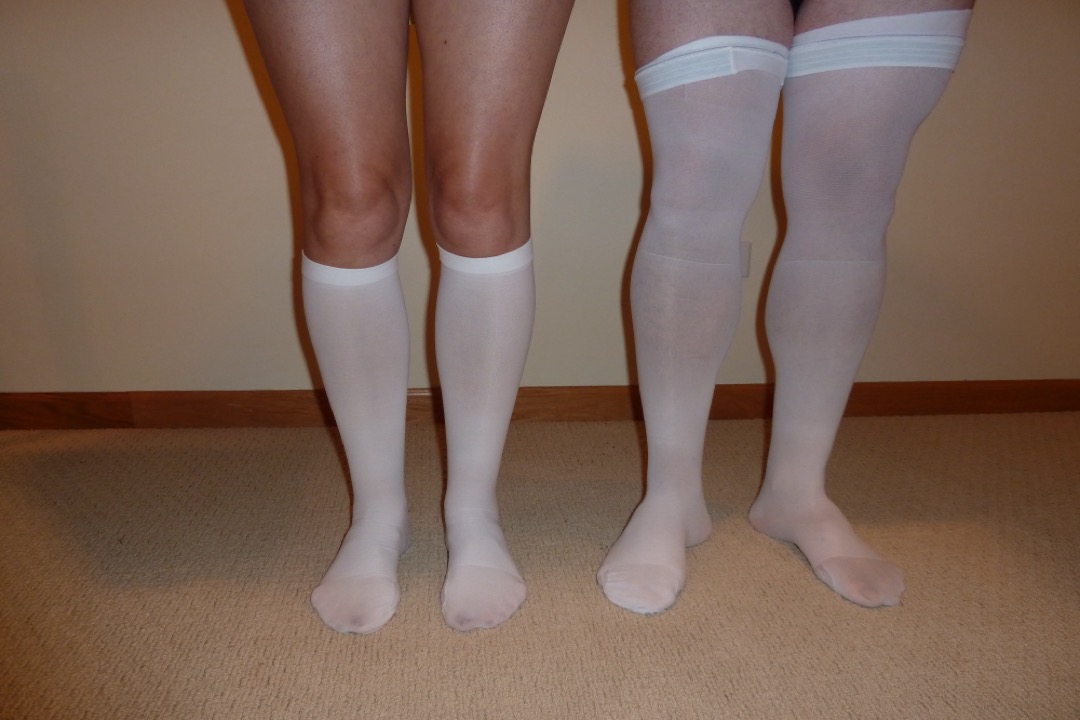
Deep vein thrombosis affects approximately 900,000 Americans each year according to the CDC, making it one of the most preventable yet frequently underestimated cardiovascular conditions in ambulatory medicine. Compression stockings are a cornerstone of DVT prevention, venous insufficiency treatment, and post-surgical recovery — yet most consumers purchase them without understanding the clinical differences between a therapeutic product and a basic athletic sock marketed with compression terminology. The distinction matters: a properly graduated 20-30 mmHg sock actively enhances venous return through the calf muscle pump mechanism; a loosely constructed “compression” sock provides little more than warmth.
At BestRatedDocs.com, we approach compression socks the same way Dr. David Taylor approaches any durable medical equipment category — starting from the physiology and working outward to the products. In 2026, we reviewed the top-selling compression socks across Amazon’s entire category, analyzing the clinical credentials of each product alongside the real-world performance data embedded in more than a hundred thousand verified user reviews. The result is this guide: eight products that genuinely earn the compression label, spanning every budget and clinical application from everyday travel fatigue to post-surgical recovery, wide-calf fit, and sensitive diabetic feet. If you are shopping specifically for flights, road trips, and long journeys, we have a dedicated guide to the best compression socks for travel, which covers compression level by flight risk, packable multipacks, and maternity travel fits. For related lower-extremity support, see our guides to the best ankle braces and best knee braces.
Find the Best Compression Sock for Your Need
Jump straight to the pick that matches your situation:
- Overall best compression socks — our top picks reviewed
- Best compression socks for women
- Best compression socks for men
- Best compression socks for nurses and long shifts
- Best compression socks for swelling and poor circulation
- Best compression socks for wide calves and plus size
- Best compression socks for sensitive feet, neuropathy and diabetes
- More use cases: POTS, restless legs, seniors, foot pain
The Physiology That Makes Compression Socks Work
Before comparing products, it is worth understanding why graduated compression is clinically effective for venous conditions. The venous system in the leg must return blood against gravity — a task accomplished primarily by the calf muscle pump, which squeezes the deep veins of the calf with each step. In prolonged standing, sitting, or airline travel, the pump is either inactive or under-loaded, and blood pools in the superficial and deep veins of the lower leg. This pooling is the mechanism behind varicose veins, chronic edema, the discomfort of long-haul flights, and the elevated DVT risk that makes compression stockings standard protocol for many surgical patients.
Graduated compression — firmest at the ankle (typically 100% of the stated mmHg) and decreasing toward the knee (approximately 70% at mid-calf) — provides an external pressure gradient that mechanically assists venous return without requiring the calf pump to do all the work. Studies in the vascular surgery literature consistently show that properly fitted 20-30 mmHg graduated compression stockings reduce the incidence of DVT in high-risk surgical patients by 50% or more. The compression class system (Class 1: 15-20 mmHg, Class 2: 20-30 mmHg, Class 3: 30-40 mmHg) maps directly to clinical indication severity, with higher classes requiring medical supervision.
How We Selected These Compression Socks
Our selection process prioritized products with substantial verified Amazon review pools — most of the lineup carries thousands of ratings, and the two exceptions earn their place on a specific construction advantage rather than volume — alongside documented use of true graduated compression engineering, and meaningful differentiation across the category in terms of compression level, material construction, price tier, and intended use case. We excluded products whose listings used vague compression claims without specifying mmHg ranges, as well as socks marketed as “compression” that do not specify a graduated pressure gradient. For the clinical-grade entry, we specifically sought FSA-eligible products manufactured to the compression standards used in physician-prescribed protocols, and for wide-calf buyers we required a genuine extra-wide construction rather than a standard sock sized up.
Before ordering, run your shoe size and calf measurement through our free compression sock size chart — it cross-references eight major brands (VIM & VIGR, Sigvaris, Sockwell, FIGS, Doc Miller, Jobst, Mediven, OS1st) so you can see your size across the products below at a glance, and pairs your use case with the right mmHg level.
Best Compression Socks Overall
These are the eight socks that earned a place in this guide, each reviewed in full below. The Physix Gear is our best overall pick for the widest range of buyers; the sections after the reviews then match specific situations — nurses, swelling, wide calves, sensitive feet, and more — to the right pick from this same lineup.
1. Physix Gear Sport Compression Socks 20-30 mmHg — Best Overall
The Physix Gear compression sock has accumulated more than 95,000 verified Amazon ratings at 4.5 stars — the strongest rating of any large review pool in this guide — and the consistency of that feedback over time is the clearest signal of product quality available. Compression socks that fail at their primary function generate predictable complaints: slipping down the calf within hours, losing pressure after a few washes, or causing blistering at the seams. The Physix Gear sock receives these complaints at a rate well below category average, which is the result of deliberate engineering choices rather than marketing.
The graduated compression design is genuine rather than nominal. The sock is tighter at the arch and ankle, progressively less so up the calf, with the transition engineered to maintain the pressure differential even after repeated laundering. The double-stitched seam construction at critical stress points — the heel, the toe box, and the upper cuff — addresses the most common failure mode in compression hosiery, where seam separation begins within weeks in lower-quality alternatives. For nurses, physicians, and anyone spending 10 to 14 hours per day on their feet, the reinforced toe and heel represent a genuine difference in how long the sock remains therapeutically effective.

Physix Gear Sport Compression Socks 20-30 mmHg for Men & Women
by Physix Gear Sport
The most-reviewed 20-30 mmHg sock in this lineup, delivering true graduated compression with documented long-term durability.
Pros
- True graduated compression from arch to calf — scientifically engineered to prevent slippage and maintain pressure gradient
- 95,000+ verified ratings at 4.5 stars — the largest review pool among the 20-30 mmHg socks reviewed here
- Double-stitched seams prevent chafing during 12-hour nursing shifts and all-day standing work
- Reinforced heel and toe extend sock lifespan significantly beyond thin single-layer alternatives
Cons
- Sold as a single pair — buyers needing multiple pairs for weekly rotation will need to purchase several units
- Some narrow-calf users find the S/M size slightly loose in the leg before the compression fully engages
2. CHARMKING Compression Socks 3 Pairs 15-20 mmHg — Budget Pick
CHARMKING’s 3-pair 15-20 mmHg sock holds the #1 Best Seller rank in Amazon’s compression stocking category for a reason that is easy to state quantitatively: more than 91,000 reviews at 4.4 stars is not achievable through marketing spend alone. A product that consistently fails its users does not maintain that rating at that volume. For the 15-20 mmHg compression range — appropriate for everyday leg fatigue, long-haul air travel, all-day standing work, and preventive use in healthy adults — the CHARMKING 3-pack sets a value benchmark that the rest of the category cannot approach on a per-pair basis.
The 85% nylon, 15% spandex construction is the industry standard for thin, high-compliance compression hosiery. The sock profile is slim enough to disappear under most footwear, and the construction holds the compression gradient through washing cycles that typically degrade budget compression products within a month. The critical caveat is compression level: 15-20 mmHg is not sufficient for users who have been prescribed compression socks by a physician for a clinical indication. DVT prevention protocols, post-surgical compression regimens, and venous insufficiency treatment all require a minimum of 20-30 mmHg. For those users, the CHARMKING is not an appropriate substitution regardless of price.

CHARMKING Compression Socks for Women & Men (3 Pairs) 15-20 mmHg
by CHARMKING
CHARMKING's 3-pack holds #1 Best Seller with more than 91,000 reviews, delivering 15-20 mmHg support at the lowest per-pair cost on Amazon.
Pros
- 3 pairs for under $12 — the lowest per-pair cost of any highly rated compression sock on Amazon
- 91,000+ reviews at 4.4 stars, the second-largest review pool in this guide
- Thin nylon-spandex profile slips under scrubs and dress trousers without visible bulk or bunching
- 15-20 mmHg is the ideal entry-level compression for travel, everyday leg fatigue, and light edema prevention
Cons
- 15-20 mmHg is insufficient for post-surgical recovery, clinical edema management, or physician-prescribed DVT prevention protocols
- Patterned colorways occasionally differ from listing photos — verify your preferred pattern before ordering
3. Sockwell Elevation Graduated Compression Sock 20-30 mmHg — Upgrade Pick
Sockwell occupies a category of its own in compression hosiery: a premium US manufacturer using natural fiber blends — specifically merino wool and bamboo rayon — to deliver the therapeutic compression of synthetic socks with material properties that nylon-spandex simply cannot replicate. The 31% merino wool content provides temperature buffering that keeps legs comfortable in both cold and warm environments; the 31% bamboo rayon adds moisture transport and natural antimicrobial properties that prevent the odor accumulation common in synthetic compression hosiery worn for extended periods.
For users who wear compression socks daily for clinical reasons — chronic venous insufficiency, lymphedema maintenance, post-thrombotic syndrome — the Sockwell Elevation addresses the most common compliance barrier: discomfort and odor from prolonged synthetic hosiery use. The Made-in-USA construction means consistent quality control and traceable fiber sourcing. The trade-off is donning difficulty: merino-blend socks at 20-30 mmHg require more effort to pull on than thin synthetics, and users with reduced grip strength or significant edema may find the process challenging. A donning aid or rubber-grip gloves are useful accessories for daily Sockwell users. For users who also experience lower back discomfort from extended standing, our guide to the best back braces covers lumbar supports that pair well with compression socks for healthcare worker daily kits.

Sockwell Elevation Firm Graduated Compression Sock 20-30 mmHg
by Sockwell
Sockwell's Elevation earns its premium through merino-bamboo construction, USA manufacturing, and 20-30 mmHg compression that outlasts synthetics.
Pros
- Merino wool and bamboo rayon blend regulates temperature year-round — warm in winter, moisture-wicking in summer
- Natural bamboo fibers resist odor accumulation during consecutive all-day wear without washing
- Made in USA from American merino wool — traceable sourcing and domestic manufacturing quality standards
- 20-30 mmHg compression maintains its strength and gradient through years of machine washing, unlike synthetics that lose elasticity
Cons
- More difficult to don than thin synthetic options — particularly challenging for users with arthritis or limited hand strength
- Some users find the compression feels slightly less firm than prescription-grade hosiery at the same mmHg rating
4. Wellow Compression Socks 18-25 mmHg Bamboo Viscose — Runner-Up
Wellow has identified the single most common complaint about therapeutic compression socks — “they feel like a medical device” — and engineered a product specifically designed to eliminate that barrier to compliance. The 63% bamboo viscose construction produces a fabric that is categorically softer than nylon-spandex alternatives. The sensation is closer to a premium cotton dress sock than to a compression garment, which matters enormously for users who have been prescribed compression socks and consistently avoid wearing them because of discomfort.
The 18-25 mmHg range is the key clinical nuance. It is below the standard 20-30 mmHg therapeutic range used in most formal protocols, but above the 15-20 mmHg level that many users find inadequate for symptomatic venous conditions. For patients whose primary barrier to compression therapy has been intolerance of the tightness sensation, Wellow provides a clinically meaningful middle ground. The seamless toe construction is particularly valuable for users with peripheral neuropathy or diabetic foot complications, where even minor seam pressure can contribute to skin breakdown. Users who need the full 20-30 mmHg gradient for a physician-prescribed indication should not substitute Wellow without consulting their prescribing provider.
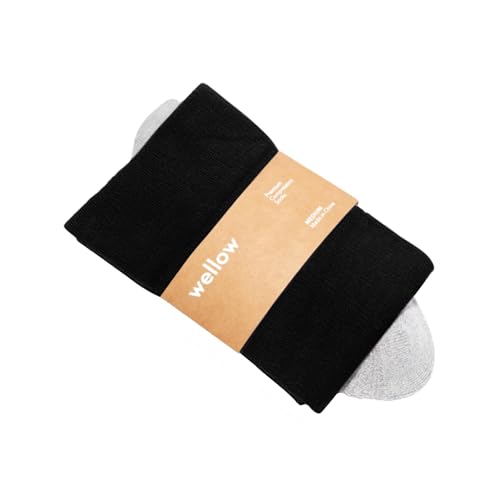
Wellow Compression Socks 18-25 mmHg Bamboo Viscose Knee High
by Wellow
Wellow's bamboo sock is the most comfortable option in the category, offering gentle 18-25 mmHg compression that makes daily wear genuinely enjoyable.
Pros
- 63% bamboo viscose construction is the softest compression sock material available — eliminates the tight clinical feel of traditional hosiery
- Easier to pull on than true 20-30 mmHg socks, making daily donning practical for older adults and people with limited dexterity
- Seamless toe prevents pressure points and blistering for users with peripheral neuropathy or diabetic foot sensitivity
- Anti-odor bamboo fabric maintains freshness through 12-hour clinical shifts without requiring mid-day sock changes
Cons
- Runs long — users shorter than 5'5" may find excess fabric bunching at the ankle; sizing down is recommended
- 18-25 mmHg may fall short of compression minimums required by specific medical protocols or clinical prescriptions
5. Truform 20-30 mmHg Compression Stockings
Truform is the oldest and most clinically established brand in this review, and its compression stockings are the product most likely to be recommended by a vascular surgeon or wound care nurse as an appropriate over-the-counter alternative to prescription DME hosiery. The microfiber nylon medical knit construction meets the compression standards used in clinical evaluation studies; the stockings are not simply branded at 20-30 mmHg but are manufactured to actually deliver that pressure profile at the ankle throughout the product’s lifespan.
The FSA/HSA eligibility of Truform products is an important practical consideration that most buyers do not factor into their cost comparison. For users with documented venous conditions, the out-of-pocket cost of Truform stockings can be partially or fully offset by pre-tax healthcare account funds, making the effective cost competitive with budget options that do not qualify. The primary limitation is donning effort: medical-grade 20-30 mmHg stockings require substantially more force to put on than consumer-grade alternatives, and elderly users or anyone with limited hand strength should plan on using a donning aid. Pairing compression socks with other daily health monitoring tools is common practice for patients managing vascular conditions — see our guide to the best pulse oximeters for home oxygen saturation monitoring.

Truform 20-30 mmHg Compression Stockings, Knee High, Closed Toe
by Truform
Truform is the clinical benchmark — physician-prescribed, FSA-eligible, and trusted for post-surgical recovery at a fraction of medical supply store prices.
Pros
- Physician-prescribed elastic compression meeting clinical-grade standards for post-surgical and DVT prevention use
- FSA/HSA eligible — out-of-pocket cost can be offset using pre-tax healthcare account funds
- Opaque medical-grade appearance is appropriate for professional settings where fashion-focused socks would be inappropriate
- Ranked in the top tier of Medical Compression Stockings on Amazon — proven track record in clinical consumer purchasing
Cons
- Harder to don than consumer-grade socks — a donning aid (stocking butler) is strongly recommended, especially for elderly users
- Less comfortable for casual everyday wear than modern bamboo or cushioned sole alternatives
6. SB SOX Compression Socks 20-30 mmHg
SB SOX identified an unmet need in the compression sock market: more than 55,000 reviewers at 4.4 stars have validated the insight. Standard compression socks apply therapeutic pressure to the vascular system but provide no cushioning for the plantar surface — the bottom of the foot — where nurses, retail workers, and food service employees experience significant contact pressure from standing on hard concrete and tile floors for 10 to 14 hours. The SB SOX cushioned sole addresses this separately from the compression mechanism, combining therapeutic graduated compression from ankle to calf with underfoot padding that meaningfully reduces standing fatigue independent of the compression benefit.
The no-dig cuff design solves the second most common complaint in the compression stocking category: the upper band cutting into the calf during prolonged seated work. Standard compression cuffs are engineered primarily for standing use and can create painful constriction when the leg is flexed and the calf muscle shortens at a desk or in a vehicle. The SB SOX cuff uses a softer, wider band construction that maintains enough grip to prevent the sock from sliding down while eliminating the pressure band that makes standard compression socks uncomfortable for seated users. For anyone who alternates between standing and sitting throughout a long shift, this dual-use engineering is worth the trade-off against buying a multi-pack at a lower per-pair cost.

SB SOX Compression Socks 20-30 mmHg for Men & Women
by SB SOX
SB SOX solves two problems at once — firm 20-30 mmHg compression plus a cushioned sole designed specifically for long standing shifts.
Pros
- Cushioned sole adds meaningful underfoot padding for nurses, retail workers, and others standing on hard floors for extended shifts
- No-dig cuff prevents the upper-calf band from cutting into the leg during seated or driving positions
- 55,000+ verified reviews at 4.4 stars confirm consistent quality across multiple production batches and sizing runs
- Moisture-wicking nylon-spandex construction keeps feet dry through full-day shifts
Cons
- Single pair at the price of multi-pack alternatives — volume buyers should compare cost-per-pair against multi-unit options
- Cushioned sole adds bulk that can feel snug inside narrow-profile shoes or athletic footwear
7. IMAGERIO 6 Pairs Compression Socks 20-30 mmHg
IMAGERIO addresses the most practical barrier to consistent compression therapy among healthcare workers and all-day standers: cost per pair. Clinically effective compression demands a clean pair every shift, and buying single-pair 20-30 mmHg socks one at a time becomes expensive quickly. The IMAGERIO six-pack delivers genuine graduated 20-30 mmHg compression across an entire week’s rotation at the lowest per-pair cost of any therapeutic-grade option in this review — which, for nurses, warehouse workers, and travelers who need socks daily, is the difference between wearing compression consistently and rationing a single pair until it loses its gradient.
The construction earns its place beyond price. The copper-infused 85% nylon, 15% spandex fabric wicks moisture and resists odor through a 12-hour shift, and the 360-degree stretch makes these notably easier to don than stiffer medical-knit stockings — a real advantage for users with limited hand strength who still want a six-pair supply. Two honest caveats: the compression reads slightly milder than a true 20-30 mmHg to some wearers, so users with a physician-prescribed therapeutic indication should treat IMAGERIO as a daily-wear rotation rather than a clinical substitute for a verified medical-grade stocking; and the socks run small, so anyone with wide calves or large feet should size up. For buyers who need a full week of dependable, easy-on compression at the best value in the category, IMAGERIO is the most economical way to stay compliant.

IMAGERIO 6 Pairs Compression Socks 20-30 mmHg Knee High
by IMAGERIO
Six graduated 20-30 mmHg knee-high pairs at the best per-pair value — copper-infused and built for all-day wear.
Pros
- 6 pairs at one low price — the best per-pair value in the 20-30 mmHg category
- Copper-infused moisture-wicking fabric cuts odor during long shifts
- 360-degree stretch is easy to pull on and holds position all day
- Durable through repeated machine washing without losing shape or compression
Cons
- Compression feels milder than a true 20-30 mmHg to some wearers
- Runs small — size up for wide calves or large feet
8. Doctor’s Select Copper Plus Size Wide Calf 20-30 mmHg
The single hardest fit problem in compression hosiery is the wide calf, and it is the one most standard socks fail outright: a calf above roughly 18 inches forces a regular 20-30 mmHg sock to either roll down, cut a deep band below the knee, or over-compress to the point of discomfort. Doctor’s Select built this plus-size line specifically for that buyer, with an extra-wide construction that fits calf circumferences up to a 6XL range while still delivering a true graduated 20-30 mmHg gradient — and the 3,500-plus reviews at 4.5 stars are dominated by exactly the feedback you want to see: legs that stay supported all day without the sock sliding down or leaving deep marks.
What makes this more than a sized-up novelty is the no-dig top band, which wide-calf and lymphedema reviewers repeatedly single out as the feature that finally let them wear compression comfortably through a full day. The copper-infused 90% nylon construction adds odor control for long shifts, and the two-pair pack keeps the per-pair cost low. The honest caveats: the socks run slightly long and large, so measuring your calf against the size chart matters more here than with a standard sock, and the synthetic copper-nylon runs warmer than a natural-fiber blend in hot weather. For plus-size and wide-calf buyers who have given up on compression socks staying up, this is the one in this guide built for you.

Doctor's Select Copper Plus Size Compression Socks Wide Calf 20-30 mmHg (2 Pairs)
by Doctor's Select
The wide-calf and plus-size standout — true 20-30 mmHg graduated compression in an extra-wide fit to 6XL that stays up where standard socks roll down.
Pros
- Extra-wide calf fit accommodates plus-size legs up to 6XL — stays up without rolling or cutting in where standard compression socks fail
- True 20-30 mmHg graduated compression for swelling, edema, and varicose veins, validated across 3,500+ verified reviews at 4.5 stars
- No-dig top band that wide-calf reviewers specifically single out for not leaving deep marks below the knee
- Amazon's Choice in Medical Compression Socks; copper-infused nylon helps control odor through long days
Cons
- Runs slightly long and large per several reviews — measure your calf and check the size chart before ordering
- Synthetic copper-nylon runs warmer and wicks less than natural-fiber blends in hot weather
Best Compression Socks for Women
Most clinically reviewed compression socks are unisex, but a few of our picks are designed or sized with women in mind — whether that is a women’s-specific cut, a softer all-day material, or styling that works under both scrubs and everyday clothes. For women managing leg fatigue, mild swelling, or simply long days on their feet, the two below cover the premium and budget ends. If you are pregnant, the sizing and compression level change enough to warrant their own guide — see our best compression socks for pregnancy roundup instead.
| Product | Price | Buy |
|---|---|---|
| Sockwell Elevation Firm Graduated Compression Sock 20-30 mmHgBest for women overall Odor-resistant merino-bamboo knit offered in both women's and men's cuts — true 20-30 mmHg with all-day comfort | $32.95 | View on Amazon |
| CHARMKING Compression Socks for Women & Men (3 Pairs) 15-20 mmHgBest value for women #1 best-selling 3-pack at 15-20 mmHg for travel and everyday wear | $9.99 | View on Amazon |
Best Compression Socks for Men
Men typically need the same graduated compression in a larger sizing run, with enough room in the calf and foot for bigger frames. Both picks below run to L/XL and beyond and deliver firm 20-30 mmHg support — one as a proven everyday workhorse, the other built for men who are on their feet all day.
| Product | Price | Buy |
|---|---|---|
| Physix Gear Sport Compression Socks 20-30 mmHg for Men & WomenBest for men overall Most-proven 20-30 mmHg with sizing up to L/XL for larger calves | $19.20 | View on Amazon |
| SB SOX Compression Socks 20-30 mmHg for Men & WomenBest for men on their feet Cushioned sole and no-dig cuff for long shifts and bigger feet | $18.95 | View on Amazon |
Best Compression Socks for Nurses and Long Shifts
Nurses, physicians, and anyone working a 10-to-14-hour shift on hard hospital floors have two needs a standard compression sock ignores: underfoot cushioning for the standing fatigue that compression alone does not address, and enough clean pairs to wear a fresh sock every shift. The two picks below solve those problems directly while still delivering true 20-30 mmHg graduated compression.
| Product | Price | Buy |
|---|---|---|
| SB SOX Compression Socks 20-30 mmHg for Men & WomenBest for long shifts Cushioned sole + no-dig cuff built for 12-hour shifts on hard floors | $18.95 | View on Amazon |
| IMAGERIO 6 Pairs Compression Socks 20-30 mmHg Knee HighBest value for daily rotation Six 20-30 mmHg pairs — a clean pair every shift at the lowest cost | $14.99 | View on Amazon |
Best Compression Socks for Swelling and Poor Circulation
Leg and ankle swelling (edema), chronic venous insufficiency, and the poor circulation behind varicose veins and DVT risk all call for the same thing: genuine 20-30 mmHg graduated compression that is firmest at the ankle and proven to hold its gradient. This is therapeutic territory — if a physician has prescribed compression for a venous condition, 15-20 mmHg fashion socks are not a substitute.
| Product | Price | Buy |
|---|---|---|
| Truform 20-30 mmHg Compression Stockings, Knee High, Closed ToeBest for medical swelling Medical-grade, FSA/HSA-eligible 20-30 mmHg for edema and post-surgery | $25.00 | View on Amazon |
| Physix Gear Sport Compression Socks 20-30 mmHg for Men & WomenBest proven everyday option 94k-review 20-30 mmHg workhorse for general circulation support | $19.20 | View on Amazon |
Best Compression Socks for Wide Calves and Plus Size
A calf above roughly 18 inches is where most compression socks fail — they roll down, cut in, or over-compress. The fix is a genuine extra-wide construction, not a standard sock sized up. The Doctor’s Select plus-size line is purpose-built for this; the IMAGERIO six-pack is the budget option for moderately wide calves who want a week’s supply.
| Product | Price | Buy |
|---|---|---|
| Doctor's Select Copper Plus Size Compression Socks Wide Calf 20-30 mmHg (2 Pairs)Best for wide calves Extra-wide fit to 6XL with a no-dig band that stays up on large calves | $19.95 | View on Amazon |
| IMAGERIO 6 Pairs Compression Socks 20-30 mmHg Knee HighBest value for wide calves Roomy XL-XXL sizing at the best per-pair price; size up for wide calves | $14.99 | View on Amazon |
Best Compression Socks for Sensitive Feet, Neuropathy and Diabetes
Peripheral neuropathy and diabetic foot sensitivity change the priorities entirely: a seam over the toes or a harsh synthetic weave can create the very pressure points and skin breakdown you are trying to avoid. Here the right sock is the softest, most seamless construction that still delivers meaningful graduated compression — comfort and skin safety outrank maximum mmHg. Anyone with diabetes and vascular complications should clear compression above 15 mmHg with their physician first.
| Product | Price | Buy |
|---|---|---|
| Wellow Compression Socks 18-25 mmHg Bamboo Viscose Knee HighBest for sensitive feet Seamless toe + bamboo softness eliminate the pressure points that matter most | $31.99 | View on Amazon |
| Sockwell Elevation Firm Graduated Compression Sock 20-30 mmHgBest for all-day diabetic wear Merino-bamboo regulates temperature and resists odor for daily wear | $32.95 | View on Amazon |
Best Compression Socks by Use Case
Beyond the major needs above, a few more situations come up often. Here is the quick-decision pick for each — every one drawn from the eight socks reviewed above, with a live Amazon link so you can check the current price:
| Product | Price | Buy |
|---|---|---|
| Physix Gear Sport Compression Socks 20-30 mmHg for Men & WomenBest for POTS Firm, proven 20-30 mmHg to limit blood pooling on standing | $19.20 | View on Amazon |
| CHARMKING Compression Socks for Women & Men (3 Pairs) 15-20 mmHgBest for restless legs (RLS) Gentle 15-20 mmHg at the lowest per-pair cost for nightly relief | $9.99 | View on Amazon |
| Wellow Compression Socks 18-25 mmHg Bamboo Viscose Knee HighBest for seniors Softest, most flexible weave here — easiest to pull on with limited hand strength | $31.99 | View on Amazon |
| SB SOX Compression Socks 20-30 mmHg for Men & WomenBest for foot pain Cushioned sole adds underfoot padding that plain compression socks lack | $18.95 | View on Amazon |
How to Choose the Best Compression Socks
The six factors below expand on the core decision criteria, but one additional framework is worth addressing before consulting them: the distinction between preventive use and therapeutic use. Preventive compression — used by healthy individuals to reduce leg fatigue during travel, standing work, or athletic recovery — is well served by 15-20 mmHg options and does not require medical consultation. Therapeutic compression — used to manage a diagnosed venous condition, prevent recurrent DVT, control chronic edema, or support post-surgical recovery — requires physician guidance on the appropriate compression class, the correct fit, and the appropriate wearing schedule. This guide covers both populations, but the products appropriate for each are not interchangeable.
A second consideration that the compression sock market largely ignores is replacement timing. Compression socks lose their elastic gradient over time — typically within three to six months of daily wear. A sock that no longer feels tight when pulled up the calf is no longer delivering its stated compression and should be replaced. Buyers who use compression socks therapeutically should build replacement into their annual healthcare purchasing plan and not rely on a single pair indefinitely.
Buyer's Guide
Choosing the right compression sock requires matching the compression level, material, and design to your specific clinical need and daily routine — a sock that works well for a nurse standing 12-hour shifts has different requirements than one worn on a transatlantic flight.
Compression Level
Compression is measured in millimeters of mercury (mmHg) and is the single most important specification. 15-20 mmHg is appropriate for everyday fatigue, light travel, and preventive use. 20-30 mmHg is the standard therapeutic range for venous insufficiency, edema, varicose veins, and DVT prevention — the vast majority of clinical applications fall in this range. 30-40 mmHg and above is medical-grade compression requiring physician oversight and proper fitting. Never exceed 20-30 mmHg for self-selected, over-the-counter use without consulting your physician, particularly if you have any cardiovascular or arterial condition.
Graduated vs. Uniform Compression
True graduated compression is firmest at the ankle and gradually decreases toward the knee, mimicking and enhancing the calf muscle pump's natural blood-return mechanism. This graduated gradient is the clinically effective design for venous conditions. Uniform compression — the same pressure throughout the sock — provides minimal therapeutic benefit for venous return and is appropriate only for mild fatigue or compression for its own sake. All products in this review use graduated compression. When comparing options outside this list, verify that the brand specifically states graduated compression, not simply a single mmHg number that may reflect uniform pressure.
Material and Breathability
The material determines comfort, durability, and specialized properties. Nylon-spandex blends are the standard for affordability and durability at clinical compression levels. Merino wool and bamboo blends add temperature regulation and natural odor resistance, which matters for all-day wearers — the Wellow bamboo and Sockwell merino picks are the best compression socks for summer heat, staying breathable when a standard nylon knit would feel sweaty. Women looking for the best lightweight compression socks should also start with those two: a thinner, temperature-regulating knit at a true graduated gradient beats simply dropping to a lower mmHg. Thicker cushioned-sole constructions add comfort for standing on hard surfaces but may not fit inside all footwear. For users with sensitive skin, diabetic peripheral neuropathy, or toe deformities, seamless toe construction eliminates pressure points that can cause skin breakdown.
Fit and Sizing
Compression socks must fit precisely to deliver their stated pressure gradient. A sock that is too large will sag and provide inconsistent compression; one that is too small will cause pain, skin damage, and impaired circulation. Measure your ankle circumference at the narrowest point, your calf circumference at the widest point, and your leg length from floor to just below the knee before purchasing. Use the manufacturer's specific size chart — not generic S/M/L labels — since sizing varies significantly between brands. If you fall between sizes, size up rather than down for safety. Wide-calf versions — such as the Doctor's Select plus-size option in this guide — are available for calves that exceed the standard range and should be used rather than forcing a standard sock that will roll or cut in.
Intended Use Case
The right compression sock for a post-surgical recovery patient is different from the right sock for a flight attendant or a marathon runner. For clinical applications — DVT prevention, post-venous thrombosis, lymphedema management, varicose vein treatment, post-surgical recovery — prioritize FSA-eligible medical-grade options like Truform at 20-30 mmHg. For healthcare workers managing leg fatigue through 12-hour shifts, a cushioned sole option like SB SOX or a value six-pack like IMAGERIO provides the right combination of clinical compression and daily wearability. For travel, 15-20 mmHg is typically sufficient for healthy individuals. For premium daily use and natural fiber preference, the Sockwell merino-bamboo option is in a different material category entirely.
Ease of Donning
The most clinically effective compression sock provides zero benefit if the wearer cannot get it on. 20-30 mmHg socks require meaningful effort to pull over the foot and calf, especially for older adults, those with arthritis or limited hand strength, or users with significant edema. Bamboo-blend socks like Wellow are notably easier to put on than tight synthetics at the same mmHg rating. Rubber gloves improve grip significantly during donning. For patients with very limited dexterity or significant lower limb swelling, a stocking donning aid — a plastic frame device that pre-opens the sock — makes the process manageable and is available on Amazon for a few dollars.
Final Verdict
For most buyers — whether managing everyday leg fatigue, working long shifts on their feet, or looking for a reliable 20-30 mmHg sock that will hold up over time — Physix Gear Sport is our best overall pick. The combination of 95,000-plus verified reviews at 4.5 stars, true graduated compression engineering, double-stitched durability, and a price point that reflects fair value for a single quality pair makes it the safest recommendation across the widest range of users.
For buyers who need multiple pairs and have a tight budget, CHARMKING’s 3-pack at 15-20 mmHg is the category’s best-reviewed budget option — and appropriate for preventive and everyday applications. For users who have tried standard compression socks and found them intolerable due to tightness or material discomfort, Sockwell’s Elevation in merino-bamboo construction is the upgrade that changes the equation. And for the plus-size and wide-calf buyers who have given up on socks staying up, the Doctor’s Select wide-calf line is built specifically for you.
As with all compression garments, we recommend consulting your physician before starting therapeutic compression use — particularly if you have any cardiovascular condition, diabetes with vascular complications, or a history of peripheral arterial disease. The right compression level, applied consistently in a properly fitting sock, is a genuinely effective medical intervention for the tens of millions of Americans managing venous conditions. The wrong level, in a poorly fitting or expired sock, is simply a tight accessory.
Frequently Asked Questions
What compression level should I start with for everyday use?
Can I wear compression socks to bed at night?
Who should NOT wear compression socks without medical clearance?
Are compression socks covered by FSA, HSA, or insurance?
How long do compression socks last before losing effectiveness?
Do compression socks help with restless legs (RLS) or POTS?
Related Articles
About the Reviewer

Dr. David Taylor, MD, PhD
Drexel University College of Medicine (MD), Indiana University School of Medicine (PhD)
Dr. David Taylor is a licensed physician and medical researcher who founded BestRatedDocs in 2016. With an MD from Drexel University and a PhD from Indiana University School of Medicine, he combines clinical expertise with a passion for health technology to provide evidence-based product recommendations. Dr. Taylor specializes in health informatics and regularly evaluates medical devices, diagnostic equipment, and therapeutic products to help healthcare professionals and patients make informed decisions.