Compression Socks vs Sleeves: When to Choose Each (Physician Guide)
Dr. David Taylor explains the clinical differences between compression socks and calf sleeves — when each is correct, when each is unsafe, and how to pick the right mmHg level.
Updated
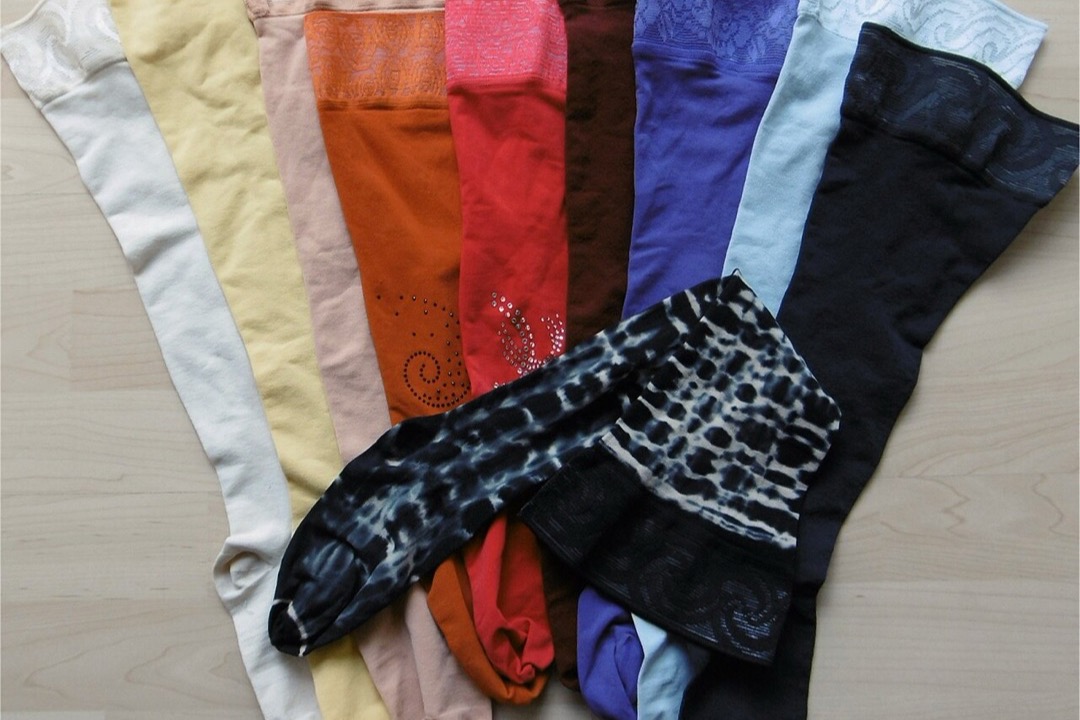
Patients ask me whether they should buy compression socks or compression sleeves, and the honest answer is that for most of the conditions people are trying to address, those two products do not compete with each other at all. They serve fundamentally different clinical purposes. The athletic-apparel marketing that has emerged over the last decade has blurred the distinction, with running brands selling “compression sleeves” alongside medical-grade graduated stockings as if the two were tier options of the same therapy. They are not. Choosing the wrong one for your indication is at best a waste of money and at worst — particularly in patients with venous insufficiency, lymphedema, or peripheral arterial disease — actively harmful.
This guide walks through the actual mechanical and physiological differences between compression socks and calf sleeves, the specific conditions where each is the correct choice, the conditions where neither is safe without physician guidance, and how to pick the right compression strength for the indication. It is written for patients managing circulatory health, recovering from injury or surgery, dealing with leg swelling, or pursuing compression for athletic recovery. The goal is to make the decision specific rather than generic.
The Fundamental Difference: Foot Coverage and Pressure Profile
The two defining differences between compression socks and calf sleeves are anatomical coverage and the pressure profile applied to the leg.
A compression sock covers the foot, ankle, and either the calf (knee-high length, the most common medical-grade configuration) or the entire leg up to mid-thigh (thigh-high length, used for specific post-surgical and lymphedema indications). Critically, the sock applies graduated compression — the highest pressure is at the ankle, with pressure decreasing progressively as the garment extends up the leg. This graduated profile is the central design feature and is what makes the sock a circulatory therapy device. The pressure differential creates a directional flow assist, helping venous blood and lymphatic fluid move from the foot upward against gravity, back toward the heart.
A calf sleeve covers only the calf — typically from just above the ankle bone to just below the knee — and applies relatively uniform compression across the covered region. Because the foot and ankle are not enclosed, the sleeve cannot influence the most distal point of the lower extremity, where venous pooling actually originates. The uniform compression profile is appropriate for the muscular support function the sleeve is designed to provide, but it is fundamentally not the same therapy as graduated compression and should not be substituted for one.
This distinction matters because the conditions for which compression therapy is clinically validated — chronic venous insufficiency, varicose veins, post-thrombotic syndrome, post-surgical edema prevention, lymphedema, travel-related DVT — all involve abnormal venous and lymphatic dynamics that begin in the foot or lower ankle. A calf-only garment, no matter how high its nominal mmHg rating, cannot adequately treat these conditions because it does not compress where the problem starts.
When Compression Socks Are the Right Choice
Compression socks are indicated whenever the clinical concern involves circulatory support, venous return, lymphatic drainage, or prevention of pooling-related complications. Specific scenarios include:
- Chronic venous insufficiency (CVI): the most common medical indication; graduated compression at 20 to 30 mmHg is the cornerstone of conservative management
- Varicose veins: both for symptom relief and to slow progression of the underlying venous reflux
- Post-thrombotic syndrome: long-term sequelae of prior DVT, where graduated compression reduces chronic edema and skin changes
- Pregnancy-related leg swelling and varicose veins: 15 to 20 mmHg socks are commonly recommended starting in the second trimester
- Long-haul air travel: flights longer than four to six hours measurably increase DVT risk; 15 to 20 mmHg compression socks are the most studied prophylactic intervention
- Post-surgical edema management: orthopedic surgery, vein-stripping procedures, and abdominal surgery protocols often specify compression sock use during the recovery period
- Lymphedema (early stage, lower-extremity): graduated compression is part of standard complete decongestive therapy, though severe cases require fitted multi-layer bandaging
- Occupational standing or sitting: nurses, teachers, retail workers, and long-haul drivers commonly develop lower-leg achiness that responds well to mid-range compression
The full review at best compression socks covers graduated socks across the over-the-counter and medical-grade ranges, with detailed discussion of fit, fabric durability, and which models work for which indication.
For patients with diabetes who need foot protection without medical-grade compression, diabetic socks are a distinct product category — non-binding, seamless, and moisture-wicking — designed specifically for diabetic foot care rather than circulatory support.
When Calf Sleeves Are the Right Choice
Calf sleeves are designed for targeted muscular support and athletic recovery rather than circulatory therapy. Their indications are narrower and largely orthopedic.
- Shin splints (medial tibial stress syndrome): sleeves provide proprioceptive support and can reduce vibration-related discomfort during running
- Calf strain or minor calf muscle injury: light to moderate compression supports the injured muscle during return-to-activity rehabilitation
- Running and endurance training: many runners use 15 to 20 mmHg sleeves for perceived recovery benefits, though the evidence for performance enhancement is weak and the recovery benefit modest
- Post-exercise muscle soreness (DOMS): sleeves worn after intense exercise may modestly accelerate subjective recovery, though objective performance-recovery effects are inconsistent in controlled studies
- Lower-leg swelling secondary to localized inflammation: limited use; if swelling is generalized or recurring, a true graduated sock is the correct product
- Footwear flexibility during athletic activity: when an athlete needs full ankle and foot mobility but wants calf compression, the sleeve allows the sock-free configuration that running shoes are designed around
A separate but adjacent product category is arm compression sleeves, which serve two distinct functions: athletic support during sports involving repetitive arm motion (basketball, baseball, weightlifting), and medical compression for upper-extremity lymphedema, most commonly following breast cancer surgery and axillary lymph node dissection. The medical use of arm sleeves is conceptually similar to the use of leg compression socks for lower-extremity lymphedema, and like leg sleeves, they should be properly fitted by a certified compression specialist when used for the medical indication. For hand-specific compression in arthritis or carpal tunnel symptoms, compression gloves are the appropriate product rather than full arm sleeves.
When Neither Product Is Safe Without Physician Guidance
This section is the one most consumer-facing content skips, and it is where the most clinically important decisions live.
Peripheral arterial disease (PAD). PAD is the absolute red flag. Patients with significant PAD have compromised arterial inflow to the lower extremity, and external compression can reduce this further to the point of tissue ischemia. Compression therapy in unrecognized PAD has caused critical limb ischemia and ulceration. Before initiating any compression therapy in a patient over 50, in any patient with a smoking history, or in any patient with diabetes, an ankle-brachial index (ABI) should be obtained to confirm adequate arterial inflow. A normal ABI is between 1.0 and 1.4; an ABI below 0.9 indicates PAD and is a contraindication to standard compression therapy. Symptoms that should raise concern include calf pain on walking that resolves with rest (claudication), cool and shiny skin on the lower leg, hair loss on the legs, and slow-healing wounds on the feet.
Severe peripheral edema with potential pooling effects. Patients with severe pitting edema, particularly when due to congestive heart failure, advanced kidney disease, or advanced liver disease, require careful evaluation before compression. A calf sleeve in severe edema can drive fluid distally into the foot — the tourniquet effect described in the FAQ above — and worsen the symptom. Even graduated socks must be selected and fitted carefully in these patients, often with a physician’s input.
Diabetic peripheral neuropathy. Reduced sensation in the foot or calf means the patient cannot feel the warning signs of compression that is too tight, ischemic pressure, or skin breakdown. Routine compression in diabetic patients should be initiated under physician guidance, with vigilant skin inspection and ABI documentation as above.
Active skin infection, open wounds, or fragile skin in the treatment area. Compression over infected or broken skin can spread infection, prevent wound healing, or cause additional skin damage. Active cellulitis is a contraindication; chronic venous ulcers require specialized multi-layer bandaging rather than retail compression socks.
Recent or active deep vein thrombosis. New-onset DVT is generally treated with anticoagulation first; the role and timing of compression therapy is determined by the treating physician, not by self-selection from a retail site.
Severe arterial or mixed-etiology leg ulcers. These require formal vascular evaluation; the correct treatment depends on the underlying cause and may not include compression at all.
If you have any combination of the conditions above, do not self-prescribe compression. The risk of getting it wrong includes skin breakdown, worsening edema, and in the case of unrecognized PAD, limb-threatening ischemia.
Choosing the Right Compression Level
Compression strength is the second decision after sock-versus-sleeve, and it matters as much or more.
- 8 to 15 mmHg (mild): General leg fatigue, occasional standing, basic travel comfort. Available everywhere over-the-counter, broadly safe in healthy adults.
- 15 to 20 mmHg (moderate): The most useful range for routine consumer indications. Long-haul travel, mild varicose veins, pregnancy-related swelling, mild post-exercise recovery, occupational standing. Most over-the-counter graduated socks live in this range.
- 20 to 30 mmHg (firm, medical-grade): Moderate-to-severe varicose veins, chronic venous insufficiency, post-surgical edema, post-thrombotic syndrome, lymphedema (in conjunction with formal therapy). Often dispensed with physician guidance even when not legally requiring a prescription, because incorrect indication or fit at this level can cause harm.
- 30 to 40 mmHg (extra-firm): Severe venous disease, severe lymphedema, post-DVT management. Should always involve a vascular specialist, certified compression fitter, and an ABI-confirmed safe arterial baseline.
- 40+ mmHg (very firm): Reserved for highly specific indications managed by lymphedema and vascular specialists. Not appropriate for self-selection at any level.
Athletic calf sleeves typically operate in the 15 to 20 mmHg range, but the compression profile is uniform rather than graduated, so the same nominal mmHg number does not translate into equivalent therapy. A 20 mmHg calf sleeve and a 20 mmHg graduated compression sock are not interchangeable products.
How to Fit and Wear Either Garment Correctly
Even the right product fails if it is fitted or worn incorrectly. A few principles apply across both categories.
Measure circumference at the ankle (the smallest point above the foot) and at the widest part of the calf, ideally first thing in the morning before any swelling has accumulated. Most reputable manufacturers publish a sizing chart that maps these two measurements to a size band; the wrong size is the most common reason a compression product underperforms or causes discomfort.
Put the garment on first thing in the morning whenever possible. Donning is significantly easier on a non-edematous leg, and the garment then prevents the swelling that would otherwise accumulate during the day.
Remove the garment for sleep unless your physician specifies otherwise. Compression worn during sleep, particularly graduated socks at 20 mmHg or higher, can produce excessive pressure when the leg is horizontal and gravity is no longer working against the venous return that the compression was designed to assist.
Inspect the skin daily. New numbness, discoloration, increased pain, or visible skin damage are all signs to stop wearing the garment and re-evaluate fit or indication. Skin issues are particularly important to monitor in diabetic and neuropathy patients, where the warning signs may not be felt.
Replace garments on the manufacturer’s recommended schedule. Compression products lose effective pressure over time as the elastic fibers fatigue with washing and wear. Most medical-grade graduated socks should be replaced every three to six months with regular use; retail athletic sleeves typically last six to twelve months before the compression has degraded meaningfully. Wearing a stretched-out sock that no longer applies the labeled pressure is the same as wearing nothing at all.
When to See a Physician Before Starting Compression
Most over-the-counter mild and moderate compression use does not require a physician visit. Several specific scenarios do.
- Any history of deep vein thrombosis, pulmonary embolism, or known clotting disorder
- Symptoms suggestive of peripheral arterial disease, particularly claudication
- Diabetes with any neuropathy or circulatory symptoms
- Severe or recurring leg swelling that has not been previously evaluated
- Visible skin changes on the lower leg (brown discoloration, hardening, ulceration)
- Pregnancy with significant swelling or pre-existing varicose veins
- Post-surgical recovery where the operating surgeon has not specified a compression protocol
- Recent significant weight loss or gain that may have changed leg circumference and indication
- Any planned use of 20 mmHg or higher compression without prior compression experience
A primary care physician, vascular specialist, or physical therapist with vascular experience can provide indication confirmation, ABI measurement when relevant, and sizing guidance that retail sites cannot.
When Compression Is One Part of a Larger Plan
For many of the conditions where compression is appropriate, it is most effective as one component of a multi-modal management plan rather than as a standalone solution. Patients with chronic venous insufficiency benefit from elevation, regular calf-pump exercise, weight management, and sometimes vein procedures in addition to graduated compression. Athletes using calf sleeves for shin splints typically also benefit from gait analysis, appropriate running shoes, and addressing footwear-related contributors. Patients with post-surgical knee issues often combine knee support with thermal therapy and graduated activity progression — the best knee braces review covers options that pair well with compression in the recovery period. Patients with chronic foot pain may benefit from supportive insoles such as those covered in orthotic insoles or, for plantar fasciitis specifically, plantar fasciitis insoles, particularly when foot mechanics contribute to leg fatigue. For chronic lower-extremity nerve pain that is not primarily circulatory, a TENS unit addresses the neural component directly and is a complementary rather than competing therapy.
Final Clinical Summary
Compression socks and calf sleeves look superficially similar and are sold side-by-side in many retail channels, but they are clinically different products designed for different problems. Compression socks — graduated, foot-inclusive, available across a wide mmHg range — are circulatory therapy devices appropriate for venous insufficiency, varicose veins, post-surgical edema, travel-related DVT prevention, lymphedema, pregnancy swelling, and occupational standing. Calf sleeves — uniform-pressure, calf-only, typically in the 15 to 20 mmHg range — are muscular support garments appropriate for shin splints, calf strain rehabilitation, athletic recovery, and running-specific use cases.
The most common consumer mistake is reaching for a calf sleeve to address a venous problem that requires graduated compression and foot coverage, or reaching for a high-mmHg medical-grade sock to address calf muscle soreness that a sleeve would handle more comfortably. The mismatch wastes money in the best case and produces paradoxical worsening of swelling in patients with significant edema. Match the product to the actual clinical problem.
If your goal is circulatory support, choose a graduated compression sock at the appropriate mmHg level for your indication, with the best compression socks review covering specific options across the over-the-counter and medical-grade ranges. If your goal is athletic muscular support during running or after intense lower-leg activity, a calf sleeve in the 15 to 20 mmHg range is the right tool. If you have any of the contraindication conditions above — peripheral arterial disease, diabetic neuropathy, severe edema, recent DVT, active skin infection — do not self-select either product. See a physician first.
This guide is informational and does not replace individual medical evaluation. If you are uncertain whether your symptoms match any of the indications above, if you have any of the contraindications, or if compression therapy you are already using is not producing the expected benefit within several weeks of consistent use, speak with your physician or a certified compression fitter before continuing. The right compression product, correctly fitted and used for the right indication, is one of the highest-value low-cost home therapies available — used incorrectly, it can quietly cause harm.
Frequently Asked Questions
Are compression sleeves and compression socks the same thing?
Can compression sleeves cause swelling in my ankles or feet?
What mmHg level should I choose for socks or sleeves?
Are compression sleeves safe for diabetics or people with neuropathy?
Can I wear compression socks and sleeves at the same time?
Related Articles
About the Reviewer

Dr. David Taylor, MD, PhD
Drexel University College of Medicine (MD), Indiana University School of Medicine (PhD)
Dr. David Taylor is a licensed physician and medical researcher who founded BestRatedDocs in 2016. With an MD from Drexel University and a PhD from Indiana University School of Medicine, he combines clinical expertise with a passion for health technology to provide evidence-based product recommendations. Dr. Taylor specializes in health informatics and regularly evaluates medical devices, diagnostic equipment, and therapeutic products to help healthcare professionals and patients make informed decisions.