How to Get Rid of a Cold Sore Fast: A Doctor's Guide
Dr. David Taylor, MD explains how to get rid of a cold sore fast: why the first tingle matters, which treatments shorten an outbreak, and what does not work.
Updated
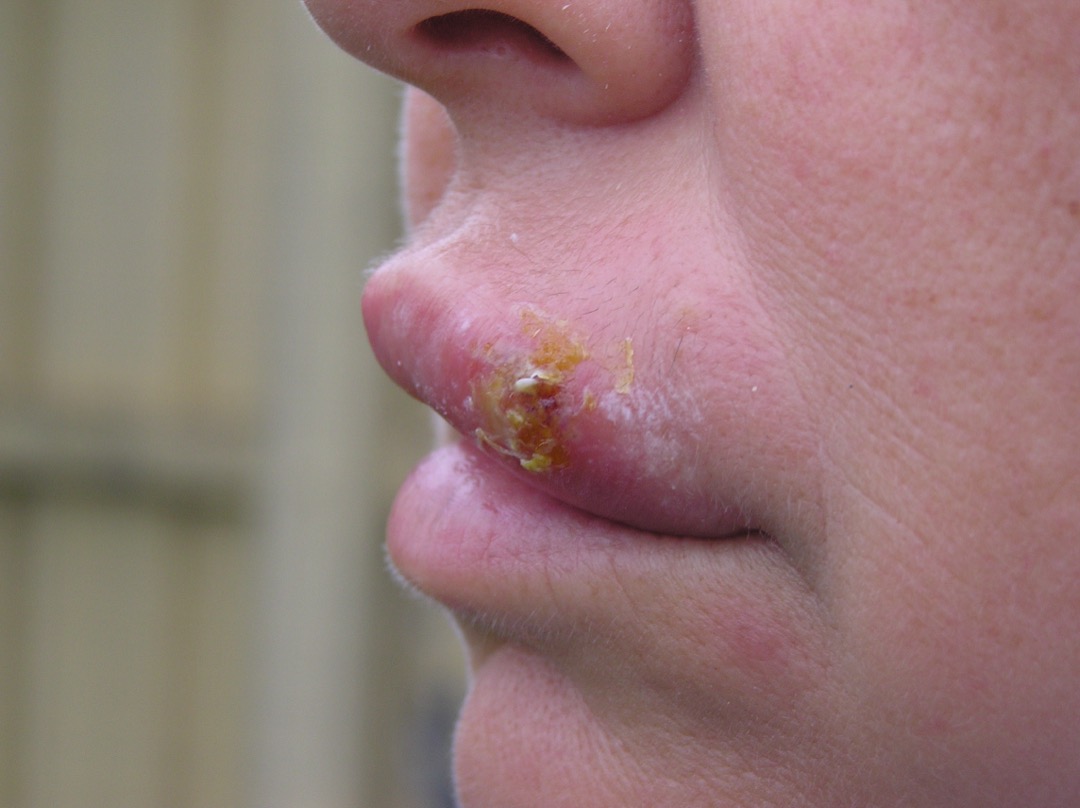
If you have a cold sore coming up before a wedding or an interview, here is the honest answer first. Nothing clears a cold sore overnight. What you can do is shorten the outbreak by a day or more, make it hurt less, and sometimes stop the blister from forming at all. Nearly all of that depends on how early you start.
Most people start treating when they see the blister, by which point the virus has had a full day’s head start. The window that matters is the tingle, burn or itch that comes before anything is visible. Clinicians call it the prodrome. If you get cold sores more than once or twice a year, learning to act on it is worth more than any product you can buy.
Below I cover the stages of an outbreak, the treatments with the trial numbers behind them, the remedies that do not hold up, and the red flags that call for a same-day visit.
What Is Actually Happening in Your Lip
A cold sore is a reactivation of herpes simplex virus type 1, or HSV-1. Most people catch it in childhood, and the World Health Organization estimates that about two in three people under 50 carry it worldwide, many without ever having a visible sore.
After that first infection, the virus travels up the sensory nerve from the lip and settles in the trigeminal ganglion, a cluster of nerve cell bodies beside the brainstem that supplies feeling to the face. It stays there for life, dormant and out of reach of every drug we have. When something disturbs the balance, such as a sunburn or a fever, the virus wakes up, travels back down the same nerve fibre, and multiplies in the skin where that nerve ends.
That is why cold sores keep appearing in the same spot, and why the tingle comes first: you are feeling the nerve before the skin has changed.
The Stages, and What to Do at Each One
An untreated recurrent cold sore usually runs its course in 8 to 14 days. The timings below are typical, and yours may be faster or slower.
| Stage | Timing | What you notice | What to do |
|---|---|---|---|
| Prodrome | 6 to 24 hours before anything shows | Tingling, burning, itching or tightness at the usual spot | Start an antiviral now. Cold compress for comfort. |
| Blister | Days 1 to 2 | A small cluster of fluid-filled blisters on a red base | Keep treating. Cover with a patch. Hands off. |
| Ulcer | Days 2 to 3 | Blisters burst into a shallow, weeping, painful sore | Most contagious stage. Patch, pain relief, hand washing. |
| Crust | Days 3 to 4 | A yellow-brown scab forms | Keep it supple with plain petroleum jelly. Do not pick. |
| Healing | Days 5 to 14 | The scab shrinks and falls off, leaving pink skin | Sunscreen on the new skin. Let the scab come off on its own. |
The first row is the one to remember. Every antiviral below works best when started in the prodrome.
Cold sores rarely scar, and the pink patch left behind usually fades within weeks. A mark that lingers for months tends to come from picking, and a silicone-based option from our scar treatment creams guide is a reasonable next step.
The One Move That Matters Most: Treat at the First Tingle
Antiviral drugs work by stopping the virus from copying itself. Once a blister has formed, most of the copying is over, which is why the same pill started a day late does much less.
So have treatment in the house before you need it. If you get cold sores several times a year, ask your doctor for a standing prescription so you can start at the first tingle, at seven on a Saturday morning, without an appointment. If you rely on over-the-counter docosanol, keep a tube in your bag or your first aid kit.
For comfort in the first hours, wrap an ice pack in a thin cloth and hold it on the spot for 5 to 10 minutes at a time, with breaks between. Never put ice directly on the lip. Cold does nothing to the virus, but it eases the burning and early swelling.
Over-the-Counter Options
Docosanol 10% cream is the only over-the-counter antiviral the FDA has approved for cold sores. It is thought to stop the virus entering skin cells. In the main trial (Sacks and colleagues, Journal of the American Academy of Dermatology, 2001), about 737 people were randomised. Those using docosanol healed in a median of 4.1 days, roughly 18 hours faster than placebo. That is a modest effect, and a real one. Apply it five times a day from the first sign until the sore has healed.
Hydrocolloid cold sore patches are small clear gel dressings that sit over the sore. In a randomised trial by Karlsmark and colleagues in the Journal of the European Academy of Dermatology and Venereology in 2008, a hydrocolloid patch healed cold sores about as well as acyclovir 5% cream. The patch contains no drug. It keeps the wound moist and sealed, like a blister dressing. Its practical advantages matter as much: it hides the sore under makeup, stops you picking, and cuts the chance of spreading virus with your fingers.
Topical anesthetics such as lidocaine and benzocaine numb the sore. They do nothing for healing time, but they help with a painful ulcer, especially before meals. Lidocaine is the same active ingredient found in many of the topical pain relief creams sold for muscles and joints, but for the lip choose a product labelled for lip or oral use. Menthol and capsaicin rubs should never go near a cold sore.
Oral pain relief helps too. Ibuprofen or acetaminophen at standard doses takes the edge off a sore that throbs, and I cover how the two differ in my comparison of over-the-counter pain relievers.
Prescription Antivirals: The Fastest Option
If speed is the priority, prescription antiviral pills started during the prodrome are the strongest tool available. Ask your own clinician about them.
Valacyclovir, 2 grams twice in one day, taken 12 hours apart. This is the FDA-labelled regimen for cold sores in adults and children 12 and older. In the trials behind it, reported by Spruance and colleagues in 2003, one day of treatment shortened episodes by about a day compared with placebo, and in some patients who started early the blister never developed.
Famciclovir, 1,500 mg as a single dose. In a 2006 trial, also led by Spruance, one dose taken at the first sign of symptoms brought median healing to about 4.4 days, against about 6.2 days on placebo.
Acyclovir 5% cream and penciclovir 1% cream. These prescription antiviral creams give a modest benefit, roughly half a day to a day off healing, and need frequent application, several times a day for four days.
Pills beat creams when started early, because the drug reaches the infected nerve endings from the bloodstream rather than having to soak through the lip.
Suppressive therapy. If you have six or more outbreaks a year, or outbreaks that are severe or long-lasting, a low daily dose of valacyclovir or acyclovir can reduce how often they happen.
All three drugs are cleared by the kidneys, so the dose must be reduced in kidney disease, and older adults are more prone to side effects, including confusion, when the dose is too high for their kidney function. Tell your prescriber about any kidney problems.
What the Evidence Does Not Support Well
Lysine is the most widely recommended supplement for cold sores, and the evidence for it is poor. A 2015 Cochrane review of interventions to prevent cold sores (CD010095) found no convincing evidence that lysine prevents recurrences, and the older small trials were mixed. If you want to judge any supplement’s claims yourself, my guide to reading a supplement label shows what to look for.
Zinc taken by mouth has not been shown to prevent or shorten cold sores. If you take zinc supplements for other reasons that is fine, but do not count on them here. Small, older trials of zinc creams, including one by Godfrey and colleagues in 2001, suggested a modest shortening of outbreaks, and larger work has not confirmed them.
Lemon balm and propolis have a few small trials showing some benefit. The evidence is too thin to put either ahead of docosanol or an antiviral.
Red light therapy has a small, preliminary evidence base for recurrent cold sores. If you already own one of the red light therapy devices sold for skin, treat any benefit for cold sores as unproven, and do not let it replace an antiviral started at the tingle.
Toothpaste, rubbing alcohol and hydrogen peroxide do not work. They irritate raw skin and can slow healing.
What Not to Do
- Do not pop, squeeze or pick the blisters or the scab. This spreads virus-laden fluid, slows healing and is the usual cause of a lasting mark.
- Do not share lip balm, lipstick, cups, cutlery, razors or towels during an outbreak.
- Do not kiss anyone or have oral sex from the first tingle until the skin has fully healed. HSV-1 is now a common cause of genital herpes, and oral sex is how it gets there.
- Do not touch the sore and then your eyes. HSV in the eye can scar the cornea, and contact lens wearers need to be especially careful.
- Wash your hands after applying any cream or touching the area, because virus on the fingers can cause herpetic whitlow, a painful infection of the fingertip.
How Long a Cold Sore Is Contagious
A cold sore is most contagious from the moment blisters appear until they have crusted over, with the weeping stage as the peak. Once a dry scab forms the risk falls, and it ends when the skin is fully healed.
The virus is also shed from the lips on some days with no symptoms at all, which is how most people catch HSV-1 in the first place. You cannot remove that background risk, but you can avoid the periods when it is highest.
One rule is absolute: during an outbreak, do not kiss a newborn. Neonatal herpes is rare and can be life-threatening. If you are caring for a baby while you have a sore, cover it and wash your hands before every contact.
Prevention: Know Your Triggers
- Sunlight is one of the most reliable triggers. Use a lip balm with SPF 30 or higher every day you are outdoors and reapply it. Mineral balms with zinc oxide work well, and skiers and beachgoers are the people most often caught out.
- Stress and fatigue come up constantly in my patients’ histories. L-theanine and ashwagandha have some evidence for stress and sleep, but neither has been shown to prevent cold sores, so do not buy them for that purpose.
- Colds, flu and fever are classic triggers, which is where the name fever blister comes from.
- Some people notice outbreaks around their period.
- Dental work, lip filler, laser resurfacing and chemical peels around the mouth can all set off an outbreak. Tell your dentist or dermatologist about your cold sores and ask about a preventive antiviral course beforehand, which is standard before laser resurfacing.
When to See a Doctor
See a doctor, in some cases the same day, if any of these apply:
- A sore near the eye, or eye pain, redness, light sensitivity or blurred vision during an outbreak. This can be herpetic keratitis, an infection of the cornea, and needs an eye specialist the same day.
- Eczema with sores spreading quickly into clusters of punched-out, painful erosions. This is eczema herpeticum and it is urgent.
- A weakened immune system from chemotherapy, a transplant, HIV or high-dose steroids, where outbreaks can be larger and spread.
- A newborn who has been exposed, or any sore in an infant under six weeks old.
- A first outbreak with fever and many painful sores inside the mouth and on the gums. In young children this is primary herpetic gingivostomatitis, and the main danger is dehydration because swallowing hurts. Check the temperature with a reliable digital thermometer and watch fluid intake and wet diapers closely.
- A sore that has not healed after two weeks.
- Outbreaks frequent enough to disrupt your life, which is when to discuss suppressive therapy.
Cold Sore or Canker Sore
These are unrelated. A cold sore is caused by HSV-1, usually appears on the outside of the lip or where lip meets skin, starts as blisters and is contagious. A canker sore forms inside the mouth on the soft lining of the cheek, inner lip or tongue, appears as a round white or yellow ulcer with a red rim, is not caused by a virus and is not contagious. Recurrent herpes can occur inside the mouth, but it tends to favour the gums and the hard palate. Antivirals do nothing for canker sores.
Final Word
The fastest way to get rid of a cold sore is to catch it before it becomes one. Keep treatment within reach, either a standing prescription for valacyclovir or famciclovir or a tube of docosanol, and start it at the first tingle. Once a sore appears, cover it with a patch, use an ice pack and simple pain relief for comfort, and keep your hands off it. Wear SPF lip balm to head off the next one.
If your outbreaks are frequent or severe, or anything on the red-flag list applies, talk to your doctor. This guide is general information, so check with your own healthcare provider before starting any prescription medication.
Frequently Asked Questions
Can you get rid of a cold sore overnight?
How long is a cold sore contagious?
Do cold sore patches actually work?
Are antiviral pills better than cold sore cream?
When is a cold sore an emergency?
Related Articles
How to Get Rid of Dry Eyes: A Doctor's Guide
health-guide
Flu Season Essentials Checklist: An MD's Guide to What Every Household Needs
safety-supplies
How to Read a Supplement Label
supplements
How to Improve Circulation in Your Legs: A Doctor's Guide
health-guide
7 Best Ashwagandha Supplements of 2026
supplements
About the Reviewer

Dr. David Taylor, MD, PhD
Drexel University College of Medicine (MD), Indiana University School of Medicine (PhD)
Dr. David Taylor is a licensed physician and medical researcher who founded BestRatedDocs in 2016. With an MD from Drexel University and a PhD from Indiana University School of Medicine, he combines clinical expertise with a passion for health technology to provide evidence-based product recommendations. Dr. Taylor specializes in health informatics and regularly evaluates medical devices, diagnostic equipment, and therapeutic products to help healthcare professionals and patients make informed decisions.