7 Best First Aid Kits of 2026
Dr. David Taylor reviews the best first aid kits for wound care, burns, and emergencies. Compare top-rated home, outdoor, and workplace kits by contents, durability, and clinical depth.
Updated
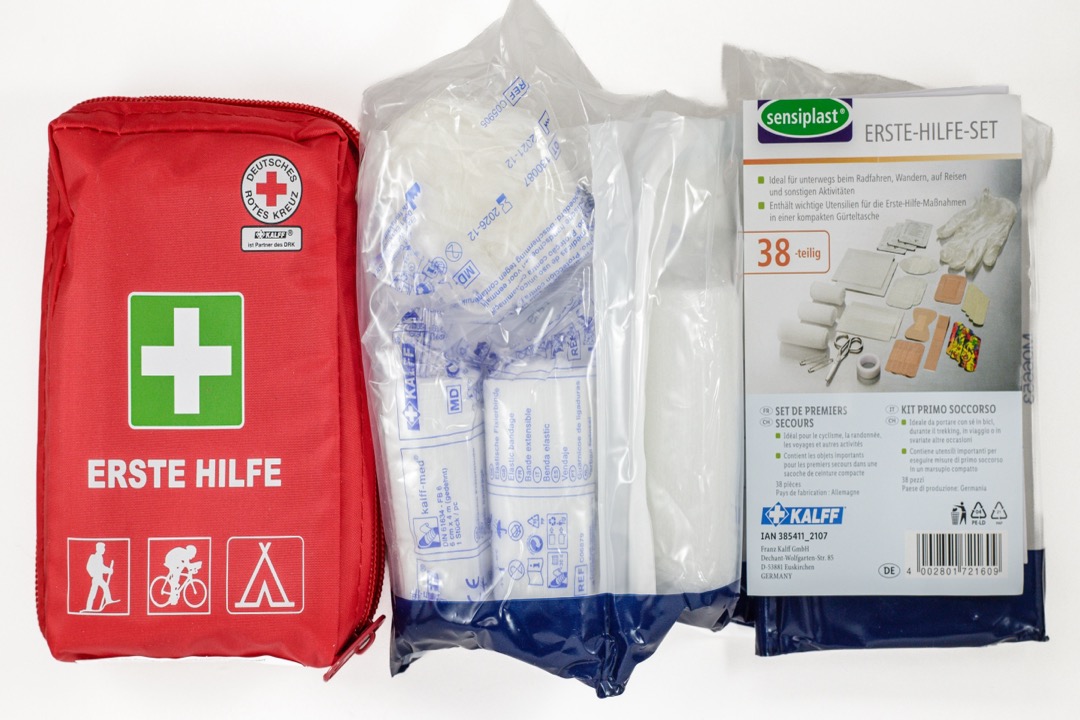
The American Red Cross estimates that approximately 25,000 people die from preventable first aid emergencies in the United States every year — injuries and medical events where immediate intervention before emergency services arrived could have changed the outcome. A well-stocked first aid kit, accessible and understood by the people who will use it, is one of the most practical investments any household, vehicle, or business can make in 2026. The challenge is that the first aid kit category on Amazon spans more than a thousand products, from single-dollar pocket pouches to comprehensive workplace stations, making it genuinely difficult to identify which kits are worth buying.
We reviewed seven of the best-available first aid kits on Amazon across five use categories — home, car, outdoor, workplace, and tactical — evaluating piece count quality (not just quantity), case durability, organizational layout, compliance features, and FSA eligibility. Our analysis draws on Amazon review data across more than 40,000 combined ratings, published standards from the American Red Cross and ANSI, and the clinical perspective of Dr. David Taylor, who has guided patients on emergency preparedness throughout his medical career. For households that also need to track injuries and monitor recovery, pairing a first aid kit with one of our reviewed diagnostic devices provides an additional layer of clinical preparedness at home.
After reviewing these seven kits, our top picks are summarized at the top of this page. The Band-Aid 160-piece kit earns best overall for everyday home use, while the Adventure Medical Kits .7 and GHFY IFAK kits are the right choices for hikers and outdoor enthusiasts who need supplies built for the field.
How We Selected These First Aid Kits
Our selection criteria prioritized a clearly stated piece count with itemized contents, a durable case appropriate to the stated use environment, and a brand with an established record in consumer healthcare or outdoor preparedness. Three of the seven carry thousands of verified Amazon reviews. The other four have shorter histories, and the budget Primacare is the thinnest by far: it is included on its OSHA compliance and Made-in-USA build despite a listing with fewer than a hundred ratings, and flagged as such in its review below. We re-open all seven listings on Amazon each refresh cycle to confirm they are still active, in stock, and buyable as new. We deliberately included kits across the full price and use-case spectrum to cover the realistic range of buyer needs — from the cost-conscious family seeking a reliable entry-price household kit to the military veteran who needs trauma-grade supplies on the trail.
1. Band-Aid All-Purpose Portable Compact First Aid Kit, 160 Piece — Best Overall
The Band-Aid 160-piece kit earns best overall on the strength of one feature that no same-priced competitor includes: full-size, name-brand OTC medications. Most home first aid kits at this price point pack bandages, antiseptic wipes, and gauze — which are table stakes. What differentiates this kit is a full-size 0.5 oz tube of Neosporin + Pain Relief antibiotic cream and a full-size 1.0 oz tube of Extra Strength Benadryl Itch Stopping Cream. These are not single-use packets; they are clinically useful quantities of medications that treat two of the most common household first aid scenarios — wound infection prevention and allergic skin reactions.
The compact hard-shell case fits in a kitchen drawer, car glove compartment, or bathroom cabinet without requiring a dedicated shelf. FSA and HSA eligibility means households with flexible spending accounts can purchase this effectively at a post-tax discount. The brand’s retail ubiquity — Band-Aid products are available at every major pharmacy and grocery chain — means individual components are easy to source for restocking after use. The honest limitation is that this is not a kit for outdoor use: there is no CPR mask, no wound closure strips, and no irrigation syringe. But for a household of four seeking a complete everyday home and car kit, this is the clearest best-value option at its price.

Band-Aid All-Purpose Portable Compact First Aid Kit, 160 Piece
by Band-Aid (Johnson & Johnson)
The top-rated everyday home kit from Johnson & Johnson — 160 pieces with full-size OTC medications and a compact hard case.
Pros
- 160-piece inventory includes full-size Neosporin + Pain Relief and Benadryl itch-stopping cream — premium OTC medications rarely found in same-priced competitors
- Compact hard-shell case fits in a kitchen drawer, glove compartment, or bathroom cabinet without consuming dedicated shelf space
- FSA and HSA eligible, reducing the effective out-of-pocket cost for households with flexible spending accounts
- Backed by Johnson & Johnson's consumer healthcare brand with over 130 years of manufacturing history and wide retail availability for restocking
Cons
- Review count is still growing — lower than older J&J SKUs though star rating is equally strong
- No CPR mask, tourniquet, or SAM splint — not appropriate for wilderness or high-risk outdoor use without supplementation
2. Primacare KC-10PP 10 Person Compact First Aid Kit — Budget Pick
The Primacare KC-10PP delivers what the budget segment of this category needs most: regulatory compliance, a durable hard case, and Made-in-USA manufacturing at a price that removes every financial barrier to owning a proper kit. The OSHA federal workplace compliance designation at this price point is genuinely unusual — most entry-price kits are designed to look comprehensive without meeting any specific standard. The Primacare meets federal requirements for a 10-person workplace, which almost certainly exceeds the everyday needs of a household of four.
The wall-mount bracket included in the package is a practical addition for households that want a centralized, always-accessible location for their kit — mounted in a kitchen, hallway, or garage, it eliminates the common problem of a kit being in the wrong place during an emergency. The honest limitation is the absence of a first aid reference guide. Budget buyers who are not purchasing alongside a training resource should download the American Red Cross First Aid app or print a basic reference card to store inside the lid. For a family equipping their first kit, or for a vehicle emergency bag where size and weight matter, the Primacare is the most defensible entry-price choice in this review. Complement it with a quality pair of medical gloves to round out your emergency response capability.

Primacare KC-10PP 10 Person Compact First Aid Kit, 102 Pieces
by Primacare
OSHA-compliant and Made in USA — the best-value hard-case home kit with wall-mount included.
Pros
- Made in the USA and meets OSHA federal workplace requirements — unusual compliance at this price point
- Wall-mount bracket included, allowing permanent fixed installation in a kitchen, workshop, or hallway
- 102-piece inventory covers the core clinical categories: wound care, bandaging, antiseptics, and basic tools
- Compact 8 x 5 x 3 inch footprint fits both wall-mounted and portable use without modification
Cons
- No first aid reference guide included — users without clinical training should add a printed reference card
- Much the thinnest review history on this page at fewer than 100 ratings, and a smaller piece count than mid-range competitors — adequate for a household of four but not for larger groups or extended outdoor use
3. Gevoke 410 Piece Waterproof Hard Shell First Aid Kit — Upgrade Pick
The Gevoke kit earns the upgrade position on depth and protection. At 410 pieces it carries the largest inventory in this review, which matters more than the headline number suggests: the difference between a 160-piece kit and a 410-piece kit is usually not exotic supplies but redundancy, and redundancy is exactly what a household discovers it needs when one injury consumes most of the gauze. The five transparent compartments keep that inventory legible, so a family member who did not pack the kit can still find a pressure dressing without emptying the case onto a countertop.
The waterproof EVA shell is the genuine differentiator, and it is the only truly water-resistant hard case on this page. A first aid kit that lives in a boat, an RV, a truck bed, or a damp garage is exposed to the one thing that quietly ruins supplies: moisture wicking into gauze and adhesive backing months before anyone opens the lid. Sealed double zippers and a rigid shell address that directly. Two limitations deserve stating plainly. The kit contains no OTC medications, so aspirin, antihistamine, and antibiotic ointment must be stocked separately, and buyers who want medications in the box should look at the Band-Aid best pick instead. The second is validation depth: this kit carries a few hundred ratings rather than a few thousand. That reflects a real shift in the category, where the long-established comprehensive hard-case kits have delisted and newer brands have not yet accumulated comparable review histories, and it is the honest trade-off for buying the deepest inventory here.

Gevoke 410 Piece Waterproof Hard Shell First Aid Kit
by Gevoke
The deepest inventory here at 410 pieces in a genuinely waterproof hard shell, the strongest comprehensive home-and-vehicle kit now that the category's older hard-case options have delisted.
Pros
- 410 pieces is the deepest inventory in this review, enough that a household will not empty the kit after a single incident
- Waterproof EVA hard shell with sealed double zippers is the only genuinely water-resistant hard case here, which matters for a kit stored in a boat, RV, or truck bed
- Five transparent interior compartments put the whole inventory in view at once, so supplies can be found without unpacking the kit under stress
- FSA and HSA eligible, and a detachable shoulder strap plus a moulded TPU handle make the 2.4 lb case genuinely carryable rather than portable only in principle
Cons
- 505 ratings is a much shallower validation pool than the kits elsewhere on this page, a consequence of this segment fragmenting into newer brands rather than a knock on the kit itself
- No OTC medications included — no antibiotic ointment, antihistamine, or pain reliever — so those must be stocked separately
- A single case with no detachable mini kit, so it does not double as an everyday-carry option the way the runner-up does
4. Protect Life 250 Piece First Aid Kit — Runner-Up
The Protect Life kit carries close to 19,500 ratings at 4.7 stars, the deepest validation pool of any all-purpose kit in this review by a wide margin. In a category where buyers cannot inspect contents before purchase and where a kit may sit unopened for years before it matters, that volume of real-world feedback is the most useful signal available. The brand positions the kit as assembled to a specification developed with physician and EMT input, and it is HSA and FSA eligible and fully refillable, which makes it a practical long-term choice rather than a one-time purchase.
The two-in-one construction is what separates this from the other soft kits here. A detachable mini kit rides in a handbag, glove box, or daypack while the 250-piece main kit stays at home, which resolves the usual compromise between a kit comprehensive enough to matter and one small enough to actually carry. The ripstop casing also holds up better than the plain nylon common at this price. The reasons it sits in the runner-up position rather than best overall are straightforward: a soft case offers less crush and heat protection than a hard shell, so it is not the kit to leave in a hot summer trunk, and like most kits here it ships without name-brand OTC medications. Stock on this listing has also been running thin between restocks, so it is worth confirming availability rather than assuming it will be there. For buyers who want the most thoroughly proven all-purpose kit on this page, it is a completely defensible choice.

Protect Life First Aid Kit for Home and Business, 250 Pieces
by Protect Life
The most-validated all-purpose kit on this page at nearly 19,500 ratings, with a detachable mini kit that covers home and on-the-go in a single purchase.
Pros
- Nearly 19,500 ratings at 4.7 stars is the deepest validation pool of any all-purpose kit in this review, by a wide margin
- A genuine two-in-one design: the detachable mini kit rides in a bag or glove box while the main kit stays home, covering both use cases in one purchase
- Ripstop casing resists tearing better than the plain nylon used on most soft kits in this price band, and the whole thing weighs under a pound and a half
- HSA and FSA eligible and fully refillable, assembled to a specification the brand attributes to physician and EMT input
Cons
- Soft case offers less crush and heat protection than a hard shell — not the kit to leave in a hot summer trunk
- No name-brand OTC medications included, unlike the Band-Aid best pick — you supply your own ointment and antihistamine
- Stock has been running thin on this listing, so it can go temporarily unavailable between restocks
5. Be Smart Get Prepared OSHA/ANSI 50-Person First Aid Kit — Best for Workplaces
For small business owners, home office workers, or households of five or more, the Be Smart Get Prepared kit provides what the home-oriented kits in this review do not: documented compliance that meets and exceeds OSHA and ANSI 2009 guidelines for 50 people. The interior covers cuts, lacerations, burns, and bleeding across 250 pieces, and includes SILVEX wound gel, a barrier treatment most consumer kits omit entirely. For a small retail operation, restaurant, school, or workshop, this satisfies the federal first aid supply requirement in a single purchase, and at 4.7 stars across more than 5,000 ratings it is the most-validated compliance kit still available on Amazon.
The hard plastic case has fully organized interior compartments designed for multi-user environments where the person grabbing supplies is rarely the person who packed the kit, and wall mounts are included in the box. That last detail matters more than it sounds: a compliance kit that lives in a drawer is a compliance kit nobody can find during an incident, and mounting hardware in the box removes the excuse. It is HSA and FSA eligible and compact enough to store in a cabinet or vehicle if a fixed station is not what you need. Two honest caveats. The listing is currently fulfilled by a third-party reseller rather than the brand, and it is flagged non-returnable under the hazardous-materials shipping rules that apply to the alcohol preps and ointments inside, so confirm the contents on arrival rather than counting on an easy return. It is also rated for general low-hazard workplaces; construction sites and manufacturing floors need the expanded ANSI Class B contents.

Be Smart Get Prepared OSHA/ANSI First Aid Kit, 50 Person, 250 Pieces
by Be Smart Get Prepared
OSHA and ANSI compliant for 50 people, with wall mounts in the box and a supply layout built for workplace restocking.
Pros
- Meets and exceeds OSHA and ANSI 2009 guidelines for 50 people, satisfying the federal small-business first aid supply requirement in a single purchase
- Wall mounts are included in the box, so it can serve as a fixed, always-visible station instead of a case that disappears into a drawer
- Includes SILVEX wound gel alongside the usual bandaging and antiseptics, a treatment category most consumer kits omit entirely
- 4.7 stars across more than 5,000 ratings, and the manufacturer states the kit meets FDA regulatory standards as a medical device
Cons
- Currently sold through a third-party reseller rather than the brand, and the listing is flagged non-returnable under the hazardous-materials shipping rules that apply to the alcohol preps and ointments inside
- Rated for general low-hazard workplaces; construction sites and manufacturing floors need the expanded ANSI Class B contents
- Stock has been running thin on this listing, so confirm availability before planning a compliance purchase around it
6. Adventure Medical Kits Ultralight/Watertight .7 Medical Kit
The Adventure Medical Kits .7 takes the outdoor slot because it is built around the two things a trail kit actually has to get right: weight and dryness. At under 6 ounces and roughly 8 x 7 x 2 inches, it rides in a daypack’s side pocket where you can reach it without unpacking, which matters more than piece count when you are a few miles from the trailhead. The supplies sit in a reusable waterproof DryFlex inner bag inside a water-repellent outer bag, so a downpour, a stream crossing or a sweaty pack does not ruin the gauze before you need it.
The contents are chosen for the injuries that actually happen outdoors. Die-cut moleskin handles blisters, the most common reason a hike goes wrong. Tick remover forceps, insect sting relief and antiseptic wipes cover bites and scrapes, and there are supplies to immobilize a suspected fracture until you can get help. The honest limitation is size. At 90 pieces it is the smallest kit in this review, rated for up to three people on short trips, and it is not marked FSA or HSA eligible on Amazon. For longer trips or a larger group, pair it with the GHFY IFAK below or step up to a full home kit for base camp. If you’re also managing recovery from an outdoor injury, our back brace review covers orthopedic support options that complement a well-stocked first aid kit.

Adventure Medical Kits Ultralight/Watertight .7 Medical Kit
by Adventure Medical Kits
Best outdoor kit: under 6 ounces, a waterproof inner bag, and blister and tick supplies built for the trail.
Pros
- Weighs under 6 ounces and packs flat at about 8 x 7 x 2 inches, small enough for the side pocket of a daypack
- A reusable waterproof DryFlex inner bag keeps supplies dry through rain, stream crossings and sweat, inside a water-repellent outer bag
- Trail-specific contents: die-cut moleskin for blisters, tick remover forceps, insect sting relief and supplies to immobilize a fracture
- Sized for up to three people on short trips, from a brand that builds kits specifically for backcountry use
Cons
- 90 pieces is the smallest inventory in this review; it covers trail injuries, not a household medicine cabinet
- Not marked FSA or HSA eligible on its Amazon listing, unlike most kits here
7. GHFY Tactical IFAK Molle EMT First Aid Kit, 180 Piece
The GHFY IFAK is designed for a specific buyer: someone with backcountry, military, or law enforcement experience who needs a kit organized around trauma response rather than household convenience. The IFAK (Individual First Aid Kit) format — developed for military use where a single responder may need to self-administer or treat a casualty with one hand — prioritizes fast access to specific items over comprehensive coverage of everyday scenarios. The Molle/PALS compatibility means this kit attaches directly to tactical vests, structured daypacks, vehicle roll bars, or any web-compatible platform, and the retaining strap keeps the pouch on the platform when the quick-release is knocked loose in transit.
The organization reflects that purpose. Thirty supply sets sit in elastic retainers across a full clamshell opening, so the whole inventory is visible at once instead of stacked in layers, and the pouch is deliberately left with spare capacity so the owner can add a tourniquet, chest seal, or personal medication. That is the honest trade to understand before buying: the base 180-piece inventory is wound care and bandaging, not a stocked trauma kit, and it ships without a CPR mask or burn dressing. Budget for those additions if your use case needs them. The 1000D reinforced nylon construction will outlast every fabric bag in this review under field conditions, and at under a pound it adds little to a pack. This is not a home medicine cabinet kit — the format assumes the user knows what they are looking for and where to find it. For buyers seeking a reliable kitchen drawer kit, the Band-Aid or Primacare options are better suited. For anyone building a vehicle emergency kit, a hunting bag, or a backcountry pack meant to be customized around a tourniquet, the GHFY IFAK is the right platform. If you’re outfitting for extended backcountry travel, pairing this kit with proper forearm and wrist support from our wrist brace review addresses the orthopedic stabilization gaps that first aid kits cannot cover.

GHFY Tactical IFAK Molle EMT First Aid Kit, 180 Piece
by GHFY
Best tactical kit — 1000D Molle IFAK pouch with one-handed elastic organization and room to add a tourniquet.
Pros
- IFAK layout organizes 30 supply sets across full-clamshell elastic retainers, so a single responder can find an item one-handed rather than digging through a pile
- 1000D reinforced nylon Molle/PALS pouch detaches from its mounting platform with a retained strap, so it attaches to tactical vests, vehicle roll bars, or structured backpacks without falling off in transit
- 180-piece inventory covers trauma scenarios relevant to vehicle, hunting, and backcountry use while staying under 1 lb and 8 x 6 x 3.5 inches
- Deliberate spare capacity in the pouch — the kit is designed to be topped up with a tourniquet or personal medication rather than sealed shut
Cons
- Tactical form factor is not optimized for home or office use — the organization assumes familiarity with field first aid layout
- No CPR mask or burn dressing in the base inventory; buyers who want those must add them to the kit's spare capacity themselves
Wound Care Science Every Kit Owner Should Know
A first aid kit is only as useful as the technique applied alongside it. Three pieces of wound care evidence should inform both how you use your kit and what you supplement it with.
Moist wound healing is the evidence-based standard. In 1962, Dr. George Winter published research in Nature demonstrating that wounds kept moist under an occlusive dressing re-epithelialize up to 50% faster than wounds exposed to open air. Drying a wound to form a scab does not protect healing — it creates a physical barrier that epidermal cells must migrate beneath rather than across the moist wound surface. The practical implication: wounds should be covered with a dressing and kept moist, not left to “air out.”
Hydrogen peroxide impairs healing and should not be applied to wounds. The household instinct to apply hydrogen peroxide to a fresh cut is widespread, but the practice is contraindicated in clinical wound care because the compound is cytotoxic to fibroblasts — the cells responsible for collagen synthesis and wound repair. Irrigation with sterile saline or clean running tap water for 5–10 minutes is the evidence-based approach. Hydrogen peroxide may be used to clean the skin surrounding a wound, but should never contact the wound bed itself.
Plain petrolatum (Vaseline) outperforms triple antibiotic ointment for clean wounds. A 2016 JAMA Dermatology study found petrolatum equivalent to triple antibiotic ointment for wound healing outcomes, with significantly lower risk of allergic contact dermatitis — a reaction triggered by the neomycin component in products like Neosporin that affects approximately 10% of users exposed to it. For clean wounds with no sign of contamination, plain petrolatum is the clinically preferred topical agent.
Supplementing Your Kit for Specialized Wound Care
Standard first aid kits cover the broadest range of everyday injuries but leave gaps in two specific wound categories worth addressing. Burn care is underserved in most kits — a single packet of burn cream is insufficient for the range of thermal injuries that occur in kitchens, around grills, and in workshops. A dedicated burn care kit with hydrogel-foam dressings provides immediate cooling and moist coverage that standard gauze cannot match. Hemorrhage control is the other gap: for households with anyone on blood thinners (Warfarin, Xarelto, Eliquis), hemostatic powder — available at Walgreens, CVS, and Amazon — accelerates clot formation in wounds that do not respond to direct pressure alone. Adding these two supplements to any comprehensive first aid kit from this review addresses the most clinically significant gaps.
When to Seek Emergency Care Instead of Home Treatment
Not all wounds are appropriate for home management. Seek emergency evaluation for: any wound where bleeding does not slow meaningfully after 10 minutes of firm direct pressure; any laceration that is deep, gaping, or exposes bone, tendon, or fat; wounds from bites (animal or human, due to high infection risk); puncture wounds from contaminated objects requiring tetanus evaluation; burns larger than the patient’s palm or involving the face, hands, feet, genitalia, or joints; and any wound showing signs of infection including spreading redness, purulent drainage, increasing pain after 48 hours, or fever above 100.4°F. Diabetic patients warrant special attention: peripheral neuropathy reduces pain perception in the feet and lower legs, meaning wounds may go undetected — any wound on a diabetic patient’s foot should be evaluated by a clinician given the elevated risk of serious infection. A glucose monitor is an important companion tool for diabetic patients managing wound care at home.
How to Choose the Best First Aid Kit
The six buyer’s guide factors above cover the most important purchase variables. One dimension worth expanding on is the relationship between kit ownership and training. A first aid kit is only as useful as the person wielding it — supplies do not treat injuries, people do. The American Red Cross offers in-person and online first aid, CPR, and AED courses available nationwide, typically completable in four hours. For households with young children, elderly family members, or individuals with chronic conditions, completing a basic first aid and CPR course alongside purchasing a kit is a meaningful step beyond simply owning the equipment.
For workplace buyers, OSHA 29 CFR 1910.151 requires that adequate first aid supplies be maintained in the absence of a nearby clinic or hospital. The specific minimum contents for different workplace hazard classifications are defined in ANSI Z308.1-2021. Any kit in this review labeled OSHA/ANSI compliant will satisfy minimum requirements for low-hazard workplaces; higher-hazard environments such as construction sites or manufacturing facilities require the expanded Class B kit contents defined in the ANSI standard.
Storage conditions also affect kit longevity in ways that matter clinically. First aid kits stored in vehicle trunks experience temperature extremes — regularly exceeding 140°F in summer — that accelerate the degradation of antiseptic wipes, ointments, adhesive backing, and sealed sterile packaging. A dedicated interior vehicle storage pouch or center console is a meaningfully better location than the trunk for heat-sensitive components. Home kits should be stored in a dry, room-temperature location accessible to all household members — not locked in a medicine cabinet that requires a key during an emergency.
Buyer's Guide
The right first aid kit depends on where it will be used, who it will serve, and how far from professional medical care you typically are when using it.
Intended Use Environment
Home and office kits can be larger and heavier since they stay in one place. Car kits need to fit in a glove compartment or trunk bag and tolerate temperature extremes — hard cases protect contents better in hot trunks than soft bags. Hiking and outdoor kits require water resistance and compact organization because emergency services may be far away. Choosing a kit designed for your actual environment is the single most important purchase decision — a 3-pound hard-case home kit has no practical place in a daypack.
Piece Count vs. Quality of Contents
Manufacturers inflate piece counts by including multiples of low-value items such as individual alcohol swabs. A 410-piece count is not automatically superior to a 90-piece count — examine what those pieces are. Prioritize the presence of wound closure strips, nitrile gloves, a CPR mask, an instant cold pack, and a reference guide over raw totals. For high-risk outdoor environments, the presence of an irrigation syringe and burn dressing matters more than the number of bandage sizes included.
Case Type and Organization
Hard plastic cases with latches provide the best crush and moisture protection for fixed-location use. Soft nylon bags are lighter and more packable but vulnerable to compression in a loaded pack. Water-resistant nylon with reinforced zippers is the correct choice for any kit that will be carried outdoors regularly. Whatever the case type, the organizational system — labeled compartments, color-coded sections, or printed contents lists — determines how quickly you can find a specific item under stress. A disorganized kit with excellent supplies is still a liability in a real emergency.
Workplace Compliance Requirements
If the kit will be used in a workplace, small business, or commercial vehicle, OSHA 29 CFR 1910.151 and ANSI Z308.1-2021 standards specify minimum required contents. Kits labeled OSHA and ANSI compliant have been designed to meet these standards for the stated person count. Home users have no regulatory requirement, but ANSI-compliant kits provide a useful baseline for completeness. The Be Smart Get Prepared kit in this review is specifically rated for 50-person workplace compliance.
Restockability and Brand Support
After any significant use, a first aid kit must be restocked promptly or it creates a dangerous false sense of security. Before purchasing, check whether the manufacturer sells individual refill packs or whether standard components are available at retail. Major brands such as Band-Aid (Johnson & Johnson) and Primacare sell replacement components widely at pharmacies and hardware stores, and refill packs for the Protect Life kit are sold directly. Specialty or tactical brands may require online sourcing for refills. A kit that is difficult or expensive to restock is less valuable long-term than a simpler kit from a broadly distributed brand.
FSA and HSA Eligibility
Several kits in this review — including the Band-Aid 160-piece kit and the Gevoke 410-piece kit — are FSA and HSA eligible, which reduces the effective out-of-pocket cost for households with flexible spending accounts. FSA eligibility is designated by the IRS for items used primarily for the diagnosis, cure, treatment, or prevention of disease. If you have an FSA or HSA, confirming eligibility before purchasing can meaningfully reduce the net cost of a quality kit.
Final Verdict
For most households seeking a reliable everyday first aid kit, the Band-Aid 160-piece kit is the clear best overall choice. The inclusion of full-size Neosporin and Benadryl cream alongside a solid 160-piece hard-case kit at a consistently low price point sets it apart from competitors at the same price, and FSA eligibility makes the effective cost even lower for qualifying households. For buyers who need OSHA-compliant coverage in a Made-in-USA hard case, the Primacare KC-10PP costs a little over half what the 50-person Be Smart kit does and is the least expensive OSHA-compliant kit in this review.
For households ready to invest in a comprehensive kit, the Gevoke 410-piece waterproof hard case carries the deepest inventory here and the only fully water-resistant shell, which makes it the one to buy if the kit will live in a vehicle, a boat, or a garage. Buyers who would rather have the most thoroughly proven option should take the Protect Life 250-piece kit and its detachable mini kit instead. Hikers, campers, and outdoor enthusiasts should choose the Adventure Medical Kits .7 for its sub-6-ounce weight and waterproof inner bag. For workplace compliance and multi-person coverage, the Be Smart Get Prepared OSHA/ANSI 50-person kit is the right tool. And for buyers with backcountry or tactical needs, the GHFY IFAK delivers a Molle-compatible platform with one-handed organization and room to add the tourniquet or chest seal your situation calls for. We also recommend supplementing any kit with hemostatic powder if anyone in your household is on blood thinners, and a dedicated burn care kit if kitchen or outdoor cooking is a regular activity. As always, consult your physician or local emergency preparedness resources for personalized recommendations based on your household’s specific health needs and risk profile.
Frequently Asked Questions
What should a basic home first aid kit contain?
How many first aid kits should a household have?
What is the difference between a home first aid kit and a wilderness first aid kit?
How often should I replace items in my first aid kit?
Does a first aid kit expire?
What does OSHA/ANSI compliance mean for a first aid kit?
Do wounds heal faster covered or uncovered?
Should I use hydrogen peroxide to clean a wound?
Related Articles
About the Reviewer

Dr. David Taylor, MD, PhD
Drexel University College of Medicine (MD), Indiana University School of Medicine (PhD)
Dr. David Taylor is a licensed physician and medical researcher who founded BestRatedDocs in 2016. With an MD from Drexel University and a PhD from Indiana University School of Medicine, he combines clinical expertise with a passion for health technology to provide evidence-based product recommendations. Dr. Taylor specializes in health informatics and regularly evaluates medical devices, diagnostic equipment, and therapeutic products to help healthcare professionals and patients make informed decisions.