Home First Aid Kit Checklist: How to Build One That Actually Covers Your Family
Dr. David Taylor, MD walks through exactly what belongs in a home first aid kit — wound care, OTC medications, tools, and monitoring devices — tiered by who lives in your house, plus what to leave out and how to keep it current.
Updated
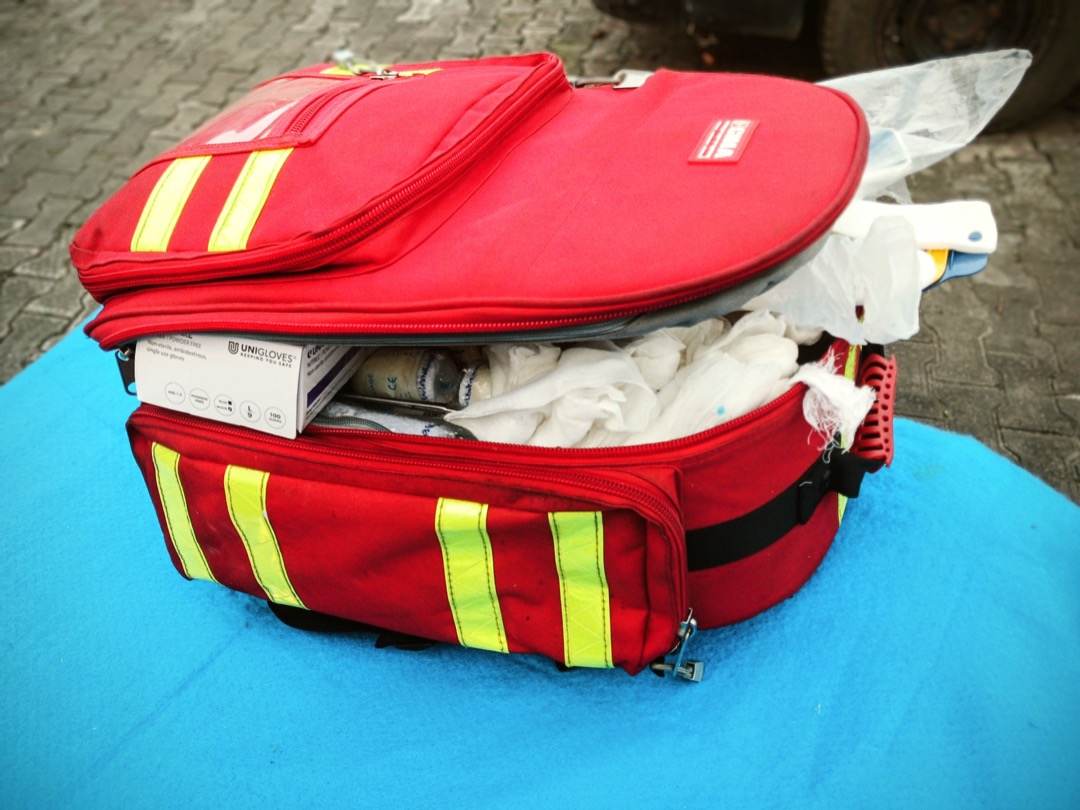
Most home first aid kits fail in exactly the same way, and it is almost never the way people expect. It is not that they are missing some exotic supply. It is that the store-bought box under the sink has three bandages left, a tube of ointment that expired two summers ago, and a pair of scissors that cannot cut gauze — and nobody has looked inside it since the day it was bought. A first aid kit is not an object you own; it is a system you maintain. Build it to match the people who actually live in your house, keep it current, and it will handle the overwhelming majority of what happens at home. Ignore it, and it will fail you at the one moment it exists for.
I have spent a lot of years watching which household injuries stay at home and which ones end up in an urgent care or an emergency department, and the dividing line is frequently just preparation. A well-stocked kit and a calm five minutes turn a kitchen laceration into a non-event; an empty kit and a scramble for paper towels turn the same cut into a same-day clinic visit. This guide is the kit I tell my own patients to build — organized by category, tiered by household, and honest about what belongs in it, what does not, and what most pre-made kits get wrong. It reflects current American Red Cross, Mayo Clinic, and American Academy of Pediatrics guidance, updated for 2026.
What a Home First Aid Kit Should Actually Cover
Before listing items, it helps to know what you are equipping for. The realistic job of a home kit is five categories of everyday problem: bleeding you can control with pressure and a dressing, wounds that need cleaning and covering to prevent infection, minor burns and blisters, sprains and strains, and the run of common illnesses — fever, headache, allergic reactions, upset stomach, coughs — that OTC medications manage. It is not equipment for a heart attack, a stroke, a major hemorrhage, or anaphylaxis progressing to airway compromise. Those are 911 events, and no home kit substitutes for emergency medical services. Understanding that boundary keeps you from both under-building the everyday kit and over-investing in tactical gear you will never correctly use.
Store-bought kits fall short because they optimize for a high piece count on the box, not for the components you will actually reach for. Fifty adhesive bandages of one useless size, a paper-thin roll of tape, single-use medication packets already near expiration — the number on the front is marketing. Build around function instead, and upgrade the parts you will use most.
Wound Care and Bandaging Supplies
This is the core of the kit and the section that gets used most. Stock, in quantity:
- Adhesive bandages in assorted sizes — the small ones run out first, but keep knuckle and fingertip shapes and a few large patches too.
- Sterile gauze pads (2x2 and 4x4 inch) and a roll of conforming gauze for wrapping.
- Medical tape — buy a quality cloth or silicone tape, not the brittle plastic strip that comes in boxed kits. Tape that does not stick is the single most common weak point.
- A pressure dressing or two (an Israeli-style bandage or a thick trauma pad) for bleeding that soaks through gauze. This is the item that turns a scary bleed into a managed one while you decide whether to head to care.
- Butterfly closures / adhesive wound-closure strips for gaping shallow cuts that need edges pulled together.
- A triangular bandage — sling, tie, or improvised pressure wrap.
- An elastic (ACE-style) wrap for sprains and to secure dressings.
Once a wound has closed and is healing, a thin scar treatment cream — typically silicone-based — applied over the following weeks measurably improves the final appearance of a cut that was deep enough to leave a mark. That is a refinement, not an emergency item, but it belongs in a complete kit.
Wound Cleaning and Infection Prevention
Cleaning matters more than covering. A wound that is irrigated well and covered simply beats one that is closed over dirt with a fancy dressing. Stock:
- Antiseptic wipes (alcohol or povidone-iodine) for cleaning around the wound and disinfecting tweezers.
- Sterile saline or the discipline to irrigate with clean running water — the best wound cleaner is volume and pressure, not a harsh chemical. Skip hydrogen peroxide as a routine cleaner; it damages the healthy tissue that does the healing.
- Antibiotic ointment (bacitracin or a triple-antibiotic) as a thin layer under the dressing to keep it moist and lower infection risk.
- A sterile eye wash. For a chemical splash or grit in the eye, you need to flush copiously. If you keep a bottle of eye drops for irritation in the medicine cabinet, they double for minor eye discomfort, but a dedicated eye-wash bottle is what you want for an actual flush.
Tools and Equipment
The tools are what let you use everything else. A kit without decent instruments is a pile of supplies you cannot deploy cleanly.
- Nitrile gloves — at least two pairs, more in a family kit. Barrier protection is not optional when you are dealing with someone else’s blood, and the thin vinyl gloves in boxed kits tear. A box of quality nitrile medical gloves is one of the highest-value upgrades you can make to a starter kit.
- Trauma shears — blunt-tipped scissors that cut clothing, tape, and gauze without stabbing the patient. Far more useful than the toy scissors kits ship with.
- Fine-point tweezers for splinters, ticks, and debris.
- A digital thermometer — covered in the diagnostics section below, but it lives here too.
- An instant cold pack or reusable ice pack for sprains, bumps, and minor burns after cooling under water — twenty minutes on, twenty off, always with a cloth barrier so you do not give the skin a cold injury.
- A CPR face shield / barrier mask, a small flashlight or headlamp, safety pins, and a permanent marker (for noting a tourniquet time or writing on a dressing).
- An emergency (mylar) blanket for shock and warmth.
Over-the-Counter Medications to Stock
This is where boxed kits are weakest and where an informed household gains the most. Keep these in the kit or in a nearby, organized medicine drawer — a pill organizer or a labeled bin keeps them from becoming an expired jumble.
- Analgesics / fever reducers. Stock both acetaminophen and an NSAID like ibuprofen — they work by different mechanisms, can be alternated, and cover fever, headache, and musculoskeletal pain between them. Which to reach for when is genuinely a clinical question; our guide comparing the OTC pain relievers walks through when each is the better choice and the ceilings you should not exceed.
- An antihistamine. A non-drowsy second-generation antihistamine for everyday allergies, plus diphenhydramine (Benadryl) for an acute allergic reaction — the faster-acting option matters when hives or swelling appear. See the best allergy medicines for the difference between the two generations and when each applies. (An antihistamine is not a substitute for epinephrine in anaphylaxis — if there is throat tightness, difficulty breathing, or widespread swelling, that is epinephrine and 911.)
- Hydrocortisone 1% cream for insect bites, contact rashes, and itchy skin — the workhorse of the anti-itch creams.
- An antacid for reflux and indigestion; see the best antacids for the fast-acting vs. longer-lasting distinction.
- An anti-diarrheal (loperamide) and oral rehydration salts for GI upset.
- Cough and cold support — a cough medicine and a saline or medicated nasal spray cover most upper-respiratory misery, which is a large share of what a household kit is asked to treat.
- A topical pain reliever. A menthol or NSAID muscle rub for strains and sore muscles rounds out the pain-management corner of the kit.
- Burn gel, aloe, and a few blister dressings for minor thermal injuries.
Label everything with the person it is for if your household has weight-based pediatric dosing in play, and never assume a drug’s expiration date is generous — tablets are relatively stable, but liquids and creams degrade faster, and an expired EpiPen or antihistamine is exactly the item you cannot afford to have failed.
Diagnostic Tools Worth Adding
This is the category that separates a genuinely useful home kit from a box of bandages, and it is the one almost no store-bought kit includes. A few inexpensive monitoring devices let you make better decisions about whether a symptom is something to watch at home or something to escalate.
- A thermometer. Non-negotiable. A fast, accurate digital thermometer is the baseline; for a household with kids, a no-contact forehead or ear thermometer makes checking a sleeping child trivial. Fever is one of the most common reasons families reach for the kit, and an accurate number changes what you do next.
- A pulse oximeter. A fingertip pulse oximeter reads blood oxygen saturation in seconds. For any household member with asthma, COPD, heart failure, or a lingering respiratory illness, a reading that drops below the low 90s is a concrete, objective reason to seek care rather than guess.
- A blood pressure monitor. If anyone in the home has hypertension, heart disease, or is on cardiovascular medication, a validated blood pressure monitor belongs with the kit. Trends matter more than any single reading, and having the device at home turns “I feel off” into data.
- A glucose meter. For a diabetic household, a glucose monitor plus glucose tablets is essential — both to check a suspected low and to treat it.
These devices are what let you answer the only question that really matters in a home emergency: is this something I manage here, or something I escalate?
Emergency Documentation to Keep With Your Kit
Supplies treat the injury; information prevents the second one. Keep a laminated card in the kit with:
- Every household member’s name, date of birth, blood type (if known), allergies, and current medications with doses.
- Poison Control (1-800-222-1222 in the US), your primary care and pediatrician numbers, and an out-of-area emergency contact.
- Your home address written out — obvious until someone else, or a panicking family member, has to read it to a 911 dispatcher.
- The location of the nearest emergency department and urgent care.
That medication list is the same one that makes a hospital handoff safe, which is why it also appears in our guide to recovering at home after surgery — a current, written list of what everyone takes is one of the highest-leverage pieces of paper in your house.
Build the Kit for Your Household
The right kit depends on who lives in your home. Build the core above, then adjust.
Family With Young Children
Add pediatric-formulation acetaminophen and ibuprofen with an accurate dosing syringe — dosing is by weight, not age, so keep a current weight-based dosing chart in the kit and never improvise with adult tablets. Add a digital thermometer you trust on a squirming child, extra small bandages (character bandages genuinely improve cooperation), a bulb syringe for congestion, and saline drops. Critically, keep the whole kit locked or well out of reach — a first aid kit full of medications is a poisoning risk to a toddler. And remember the aspirin rule: no aspirin for fever or pain in anyone under 18.
Households With a Chronic Condition
Tailor to the diagnosis. A diabetic household needs a glucose monitor, test strips, and fast-acting glucose. A member on blood thinners (warfarin, apixaban, and similar) bleeds longer, so stock extra pressure dressings and lower your threshold to seek care for a head injury or a bleed that will not stop — and be cautious with NSAIDs, which compound bleeding risk. A member with a diagnosed severe allergy should have an in-date epinephrine auto-injector stored at room temperature (not the hot car, not the freezer), with everyone in the house knowing where it is and how to use it. For anyone with asthma or COPD, keep a rescue inhaler with the kit and a pulse oximeter to read severity objectively.
Single Adult or Couple
A leaner kit is fine — the wound-care core, gloves, a thermometer, the common OTC medications, and one good pressure dressing. Do not skip the pressure dressing or the thermometer just because the household is small; those are the two items whose absence you notice most.
One Kit Isn’t Enough: Home vs. Car vs. Travel vs. Office
The home kit is the comprehensive one. Derive the others from it:
- Car kit — heat-hardened and trauma-leaning. Bandages, gauze, tape, a tourniquet or heavy pressure dressing, an emergency blanket, gloves, and a flashlight. Keep medications minimal and rotate them often, because a glovebox in summer cooks drugs and melts ointment far faster than the printed date implies. A motion sickness remedy earns its place here for the passengers who need it.
- Travel kit — TSA-constrained. Antiseptic and creams in 3.4-ounce (100 ml) or smaller containers for carry-ons, prescription medications in labeled original bottles, and a small nasal spray and motion sickness option for the flight itself.
- Workplace kit — in the US, OSHA references a minimum first aid kit standard (ANSI/ISEA Z308.1) for many workplaces; if you are responsible for one, build to that standard rather than guessing, and assign one person to own the restock.
Where and How to Store Your Kit
Storage decisions quietly determine whether the kit works. Keep it in a cool, dry, accessible place that adults can reach instantly and children cannot — a hallway closet or a high kitchen shelf, not a steamy bathroom cabinet (humidity ruins adhesives and degrades medications) and not a hot garage. Use a water-resistant, compartmentalized container so you can find gauze without dumping the whole box. Every adult and older child in the house should know where it is; a perfectly stocked kit nobody can locate is no kit at all. Keep a smaller grab-and-go pouch near the most injury-prone rooms — the kitchen and the garage.
When to Use Your Kit vs. When to Call 911
A first aid kit is for problems you can stabilize, not problems you must survive. Use it for controllable bleeding, minor burns, sprains, small wounds, splinters, and the ordinary run of fevers and OTC-manageable illness. Call 911 or go to the emergency department for: bleeding that does not slow after ten minutes of firm, direct pressure; any difficulty breathing, chest pain, or signs of stroke (facial droop, arm weakness, slurred speech); a severe allergic reaction with swelling or throat tightness; a burn that is large, deep, or on the face, hands, or genitals; a head injury with confusion, repeated vomiting, or loss of consciousness; or any injury that simply feels beyond what you can manage. The kit buys you calm, controlled minutes while help arrives — that is its job in a true emergency, not to replace the ambulance.
Restocking and Expiration: A Simple Six-Month System
The best-built kit degrades into a useless one within a couple of years if nobody tends it. Anchor a check to a date you cannot forget — the twice-yearly daylight saving time clock change, the same weekend you swap smoke-detector batteries. Each check takes ten minutes: replace everything you used, discard and replace expired medications, confirm bandages and tape still actually stick, top up gloves, and re-read the emergency card to keep the numbers and medication list current. The most common real-world failure of a home kit is not a missing item — it is an empty one, used up during a busy stretch and never refilled. A recurring ten-minute audit is what keeps the whole system honest.
Build vs. Buy: Is a Pre-Made Kit Worth It?
For most households the answer is a hybrid. A good pre-made kit is a cost-effective way to get the container and a baseline of consumables in one purchase; where it falls short is exactly the high-value parts — the tape, the shears, the gloves, the medications, and any monitoring device, all of which boxed kits either skimp on or omit entirely. So start with a solid pre-made kit as your foundation, then upgrade the consumables you will use most and add the OTC medications and diagnostic tools yourself. If you want a vetted starting point rather than assembling from scratch, our roundup of the best first aid kits breaks down which pre-made options are actually worth building on — and which piece-count-inflated boxes to skip.
A first aid kit is one of the few pieces of medical preparation entirely within your control. Build it around the people in your home, keep it current with a calendar reminder, and know the line between what it handles and what needs 911. Do those three things and the kit under your sink stops being a box you forgot about and becomes what it is supposed to be: the reason a bad moment stays a small one.
Frequently Asked Questions
What are the most important items to have in a home first aid kit?
Is it cheaper to build your own first aid kit or buy a pre-made one?
What should never be included in a home first aid kit?
How often should I check and restock my first aid kit?
Do I need a different first aid kit for my car than for my home?
Related Articles
About the Reviewer

Dr. David Taylor, MD, PhD
Drexel University College of Medicine (MD), Indiana University School of Medicine (PhD)
Dr. David Taylor is a licensed physician and medical researcher who founded BestRatedDocs in 2016. With an MD from Drexel University and a PhD from Indiana University School of Medicine, he combines clinical expertise with a passion for health technology to provide evidence-based product recommendations. Dr. Taylor specializes in health informatics and regularly evaluates medical devices, diagnostic equipment, and therapeutic products to help healthcare professionals and patients make informed decisions.