7 Best Muscle Rubs of 2026
Dr. David Taylor reviews the best muscle rubs and pain relief creams on Amazon. Compare top-rated topicals by active ingredient, scent, and FSA/HSA eligibility.
Updated
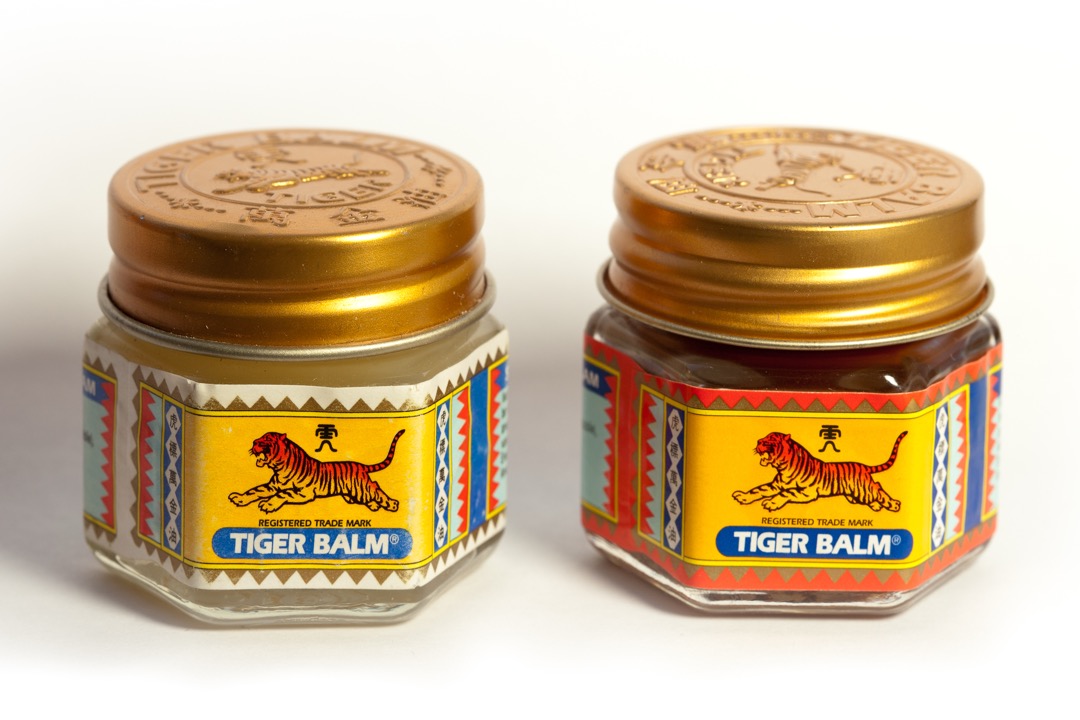
Find the Best Muscle Rub for Your Need
Jump straight to the pick that matches your situation:
- Overall best muscle rubs — our top picks reviewed
- Best muscle rub for back pain
Topical pain relief is the second-largest OTC analgesic category in the United States, and in 2026 the best muscle rubs span a wider range of mechanisms, formats, and price points than ever before. Whether you are managing delayed onset muscle soreness after exercise, flare pain from knee osteoarthritis, or chronic back discomfort between physical therapy sessions, there is a topical analgesic that targets your specific pain type more effectively than a generic grab-and-go choice from a pharmacy shelf. As a physician who has recommended topical analgesics to patients for over a decade, I find that most consumers significantly underutilize this category — either reaching for the same product out of habit regardless of fit, or bypassing topicals entirely in favor of oral NSAIDs that carry more systemic risk.
This guide covers the seven best muscle rubs available on Amazon, reviewed through both the clinical lens of active ingredient pharmacology and the consumer lens of real-world usability. The products range from a sub-$7 three-ingredient budget cream to the only OTC topical NSAID on the market, and we have included products for every scent preference from pungent menthol to completely odorless. For patients who want to pair topical analgesia with a mechanical modality, our guide to the best massage guns covers powered muscle therapy devices that complement topical application. Patients managing chronic pain from musculoskeletal conditions may also benefit from reading about TENS units as a complementary drug-free pain management approach.
After reviewing consumer feedback across more than 160,000 combined Amazon ratings and evaluating each product against the clinical criteria that distinguish genuinely effective topical analgesics from marketing-heavy formulas, here are our top picks for 2026.
How We Chose These Muscle Rubs
Our selection process prioritized three criteria: active ingredient mechanism backed by clinical evidence, verified Amazon review depth with a minimum of 1,500 reviews for most picks, and product-type diversity that covers the full range of pain presentations our readers face. We evaluated counterirritant (menthol, camphor), anti-inflammatory (diclofenac), salicylate (methyl salicylate), and botanical (arnica, glucosamine) formulas, selecting products that represent the best available option within each mechanistic category. Scent, format, FSA/HSA eligibility, and price-per-ounce were weighted as secondary factors. We deliberately excluded products with implausible marketing claims, inadequate review bases, or proprietary formulas without identifiable active ingredients.
Best Muscle Rubs Overall
These are the seven muscle rubs that earned a place in this guide, each reviewed in full below. Biofreeze is the best overall pick for the widest range of buyers; after the reviews, the back-pain section matches that common situation to the right picks from this same lineup.
Biofreeze Pain Relief Cream — Best Overall
Biofreeze earns the best overall designation because it sits at the intersection of clinical credibility and practical usability better than any other topical analgesic we reviewed. Physical therapists, chiropractors, podiatrists, and athletic trainers reach for Biofreeze more than any other branded topical analgesic, and this is not coincidence — the evidence behind menthol-based TRPM8 cold receptor activation is more robust than the evidence supporting camphor, methyl salicylate, or botanical formulas for routine musculoskeletal pain.
The non-greasy cream texture is genuinely differentiated from most competitors. Products like Tiger Balm Ultra and several generic menthol creams leave a noticeable film on the skin that transfers to clothing and furniture, which limits where and when patients are willing to apply them. Biofreeze absorbs cleanly, and the moisturizing base means frequent application does not leave skin dry and irritated — a real consideration for patients managing chronic pain who apply topicals multiple times daily.
The mild scent profile is the third practical advantage. Bengay and Icy Hot carry strong wintergreen odors that make them unsuitable before professional meetings or social situations. Biofreeze’s menthol scent is detectable but mild and dissipates within 5 to 10 minutes, making it one of the few effective topical analgesics that can be applied at the office or before going out without broadcasting its use to everyone in the room.

Biofreeze Pain Relief Cream
by Biofreeze
The clinician-recommended standard — Biofreeze's evidence-backed menthol formula is the most widely used topical analgesic in physical therapy and rehabilitation.
Pros
- Clinician-recommended by physical therapists, chiropractors, and podiatrists — one of the most widely endorsed topical analgesics in outpatient rehabilitation settings
- 2017 peer-reviewed study found menthol-based TRPM8 receptor activation provides cold perception that outperforms ice application for acute pain modulation
- Non-greasy formula with added moisturizers absorbs quickly and does not leave a residue on clothing or furniture
- Mild menthol scent dissipates within minutes — practical for workplace or social settings where strong odors are unwelcome
Cons
- Cooling-only mechanism provides no warming effect, which some users with chronic muscle stiffness find less satisfying than dual-action alternatives
- 4% menthol concentration is lower than Tiger Balm or Bengay Ultra Strength for users who prefer stronger topical intensity
Bengay Ultra Strength Pain Relieving Cream — Budget Pick
Bengay Ultra Strength shares the highest Amazon rating in this review at 4.7 stars, across more than 15,000 reviews, matched only by Icy Hot — a remarkable outcome for the product with the lowest cost per ounce on the list, and a clear signal that consumer satisfaction is consistently high. The three-active-ingredient formula represents the most comprehensive counterirritant approach available: camphor activates warmth receptors (TRPV1), menthol activates cold receptors (TRPM8), and methyl salicylate provides mild systemic salicylate activity via transdermal absorption. The result is a product that simultaneously delivers cooling, warming, and anti-inflammatory signaling that single-ingredient formulas simply cannot replicate.
From a clinical standpoint, the methyl salicylate concentration in Bengay Ultra Strength (30%) is the highest of any product reviewed here. This is important to communicate clearly: while this makes Bengay effective, it also makes it the product with the most significant drug interaction risk for patients on warfarin anticoagulation. Regular application of high-concentration methyl salicylate over large surface areas has been documented to elevate INR and increase bleeding risk. Patients on Coumadin, Eliquis, or other anticoagulants should choose Biofreeze or Voltaren instead.
For healthy adults managing routine muscle pain — post-exercise soreness, neck stiffness, lower back tightness after physical work — Bengay Ultra Strength delivers the highest review-validated efficacy at the lowest cost per ounce in this category. The strong scent is the one genuine limitation, but for home use before bed or after a workout, it is rarely a barrier.

Bengay Ultra Strength Pain Relieving Cream
by Bengay
The highest-rated budget pick — three active ingredients and decades of physician endorsement at the lowest cost per ounce in the category.
Pros
- Three active ingredients — camphor, menthol, and methyl salicylate — provide simultaneous cooling, warming, and anti-inflammatory action that single-ingredient formulas cannot match
- Tied for the highest Amazon rating in this review at 4.7 stars, across more than 15,000 reviews
- Best cost-per-ounce value among all products reviewed, making it accessible for daily use without budget concern
- Physician-recommended for decades with a track record in hospital and outpatient settings going back to the 1960s
Cons
- Very strong menthol and wintergreen odor that persists for 30 to 60 minutes — not appropriate for shared office environments or before social engagements
- Provides symptomatic relief only — methyl salicylate absorption is systemic but topical salicylate levels are too low to match oral NSAID anti-inflammatory efficacy
Voltaren Arthritis Pain Relieving Gel — Upgrade Pick
Voltaren occupies a mechanistic category entirely its own in this review. Every other product here operates through sensory receptor modulation — they change how pain is perceived by activating TRPM8 cold receptors or TRPV1 warm receptors, which compete with and suppress pain signals through the gate-control pathway. Voltaren is the only product on this list that actually reduces the source of pain at the tissue level: diclofenac sodium 1% inhibits cyclooxygenase (COX) enzymes, reducing prostaglandin synthesis at the site of inflammation. For patients with arthritis, this distinction is clinically meaningful.
The FDA approved Voltaren for OTC sale in 2020, and the transition from prescription-only to over-the-counter was significant — patients who were previously paying prescription copays for diclofenac gel now have access to the same active ingredient at a lower cost without a physician visit. The odorless formula is a genuine quality-of-life advantage for arthritic patients who apply topicals multiple times daily: there is no cumulative menthol odor building up throughout the day, and application before work, social events, or bed is equally practical.
The limitation that deserves emphasis is the scope restriction: Voltaren is FDA-approved specifically for arthritis in hands, wrists, elbows, feet, ankles, and knees. It is not approved for shoulder, hip, or back pain — and its clinical trial data for those sites is limited. For back pain specifically, a menthol-based product like Biofreeze or Bengay is more appropriate. Patients managing both arthritic joint pain and back pain may find value in keeping both Voltaren and a counterirritant product in their medicine cabinet as condition-specific tools. Consider pairing Voltaren with a heating pad in an alternating protocol — but note that heat should never be applied simultaneously with any topical analgesic.

Voltaren Arthritis Pain Relieving Gel
by Voltaren
The only OTC topical NSAID — Voltaren treats inflammation directly rather than masking it, making it the upgrade pick for arthritis and joint pain.
Pros
- Only OTC topical NSAID (diclofenac sodium 1%) available in the United States — actually reduces prostaglandin-mediated inflammation at the joint rather than masking pain at the nerve
- Number one doctor-recommended topical pain reliever — explicitly endorsed for osteoarthritis by rheumatology and orthopedic guidelines
- Completely odorless formula suitable for all settings including work, travel, and social situations without alerting others to medication use
- Prescription-strength anti-inflammatory mechanism now available without an Rx — previously required a physician visit and $50+ copay for the same diclofenac formulation
Cons
- Requires 7 consecutive days of use to reach full anti-inflammatory effect — not appropriate as a single-use acute pain remedy
- FDA-approved only for arthritis in specific joints (hands, wrists, elbows, feet, ankles, knees) — not indicated for shoulders, hips, or back pain where other products perform better
Sombra Warm Therapy Natural Pain Relieving Gel — Runner-Up
Sombra has built an unusually loyal following among hands-on practitioners — chiropractors, physical therapists, and massage therapists frequently recommend it to patients, and its 4.6-star average across more than 28,000 reviews reflects sustained consumer satisfaction. The primary differentiator is the dual thermal sensation: an initial cooling phase triggered by menthol’s TRPM8 activation transitions to a gentle warming sensation that many patients find more satisfying and more prolonged than cooling-only alternatives.
The citrus scent is genuinely distinctive in a category dominated by medicinal wintergreen and camphor odors. For patients who have avoided topical analgesics due to scent sensitivity, Sombra opens the category to use cases where Bengay and Tiger Balm are impractical. The clean formula — vegan, paraben-free, no artificial dyes — also appeals to patients who read ingredient labels and prefer formulas without unnecessary chemical additives.
The variability in warming intensity is the honest limitation, and it deserves clinical context: individual differences in TRPV1 receptor sensitivity are well-documented, which explains why the same product produces vigorous warmth in some patients and minimal sensation in others. This is not a product quality inconsistency — it is receptor biology. If you are a patient who finds counterirritants generally mild, Tiger Balm Ultra Strength is likely a better fit than Sombra.

Sombra Warm Therapy Natural Pain Relieving Gel
by Sombra
The runner-up for users who want contrast therapy in a clean, citrus-scented formula favored by chiropractors and physical therapists.
Pros
- Unique cool-then-warm dual-action sensation provides the contrast therapy effect that many patients find more satisfying than cooling-only or warming-only alternatives
- Pleasant citrus scent replaces the medicinal menthol or wintergreen odor of most competitors — widely cited in reviews as the most tolerable scent in the category
- Chiropractor and physical therapist recommended formula with a clean vegan, paraben-free ingredient list that appeals to patients with ingredient sensitivities
- Made in USA and holding a 4.6-star average across more than 28,000 reviews
Cons
- Warming intensity is notably variable — some users report a vigorous heating sensation while others perceive only mild warmth, likely due to individual TRPM8 and TRPV1 receptor expression differences
- Jar format is less hygienic and less convenient than tube or pump dispensers, particularly for on-the-go application
Tiger Balm Ultra Strength Non-Staining Ointment
Tiger Balm Ultra Strength is the maximum-intensity option in this review. At 11% camphor and 11% menthol, it delivers the highest dual-active concentration of any product on this list — nearly three times the camphor content and almost twice the menthol content of Biofreeze. The ointment base creates a more occlusive contact that prolongs the active ingredient effect compared to cream or gel vehicles, and users consistently report onset within 2 to 5 minutes, which is among the fastest in the category.
The non-staining formulation is a meaningful update from classic Tiger Balm Red, which left visible orange-yellow staining on fabric. Ultra Strength can be applied before dressing without concern about clothing damage, expanding its practical utility. The concentrated formula means a very small amount — roughly the size of a pea for a knee-sized treatment area — covers adequately, which explains why the small 10g tin size provides significantly more uses than its size suggests.
The scent is the highest barrier to adoption. Tiger Balm Ultra’s camphor and clove odor is one of the most potent in the OTC analgesic category, and it persists well beyond the duration of the therapeutic sensation itself. This is a product for home use, post-exercise, or before sleep — not for the office, car, or any shared indoor space. For patients with chronic arthritis who also benefit from ice packs as an anti-inflammatory modality, Tiger Balm can serve as the contrast counterpart in alternating hot-cold protocols when applied as a warming-sensation step.

Tiger Balm Ultra Strength Non-Staining Ointment
by Tiger Balm
Maximum-strength concentration with fast-acting onset — Tiger Balm Ultra is the pick for users who want the most potent OTC camphor-menthol formula available.
Pros
- Maximum-strength concentrated formula at 11% camphor and 11% menthol — the highest dual-active concentration of any product reviewed here
- Fast-acting onset reported within 2 to 5 minutes by most users, among the quickest relief times in this category
- Non-staining formula unlike traditional Tiger Balm Red — safe for use before wearing light-colored clothing
- Reasonable cost per application despite the small 0.35-ounce jar — the concentration means a pea-sized amount covers a large treatment area
Cons
- Very strong camphor and clove scent that is distinctly medicinal — one of the most potent odors in this review and not suitable for shared spaces or daytime professional use
- Ointment base feels greasier than cream or gel formulations and requires 5 to 10 minutes to fully absorb into skin
Boiron Arnicare Gel
This slot previously held Penetrex, which has now been delisted from Amazon entirely. Boiron’s Arnicare Gel replaces it and serves the same purpose in this lineup: it is the fragrance-free, non-medicated option for patients who cannot use a scented counterirritant. It is also the most-reviewed product on this page, with more than 34,000 Amazon reviews at a 4.6-star average and the top spot in Amazon’s homeopathic pain relief subcategory.
The fragrance-free formulation is its most defensible practical advantage. For patients who need to apply a topical repeatedly through the day in a professional setting, who apply near the face and neck where scent is most noticeable, or who share a household with someone sensitive to fragrance, the absence of a medicinal odor is what makes consistent daily use possible at all. The gel absorbs quickly, leaves no residue, does not transfer to clothing, and can go on before dressing rather than after. Because it contains no menthol, camphor, salicylate, or NSAID, it can also be applied to one area while a medicated rub treats another, without stacking active ingredients.
The honest clinical caveat is the mechanism, and it is a significant one. Arnica montana at homeopathic dilution is the only active, and homeopathic preparations are not evaluated by the FDA for efficacy. The evidence base for topical arnica in pain relief is considerably weaker than for menthol, camphor, or diclofenac. Reviewers most consistently report benefit for bruising and swelling rather than for muscle or joint pain, and improvement is described as gradual across several days of twice- or three-times-daily application rather than immediate. My advice is unchanged from what it was for the product this replaces: if you have significant acute or chronic pain and have not yet tried a menthol-based topical, start with Biofreeze or Bengay before concluding that topicals do not work for you. Choose the arnica gel when scent tolerance, not analgesic strength, is the constraint you are solving for.

Boiron Arnicare Gel for Joint Pain, Muscle Pain, Muscle Soreness, and Swelling from Bruises or Injury
by Boiron
The fragrance-free, non-medicated choice — arnica gel with the largest review base of any product here, for patients who cannot tolerate scented counterirritants.
Pros
- Fragrance-free and non-greasy, which is what makes frequent reapplication practical for patients who use topicals at work or anywhere near the face
- More than 34,000 Amazon reviews at a 4.6-star average, and the best-selling product in Amazon's homeopathic pain relief subcategory
- Absorbs quickly with no sticky residue and no transfer to clothing, so it can be applied before dressing rather than after
- Contains no menthol, camphor, salicylate, or NSAID, so it can be used on a different body area from a medicated rub without stacking active ingredients
Cons
- Homeopathic arnica is not evaluated by the FDA for efficacy, and its evidence base for topical pain relief is substantially weaker than menthol, camphor, or diclofenac
- Works gradually rather than immediately — expect two or three applications a day across several days rather than the instant cooling of a counterirritant
- The 2.6-ounce tube empties quickly at that application frequency, which offsets some of its low shelf price
Icy Hot Original Strength Pain Relieving Cream
Icy Hot is the original contrast therapy brand, and its two-stage sensory experience — an initial cooling sensation that transitions to a warming phase as menthol fades and methyl salicylate activity intensifies — is what many patients mean when they describe what they want from a muscle rub. The pharmacology is straightforward: menthol activates TRPM8 cold receptors first, producing the “icy” phase, while methyl salicylate produces a warming sensation through a different receptor pathway and provides mild systemic salicylate uptake.
At 10% menthol and 30% methyl salicylate, Icy Hot Original Strength carries the same active concentrations as Bengay Ultra Strength minus the camphor component. The two products are closely related in mechanism, and the primary differentiators are brand preference, price, and slight formula differences in the inactive ingredient base. Icy Hot’s cream base is slightly lighter in texture, and some patients find it absorbs marginally faster than Bengay. Both carry the strong wintergreen odor characteristic of high methyl salicylate concentration.
For patients who have used Icy Hot before and know it works for their pain type, there is no compelling clinical reason to switch. For first-time buyers choosing between Icy Hot and Bengay, Bengay’s substantially deeper review base (nearly 20,000 vs. under 4,000 for this SKU) provides more consumer validation. Both are FSA/HSA eligible and suitable for adults managing routine musculoskeletal pain at home.
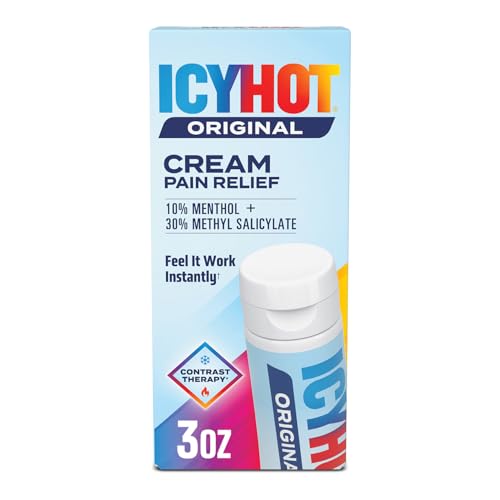
Icy Hot Original Strength Pain Relieving Cream
by Icy Hot
The classic contrast therapy cream — Icy Hot's menthol-plus-salicylate formula delivers the familiar icy-then-hot sensation at a budget-accessible price.
Pros
- Classic contrast therapy formula — the icy-then-hot two-stage sensation is clinically explained by sequential TRPM8 cold receptor activation followed by TRPV1 warm receptor stimulation
- Two active ingredients (menthol 10% + methyl salicylate 30%) deliver both nerve-level cooling and mild systemic salicylate activity in a single application
- One of the most recognized pain relief brands in the United States with decades of consumer trust and pharmacy shelf presence
- Competitive price point makes it accessible for regular use by patients managing chronic musculoskeletal pain on a fixed budget
Cons
- Strong medicinal menthol and wintergreen scent similar to Bengay — not appropriate for use before entering professional or social settings
- Relatively low review count on this specific SKU compared to Bengay and Biofreeze, providing less consumer validation depth
Best Muscle Rub for Back Pain
Back pain is the single most common reason patients reach for a topical analgesic, and it is also where the wrong pick is easiest to make: Voltaren — excellent for arthritic hands and knees — is not FDA-indicated for the back, where its clinical trial data is limited. For the large muscle groups of the lumbar region, a menthol-based counterirritant is the evidence-appropriate choice: it covers a broad treatment area economically and modulates pain through the same gate-control mechanism regardless of the muscle group’s size. These two picks from the lineup above are the ones I recommend for back pain specifically.
| Product | Price | Buy |
|---|---|---|
| Biofreeze Pain Relief CreamBest for back pain overall Clinician-standard menthol cream — non-greasy, mild scent, easy to reapply across a broad lumbar area | $12.99 | View on Amazon |
| Bengay Ultra Strength Pain Relieving CreamBest budget for back pain Three actives at the lowest cost per ounce — the value pick for daily large-area application | $7.86 | View on Amazon |
How to Choose the Best Muscle Rub
The buying guide factors above cover the six most important selection variables. One additional consideration warrants emphasis: the distinction between acute and chronic pain timelines.
For acute muscle soreness — the DOMS (delayed onset muscle soreness) that peaks 24 to 48 hours after exercise, or the localized pain from an awkward movement or minor strain — a fast-acting counterirritant like Biofreeze, Tiger Balm, or Bengay provides immediate symptomatic relief and is entirely appropriate as primary treatment. These are the right tools for the right job.
For chronic joint pain from osteoarthritis — a condition defined by cartilage degradation and persistent synovial inflammation — the counterirritants continue to work for symptom relief, but Voltaren addresses the underlying inflammatory mechanism in a way that menthol and camphor cannot. If you have been managing arthritic knee or hand pain with Biofreeze or Bengay for months and are looking for something more disease-targeted, Voltaren is the logical upgrade regardless of its higher price point.
The drug interaction concern with methyl salicylate deserves repetition because it is under-recognized: patients on warfarin, apixaban (Eliquis), or other anticoagulants who regularly apply Bengay or Icy Hot over large body areas should discuss this with their prescribing physician. The systemic salicylate absorption from 30% methyl salicylate applied to large muscle groups can measurably affect coagulation parameters.
For patients using topicals alongside other pain management modalities — particularly heating pads, TENS units, or massage devices — always apply topicals as a separate step with adequate time between modalities. Never apply a heating pad over a freshly applied menthol or camphor product. The combination dramatically increases skin penetration and can cause burns or systemic toxicity from a dose of active ingredient that would be safe with topical application alone.
Buyer's Guide
Choosing the right muscle rub means matching the active ingredient mechanism to your pain type, your scent tolerance, and your treatment frequency — the wrong match wastes money and may provide little benefit.
Active Ingredient and Mechanism
Topical analgesics work through four primary mechanisms. Counterirritants (menthol, camphor) activate temperature-sensing receptors (TRPM8 and TRPV1) to produce cooling or warming sensations that compete with pain signals — this is the gate-control mechanism. Topical NSAIDs (diclofenac in Voltaren) reduce prostaglandin synthesis directly at the inflamed tissue. Salicylates (methyl salicylate in Bengay and Icy Hot) are absorbed transdermally and provide mild systemic anti-inflammatory activity. Botanical and homeopathic formulas (the arnica in Arnicare) have weaker clinical evidence. Match the mechanism to the condition: counterirritants for muscle soreness and acute pain, diclofenac for arthritis and chronic joint inflammation.
Pain Type Match
Acute muscle soreness from exercise or overexertion responds well to menthol-based cooling agents like Biofreeze and Tiger Balm. Arthritis and chronic joint inflammation respond specifically to diclofenac (Voltaren) because inflammation requires an anti-inflammatory mechanism, not just sensory modulation. Broad multi-site musculoskeletal pain often responds to the three-ingredient Bengay or Icy Hot formula. Patients with neuropathic pain or nerve-related burning sensations should consult a physician — topical OTC analgesics are not the primary treatment for diagnosed neuropathy and may provide inconsistent benefit.
Application Format
Creams and gels are the most common formats and suitable for most users — they absorb well, are non-greasy, and apply cleanly from a tube. Ointments (Tiger Balm Ultra) provide a more occlusive barrier that can prolong skin contact time and intensify the active ingredient effect, but they feel greasier and require more time to absorb. Jar formats (Sombra) are less hygienic with repeated finger-dipping and less convenient for travel. Pump or tube dispensers are preferred for cleanliness and consistent dosing. Consider where and when you will apply the product — a tube works better in a gym bag or desk drawer than a jar.
Fragrance and Scent Sensitivity
Menthol and methyl salicylate produce the characteristic wintergreen odor that most people associate with muscle rubs. This scent persists for 30 to 90 minutes and is detectable to others at close range. Bengay Ultra Strength and Icy Hot carry the strongest odors in this review. Biofreeze is milder and dissipates faster. Sombra replaces the medicinal scent with a light citrus fragrance. Voltaren is odorless and Arnicare Gel is fragrance-free. If you use topicals in a professional setting, before social events, or have fragrance sensitivities yourself, the odorless and mild-scent options deserve priority regardless of ingredient efficacy comparisons.
Drug Interactions and Safety
Topical methyl salicylate (Bengay, Icy Hot) has a documented interaction with warfarin (Coumadin): regular application over large surface areas can increase bleeding time and elevate INR values. Patients anticoagulated with warfarin should avoid methyl salicylate products or consult their prescribing physician. Diclofenac (Voltaren) carries all NSAID precautions including avoidance in patients with NSAID hypersensitivity, severe renal impairment, or after certain cardiac surgeries. Keep muscle rubs away from mucous membranes, broken skin, eyes, and the anterior neck. Never apply under occlusive dressings unless directed by a clinician, as this dramatically increases systemic absorption.
HSA/FSA Eligibility and Value
All seven products reviewed here qualify for FSA and HSA reimbursement under the CARES Act. For patients with loaded health spending accounts, this is a meaningful cost reduction — a product with a higher shelf price can have a lower effective after-tax cost than a cheaper alternative purchased with post-tax dollars. When comparing value, calculate the cost per ounce rather than the sticker price, because tube sizes here range from a 0.35-ounce jar to a 5.3-ounce tube and the sticker price hides that spread entirely. Bengay Ultra Strength provides the lowest cost per ounce in this review at roughly two dollars an ounce. Tiger Balm Ultra is by a wide margin the most expensive per ounce — its 0.35-ounce jar works out to more than ten times Bengay's rate — followed by Voltaren. Each serves a specific need (maximum concentration and anti-inflammatory action respectively) that the cheaper options cannot replicate, but only Tiger Balm is applied in genuinely small amounts, so its cost per treated area is far closer to the field than its cost per ounce suggests.
Final Verdict
For most adults seeking a reliable, clinician-endorsed muscle rub for everyday musculoskeletal pain, Biofreeze Pain Relief Cream is our best overall pick in 2026. Its combination of evidence-backed menthol mechanism, non-greasy fast-absorbing formula, and mild dissipating scent makes it the most practically usable effective topical analgesic in the category — which is why it is the product physical therapists and chiropractors reach for in clinical practice. For budget-conscious buyers who want maximum three-ingredient potency and can tolerate a stronger scent, Bengay Ultra Strength delivers the highest consumer-rated formula at the lowest cost per ounce in this review.
For patients managing arthritis specifically, Voltaren is the only medically appropriate upgrade because it is the only product here that actually treats inflammation rather than masking it — and its prescription-strength diclofenac mechanism is now accessible OTC at a price that competes with a physician copay. Pair any topical analgesic with complementary recovery tools — a quality massage gun for mechanical muscle recovery, ice packs for acute injury management, or a heating pad in a separate alternating protocol — to build a comprehensive at-home pain management approach. As always, consult your physician for personalized recommendations if you are managing a diagnosed condition, taking anticoagulants, or have been using OTC pain relief without adequate symptom control.
If you are tapering off a prescribed course of prednisone and dealing with body aches, joint pain, or muscle cramps as a withdrawal symptom, a topical menthol or methyl-salicylate rub is one of the simplest supportive measures available — our free prednisone taper schedule shows when withdrawal symptoms are most likely to appear (typically during the final 3–5 days of any taper and in the 1–2 weeks after the last dose) so you can plan ahead.
Frequently Asked Questions
Is Tiger Balm or Biofreeze better for muscle pain?
Are muscle rubs FSA/HSA eligible?
Can you use a muscle rub with a heating pad?
What is the strongest OTC muscle rub available?
Are muscle rubs safe during pregnancy?
Related Articles
About the Reviewer

Dr. David Taylor, MD, PhD
Drexel University College of Medicine (MD), Indiana University School of Medicine (PhD)
Dr. David Taylor is a licensed physician and medical researcher who founded BestRatedDocs in 2016. With an MD from Drexel University and a PhD from Indiana University School of Medicine, he combines clinical expertise with a passion for health technology to provide evidence-based product recommendations. Dr. Taylor specializes in health informatics and regularly evaluates medical devices, diagnostic equipment, and therapeutic products to help healthcare professionals and patients make informed decisions.