7 Best Zinc Supplements of 2026
Dr. David Taylor reviews the best zinc supplements of 2026. Compare picolinate, bisglycinate, gluconate, and lozenges by bioavailability, dose, and copper balance.
Updated
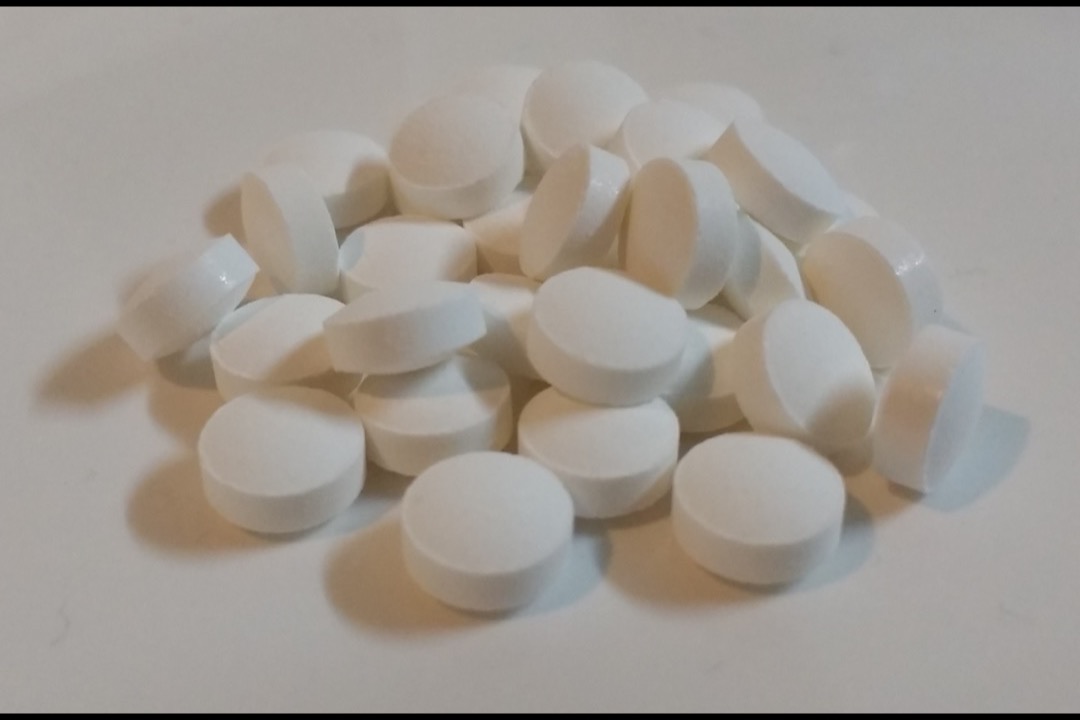
Zinc is one of the most consequential trace minerals in human physiology, serving as a structural or catalytic cofactor for over 300 enzymes and over 1,000 transcription factors. It is required for normal immune function, wound healing, taste and smell perception, sperm production, growth in children, and synthesis of DNA. The NIH Office of Dietary Supplements estimates that mild zinc deficiency affects roughly 12% of the US population and far higher rates in vegetarians, vegans, the elderly, and patients with inflammatory bowel disease. Yet zinc supplementation is also the single most common cause of supplement-induced copper deficiency in clinical practice — and that nuance is what most consumer review sites simply skip over.
In my practice, I see two distinct populations buying zinc supplements: people taking it for short bursts during a cold or for inflammatory acne, and people taking a low-dose maintenance formula every day for general immune support. These are fundamentally different clinical use cases, and the optimal product is different for each. Pick the wrong category and you either get no benefit (a daily 15 mg capsule cannot reproduce the local mucosal zinc concentrations needed to shorten a cold) or expose yourself to copper depletion (a daily 50 mg picolinate without copper for six months is a different risk profile than a five-day cold protocol).
This roundup compares seven zinc supplements that span every form and use case relevant to American consumers in 2026: zinc picolinate (the most bioavailable systemic form), zinc bisglycinate (the form that resists phytate inhibition for vegetarian diets), zinc gluconate (the budget-friendly USP-verified workhorse), zinc L-methionine plus copper (the only daily-use combination formula on Amazon at scale), and the zinc acetate/gluconate lozenge (the only delivery system with replicable cold-shortening evidence). I also walk through the elemental-zinc bioavailability math, the zinc-to-copper ratio that actually matters, and the cold-dosing protocol from the 2024 Cochrane review that determines whether zinc lozenges work or do nothing at all. Similar to my approach to choosing the best multivitamins for women, third-party testing is non-negotiable here — and I will tell you exactly which brands have it.
| Product | Price | Buy |
|---|---|---|
| NOW Foods Zinc Picolinate 50 mg (120 Capsules)Best Overall | $10.05 | View on Amazon |
| Nature Made Zinc 30 mg (100 Tablets)Budget Pick | $4.14 | View on Amazon |
| Thorne Zinc Picolinate 30 mg (180 Capsules)Premium Pick | $41.00 | View on Amazon |
| Pure Encapsulations Zinc 30 mg (60 Capsules)Runner-Up | $16.00 | View on Amazon |
| Solgar Chelated Zinc 22 mg (250 Tablets)Runner-Up | $18.59 | View on Amazon |
| Jarrow Formulas Zinc Balance 15 mg (100 Capsules)Runner-Up | $9.99 | View on Amazon |
| Zicam Zinc Cold Remedy RapidMelts Citrus (25 Quick-Dissolve Tablets)Runner-Up | $9.42 | View on Amazon |
Find the Right Zinc Supplement for Your Goal
Zinc is not one-size-fits-all — the right dose and form depend on why you are taking it. Jump to your situation:
- Best zinc supplements overall — our seven picks reviewed
- Best zinc for men and testosterone
- Best zinc for immune support and colds
- Best zinc for women (gentle daily dose)
How I Chose These Zinc Supplements
When I evaluate a zinc supplement, four variables matter more than anything else: the chemical form (which determines bioavailability), the elemental zinc dose (which determines clinical effect and copper-depletion risk), the presence or absence of copper (which determines daily-use suitability), and independent third-party testing (which determines whether the label claim is real). I excluded products using exclusively zinc oxide, the cheapest and most poorly absorbed form, regardless of price. I also excluded any product without at least 2,000 verified Amazon reviews — for a category this commoditized, lower review counts usually signal either a new SKU or an unstable supply chain. Every ASIN in this roundup was verified live on Amazon, and the formulations cross-referenced with ConsumerLab’s 2024 zinc testing report and the NIH Office of Dietary Supplements’ zinc fact sheet. The products span price points from about five cents to thirty-eight cents per serving and use cases from daily maintenance to acute cold management — there is no single “best” zinc, only the right zinc for a defined clinical purpose.
NOW Foods Zinc Picolinate 50 mg — Best Overall
NOW Foods has been one of the more credible mid-tier supplement brands for over four decades, and their zinc picolinate is a clinical workhorse for any short-term zinc protocol that calls for a 50 mg dose. Picolinate is one of the two best-studied highly-bioavailable forms of zinc — the other being bisglycinate — and the human absorption studies that compared picolinate to gluconate and oxide consistently showed picolinate producing the highest serum and red-blood-cell zinc concentrations after equivalent oral doses. The Devarshi et al. 2024 review in Nutrients on zinc bioavailability puts picolinate and bisglycinate in the top tier, with gluconate intermediate and oxide a distant fourth.
The 50 mg dose is deliberately above the 40 mg Tolerable Upper Intake Level, and that is the central trade-off you accept with this product. For a five-day cold protocol, a four-week course of zinc for inflammatory acne, or post-surgical wound healing support, 50 mg daily is appropriate and the copper concern is negligible at that timescale. For sustained daily use over months, 50 mg without copper supplementation is the textbook setup for copper depletion, which can progress from anemia to a peripheral neuropathy that mimics subacute combined degeneration of the spinal cord. I recommend NOW for short courses; for daily long-term supplementation, step down to a 30 mg picolinate or to Jarrow Zinc Balance, which builds in the copper.
Where NOW genuinely excels is the value math. At under $0.10 per serving for high-bioavailability picolinate from an NPA A-rated GMP facility, this is the lowest cost-per-bioavailable-milligram option among picolinate products on Amazon. Vegan, soy-free, gluten-free, and free of unnecessary excipients — the formula is exactly what the label says it is. For a household stocking a medicine cabinet to be ready for the first sniffle of cold season, this is the bottle to keep on the shelf.

NOW Foods Zinc Picolinate 50 mg (120 Capsules)
by NOW Foods
The best overall zinc supplement for short-term immune protocols and acne management — high-bioavailability picolinate at a per-serving price no premium brand can match.
Pros
- Zinc picolinate is one of the most bioavailable forms in human absorption studies — superior to gluconate and oxide
- $0.08 per serving makes a 4-month supply one of the lowest cost-per-bioavailable-milligram options on Amazon
- NPA A-rated GMP certified facility — exceeds standard supplement manufacturing requirements
- Vegan, soy-free, gluten-free formula with no unnecessary excipients
Cons
- 50 mg dose exceeds the 40 mg Tolerable Upper Intake Level — not appropriate for daily long-term use without copper supplementation
- No copper included — long-term high-dose use risks copper depletion and neurological symptoms
Nature Made Zinc 30 mg — Best Budget
Nature Made earns the budget pick on the strength of two attributes that matter more than the form difference: USP Verified third-party certification, and a 30 mg dose that sits at the safe ceiling for daily long-term use. USP Verification is a meaningful credential — it requires independent confirmation that the product contains what the label says, in the amount the label claims, with no harmful contaminants, manufactured under controlled conditions. For a zinc gluconate formulation at $0.05 per serving, that level of verification is unusual and is the primary reason this product earned the budget slot over cheaper unverified gluconate alternatives.
Zinc gluconate is genuinely less bioavailable than picolinate or bisglycinate — that is an honest limitation of this product. Head-to-head absorption studies suggest picolinate produces roughly 20-40% higher peak serum zinc than gluconate at equivalent elemental doses. But for daily maintenance dosing in someone whose diet is broadly adequate in zinc, the absorption difference is unlikely to be clinically meaningful. The 30 mg dose provides margin for absorption variability, and the cost difference between Nature Made gluconate and a budget picolinate adds up over a year.
There are two practical considerations. First, the tablet format may dissolve more slowly than capsules in patients with low stomach acid — common in older adults and anyone on a PPI like omeprazole or pantoprazole for chronic GERD. If you are on long-term acid suppression, choose a capsule formulation instead. Second, like every monotherapy zinc on this list, Nature Made does not include copper — for daily use beyond a few weeks, plan for a 1-2 mg copper supplement or a multivitamin that contains it.

Nature Made Zinc 30 mg (100 Tablets)
by Nature Made
The clear budget winner — USP Verified zinc gluconate from a trusted pharmacy brand at the lowest per-day cost in the category.
Pros
- USP Verified — independent third-party confirmation that contents match label claims and meet purity standards
- $0.05 per serving is the lowest cost-per-day in the roundup from a recognized national pharmacy brand
- 30 mg dose stays at the 40 mg Tolerable Upper Intake Level when combined with dietary zinc — safer for daily use than 50 mg formulas
- Gluten-free with simple, transparent label — no proprietary blends
Cons
- Zinc gluconate is less bioavailable than picolinate or bisglycinate — you absorb meaningfully less per milligram
- Tablet form may dissolve more slowly than capsules in users with low stomach acid
Thorne Zinc Picolinate 30 mg — Upgrade Pick
Thorne is the brand most commonly stocked in functional and integrative medicine clinics in the US, and their zinc picolinate is the upgrade pick because of one credential no other product in this roundup can match: NSF Certified for Sport. NSF Sport is the most stringent third-party certification available to American supplement consumers — it requires batch-level testing for contamination by over 270 substances on the World Anti-Doping Agency prohibited list. For competitive athletes subject to drug testing, this certification is the difference between a supplement they can take and one that could cost them their career. For non-athletes, it is the highest available signal of supply-chain integrity and label-claim accuracy.
The formulation is straightforward and well-executed: 30 mg of zinc picolinate per capsule, manufactured in a Thorne-owned facility with pharmaceutical-grade raw material verification. At 4.8 stars across more than 11,000 verified Amazon reviews, it is tied with the Pure Encapsulations and Zicam picks for the highest rating in this guide, and it carries that score on the deepest review base of any picolinate here. The 180-capsule supply provides a six-month run at one capsule daily.
The honest limitation is price. Thorne runs roughly three times the per-serving cost of NOW Foods, and you are not getting a meaningfully different absorption profile — both products use zinc picolinate. What you are paying for is the NSF Sport certification, the Thorne quality system, and the brand confidence that comes from being the supplement most prescribed by integrative physicians and used by major US sports teams including the UFC Performance Institute and Mayo Clinic. If you have a clinical reason to need the highest tier of verification — competitive athletics, autoimmune disease management, oncology supportive care — the premium is justified. If your use case is general daily wellness, NOW Foods at roughly a third of the per-serving cost delivers the same form at the same clinically appropriate dose.
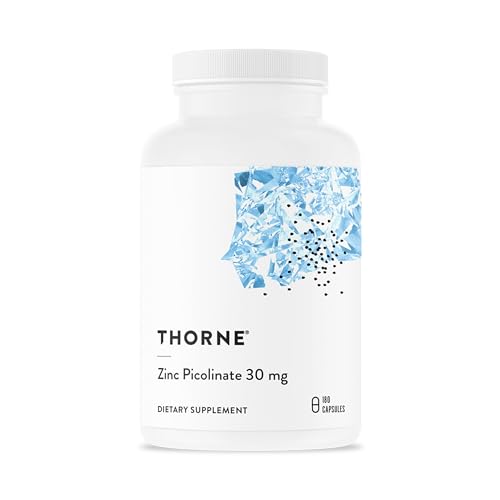
Thorne Zinc Picolinate 30 mg (180 Capsules)
by Thorne
The premium upgrade for athletes, healthcare professionals, and anyone who needs the highest tier of third-party verification — NSF Sport-certified picolinate from a brand used by major US sports teams.
Pros
- NSF Certified for Sport — banned-substance tested, meaning competitive athletes can use it without disqualification risk
- Highest-bioavailability form (picolinate) in a clinically appropriate 30 mg dose for daily use
- Manufactured in a Thorne-owned facility with pharmaceutical-grade raw material verification
- 180-capsule supply at 4.8 stars across 11,000+ reviews — tied for the highest rating in this guide
Cons
- $0.23 per serving is roughly 4x the cost of the budget pick — premium pricing reflects the certification, not just the formula
- No copper included despite premium positioning — buyers using long-term still need to track copper status
Pure Encapsulations Zinc 30 mg — Best for Sensitive Patients
Pure Encapsulations occupies a specific and important niche in the supplement market: hypoallergenic formulations designed for patients with multiple food allergies, autoimmune conditions, or chemical sensitivities who react to common supplement excipients. The formula here is zinc picolinate at 30 mg — identical to Thorne’s form and dose — but the encapsulation system explicitly excludes wheat, gluten, dairy, soy, eggs, peanuts, magnesium stearate, and artificial colors. For patients with celiac disease, eosinophilic esophagitis, mast cell activation syndrome, or simply a long history of unexplained reactivity to conventional supplements, this matters more than any form-vs-form bioavailability debate.
The brand is independently third-party tested for identity, potency, and purity by certified labs, and Pure Encapsulations consistently shows up in ConsumerLab’s annual zinc reports as a passing brand. At 4.8 stars across over 14,000 verified reviews, the consistency is exceptional for a product designed to serve a sensitive patient population.
Two limitations are worth flagging. First, at $0.27 per serving, this is the highest cost-per-day of the daily-use supplements here despite a smaller 60-capsule supply — you are paying for the hypoallergenic specification, not for ingredient differentiation. Second, like the other monotherapy formulas, no copper is included. For sensitive patients in particular, I generally pair this with a hypoallergenic multivitamin from the same brand to round out trace minerals, rather than adding multiple separate supplements.

Pure Encapsulations Zinc 30 mg (60 Capsules)
by Pure Encapsulations
The right pick for sensitive patients with multiple food allergies or autoimmune conditions — Pure Encapsulations is the brand most commonly stocked in functional medicine clinics for a reason.
Pros
- Hypoallergenic formula — free of wheat, gluten, dairy, soy, eggs, peanuts, magnesium stearate, and artificial colors
- Independently third-party tested for identity, potency, and purity by certified labs
- Zinc picolinate at 30 mg matches the upgrade pick on form and dose at lower price
- 4.8 star rating across 14,000+ reviews — exceptional consistency for a hypoallergenic formula
Cons
- $0.27 per serving is the highest of the daily-use supplements here, despite a smaller 60-capsule supply
- No copper included — same long-term consideration as other monotherapy formulas
Solgar Chelated Zinc 22 mg — Best for Vegetarians and High-Phytate Diets
Solgar’s Chelated Zinc is a zinc bisglycinate (technically a zinc amino acid chelate, where the zinc is bound to two glycine molecules), and that chemical structure is what makes it the right pick for vegetarians, vegans, and anyone eating a high-grain, high-legume diet. Phytate — present in whole grains, legumes, nuts, and seeds — is the most important dietary inhibitor of zinc absorption. It binds zinc in the intestinal lumen and prevents uptake. The 2024 Devarshi review in Nutrients quantified the effect: a high-phytate meal can reduce zinc absorption from gluconate or oxide by 40-60%. Bisglycinate’s chelated structure protects the zinc from phytate binding, preserving absorption even in high-phytate dietary contexts.
This is not a hypothetical concern. Plant-based diets reliably show 30-50% lower zinc absorption than mixed diets at equivalent intake, and the Institute of Medicine specifically recommends that vegetarians target roughly 50% higher zinc intake than the standard RDA to compensate. For a vegan eating a daily diet rich in oats, lentils, chickpeas, and almonds, choosing a phytate-resistant form like bisglycinate is materially more useful than choosing a higher-bioavailability gluconate.
The 22 mg dose is intentionally moderate — well below the 40 mg upper limit — making this an appropriate option for indefinite daily use. The 250-tablet supply provides over eight months at one tablet per day, which works out to one of the lowest cost-per-bioavailable-milligram options in the roundup. If you are already taking an iron supplement or a zinc-containing multivitamin, space it from your zinc by at least two hours — iron and zinc compete for the same divalent metal transporter (DMT1) in the intestine, and co-administration cuts the absorption of both.
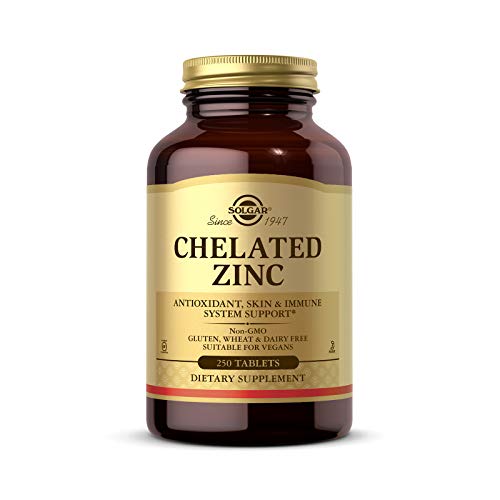
Solgar Chelated Zinc 22 mg (250 Tablets)
by Solgar
The best zinc supplement for vegetarians and high-fiber diets — bisglycinate's chelated structure resists phytate inhibition that blunts absorption from gluconate and oxide forms.
Pros
- Zinc bisglycinate (amino acid chelate) resists phytate interference — particularly valuable for vegetarian and high-grain diets
- $0.07 per serving across a 250-tablet supply provides over 8 months of daily use from a single bottle
- Vegan and kosher certified — appropriate for the broadest range of dietary requirements
- 22 mg dose is below the 40 mg upper limit, supporting safer long-term daily use
Cons
- Tablet rather than capsule format may have slower disintegration in users with achlorhydria or PPI-suppressed stomach acid
- No copper included — same long-term ratio consideration applies
Jarrow Formulas Zinc Balance 15 mg — Best for Daily Long-Term Use
Jarrow Zinc Balance is, by some margin, the most important product in this roundup for one specific clinical reason: it is the only zinc supplement on Amazon at meaningful scale that includes copper in the formula. Most reviewers, most physicians, and certainly most consumers underrate how often the zinc-copper ratio gets violated by long-term zinc users. The 1 mg of copper paired with 15 mg of zinc here delivers a 15:1 zinc-to-copper ratio, which sits squarely in the clinically validated 8:1 to 15:1 safe range and prevents the slow copper depletion that builds up across months of monotherapy zinc supplementation.
The zinc form here is OptiZinc, which is zinc bound to L-methionine. In head-to-head bioavailability studies, zinc L-methionine produces over 30% higher zinc absorption than zinc gluconate at equivalent elemental doses, putting it in the top tier alongside picolinate and bisglycinate. The combination of a high-bioavailability zinc form with the right copper ratio in a single capsule is genuinely uncommon — most products on Amazon either skip the copper entirely or use the wrong ratio.
The trade-off is dose. At 15 mg elemental zinc per capsule, this is a maintenance dose, not a therapeutic dose. It is not the right product for a five-day cold protocol (where you want 80-92 mg daily from lozenges) or for inflammatory acne management (where 30-45 mg daily of zinc sulfate or picolinate has the strongest evidence). It is the right product for the person who wants to take a single zinc capsule every morning for the rest of their life and not have to think about copper or about the upper-limit math. Free of nine major allergens, vegan, non-GMO — the formulation is also broadly appropriate for sensitive patients who would otherwise need to track down a hypoallergenic line.

Jarrow Formulas Zinc Balance 15 mg (100 Capsules)
by Jarrow Formulas
The only zinc-plus-copper combination formula on Amazon at meaningful scale — the right pick for daily long-term supplementation where preventing copper depletion matters more than maximizing zinc dose.
Pros
- The only mainstream zinc on Amazon at this scale that includes copper — eliminating the long-term depletion risk other monotherapy formulas carry
- 1 mg copper at 15 mg zinc delivers a 15:1 ratio that sits squarely in the clinically validated 8:1 to 15:1 safe range
- OptiZinc (zinc L-methionine) is the most absorbable mineral-amino acid form — over 30% more bioavailable than gluconate in head-to-head studies
- Free of 9 major allergens; vegan, non-GMO; gluten, dairy, soy, and gelatin free
Cons
- 15 mg elemental zinc is below the dose used in cold-shortening protocols and acne studies — not a therapeutic dose, a maintenance dose
- Smaller review count than the gluconate budget options despite a clinically superior formulation
Zicam Zinc RapidMelts — Best for Cold Symptom Onset
Zicam RapidMelts are the only product in this roundup that is not used for systemic zinc supplementation. Quick-dissolve oral lozenges work by an entirely different mechanism: they create a high concentration of ionic zinc directly on the oral and pharyngeal mucosa, which is precisely where rhinovirus replicates during the early days of a common cold. That local mucosal zinc concentration appears to inhibit viral replication and reduce the duration of cold symptoms. The 2024 Cochrane review of zinc lozenges for the common cold and the Wang et al. 2020 paper in the American Journal of Tropical Medicine and Hygiene both concluded that adequately dosed zinc acetate or gluconate lozenges, started within 24 hours of symptom onset, shorten cold duration by approximately one to two days. Oral zinc capsules and tablets do not produce this effect, because systemic absorption does not put zinc in contact with the upper respiratory mucosa where it is needed.
A few practical clinical points before recommending this product. First, the FDA’s 2009 anosmia (smell loss) warning about Zicam applied specifically and exclusively to Zicam’s intranasal gel and intranasal swab products, which are no longer on the market. The oral RapidMelts I am recommending here use a completely different delivery route and are not subject to that warning — the FDA letter explicitly addresses intranasal application. I want to be clear about that distinction because it is one of the most commonly confused points in the cold-supplement literature, and you should not let outdated warnings about a discontinued nasal product steer you away from the oral lozenge that has actual evidence supporting it.
Second, the dosing protocol matters more than the product brand. The Cochrane and Wang protocols call for 80-92 mg of elemental zinc per day, divided across multiple lozenges every two to three hours while awake, for a maximum of five to seven days. At roughly 13 mg per lozenge, that means 6-7 lozenges per day during an active cold. This is intentionally well above the 40 mg daily upper limit, but the short duration makes copper depletion a non-issue. Started 48 hours into a cold rather than within 24 hours, the evidence weakens substantially. Used at a lower daily dose, the evidence is essentially negative. The protocol works only when followed precisely.

Zicam Zinc Cold Remedy RapidMelts Citrus (25 Quick-Dissolve Tablets)
by Zicam
The right zinc product for the first 24 hours of a cold — quick-dissolve lozenges are the only delivery system that achieves the local mucosal zinc concentrations the cold-shortening evidence is built on.
Pros
- Quick-dissolve oral tablet delivers zinc directly to oral and pharyngeal mucosa where rhinovirus replicates — the mechanism that makes lozenges work
- Combination of zinc acetate and zinc gluconate provides faster ionic zinc release than gluconate-only lozenges
- OTC homeopathic registration — sold alongside cold medicines at every major US pharmacy
- Cochrane 2024 review of zinc lozenges for the common cold confirmed reduction in cold duration when started early at adequate dose
Cons
- Approximately 13 mg zinc per lozenge — multiple lozenges per day during a cold quickly exceeds the 40 mg upper limit (intentional for the protocol, but not for daily wellness use)
- Some users report a metallic aftertaste and transient nausea, particularly when taken on an empty stomach
Best Zinc Supplement for Men and Testosterone
Zinc is directly involved in testosterone synthesis and acts as a natural aromatase inhibitor, which is why men’s-health roundups consistently reach for a higher-potency, well-absorbed picolinate. Men have an 11 mg RDA (versus 8 mg for women) and the men who supplement are usually correcting a deficiency or supporting training, so a 30–50 mg chelated dose is the norm here — just stay at or below 40 mg long-term unless a clinician directs otherwise, and pair higher doses with copper to prevent depletion. Picolinate is the form the evidence and the dietitian roundups favor for this use.
| Product | Price | Buy |
|---|---|---|
| NOW Foods Zinc Picolinate 50 mg (120 Capsules)Best overall for men 50 mg zinc picolinate — the high-potency, highly-absorbed pick for testosterone and immune support in men | $10.05 | View on Amazon |
| Thorne Zinc Picolinate 30 mg (180 Capsules)Best for athletes NSF Certified for Sport picolinate at 30 mg — the purity-tested choice for competitive and drug-tested athletes | $41.00 | View on Amazon |
| Nature Made Zinc 30 mg (100 Tablets)Best budget option USP-verified 30 mg at drugstore pricing for men correcting a mild deficiency on a budget | $4.14 | View on Amazon |
Best Zinc Supplement for Immune Support and Colds
Two different jobs, two different products. For everyday immune support, a well-absorbed daily picolinate keeps T-cell and white-blood-cell function running. For an active cold, the evidence points to a zinc lozenge (gluconate or acetate) started within 24 hours of the first symptom and dissolved slowly in the mouth — that direct mucosal contact, not a swallowed capsule, is what shortens cold duration in the trials. Keep total daily zinc under 40 mg, and don’t run high-dose cold lozenges for more than about a week.
| Product | Price | Buy |
|---|---|---|
| Zicam Zinc Cold Remedy RapidMelts Citrus (25 Quick-Dissolve Tablets)Best for cold onset Zinc gluconate RapidMelts dissolve in the mouth — the lozenge format the cold-duration studies actually support, taken at first symptom | $9.42 | View on Amazon |
| NOW Foods Zinc Picolinate 50 mg (120 Capsules)Best for daily immunity Daily 50 mg picolinate for ongoing immune support between illnesses | $10.05 | View on Amazon |
| Thorne Zinc Picolinate 30 mg (180 Capsules)Best premium daily Purity-tested picolinate for those who want a third-party-certified daily immune zinc | $41.00 | View on Amazon |
Best Zinc Supplement for Women
Women have a lower zinc RDA (8 mg, or 11–12 mg in pregnancy and lactation), so the roundups aimed at women steer toward gentle, lower-dose chelated forms that support skin, hair, and immunity without the nausea that megadoses cause on an empty stomach. A 15–30 mg chelated dose is the sweet spot. If you take zinc daily and long-term, a form that includes copper protects against the copper depletion that chronic zinc use can cause. Always take it with food if your stomach is sensitive.
| Product | Price | Buy |
|---|---|---|
| Pure Encapsulations Zinc 30 mg (60 Capsules)Best for sensitive stomachs Hypoallergenic 30 mg picolinate with no common allergens — the gentlest choice for women with a sensitive stomach | $16.00 | View on Amazon |
| Solgar Chelated Zinc 22 mg (250 Tablets)Best vegan option Certified vegan chelated 22 mg that absorbs well even on higher-phytate plant-based diets | $18.59 | View on Amazon |
| Jarrow Formulas Zinc Balance 15 mg (100 Capsules)Best for long-term daily use 15 mg zinc balanced with copper — the smart pick for daily long-term use that avoids copper depletion | $9.99 | View on Amazon |
The 6 Forms of Zinc — Compared
The single most important variable on a zinc supplement label is the chemical form of the zinc. Every form has a different elemental zinc percentage by weight and a different absorption rate, so the milligram number on the front of the bottle is genuinely misleading without context. Here is how the six clinically relevant forms compare:
| Form | Elemental Zinc (% by weight) | Bioavailability Rank | Best Clinical Use | Typical Dose |
|---|---|---|---|---|
| Zinc Picolinate | ~20% | Top tier | Short-term immune protocols, acne, post-surgical | 30-50 mg |
| Zinc Bisglycinate | ~20% | Top tier (resists phytates) | Vegetarian/vegan, high-phytate diets | 22-30 mg |
| Zinc L-Methionine | ~21% | Top tier | Daily long-term (often paired with copper) | 15-30 mg |
| Zinc Gluconate | ~13% | Mid tier | Budget daily maintenance, some lozenges | 30-50 mg |
| Zinc Acetate | ~30% | Mid tier (but optimal for lozenges) | Cold-shortening lozenges only | 13-23 mg per lozenge |
| Zinc Oxide | ~80% | Low tier (poorly absorbed) | Topical preparations only — avoid orally | Avoid |
Two takeaways from this table. First, zinc oxide is the cheapest form to manufacture and the highest in elemental zinc by weight, which is why it dominates drugstore generics — but it has the lowest absorption rate of any oral form, so the 50 mg of oxide on the label translates into less absorbed zinc than 22 mg of bisglycinate. If you see “zinc oxide” listed as the only zinc source on a supplement label, set the bottle down. Second, zinc acetate is uniquely valuable for cold lozenges — the acetate counterion releases ionic zinc more readily into oral solution than gluconate, which is the mechanism behind the Cochrane review’s protocol. The same zinc acetate is a poor systemic supplement, but a great lozenge component.
The absorption percentages in the literature have wide confidence intervals because they depend heavily on the study population, the meal context, and the comparator. The clinical takeaway is the form-rank ordering, not the exact percentages. When in doubt, choose picolinate or bisglycinate at a dose at or below 30 mg elemental, and add copper for long-term use.
Buyer's Guide
Choosing a zinc supplement requires matching the form, dose, and copper balance to your specific use case — the right product for short-term cold defense is fundamentally different from the right product for daily long-term immune and metabolic support.
Zinc Form and Bioavailability
Not all zinc is equally absorbed. Zinc oxide — the cheapest form and the one used in many drugstore generics — has roughly 80% elemental zinc by weight but is absorbed at less than half the rate of picolinate or bisglycinate. Zinc picolinate (around 20% elemental by weight) and zinc bisglycinate are the two most studied highly-bioavailable forms. Zinc gluconate is intermediate. Zinc acetate is the form with the strongest evidence specifically for cold lozenges. Pay attention to the form on the label, not just the milligram count — 30 mg of bisglycinate delivers more usable zinc than 50 mg of oxide.
Dosage Safety (40 mg Upper Limit)
The Tolerable Upper Intake Level for adults is 40 mg per day from all sources. That ceiling exists primarily to prevent copper depletion, not because zinc itself is toxic at modest excess. Stay at or below 30 mg daily for routine maintenance dosing. Reserve doses of 50 mg and above for specific time-limited clinical protocols — early cold management, acne treatment, or post-surgical wound healing. If you are using a 50 mg formula every day for months, you are increasing copper-deficiency risk without proportional benefit, because absorption is saturable. The third 50 mg pill in a row is not three times as effective as the first 30 mg pill.
Third-Party Testing (NSF, USP, ConsumerLab)
The supplement industry is regulated post-market by the FDA, meaning ingredient identity and potency are not verified before products reach the shelf. Independent third-party certifications close that gap. NSF Certified for Sport (Thorne) requires banned-substance testing relevant to competitive athletes. USP Verified (Nature Made) confirms ingredient identity, potency, and purity. ConsumerLab's 2024 zinc review flagged passing brands including Thorne, Pure Encapsulations, Garden of Life, and Life Extension — all of which independently verified label-claim accuracy. If you are taking zinc to manage a specific health condition, third-party-tested products are worth the modest price premium.
Copper Balance (Preventing Depletion)
Sustained zinc intake above 25-30 mg daily without supplemental copper progressively depletes body copper stores, eventually risking sideroblastic anemia and a copper-deficiency neuropathy that can present as numbness, weakness, and unsteady gait. The clinical safe zinc-to-copper ratio is 8:1 to 15:1. For long-term daily zinc users, either choose a combination formula like Jarrow Zinc Balance (which provides 1 mg copper alongside 15 mg zinc), pair your zinc with a separate 1-2 mg copper supplement, or rely on a multivitamin for the copper component. The exception is short-term cold protocols of five to seven days, where copper depletion is not a meaningful concern.
Supplement Form (Capsule, Lozenge, Liquid)
Capsules and tablets are appropriate for systemic zinc supplementation — daily immune support, dietary gap correction, acne management, post-surgical recovery. Capsules typically dissolve faster than tablets, which matters for patients with low stomach acid (older adults, anyone on acid-suppressing medications like PPIs or H2 blockers). Lozenges are an entirely different category — they work locally on the oral and pharyngeal mucosa and should be used only for cold-duration protocols, not for daily zinc replacement. Liquid zinc (often labeled as zinc sulfate or zinc gluconate) is appropriate for pediatric dosing and for adults with severe swallowing difficulty, but the dose accuracy depends on careful measuring.
Cost Per Bioavailable Milligram
Cost per milligram on the label is misleading because it ignores absorption differences across forms. A more useful metric is cost per bioavailable milligram, which factors in both the elemental zinc content and the absorption rate of the form. Among picolinate and bisglycinate options, NOW Foods Zinc Picolinate at $0.08 per serving and Solgar Chelated Zinc at $0.07 per serving are the lowest-cost-per-bioavailable-milligram products in the roundup. Premium brands like Thorne and Pure Encapsulations cost roughly 3-4x more per serving — the premium funds third-party testing and supply-chain verification, not a meaningfully different absorption profile.
Zinc and Copper: The Ratio That Matters
The most important and least-discussed concept in zinc supplementation is the zinc-to-copper ratio. Here is the mechanism. When zinc enters the enterocyte (the absorptive cell lining the small intestine), it upregulates a metal-binding protein called metallothionein. Metallothionein binds copper with even higher affinity than it binds zinc, sequestering dietary copper inside the enterocyte. That enterocyte is then sloughed off into the intestinal lumen as part of normal mucosal turnover, taking the bound copper with it and excreting it in the stool. The net effect is that high zinc intake actively reduces copper absorption — not by a small amount, but by enough that sustained high-dose zinc supplementation is the most common cause of copper deficiency in adults seen in clinical practice.
Copper deficiency is not benign. Early signs are anemia (specifically a sideroblastic pattern), neutropenia, and unexplained fatigue. Late signs include a peripheral neuropathy that closely resembles vitamin B12 deficiency-induced subacute combined degeneration of the spinal cord — numbness in the feet ascending the legs, gait instability, and impaired proprioception. There is a real published case literature of zinc-induced copper-deficiency myelopathy in long-term denture-cream users (older zinc-containing denture creams) and in patients on long-term high-dose zinc supplementation without copper.
The clinically validated safe ratio is approximately 8:1 to 15:1 zinc to copper. If you are taking 30 mg of zinc daily long-term, that means 1.5-2 mg of supplemental copper. If you are taking 50 mg of zinc daily long-term, that means 3-4 mg of copper, which is approaching the copper upper limit and is itself worth medical input. The cleanest solutions are: choose a combination formula like Jarrow Zinc Balance (which builds in the right ratio), pair your zinc with a separate 1-2 mg copper supplement, or rely on a multivitamin to provide the copper. The ratio is also the reason I recommend stepping down from 50 mg picolinate to a 30 mg formula for any user who has been on daily zinc for more than a month.
Zinc for Colds — The Clinical Protocol
The evidence for zinc lozenges in the common cold is one of the better-studied questions in OTC respiratory medicine, and the protocol that actually works is more specific than most consumers realize. From the 2024 Cochrane review of zinc lozenges, supported by the Wang et al. 2020 meta-analysis in the American Journal of Tropical Medicine and Hygiene:
Zinc Cold-Shortening Protocol
- Form: zinc acetate or zinc gluconate lozenges only (not capsules, not tablets, not syrup)
- Total daily dose: 80-92 mg of elemental zinc
- Frequency: one lozenge every 2-3 hours while awake
- Start time: within 24 hours of first symptom onset
- Duration: 5-7 days maximum
- Expected effect: approximately 1-2 day reduction in cold duration
A few clinical notes. The “within 24 hours” criterion is the strictest part — by 48 hours, the evidence weakens substantially because rhinovirus has already replicated and the local zinc effect has less viral target to act on. The “every 2-3 hours” frequency is what maintains adequate ionic zinc concentration on the oral mucosa; widely-spaced dosing does not work. Take lozenges with a small bite of food if they cause nausea, and avoid acidic foods or beverages immediately afterward (citrus juice, coffee), which can inactivate the ionic zinc.
The FDA distinction on Zicam matters here. The 2009 FDA warning was specifically about Zicam’s intranasal zinc gluconate gel and swab products, which were associated with anosmia (loss of smell). Those products are discontinued. The oral RapidMelts I recommend in this roundup are an entirely different product line using a completely different delivery route — oral mucosal contact only, not nasal application. They are not subject to the 2009 warning. I find this distinction is one of the most consistently misunderstood points in zinc consumer literature, and patients often abandon useful evidence-based interventions because of misattributed safety concerns.
Who Needs a Zinc Supplement?
Most well-fed mixed-diet US adults who eat meat, seafood, or dairy regularly meet their zinc needs from food and do not need to supplement. The populations who genuinely benefit from supplementation are more specific:
Vegetarians and vegans absorb 30-50% less zinc than omnivores at equivalent intake because of phytate content in grains and legumes. The Institute of Medicine recommends approximately 50% higher zinc intake for plant-based eaters, which is difficult to hit from food alone. A 22-30 mg bisglycinate works well here.
Older adults, particularly those over 70, have lower zinc intake on average and reduced absorption efficiency. Zinc deficiency contributes to impaired immune function, slower wound healing, and altered taste perception in this population. A 15-30 mg daily dose with copper is appropriate.
Patients with inflammatory bowel disease (Crohn’s, ulcerative colitis) and other malabsorption syndromes, including celiac disease and post-bariatric surgery patients, lose zinc through diarrhea and have reduced intestinal absorption. These patients often need supplementation under medical guidance.
Pregnant and lactating women have elevated zinc requirements (11-12 mg daily). Most prenatal vitamins include zinc; if yours does not, a low-dose zinc supplement or a women’s multivitamin that includes it is reasonable.
Athletes and heavy sweaters lose meaningful zinc through perspiration. Endurance athletes in particular show measurably depressed serum zinc levels during heavy training blocks.
Acne patients with moderate to severe inflammatory acne have evidence supporting 30-45 mg daily of oral zinc sulfate or picolinate as an adjunct or alternative to low-dose tetracycline antibiotics. The 2020 systematic review in Dermatologic Therapy concluded oral zinc approaches the effectiveness of doxycycline for inflammatory acne with a more favorable side-effect profile.
Hemodialysis patients routinely show zinc deficiency from dialysate losses and benefit from supplementation.
If you are unsure where you fall, ask your physician about an RBC (red blood cell) zinc test. RBC zinc reflects longer-term zinc status more accurately than plasma zinc, which fluctuates with recent meals and acute inflammation.
How and When to Take Zinc
Zinc absorption is best on an empty stomach, but many patients experience nausea at doses above 25 mg without food. The practical compromise is to take zinc with a small low-fiber, low-calcium, low-phytate snack — a piece of fruit, a few crackers, or a small portion of meat protein — which prevents nausea without dramatically blunting absorption. Avoid taking zinc with whole grains, legumes, nuts, dairy, or coffee.
Drug interactions matter. Tetracyclines (doxycycline, minocycline) and fluoroquinolones (ciprofloxacin, levofloxacin) form insoluble chelates with zinc — separate by at least two hours, ideally taking zinc several hours after the antibiotic. Thiazide diuretics (hydrochlorothiazide) increase urinary zinc excretion and can contribute to mild deficiency over time. ACE inhibitors can also alter zinc metabolism. Penicillamine and other chelators are directly antagonized by zinc supplementation. Iron supplements and calcium supplements compete with zinc for the divalent metal transporter (DMT1) in the small intestine — separate by at least two hours. The same applies if you are already taking a B12 supplement that includes minerals — check the label for iron and calcium content and time accordingly. Proton pump inhibitors (omeprazole, pantoprazole) and H2 blockers (famotidine) reduce zinc absorption by suppressing gastric acid; capsule formulations work better than tablets in this context.
For long-term daily users, periodic monitoring is reasonable — an RBC zinc and a serum copper every 6-12 months will catch developing imbalances before they become symptomatic. If any neurological symptoms emerge — particularly ascending numbness, gait instability, or unexplained anemia — stop the zinc and have copper status checked.
Final Verdict
For most adults who need zinc for a defined short-term purpose — fighting off the first day of a cold, managing an acne flare, or supporting wound healing after a procedure — NOW Foods Zinc Picolinate 50 mg is the best overall pick. The form is in the top tier of bioavailability, the price-per-bioavailable-milligram is unmatched, and the NPA A-GMP manufacturing standards are credible. Use it for short courses of one to four weeks, then either step down or pair with copper for longer durations.
For buyers who want the lowest-cost daily zinc with independent quality verification, Nature Made Zinc 30 mg is the right budget pick — USP Verified gluconate at $0.05 per serving from a recognized national brand. The form is mid-tier on absorption, but for general daily maintenance dosing, the third-party testing and dose ceiling matter more than picolinate-vs-gluconate optimization. And for daily long-term users who want a product that already builds in the copper ratio and uses a top-tier zinc form, Jarrow Formulas Zinc Balance is the most clinically thoughtful formulation in the category — OptiZinc plus copper at the right ratio in a single capsule.
As with all supplements, the right zinc product depends on your specific clinical situation, dietary pattern, and medications. If you have a chronic illness, take prescription medications, or are pregnant, talk with your physician before starting any new supplement — and if you are already on daily zinc and have not thought about copper, this is the week to add it. If you also use electrolyte powders for athletic recovery, check the label — some include zinc and may push your daily intake closer to the upper limit than you realized.
Frequently Asked Questions
What is the best form of zinc to take as a supplement?
How much zinc is too much?
Should I take zinc on an empty stomach or with food?
Does zinc actually help with colds?
Why does zinc deplete copper, and should I supplement both?
Related Articles
About the Reviewer

Dr. David Taylor, MD, PhD
Drexel University College of Medicine (MD), Indiana University School of Medicine (PhD)
Dr. David Taylor is a licensed physician and medical researcher who founded BestRatedDocs in 2016. With an MD from Drexel University and a PhD from Indiana University School of Medicine, he combines clinical expertise with a passion for health technology to provide evidence-based product recommendations. Dr. Taylor specializes in health informatics and regularly evaluates medical devices, diagnostic equipment, and therapeutic products to help healthcare professionals and patients make informed decisions.