7 Best Fiber Supplements of 2026
Dr. David Taylor, MD, reviews the best fiber supplements of 2026 — psyllium vs wheat dextrin, IBS/SIBO cautions, drug-timing rules, and dose ramp-up.
Updated
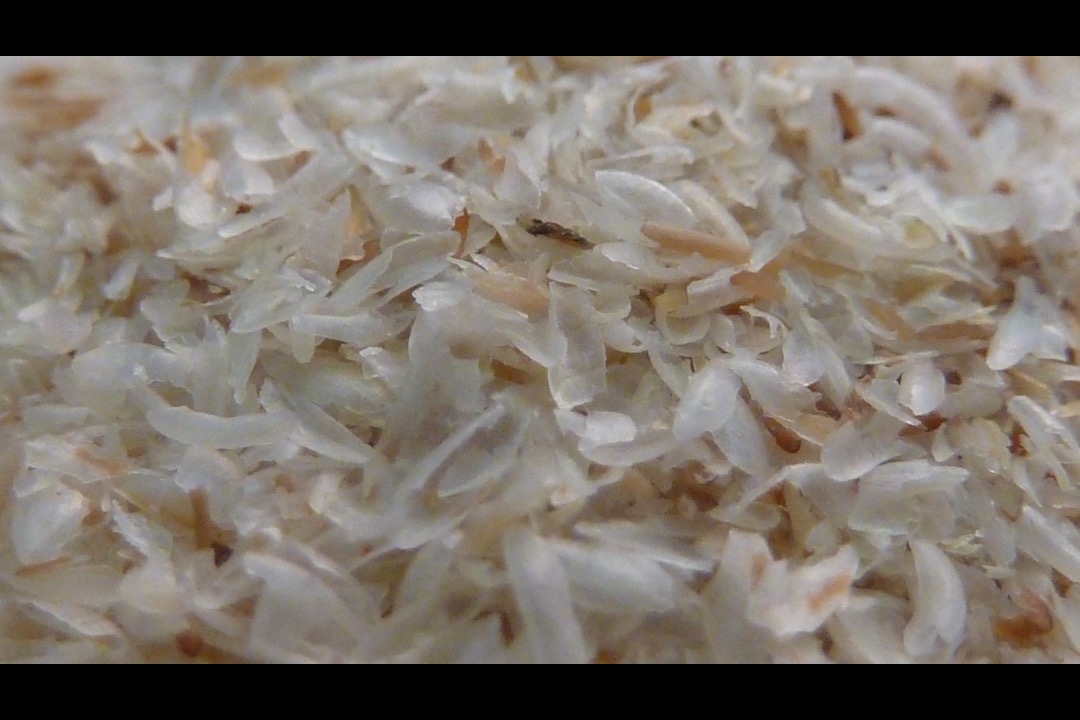
Fiber is one of the most clinically underrated interventions in primary care. The average American adult consumes only 10 to 15 grams of dietary fiber daily against an adequate intake target of 25 grams for women and 38 grams for men — a gap that contributes directly to constipation, elevated LDL cholesterol, poor glycemic control, and disrupted gut microbiome balance. As a physician, I have watched patients spend considerable time and money on gut health protocols that would have been resolved in four weeks with a well-chosen fiber supplement and a straightforward ramp-up schedule. The challenge is that not all fiber supplements are equivalent, and choosing the wrong one — particularly a fermentable prebiotic for a patient with SIBO or IBS — can make symptoms worse, not better.
The marketplace is cluttered. Psyllium, wheat dextrin, acacia, inulin, methylcellulose, FOS, and various fiber blends all claim similar benefits, but they differ meaningfully in their mechanism, tolerability, and contraindications. Psyllium is the only fiber with an FDA-authorized heart-health claim for LDL cholesterol reduction. Wheat dextrin is the gentlest during the ramp-up window. Inulin is excellent for healthy gut microbiomes but can worsen bloating in IBS patients. Acacia is low-FODMAP. The right product depends on what you are trying to solve — constipation, cholesterol, satiety, diabetic glycemic control, or gut microbiome support — and on comorbidities like IBS, SIBO, celiac disease, or medication interactions.
This review evaluates seven fiber supplements selected for real clinical relevance across the most common patient profiles. We prioritized products with verified ingredient sourcing, clinically-appropriate dose ranges, and strong real-world tolerability. If you are also addressing broader digestive or nutritional goals, our best probiotics guide covers the microbiome side, and our probiotics vs. prebiotics comparison explains when to layer them with fiber for additive benefit.
Find the Best Fiber Supplement for Your Need
Jump straight to the pick that matches your goal:
- Best fiber supplements overall — our top picks reviewed
- Best for constipation and regularity
- Best for hemorrhoids
- Best for IBS
- Best for weight loss
- Best for women
- Best for gut health and digestion
- Best for keto and low-carb
- More use cases: diverticulosis, cholesterol, diarrhea, men, diabetes
How We Chose These Fiber Supplements
Our selection process combined clinical evidence with real-world consumer data. We prioritized fiber sources with published efficacy for specific clinical endpoints — LDL reduction, constipation relief, glycemic attenuation, and IBS tolerability — over products making broad gut-health claims. We cross-referenced Amazon review volume and rating distributions (each product in this roundup has more than a thousand verified reviews), third-party certification status (USDA Organic, Non-GMO Project Verified, NPA GMP), and the formulation details that matter clinically: fiber type, dose per serving, added sugars, sugar alcohols, allergens, and compatibility with medication timing. We deliberately included options across all three delivery formats — powder, capsule, and gummy — because no single format works for every patient, and we intentionally excluded high-inulin products from the top picks given the contraindications for IBS and SIBO patients who make up a meaningful share of the readership.
If you’re considering psyllium specifically for cholesterol management, run your latest lab values through our free cholesterol ratio calculator first — the AHA-cited bands for non-HDL cholesterol and the Atherogenic Index of Plasma make it easier to see whether a 5–10% LDL reduction is the lever that actually moves your worst-marker tier. If your panel didn’t report an LDL value at all, our free LDL calculator derives it from total cholesterol, HDL, and triglycerides using two published equations side by side, and flags the cases where the two disagree about whether you’re at goal.
Best Fiber Supplements Overall
These are the seven supplements that earned a place in this guide, each reviewed in full below. The Metamucil 4-in-1 is our best overall pick for the widest range of patients; the use-case sections after the reviews then match specific situations — constipation, IBS, hemorrhoids, weight loss, gut health, keto, and more — to the right pick from this same lineup.
1. Metamucil 4-in-1 Psyllium Husk Fiber Supplement, Sugar-Free Orange Powder, 114 Teaspoons — Best Overall
Metamucil has been the clinical-standard fiber supplement for decades, and it holds that position on evidence. Psyllium husk is the only fiber supplement with an FDA-authorized heart-health claim for LDL cholesterol reduction — a claim that required formal review of randomized controlled trial data demonstrating that 7 to 10 grams of psyllium daily produces a clinically meaningful 5 to 10 percent reduction in LDL. The mechanism is elegant: the gel that psyllium forms in the small intestine binds bile acids, forcing the liver to draw from circulating cholesterol to synthesize replacement bile. No other fiber category has matched this evidence base.
This specific SKU is the sugar-free orange formulation in a 114-serving container. The sugar-free version matters because the original orange Metamucil contains sucrose, which defeats the glycemic-control rationale for patients with diabetes or prediabetes. At one daily 4-gram serving, this container provides close to four months of fiber — the best cost-per-day of any psyllium powder in our review at this quality tier. For patients who want two daily doses to approach the 7-to-10-gram clinical threshold for cholesterol reduction, the container still provides about two months of supply.
A note on which Metamucil listing to buy, because this trips people up: the sugar-free orange powder is sold on Amazon in several container sizes, and they are not equally available. The largest one has spent recent months with no featured offer at all, leaving only third-party resellers at roughly double the shelf price. We link the 114-serving container because it is the size that is reliably stocked with a normal buy box. It is the identical formula.
The honest limitation is the aspartame sweetener, which some patients prefer to avoid. For those patients, our Himalaya organic whole-husk pick below delivers the same psyllium with no additives, at a slightly larger per-serving dose — at a somewhat higher per-serving cost. Also critical: always take psyllium with at least 8 ounces of water, drunk promptly. The FDA labeling warning about esophageal obstruction exists because psyllium’s gel-forming mechanism, which is the feature, also creates a genuine choking hazard if the product is consumed dry or with insufficient fluid. This is not a theoretical concern; cases are reported in the literature annually.

Metamucil 4-in-1 Psyllium Husk Fiber Supplement, Sugar-Free Orange Powder, 114 Teaspoons
by Metamucil
The clinical gold-standard psyllium powder — roughly four months of heart-claim fiber at the lowest daily cost, in the sugar-free format appropriate for diabetic patients.
Pros
- Psyllium husk is the only fiber with an FDA-authorized heart-health claim for LDL cholesterol reduction — this product delivers it at a clinically relevant 4g per serving
- 114-serving container runs close to four months at one daily dose, at a cost-per-day that undercuts every other psyllium powder reviewed here
- Sugar-free orange formulation avoids the glycemic load of the original Metamucil — appropriate for diabetic and pre-diabetic patients
- Doctor #1 recommended fiber brand per Metamucil's longstanding physician surveys, giving it the strongest institutional track record in the category
Cons
- Must be taken with at least 8 ounces of water per FDA labeling — patients who drink it slowly or skip the water risk esophageal blockage
- Contains aspartame — some patients prefer the Himalaya whole-husk or Thorne prebiotic powders for a cleaner label
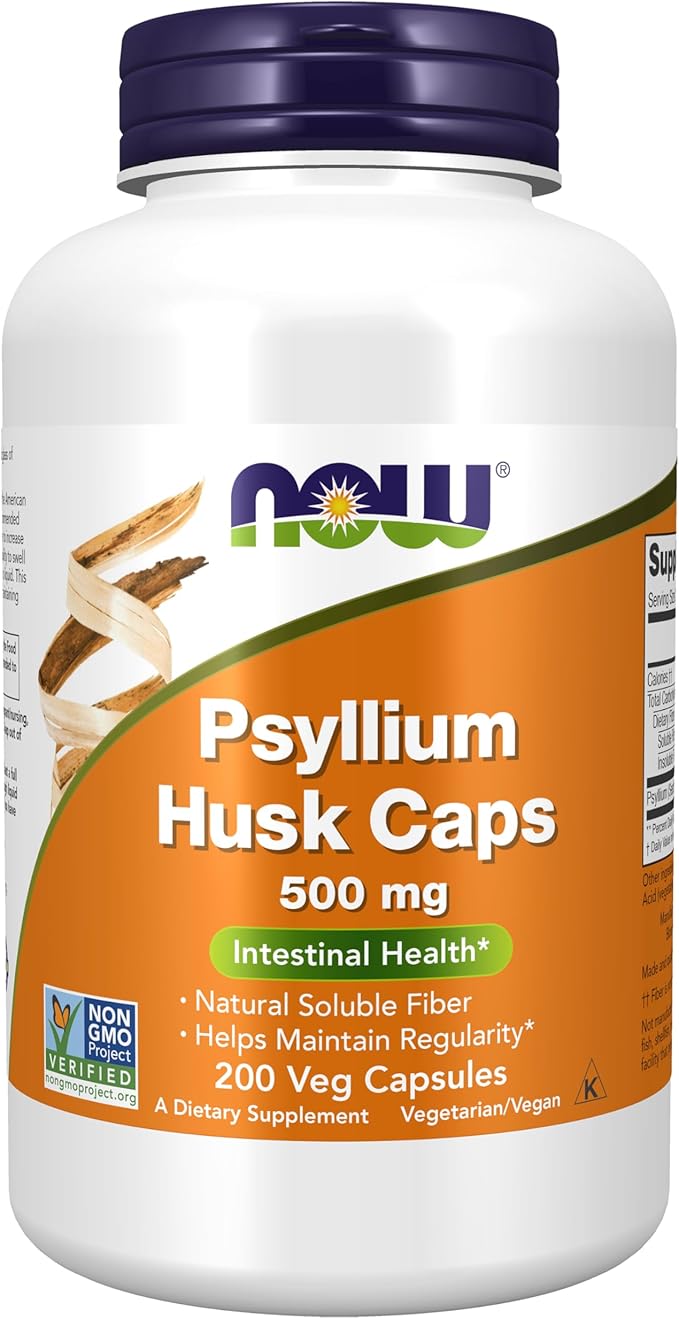
2. NOW Foods Psyllium Husk Caps 500mg — Best Budget
NOW Foods has operated since 1968 as a family-owned supplement manufacturer with its own production facility and extensive third-party testing program — an unusual combination at the budget price point. This psyllium husk capsule product is Non-GMO Project Verified and NPA GMP certified, which is genuinely meaningful quality signaling for a budget supplement. The capsules are vegetarian, unflavored, and completely additive-free beyond the capsule shell itself.
The practical trade-off is capsule burden. At 500mg of psyllium per capsule, hitting a clinical 1.5-gram daily dose requires three capsules, and approaching the 7-to-10-gram cholesterol-reduction threshold requires roughly 14 to 20 capsules daily — which is not practical. I recommend this product specifically for patients whose goal is mild daily fiber supplementation rather than aggressive cholesterol correction, or for patients who travel frequently and need a pill-format fiber that does not require water preparation. For aggressive dosing, a psyllium powder will always be more practical.
The other consideration is transit time. Capsules must dissolve in the stomach before the psyllium activates, which slows the onset of gel formation and can reduce satiety effects compared to a pre-dissolved powder. For weight management or appetite control, powders work better. For maintenance GI regularity or travel convenience, capsules are entirely adequate.
NOW Foods Psyllium Husk Caps 500mg, Non-GMO Project Verified, 200 Veg Capsules
by NOW Foods
The cheapest clean-label psyllium on Amazon — ideal for patients who want the flavor-free capsule format and are willing to take multiple caps per dose.
Pros
- Under six cents per serving — the lowest cost-per-dose psyllium supplement on Amazon at this quality tier
- Non-GMO Project Verified plus NPA GMP certification — independently-verified quality assurance rare at this price point
- Vegetarian capsule shell and unflavored — avoids the sweeteners, dyes, and flavoring agents that exclude many clean-label patients
- NOW Foods has operated since 1968 with an owned-manufacturing, third-party-tested track record that most private-label competitors lack
Cons
- Three capsules only deliver about 1.5g of psyllium — patients targeting 10-15g total need 6-10 capsules daily, which creates a significant pill burden
- Capsule format means slower gastric transit than powder — may take longer to feel satiety or transit effects compared to psyllium powder
3. Thorne FiberMend Prebiotic Fiber Powder — Upgrade / Low-FODMAP Pick
This is the upgrade pick for patients who need daily fiber but cannot tolerate the bloating, gas, and cramping that psyllium produces in sensitive guts. Thorne built FiberMend around Sunfiber — a partially hydrolyzed guar gum (PHGG) that is one of the most clinically studied low-FODMAP soluble fibers available. PHGG has randomized controlled trial support in both IBS with constipation and IBS with diarrhea, and unlike fermentable prebiotics such as inulin and FOS, it ferments slowly and gently rather than producing the rapid gas load that drives so many IBS patients to abandon fiber in the first week. For the patient who has tried psyllium and found it intolerable, this is the formulation that changes the equation.
Thorne’s clinical credentials matter here in a way they rarely do in the supplement aisle. The brand is third-party contents certified, is among the most frequently clinician-recommended supplement lines, and supplies several professional sports organizations — the kind of independent verification that a physician audience reasonably weights heavily given that supplements are not FDA-approved before sale. The powder dissolves completely and is genuinely tasteless, which means patients can add it to coffee, a protein shake, or oatmeal without the orange aftertaste or grit of other options. The prebiotic blend of larch arabinogalactan and apple pectin layers in additional GI-flora and immune support beyond simple bulking, making this a reasonable bridge product for patients also working on microbiome health.
The honest limitations are price and adaptation. In a 30-serving container, this is the most expensive option in the roundup by a wide margin on a cost-per-serving basis — appropriate for a patient who has a specific tolerability problem to solve, less so for routine cost-conscious supplementation. And like any fiber, a subset of users report an adjustment week of mild stomach upset or transient constipation as the gut adapts; starting at half a scoop and ramping over two to three weeks minimizes this. Patients layering fiber with probiotics may want to read our probiotics vs. prebiotics guide to understand how a PHGG prebiotic interacts with microbiome supplementation.

Thorne FiberMend Prebiotic Fiber Powder
by Thorne
Thorne's prebiotic powder uses Sunfiber (partially hydrolyzed guar gum), one of the most clinically studied low-FODMAP soluble fibers, making it the upgrade pick for patients who need daily fiber without the bloating or gas psyllium often causes.
Pros
- Clinically validated low-FODMAP Sunfiber (partially hydrolyzed guar gum) base that reviewers consistently say causes no bloating, gas, or cramping unlike psyllium
- Dissolves completely and is truly tasteless — patients add it to coffee, shakes, or oatmeal without any texture or grit
- Trusted clinical brand — third-party contents certified, the #1 clinician-recommended supplement brand, and used by professional sports teams, giving strong E-E-A-T for a medical audience
- Prebiotic blend of larch arabinogalactan and apple pectin adds immune and GI-flora benefits beyond basic fiber bulking
Cons
- Premium price — by a wide margin the most expensive per serving in this roundup, in a small 30-serving container
- Some users report a digestive adjustment week with initial stomach upset or constipation, typical of any fiber adaptation period
4. Metamucil 3-in-1 Fiber Capsules, 300ct — Runner-Up Capsule Pick
For patients who want the Metamucil clinical credentials but cannot or do not want to drink fiber powder, this 300-count capsule product provides the best dose density in the capsule category. At 2.4 grams of psyllium per 5-capsule serving, it delivers a clinically meaningful dose in capsule form — roughly 60 percent of a Metamucil powder scoop per serving. Sixty servings per bottle means two months of once-daily supply, or one month if a patient takes two doses daily to approach the cholesterol-reduction threshold.
The advantages over the NOW Foods budget pick are straightforward: higher psyllium per capsule means fewer capsules per dose, and the Metamucil brand carries the decades-long clinical-trial evidence base that underpins the category. The product is unflavored, so it avoids the orange taste and aspartame that define the Metamucil powder. For patients who travel, have pill fatigue, or simply do not want to drink their fiber, this is the rational choice.
The limitations are format-inherent. Five capsules per dose is a meaningful pill burden — for patients already managing multiple daily supplements or medications, adding five more psyllium capsules can push total daily pill count uncomfortably high. Pair this product with a weekly pill organizer if you are managing a complex regimen. Also, capsule-format psyllium does not produce the pre-meal gastric fill that powdered psyllium provides, so satiety effects for weight management are diminished.

Metamucil 3-in-1 Fiber Capsules, Daily Psyllium Husk Supplement, 300ct
by Metamucil
The highest-dose psyllium capsule from a trusted brand — for patients who want the Metamucil clinical credentials without the powder or the flavoring.
Pros
- 2.4g of psyllium husk per 5-capsule serving — the highest concentrated psyllium capsule dose on Amazon from a major brand
- Unflavored capsules avoid the sweeteners and flavoring in powdered Metamucil — ideal for patients who dislike orange or dislike drinking fiber
- 60 servings per bottle at 5 caps per day — two months of supply at the clinical-standard dose
- Plant-based, doctor-recommended formulation with the same psyllium evidence base as the Metamucil powder
Cons
- Five capsules per dose is a meaningful pill burden — patients already on multiple daily supplements may prefer a single-scoop powder
- Capsule format does not promote satiety the way dissolved psyllium powder does — patients using fiber for weight management may get less benefit
5. Metamucil Fiber Gummies, No Sugar Added Orange, 120 Count — Best Gummy Pick
Fiber gummies deserve an honest clinical appraisal. Most drugstore fiber gummies deliver 2 to 3 grams of fiber per serving and contain 6 to 10 grams of added sugar — a formulation that partially defeats the metabolic purpose of the supplement. Metamucil’s no-sugar-added formulation solves that problem. At 5 grams of Fibersol-2 (a hydrolyzed, predominantly soluble corn fiber) per 4-gummy dose, this product delivers a clinically meaningful per-serving dose, with sugar replaced by erythritol and maltitol. For patients who cannot swallow capsules or tolerate powder, this gummy makes clinically meaningful fiber intake accessible.
Two specific patient populations benefit from this format. Elderly patients with dysphagia or pill-swallowing difficulty often cannot take Metamucil powder (the 8-ounce water bolus is a choking risk for some) or capsules (the size is an obstacle). Gummies solve both issues. Patients on GLP-1 agonists (semaglutide, tirzepatide) frequently report reduced fluid tolerance due to delayed gastric emptying; the Metamucil gummies are GLP-1 friendly precisely because they do not require water for dissolution. For GLP-1 users who need to maintain fiber intake despite reduced appetite and meal volume, gummies are the practical choice.
The caveats matter. Fibersol-2 does not carry the FDA heart-health claim that psyllium has — patients whose primary goal is LDL reduction should pick a psyllium product. Sugar alcohols, while non-glycemic, can cause gas or loose stools in sensitive individuals; start with 2 gummies and titrate to 4 over a week. And at 30 servings per bottle, this has a shorter supply window than the powders. For most users, the gummies are a supplementary format rather than the primary fiber source.

Metamucil Fiber Gummies for Adults, No Sugar Added Orange Flavor, 120 Count
by Metamucil
The best-tolerated fiber format for patients with pill fatigue or dysphagia — no added sugar and GLP-1 compatible, at the clinical-minimum 5g dose.
Pros
- 5g of soluble fiber (Fibersol-2, hydrolyzed corn fiber) per 4-gummy dose — highest-fiber gummy in our lineup
- No added sugar formulation — uses erythritol and maltitol instead, avoiding the glycemic spike of most fiber gummies
- Orange flavor and chewable format is the easiest fiber for patients with pill-swallowing difficulty or dysphagia
- GLP-1 friendly — Fibersol-2 does not require water for dissolution, avoiding the fluid-intolerance issue GLP-1 patients often have
Cons
- Fibersol-2 (soluble corn fiber) does not carry the FDA heart-health claim that psyllium does — patients targeting LDL should use a psyllium product instead
- Sugar alcohols can cause gas or loose stools in sensitive individuals — start with 2 gummies and titrate up
- 30 servings per bottle is a shorter supply window than the powder format
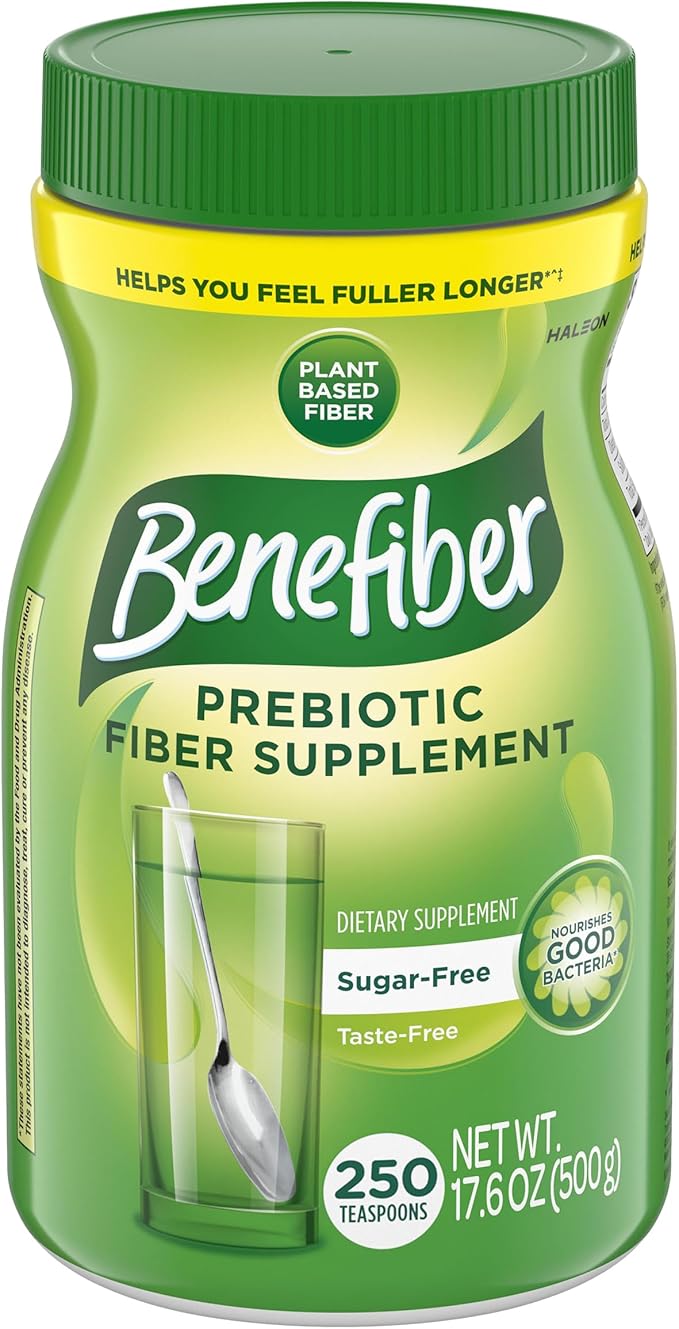
6. Benefiber Daily Prebiotic Fiber Supplement Powder, 250 Servings — Best Invisible Fiber
Benefiber’s wheat dextrin formulation fills a specific clinical niche: fiber that dissolves completely clear and tasteless, with no texture and no flavor, in any beverage. For patients who have tried psyllium or acacia and found the gel texture intolerable, this is the answer. Wheat dextrin disperses in water, coffee, tea, or juice with no visible residue and no perceptible taste. Compliance data in the gastroenterology literature consistently shows that patients who can take their fiber with their normal beverages adhere to supplementation roughly twice as well as patients who must drink a distinct fiber preparation.
The clinical tolerability profile is also notable. Wheat dextrin is generally better tolerated during the first two weeks of use than psyllium — it produces less gas, less bloating, and less immediate GI disruption during the ramp-up window. This matters because the single largest reason patients abandon fiber supplements is first-week intolerance; a gentler ramp product increases the chance that the patient will still be taking fiber at week four. At 250 servings per container, this is the longest-supply-window product in the review, roughly eight months at a single daily dose.
The limitations are worth noting clearly. Despite the “wheat” in the name, wheat dextrin is processed to remove gluten below the 20 parts-per-million threshold required for gluten-free labeling, and the product carries a gluten-free certification. Patients with severe celiac disease or wheat allergy nonetheless often prefer a non-wheat fiber source like psyllium or acacia for absolute avoidance — this is a reasonable patient-preference call. The 3-gram dose per serving is also on the lower end, so patients targeting 10 or more grams of daily supplemental fiber will need to use multiple scoops, which affects overall cost. For cholesterol reduction, wheat dextrin does not carry the FDA psyllium claim.
Benefiber Daily Prebiotic Fiber Supplement Powder, Unflavored, 250 Servings
by Benefiber
The most discreet fiber in our review — dissolves clear in any liquid, tolerated by the widest range of patients during ramp-up, at the lowest per-serving texture burden.
Pros
- Wheat dextrin dissolves completely clear and tasteless in water, coffee, or any beverage — the best 'invisible' fiber option for patients who cannot tolerate texture
- 250 servings per container — roughly eight months at a daily dose, the longest supply window in our review
- Wheat dextrin is generally better tolerated in the first two weeks than psyllium — less bloating during ramp-up for sensitive patients
- GLP-1 friendly — does not require the 8-ounce fluid bolus psyllium requires
Cons
- Despite the 'wheat' in the name, it is processed to be gluten-free, but patients with severe celiac disease may still prefer psyllium or acacia for an absolute non-wheat source
- 3g per serving is on the lower end — patients targeting 10-15g daily need 3-5 scoops, which increases cost-per-day
- Wheat dextrin does not carry the psyllium cholesterol claim
7. Himalaya USDA Organic Psyllium Whole Husk Powder, Unflavored, 12 oz — Best Clean-Label Psyllium
For patients who want the evidence-based benefits of psyllium without any of the flavoring, sweeteners, dyes, or additives in mainstream brands, Himalaya’s Organic Psyllium Whole Husk Powder is the clean-label alternative. The ingredient list is exactly one item: organic psyllium whole husk. The product is USDA Organic certified, Non-GMO Project Verified, vegan, and gluten-free, made in a cGMP-certified facility by a manufacturer that has been family-owned since 1930 — a combination that no mainstream drugstore fiber product matches. At 5 grams of fiber per 1-tablespoon serving, it delivers a slightly larger single dose than the flavored Metamucil powder.
The whole-husk format deserves a brief mechanistic note. Most commercial psyllium products use milled or micronized psyllium, which improves mixability and reduces texture but also reduces the gel-forming viscosity. Whole-husk psyllium produces a denser, stickier gel, which is more effective for stool bulking and for satiety effects. For patients using fiber specifically for weight management or for stubborn constipation where other psyllium products have underperformed, this whole-husk format often outperforms.
Himalaya mills this to 99 percent husk and 1 percent seed coat. That ratio is the specification worth reading on any whole-husk product, because the husk is the fraction that gels and the seed coat largely is not — two products can both say whole husk and differ meaningfully in how much gel you actually get per gram. The trade-off is in preparation and taste. Whole-husk psyllium has a coarser mouthfeel than milled versions — best mixed into juice, a smoothie, or yogurt rather than plain water. The taste is earthy rather than neutral, which is acceptable in a flavored beverage but unpleasant in water. Patients who specifically want the Metamucil orange experience will not find it here. The 12-ounce container provides a 56-tablespoon supply, putting the per-serving cost modestly higher than the budget NOW Foods capsules but well below specialty brands. For patients managing chronic constipation, pairing this with appropriate fluid intake and — when needed — an occasional laxative is a reasonable stepped approach; see our best laxatives guide and best stool softeners review for tiered constipation management beyond fiber alone.

Himalaya USDA Organic Psyllium Whole Husk Powder, Unflavored, 12 oz
by Himalaya
Pure organic whole-husk psyllium with no additives — the clean-label alternative for patients who want Metamucil's fiber type without the flavorings or sweeteners.
Pros
- USDA Organic certified whole psyllium husk — no added flavors, sweeteners, dyes, fillers, gluten, soy, corn, or dairy
- 5g of psyllium fiber per 1-tablespoon dose — a higher single-serving dose than the flavored Metamucil powder, from a one-item ingredient list
- Non-GMO Project Verified, vegan, and gluten-free, produced in a cGMP-certified facility by a family-owned manufacturer operating since 1930
- Milled to 99 percent husk and only 1 percent seed coat, which is the fraction that actually forms the gel — better stool bulking and satiety per gram than blends carrying more seed
Cons
- Whole husk texture is coarser than Metamucil's processed powder — some patients find it harder to mix smoothly
- Unflavored psyllium taste is earthy — best mixed into juice or a smoothie rather than plain water
Best Fiber Supplement for Constipation and Regularity
For chronic constipation and day-to-day regularity, bulk-forming soluble fiber is the clinical first line — it draws water into the stool, increases stool mass, and stimulates the normal stretch reflex that moves the bowel. Psyllium has the strongest evidence base for this indication, with a gentle prebiotic as the option for patients who want a tasteless everyday alternative. Take any of these with a full glass of water and ramp the dose gradually.
| Product | Price | Buy |
|---|---|---|
| Metamucil 4-in-1 Psyllium Husk Fiber Supplement, Sugar-Free Orange Powder, 114 TeaspoonsBest overall for regularity Clinical-standard 4g psyllium dose that bulks and softens stool reliably | $29.99 | View on Amazon |
| NOW Foods Psyllium Husk Caps 500mg, Non-GMO Project Verified, 200 Veg CapsulesBest capsule for regularity Travel-friendly psyllium capsules — take 3–6 with water for daily regularity | $11.00 | View on Amazon |
| Benefiber Daily Prebiotic Fiber Supplement Powder, Unflavored, 250 ServingsBest gentle prebiotic Tasteless wheat dextrin that dissolves clear and is gentle during ramp-up | $22.98 | View on Amazon |
Best Fiber Supplement for Hemorrhoids
Hemorrhoid management is one of the clearest indications for fiber: bulk-forming psyllium softens the stool and reduces the straining that both causes and aggravates hemorrhoids, which is why it is the clinical first line ahead of any topical product. A clean whole-husk psyllium or a low-grit prebiotic both work; the priority is consistent daily use with adequate hydration.
| Product | Price | Buy |
|---|---|---|
| Metamucil 4-in-1 Psyllium Husk Fiber Supplement, Sugar-Free Orange Powder, 114 TeaspoonsBest stool-softening psyllium Bulk-forming psyllium softens stool to reduce straining — the clinical first line | $29.99 | View on Amazon |
| Himalaya USDA Organic Psyllium Whole Husk Powder, Unflavored, 12 ozBest organic whole-husk Pure organic whole-husk psyllium with no additives for daily softening | $19.49 | View on Amazon |
| Benefiber Daily Prebiotic Fiber Supplement Powder, Unflavored, 250 ServingsBest low-grit option Tasteless wheat dextrin for patients who cannot tolerate psyllium texture | $22.98 | View on Amazon |
Best Fiber Supplement for IBS
IBS demands a low-FODMAP, gently fermenting soluble fiber — the fermentable prebiotics inulin and FOS reliably worsen bloating and gas in this population. Partially hydrolyzed guar gum (Sunfiber/PHGG) has randomized controlled trial support in both IBS-C and IBS-D, making it the preferred choice; wheat dextrin is a gentle, widely tolerated second option. Avoid high-inulin blends entirely.
| Product | Price | Buy |
|---|---|---|
| Thorne FiberMend Prebiotic Fiber PowderBest low-FODMAP for IBS Sunfiber PHGG has RCT support in both IBS-C and IBS-D with minimal gas | $45.00 | View on Amazon |
| Benefiber Daily Prebiotic Fiber Supplement Powder, Unflavored, 250 ServingsBest gentle prebiotic for IBS Wheat dextrin is tasteless and gentle during the critical first two weeks | $22.98 | View on Amazon |
Best Fiber Supplement for Weight Loss
For appetite control, soluble psyllium forms a gel that slows gastric emptying and increases the sensation of fullness, which is the mechanism behind fiber’s satiety benefit — taken 15 to 30 minutes before meals with water, it can blunt how much you eat at the meal that follows. It also pairs reasonably well with GLP-1 regimens, though fiber is a supportive measure rather than a weight-loss treatment in its own right.
| Product | Price | Buy |
|---|---|---|
| Metamucil 4-in-1 Psyllium Husk Fiber Supplement, Sugar-Free Orange Powder, 114 TeaspoonsBest for appetite & satiety Gel-forming psyllium powder slows gastric emptying for pre-meal fullness | $29.99 | View on Amazon |
| Metamucil 3-in-1 Fiber Capsules, Daily Psyllium Husk Supplement, 300ctBest portable for on-the-go Same psyllium evidence in a capsule for travel and away-from-home meals | $22.99 | View on Amazon |
Best Fiber Supplement for Women
Women often prioritize an easy daily format that fits a busy routine alongside a clinically proven powder for the days that call for a full dose. A no-sugar-added gummy removes the water-bolus and pill-swallowing barriers entirely, while the Metamucil 4-in-1 powder remains the workhorse for regularity, cholesterol, and glycemic goals.
| Product | Price | Buy |
|---|---|---|
| Metamucil Fiber Gummies for Adults, No Sugar Added Orange Flavor, 120 CountBest easy daily format No-sugar-added 5g gummy — easiest format with no water bolus required | $23.99 | View on Amazon |
| Metamucil 4-in-1 Psyllium Husk Fiber Supplement, Sugar-Free Orange Powder, 114 TeaspoonsBest clinically proven powder Clinical-standard psyllium powder for regularity, LDL, and glycemic control | $29.99 | View on Amazon |
Best Fiber Supplement for Gut Health and Digestion
For feeding a healthy gut microbiome, prebiotic soluble fibers that ferment into short-chain fatty acids are the goal — but the fermentation should be gentle enough to avoid bloating. A PHGG-based prebiotic offers the most flora benefit with the least gas, wheat dextrin is the easy everyday prebiotic, and organic whole-husk psyllium covers patients who prefer a single-ingredient option.
| Product | Price | Buy |
|---|---|---|
| Thorne FiberMend Prebiotic Fiber PowderBest prebiotic for flora PHGG plus larch arabinogalactan and apple pectin for gentle flora support | $45.00 | View on Amazon |
| Benefiber Daily Prebiotic Fiber Supplement Powder, Unflavored, 250 ServingsBest everyday prebiotic Tasteless wheat dextrin prebiotic that dissolves clear in any beverage | $22.98 | View on Amazon |
| Himalaya USDA Organic Psyllium Whole Husk Powder, Unflavored, 12 ozBest organic psyllium Single-ingredient USDA Organic whole-husk psyllium for clean-label users | $19.49 | View on Amazon |
Best Fiber Supplement for Keto and Low-Carb
On keto, the priority is a low-glycemic, low-net-carb fiber that supports regularity without disrupting ketosis. A PHGG prebiotic is low-glycemic and gentle, while unflavored psyllium capsules add bulk with essentially zero net carbs and no sweeteners — both avoid the sugar and sugar alcohols found in many fiber products.
Our free keto macros calculator gives you a daily fiber target alongside your net carbs, and shows the total-carb figure that target implies on a food label. Most people on keto land well short of it from food alone.
| Product | Price | Buy |
|---|---|---|
| Thorne FiberMend Prebiotic Fiber PowderBest low-glycemic prebiotic Low-glycemic Sunfiber PHGG that supports regularity without disrupting ketosis | $45.00 | View on Amazon |
| NOW Foods Psyllium Husk Caps 500mg, Non-GMO Project Verified, 200 Veg CapsulesBest zero-net-carb psyllium Unflavored psyllium capsules add fiber bulk with negligible net carbs | $11.00 | View on Amazon |
Best Fiber Supplements by Use Case
Beyond the major needs above, a few more clinical situations come up often. Here is the quick-decision pick for each — every one drawn from the seven supplements reviewed above, with a live Amazon link so you can check the current price:
| Product | Price | Buy |
|---|---|---|
| Metamucil 4-in-1 Psyllium Husk Fiber Supplement, Sugar-Free Orange Powder, 114 TeaspoonsBest for diverticulosis Bulk-forming psyllium is the clinical first line for diverticular regularity | $29.99 | View on Amazon |
| Metamucil 4-in-1 Psyllium Husk Fiber Supplement, Sugar-Free Orange Powder, 114 TeaspoonsBest for cholesterol Soluble psyllium carries the FDA heart-health claim for LDL reduction | $29.99 | View on Amazon |
| Himalaya USDA Organic Psyllium Whole Husk Powder, Unflavored, 12 ozBest for diarrhea / loose stools Organic whole-husk psyllium absorbs water to firm loose stools (Benefiber is the alternative) | $19.49 | View on Amazon |
| Metamucil 4-in-1 Psyllium Husk Fiber Supplement, Sugar-Free Orange Powder, 114 TeaspoonsBest for men Clinical-standard psyllium dose for regularity and cardiovascular support | $29.99 | View on Amazon |
| Benefiber Daily Prebiotic Fiber Supplement Powder, Unflavored, 250 ServingsBest for diabetes / blood sugar Prebiotic fiber that helps blunt post-meal glucose — pair with consistent timing | $22.98 | View on Amazon |
Buyer's Guide
Choosing the right fiber supplement means matching the fiber type, source, dose, and form to your specific goal — constipation relief, cholesterol reduction, glycemic control, or IBS symptom management all benefit from different formulations. The wrong choice can worsen symptoms; the right choice produces meaningful, clinically-validated outcomes.
Fiber Type (Soluble, Insoluble, Fermentable)
Soluble fibers (psyllium, acacia, wheat dextrin, oat beta-glucan) dissolve in water to form a gel, slow gastric emptying, bind cholesterol-containing bile acids, and moderate blood glucose. Insoluble fibers (wheat bran, cellulose) add bulk and accelerate transit — useful for constipation but potentially aggravating for IBS. Fermentable fibers (inulin, FOS, some acacia) feed gut bacteria and produce short-chain fatty acids, which is beneficial for gut health but can cause bloating and gas in SIBO or IBS-sensitive patients. Most people do best with predominantly soluble, minimally fermentable fibers — which is why psyllium has been the clinical standard for decades.
Fiber Source (Psyllium, Wheat Dextrin, Acacia, Inulin, Methylcellulose)
Psyllium husk is the most evidence-backed fiber and the only one with an FDA-authorized heart-health claim for LDL cholesterol reduction. Wheat dextrin (Benefiber) is well-tolerated and tasteless but lacks the cholesterol claim. Partially hydrolyzed guar gum (PHGG/Sunfiber, the base of Thorne FiberMend) is well-tolerated by IBS patients, low-FODMAP, and has RCT support in both IBS-C and IBS-D; acacia gum is a similar low-FODMAP option. Inulin and FOS are highly fermentable prebiotics — excellent for healthy gut microbiomes but contraindicated for SIBO, IBS-C, and FODMAP-sensitive patients. Methylcellulose (Citrucel) is a synthetic, non-fermentable fiber that works similarly to psyllium but without the organic-label profile. Pick your source based on what you are trying to fix.
Dose Per Serving (3-10g Target)
The U.S. adequate intake target is 25g/day for women and 38g/day for men. Since most Americans consume only 10-15g from food, supplementation closes a 10-20g gap. A single fiber supplement scoop usually provides 3-5g. Start with one daily dose and ramp up over 2-3 weeks to avoid bloating: week 1 at 5g/day, week 2 at 10g/day, week 3 at 15g/day, then titrate to your target while ensuring you drink at least 32 ounces of additional water daily. Exceeding 15g/day from supplements alone rarely provides added benefit and increases the risk of GI side effects.
Form (Powder, Capsule, Gummy) and Its Trade-offs
Powders deliver the largest dose per serving and are the most effective for satiety and stool bulking because the gel formation begins in the glass. They require mixing and drinking. Capsules are pill-burden-heavy (5 caps for a single 2.4g dose) but require no taste tolerance or water preparation — ideal for travel and for patients who cannot tolerate fiber texture. Gummies are the easiest for patients with pill-swallowing difficulty but carry the lowest fiber density per calorie and often include sugar alcohols that can cause GI symptoms. For primary cholesterol or satiety goals, powders are strongly preferred; for convenience and compliance, capsules or gummies are acceptable substitutes.
Third-Party Testing and Certifications
Supplements are not FDA-approved before sale — quality assurance depends on manufacturer controls and independent verification. USP Verified and NSF Certified for Sport are the most rigorous third-party programs, though few fiber supplements currently hold either. Non-GMO Project Verified, USDA Organic, and Gluten-Free certifications are more common and meaningful signals that the product's ingredient sourcing and processing have been independently audited. GMP facility certification is required by law and confirms process quality, not product content. For daily fiber, USDA Organic plus Non-GMO Project Verified (Himalaya), third-party contents certification (Thorne), or Non-GMO Project Verified (NOW Foods) plus a well-established manufacturer represents strong quality assurance.
Special Considerations (Low-FODMAP, Organic, Added Sugars, Medication Timing)
Patients with IBS or SIBO should choose low-FODMAP soluble fibers — psyllium or acacia — and avoid inulin and FOS. Diabetic and pre-diabetic patients should avoid added-sugar formulations (many mainstream Metamucil SKUs include sugar; the sugar-free orange or the capsule format is appropriate). Patients on levothyroxine, warfarin, digoxin, or metformin must separate fiber by 2 hours from medication doses. Patients on GLP-1 agonists (Ozempic, Wegovy, Mounjaro) often have reduced fluid tolerance — gummies or wheat dextrin are better tolerated than psyllium powder, which requires the full 8-ounce water bolus. Celiac patients should confirm gluten-free certification even on wheat-dextrin products.
How to Choose the Best Fiber Supplement
Match the fiber to the clinical goal. For LDL cholesterol reduction, choose psyllium — it is the only fiber with an FDA-authorized heart-health claim, and the evidence base is unambiguous. For constipation relief, psyllium or a combination of psyllium with appropriate hydration is first-line. For IBS management, psyllium is clinical-guideline-endorsed, with low-FODMAP partially hydrolyzed guar gum (PHGG/Sunfiber) as a well-tolerated alternative for patients who do not tolerate psyllium’s gel. For SIBO patients in active overgrowth, avoid fiber supplements entirely until the overgrowth is treated; once in remission, psyllium is the least fermentable and therefore safest re-introduction. For diabetic or pre-diabetic patients seeking glycemic attenuation, any soluble fiber taken 10 to 15 minutes before meals is effective; pick the format the patient will actually use. For GLP-1 agonist users, gummies or wheat dextrin are easier to tolerate than psyllium powder given reduced fluid tolerance on these medications.
Three procedural rules apply universally. First, ramp up gradually over 2 to 3 weeks — week 1 at 5 grams daily, week 2 at 10 grams, week 3 at 15 grams, then titrate to your target. Attempting to start at 25 grams on day one reliably produces bloating, gas, and abandonment of the supplement. Second, drink at least 32 ounces of additional water daily when supplementing fiber; this is not optional, particularly with psyllium, where inadequate fluid is both a choking hazard and a constipation-worsening factor. Third, separate fiber from prescription medications by at least 2 hours. Levothyroxine, warfarin, digoxin, metformin, tricyclic antidepressants, and lithium are the most notable interactions, but the 2-hour rule is a safe default for any medication.
Final Verdict
For the majority of adults seeking a daily fiber supplement, Metamucil 4-in-1 Psyllium Husk Sugar-Free Orange Powder remains the clearest recommendation. It delivers psyllium — the only fiber with an FDA-authorized heart-health claim — at a clinically meaningful 4-gram dose, in a sugar-free format appropriate for diabetic and pre-diabetic patients, at the best cost-per-day of any psyllium powder at this quality tier. Its 4.7-star Amazon rating matches what the brand’s decades of clinical use would predict: the formula is consistent from tub to tub.
If price is the primary constraint, NOW Foods Psyllium Husk Caps deliver genuine USDA Non-GMO Project Verified psyllium at under six cents per serving, with the additional benefit of a travel-friendly capsule format. For IBS patients or anyone who does not tolerate psyllium, the Thorne FiberMend Prebiotic Fiber Powder provides a psyllium-free, low-FODMAP PHGG-based alternative with RCT support in both IBS-C and IBS-D and a third-party-certified clinical pedigree. For GLP-1 users or patients with dysphagia, the Metamucil no-sugar-added fiber gummies make clinically meaningful fiber accessible in a format that does not require a water bolus.
Whichever product you choose, commit to the ramp-up protocol, maintain adequate hydration, and respect the 2-hour medication separation rule. Fiber is one of the highest-yield, lowest-risk supplements in primary care when used properly — and the compliance gap between a clinically appropriate product and an inappropriate one (especially a fermentable prebiotic for an IBS patient) is often the difference between a successful four-week outcome and another failed intervention. As always, consult your healthcare provider for personalized recommendations, particularly if you are managing diabetes, cardiovascular disease, IBS, SIBO, or chronic medication regimens. For patients also tracking cardiovascular markers alongside fiber supplementation, our best blood pressure monitors guide and best electrolyte powders review cover two companion areas worth addressing.
Frequently Asked Questions
Is it safe to take a fiber supplement every day?
What is the best fiber supplement for IBS?
Can fiber supplements interfere with medications?
When is the best time of day to take fiber?
When is the best time to take fiber for weight loss?
Should I take a fiber supplement if I have SIBO or a very sensitive stomach?
Related Articles
About the Reviewer

Dr. David Taylor, MD, PhD
Drexel University College of Medicine (MD), Indiana University School of Medicine (PhD)
Dr. David Taylor is a licensed physician and medical researcher who founded BestRatedDocs in 2016. With an MD from Drexel University and a PhD from Indiana University School of Medicine, he combines clinical expertise with a passion for health technology to provide evidence-based product recommendations. Dr. Taylor specializes in health informatics and regularly evaluates medical devices, diagnostic equipment, and therapeutic products to help healthcare professionals and patients make informed decisions.