Probiotics vs Prebiotics: An MD's Guide to Understanding the Difference
Dr. David Taylor explains the difference between probiotics and prebiotics — how each works, food sources, health benefits, supplement guidance, and who should avoid them.
Updated
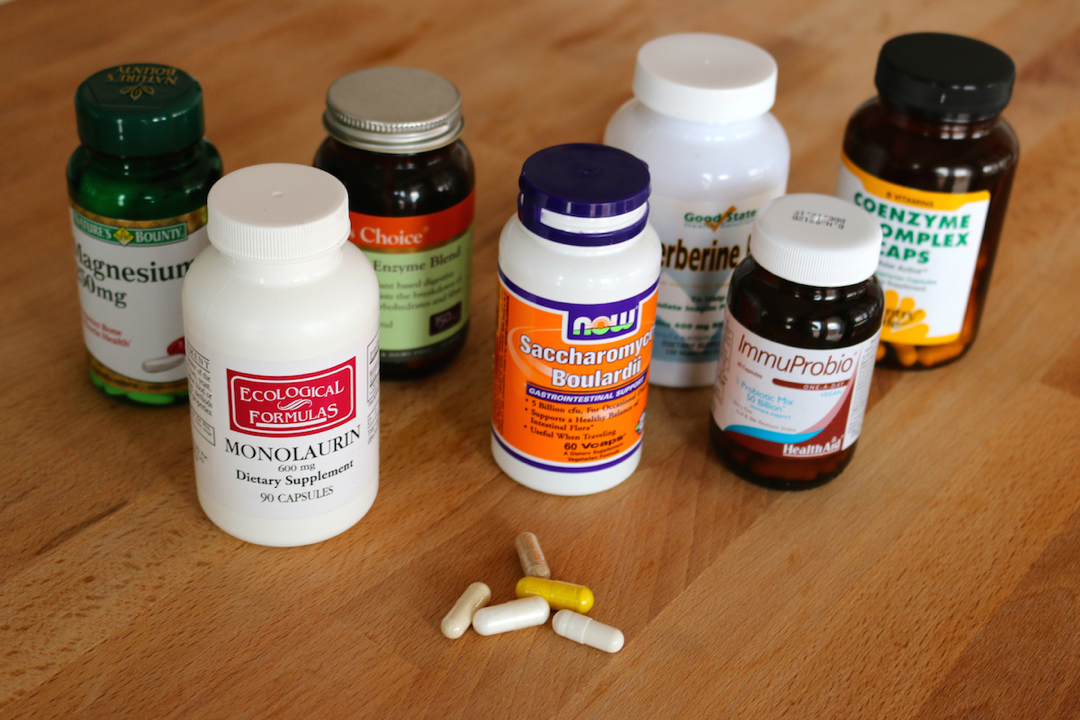
The terms probiotics and prebiotics are separated by a single letter, which is part of what makes them so confusing — but the distinction between them is clinically significant. As a physician who counsels patients on digestive health daily, I find that most people either confuse the two, assume they are interchangeable, or have no idea that prebiotics exist at all. The result is wasted money on supplements that do not match their actual health needs.
Here is the essential difference: probiotics are live microorganisms that add beneficial bacteria to your gut. Prebiotics are specialized plant fibers that feed the beneficial bacteria already living there. One introduces new residents; the other feeds the current ones. Both are important for gut health, but they work through entirely different mechanisms, and understanding those mechanisms is the key to making informed decisions about your digestive health.
This guide covers the science behind each, compares them directly, explains the emerging categories of synbiotics and postbiotics, and provides practical guidance on food sources, supplementation, and who should exercise caution — all grounded in the current clinical evidence.
What Are Probiotics?
Probiotics are live microorganisms — primarily bacteria, but also certain yeasts — that confer a health benefit when consumed in adequate amounts. That definition, established by the World Health Organization and the International Scientific Association for Probiotics and Prebiotics, contains two critical qualifiers that most consumers overlook: the organisms must be alive at the time of consumption, and they must be present in sufficient quantities to actually do something.
Your gut harbors roughly 38 trillion bacteria representing hundreds of species, collectively called the gut microbiome. This microbial community influences digestion, nutrient absorption, immune function, and even mood through the gut-brain axis. Probiotics work by temporarily augmenting this community with specific strains that have demonstrated health benefits in clinical trials.
Key Probiotic Strains and Their Evidence
Not all probiotic strains are equivalent. Clinical benefits are strain-specific, meaning Lactobacillus rhamnosus GG has different effects than Lactobacillus acidophilus NCFM, even though both belong to the Lactobacillus genus. The most well-studied strains include:
- Lactobacillus rhamnosus GG — the single most researched probiotic strain, with strong evidence for preventing antibiotic-associated diarrhea and treating acute infectious diarrhea in children. Over 300 clinical trials support its efficacy.
- Bifidobacterium longum — shown to reduce bloating and improve bowel regularity in IBS patients. Multiple strains within this species have demonstrated anti-inflammatory effects in the gut lining.
- Saccharomyces boulardii — a beneficial yeast (not a bacterium) with robust evidence for preventing Clostridioides difficile recurrence and traveler’s diarrhea. Because it is a yeast, it is unaffected by antibiotics, making it particularly useful during antibiotic courses.
- Lactobacillus plantarum 299v — clinically studied for IBS symptom relief, particularly abdominal pain and bloating, with multiple randomized controlled trials demonstrating superiority over placebo.
When most people shop for probiotics, they focus almost exclusively on CFU count — the number of colony-forming units — while ignoring which strains are included. A 100-billion CFU supplement with unstudied strains is less useful than a 10-billion CFU product containing strains with clinical evidence behind them. Our best probiotics guide breaks down the top products by strain, dosing, and clinical evidence to help navigate this complexity.
How Probiotics Work in the Gut
Probiotic bacteria do not typically colonize the gut permanently. Instead, they transit through the gastrointestinal tract over one to three weeks, exerting their effects along the way. These effects include:
- Competitive exclusion — occupying space and consuming nutrients that pathogenic bacteria would otherwise use
- Barrier function — strengthening the intestinal mucus layer and tight junctions between epithelial cells, reducing intestinal permeability (sometimes called leaky gut)
- Immune modulation — interacting with gut-associated lymphoid tissue (GALT) to balance inflammatory and anti-inflammatory immune responses
- Metabolite production — generating short-chain fatty acids, vitamins (particularly B vitamins and vitamin K), and antimicrobial compounds that benefit the host
This transient nature is why consistency matters with probiotics. The benefits persist while you are taking them regularly but tend to diminish within weeks of discontinuation.
What Are Prebiotics?
Prebiotics are non-digestible food components — primarily specialized plant fibers and certain oligosaccharides — that selectively stimulate the growth or activity of beneficial bacteria already residing in your colon. Unlike probiotics, which introduce external organisms, prebiotics work by feeding your existing microbiome.
The human digestive system lacks the enzymes to break down prebiotic fibers in the stomach and small intestine. These fibers arrive intact in the colon, where resident bacteria — particularly Bifidobacterium and Lactobacillus species — ferment them and produce short-chain fatty acids (SCFAs) as metabolic byproducts. These SCFAs, primarily butyrate, propionate, and acetate, are where much of the health benefit originates.
Types of Prebiotic Fibers
- Inulin — a fructan found in chicory root, garlic, onions, and asparagus. The most widely studied prebiotic fiber, with consistent evidence for increasing Bifidobacterium counts in the colon. Typical effective dose is 5 to 10 grams daily.
- Fructooligosaccharides (FOS) — shorter-chain fructans with similar effects to inulin but faster fermentation. Found naturally in bananas, onions, and wheat. Often used in supplement formulations due to a mildly sweet taste.
- Galactooligosaccharides (GOS) — derived from lactose, these selectively promote Bifidobacterium growth and have strong evidence in infant gut health. Also studied for reducing symptoms of IBS and improving calcium absorption.
- Resistant starch — found in cooked and cooled potatoes, green bananas, and legumes. Resists digestion in the upper GI tract and functions as a prebiotic in the colon, with emerging evidence for improving insulin sensitivity.
The Short-Chain Fatty Acid Connection
The SCFAs produced by prebiotic fermentation are arguably the most important output of a healthy gut microbiome. Butyrate in particular serves as the primary energy source for colonocytes — the cells lining your colon — and has demonstrated anti-inflammatory, anti-cancer, and barrier-strengthening properties in both animal and human studies. Propionate influences cholesterol metabolism and appetite regulation, while acetate enters systemic circulation and affects peripheral tissues including the brain. Maintaining adequate prebiotic intake is one reason proper hydration matters for digestive health — the combination of fiber and fluid supports optimal gut transit and fermentation, which is why I also recommend reviewing our guide to the best electrolyte powders if you are increasing your fiber intake.
Probiotics vs Prebiotics: Key Differences
| Feature | Probiotics | Prebiotics |
|---|---|---|
| What they are | Live microorganisms (bacteria, yeasts) | Non-digestible plant fibers |
| How they work | Add beneficial microbes to the gut | Feed existing beneficial microbes |
| Primary sources | Yogurt, kefir, sauerkraut, supplements | Garlic, onions, bananas, chicory root, legumes |
| Survival challenge | Must survive stomach acid and bile salts | Inherently acid-stable, reach colon intact |
| Storage requirements | Many require refrigeration | Shelf-stable at room temperature |
| Colonization | Temporary (1-3 weeks transit) | N/A — feeds resident bacteria permanently |
| Onset of effects | Days to weeks depending on indication | 1-4 weeks as microbiome composition shifts |
| Key output | Competitive exclusion, immune modulation | Short-chain fatty acid production (butyrate) |
| Risk of side effects | Low; rare bacteremia in immunocompromised | Gas and bloating during adaptation period |
The critical takeaway from this comparison is that probiotics and prebiotics are not competing interventions — they are complementary. Probiotics bring in reinforcements; prebiotics ensure those reinforcements (and your existing beneficial bacteria) have the fuel they need to thrive.
What About Synbiotics and Postbiotics?
Two newer categories are gaining attention in the gut health space, and understanding them now will prevent confusion as they become more mainstream.
Synbiotics combine a probiotic and a prebiotic in a single product, designed so the prebiotic component specifically feeds the included probiotic strain. A true synbiotic is not just any probiotic mixed with any fiber — the International Scientific Association for Probiotics and Prebiotics specifies that the components should be designed to work together synergistically. Clinical trials on synbiotics have shown improved outcomes for IBS, inflammatory bowel disease, and metabolic syndrome compared to either component alone.
Postbiotics are the bioactive compounds produced by probiotic bacteria during fermentation — including SCFAs, enzymes, cell wall fragments, and antimicrobial peptides. The concept is that you can capture the health benefits of probiotics without needing to deliver live organisms. This is particularly relevant for immunocompromised patients who cannot safely take live bacteria. Postbiotic research is earlier-stage than probiotics or prebiotics, but several products containing heat-killed Lactobacillus strains or purified butyrate are now available and showing promise in clinical trials for gut barrier support and inflammation reduction.
Health Benefits of Probiotics and Prebiotics
Digestive Health
The most established benefit for both probiotics and prebiotics is improved digestive function. Probiotics have strong evidence for antibiotic-associated diarrhea prevention, IBS symptom management, and acute gastroenteritis recovery. Prebiotics improve bowel regularity by increasing stool bulk and water content through SCFA-mediated mechanisms — effects that complement what you might achieve with best stool softeners or best laxatives for occasional constipation, though prebiotics address the underlying cause rather than just the symptom.
Immune Function
Approximately 70 percent of the immune system resides in gut-associated lymphoid tissue. Both probiotics and prebiotics modulate immune function: probiotics through direct interaction with immune cells in the intestinal wall, and prebiotics through SCFA-mediated regulation of regulatory T cells and reduction of pro-inflammatory cytokines. Multiple meta-analyses have found that regular probiotic use reduces the incidence and duration of upper respiratory infections by 12 to 47 percent depending on the strain and population studied.
The Gut-Brain Axis
The bidirectional communication pathway between the gut microbiome and the central nervous system — the gut-brain axis — is one of the most active areas of microbiome research. Certain probiotic strains, termed psychobiotics, have demonstrated effects on anxiety, depression, and stress response in clinical trials. Prebiotics also influence this axis: a 2015 study published in Psychopharmacology found that GOS supplementation reduced cortisol awakening response and shifted attention away from negative stimuli, effects resembling those of anti-anxiety medications.
Anti-Inflammatory Effects
Chronic low-grade inflammation underlies many chronic diseases, and the gut microbiome is a major regulator of systemic inflammation. Butyrate produced from prebiotic fermentation inhibits NF-kB, a master inflammatory transcription factor, while specific probiotic strains promote anti-inflammatory cytokine production. This anti-inflammatory effect complements other evidence-based anti-inflammatory strategies — for example, curcumin from best turmeric supplements works through similar NF-kB inhibition pathways, and some researchers are exploring whether combining turmeric with probiotic supplementation produces additive benefits.
The GLP-1 Connection
An emerging and particularly exciting area of research involves the gut microbiome’s influence on GLP-1 (glucagon-like peptide-1) secretion. GLP-1 is the hormone targeted by blockbuster weight management drugs like semaglutide. Short-chain fatty acids produced from prebiotic fermentation — particularly butyrate and propionate — stimulate GLP-1 release from enteroendocrine L-cells in the colon. While no one is suggesting prebiotics can replace GLP-1 receptor agonists, optimizing your gut microbiome through prebiotic intake may support natural GLP-1 production and contribute to improved blood sugar regulation and appetite signaling.
Best Food Sources
Probiotic Foods
Fermented foods are the original probiotics, consumed by human cultures for thousands of years before the term was coined. The richest dietary sources include:
- Kefir — contains 12 to 50 different bacterial and yeast strains, making it significantly more diverse than yogurt. The fermentation process also partially breaks down lactose, making it tolerable for many lactose-intolerant individuals.
- Yogurt — look for labels stating “live and active cultures” and ideally listing specific strains. Avoid products with excessive added sugar, which can counteract the benefits by feeding pathogenic bacteria.
- Sauerkraut and kimchi — lacto-fermented vegetables that deliver probiotics alongside fiber, vitamins, and phytonutrients. Must be raw/unpasteurized to contain live organisms — the shelf-stable versions in regular grocery aisles are typically heat-treated.
- Miso and tempeh — fermented soy products with unique bacterial profiles. Tempeh also provides complete protein and is one of few plant sources of vitamin B12, a nutrient critical for nerve function that I cover in our best B12 supplements guide.
Prebiotic Foods
Most Americans consume only about 15 grams of total fiber daily, well below the 25 to 38 grams recommended — and prebiotic fiber intake is even lower. The best dietary sources include:
- Garlic and onions — rich in inulin and FOS. Cooking reduces but does not eliminate prebiotic content.
- Jerusalem artichokes (sunchokes) — the single richest food source of inulin at roughly 18 grams per 100 grams.
- Asparagus — contains 2 to 3 grams of inulin per serving.
- Bananas — particularly when slightly underripe, containing higher levels of resistant starch and FOS.
- Legumes — chickpeas, lentils, and kidney beans provide both GOS and resistant starch.
- Oats — contain beta-glucan, which has prebiotic properties in addition to its well-established cholesterol-lowering effects.
A diverse whole-food diet that includes both fermented foods and prebiotic-rich plant foods provides the broadest microbiome support — and it supplies essential minerals like iron whose absorption is enhanced by a healthy gut, as discussed in our best iron supplements guide.
When to Consider Supplements
Food-first is the right starting principle, but supplements make sense in specific situations:
Consider a probiotic supplement when:
- You are taking or recently completed a course of antibiotics (start the probiotic on day one of antibiotic therapy, separated by at least two hours)
- You have diagnosed IBS and want to try a targeted strain with clinical evidence for your symptom pattern
- You have recurrent C. difficile infection (Saccharomyces boulardii has the strongest evidence here)
- You are traveling to regions with high risk of traveler’s diarrhea
- Your diet does not include regular fermented food consumption
Consider a prebiotic supplement when:
- Your daily fiber intake consistently falls below 25 grams despite dietary efforts
- You have confirmed dysbiosis (gut microbiome imbalance) through stool testing
- You want to enhance the effectiveness of a concurrent probiotic supplement (synbiotic approach)
- You cannot tolerate the FODMAP content of prebiotic-rich foods (certain prebiotic supplements like partially hydrolyzed guar gum are better tolerated)
What to look for in a probiotic supplement:
- Specific strain designations (e.g., L. rhamnosus GG, not just “Lactobacillus blend”)
- CFU count guaranteed through expiration, not just at time of manufacture
- Third-party testing — USP, NSF, or ConsumerLab verification
- Appropriate delivery mechanism — delayed-release capsules or acid-resistant coatings improve survival through the stomach
Who Should Be Cautious
While probiotics and prebiotics are safe for the vast majority of adults, certain populations need medical guidance:
Immunocompromised individuals — patients on chemotherapy, organ transplant recipients on immunosuppressants, and those with advanced HIV/AIDS should not take live probiotics without physician approval. Although rare, probiotic bacteremia and fungemia (from Saccharomyces) have been reported in severely immunocompromised patients.
SIBO (Small Intestinal Bacterial Overgrowth) — both probiotics and prebiotics can worsen symptoms in patients with untreated SIBO by adding fuel to an already overgrown small intestinal bacterial population. If you experience significant bloating, gas, and abdominal distension within hours of taking either supplement, SIBO should be investigated with a hydrogen breath test before continuing. Managing digestive discomfort during this evaluation may involve best antacids for upper GI symptoms while the underlying issue is being diagnosed.
Drug interactions — probiotics can theoretically reduce the effectiveness of immunosuppressant medications. Prebiotics can alter the absorption kinetics of certain drugs by changing gut transit time and pH. If you take warfarin, cyclosporine, or methotrexate, discuss probiotic and prebiotic use with your prescribing physician.
Post-surgical patients — particularly after abdominal surgery when the intestinal barrier may be compromised. Wait until your surgeon clears you before introducing probiotic supplements.
How to Tell If They Are Working
One of the most common questions I hear in practice is how to know whether a probiotic or prebiotic is actually doing anything. Here is a practical timeline and the signs to watch for:
Weeks 1-2: If you are taking a probiotic for digestive symptoms, you should notice initial changes in bowel habit — often increased frequency or softer stools as your microbiome adjusts. Some temporary gas and bloating is normal and expected, particularly with prebiotics.
Weeks 2-4: Bloating and gas from the adaptation period should resolve. Bowel regularity should improve. If taking probiotics for IBS, abdominal pain reduction typically becomes noticeable in this window.
Weeks 4-8: This is the period where broader effects emerge — improved energy, better skin, reduced frequency of minor infections. These changes are subtler and require paying attention.
Positive signs it is working:
- More regular bowel movements with improved consistency (Bristol Stool Scale type 3 or 4)
- Reduced bloating after meals
- Less gas production
- Fewer episodes of loose stool or constipation
- Improved energy levels
- Better tolerance of foods that previously caused digestive distress
Signs to reassess:
- Persistent bloating beyond four weeks
- Worsening of symptoms at any point
- New symptoms not present before starting supplementation
- No noticeable change after eight weeks of consistent use
If a probiotic has not produced any noticeable benefit after eight weeks at an adequate dose, it is reasonable to try a different strain rather than increasing the dose of the same product. Different individuals respond to different strains based on their unique microbiome composition, and finding the right match sometimes requires experimentation. Maintaining overall nutritional support during this process — including a well-rounded intake of vitamins and minerals, which is especially important for women as outlined in our best multivitamins for women guide — provides the foundation on which probiotic and prebiotic interventions work best.
The gut microbiome is arguably the most complex ecosystem in human biology, and we are still in the early chapters of understanding it. What the current evidence supports clearly is that both probiotics and prebiotics play distinct, complementary roles in maintaining and restoring gut health. Starting with fermented foods and prebiotic-rich plants is the safest, most cost-effective first step. Targeted supplementation, guided by specific symptoms and strain-level evidence, adds precision when diet alone is not enough. And emerging categories like synbiotics and postbiotics will continue expanding our toolkit as the science matures.
Frequently Asked Questions
Why do some cardiologists warn against probiotics?
How long does it take for probiotics to start working?
Can you take probiotics and prebiotics at the same time?
Do prebiotics cause bloating, and how can you minimize it?
Are probiotic foods better than probiotic supplements?
Related Articles
About the Reviewer

Dr. David Taylor, MD, PhD
Drexel University College of Medicine (MD), Indiana University School of Medicine (PhD)
Dr. David Taylor is a licensed physician and medical researcher who founded BestRatedDocs in 2016. With an MD from Drexel University and a PhD from Indiana University School of Medicine, he combines clinical expertise with a passion for health technology to provide evidence-based product recommendations. Dr. Taylor specializes in health informatics and regularly evaluates medical devices, diagnostic equipment, and therapeutic products to help healthcare professionals and patients make informed decisions.