7 Best Antacids of 2026
A physician's guide to the best OTC antacids — calcium carbonate, famotidine, omeprazole, and liquid formulations reviewed for speed of relief, duration, safety, and value.
Updated
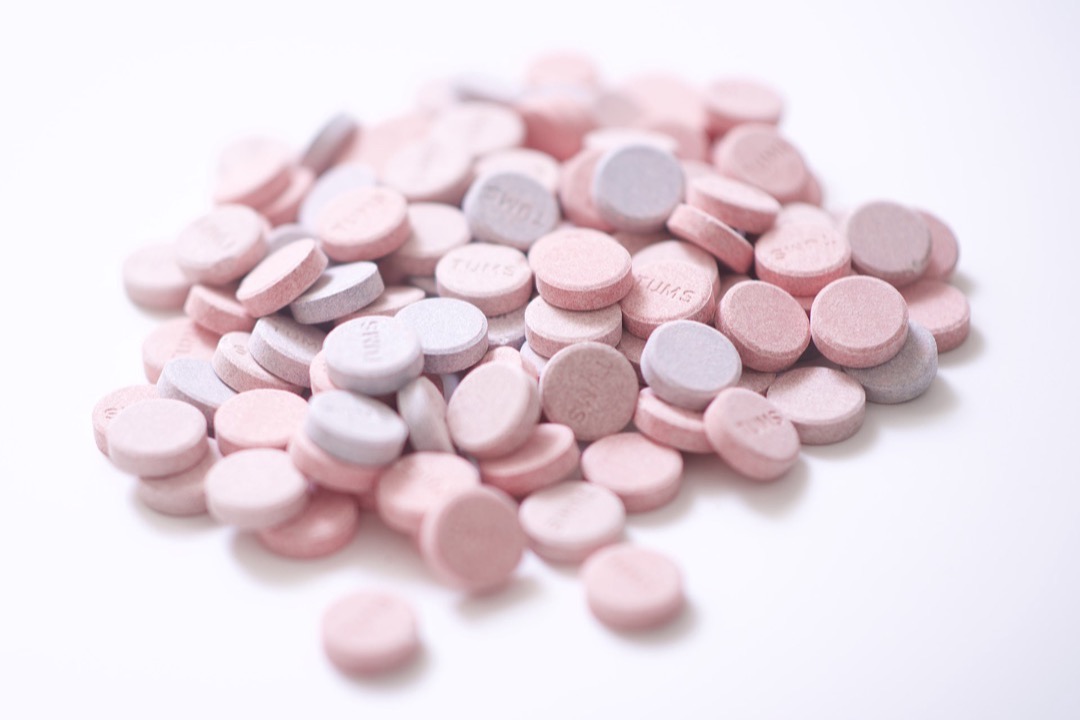
Gastroesophageal reflux — the backflow of stomach acid into the esophagus — is one of the most prevalent conditions in Western medicine, affecting an estimated 20% of the US adult population on a weekly basis. The prevalence of heartburn, acid indigestion, and sour stomach has been climbing steadily alongside rising obesity rates, increased dietary reliance on processed and acidic foods, and a growing population of patients on medications that relax the lower esophageal sphincter. Despite this enormous disease burden, the OTC antacid aisle remains deeply confusing: calcium carbonate, aluminum hydroxide, magnesium hydroxide, famotidine, and omeprazole are all marketed as “heartburn relief,” but they work through fundamentally different pharmacological mechanisms with vastly different onset times, durations of action, side effect profiles, and appropriate use cases.
At BestRatedDocs.com, our reviews are informed by Dr. David Taylor’s clinical experience evaluating gastrointestinal pharmacology and patient outcomes across both primary care and specialist settings. In 2026, we reviewed the best OTC antacids available on Amazon, spanning four distinct drug classes: neutralizing antacids (calcium carbonate, aluminum/magnesium hydroxide), H2 receptor antagonists (famotidine), proton pump inhibitors (omeprazole), and combination products with physical barrier mechanisms (alginate-based). Our goal is to match you with the right acid-suppression strategy for your specific symptom pattern — because using a PPI for occasional heartburn is pharmacological overkill, while using a chewable antacid for frequent daily reflux is inadequate. For patients managing related GI symptoms, our best probiotics guide covers gut-health maintenance, and our best laxatives guide addresses the constipation that calcium-based antacids can cause.
After evaluating seven products across four drug classes and analyzing the clinical evidence behind each mechanism, here are our top antacid picks for 2026. The summary table below highlights the key differentiators at a glance.
How We Selected These Antacids
Our selection methodology prioritized pharmacological diversity and clinical relevance over brand proliferation. Rather than reviewing seven calcium carbonate products with trivial flavor differences, we included representatives from all four major OTC acid-suppression classes — neutralizing antacids, H2 blockers, proton pump inhibitors, and alginate-barrier formulations — to ensure that readers with different symptom patterns, frequencies, and medical histories find an appropriate product. We required a minimum of 4,000 verified Amazon reviews for established products, evaluated each product’s mechanism of action against its labeled indications, assessed onset time and duration of action from published pharmacokinetic data, and specifically reviewed drug interaction profiles because antacids affect the absorption of dozens of commonly prescribed medications. Products were evaluated for both efficacy and appropriate use — recommending the most powerful acid suppression for every patient would be irresponsible medicine.
1. TUMS Ultra Strength Chewable Antacid Tablets — Best Overall
Calcium carbonate remains the gold standard for episodic heartburn relief for a reason that is rooted in basic chemistry: it is the most potent acid-neutralizing compound available in a chewable OTC format. Each TUMS Ultra Strength tablet contains 1000 mg of calcium carbonate, which reacts directly with hydrochloric acid in the stomach through a simple neutralization reaction: CaCO3 + 2HCl produces CaCl2 + H2O + CO2. This reaction begins within seconds of the calcium carbonate dissolving in gastric fluid, and measurable pH elevation occurs within 5-10 minutes — the fastest onset of symptom relief of any product in this guide. No other antacid mechanism can match this speed for acute breakthrough heartburn.
The TUMS brand has been the physician-recommended standard for OTC heartburn relief for over nine decades, and its market position is earned through consistent performance rather than marketing alone. The 4.8-star average across more than 7,400 verified Amazon reviews reflects real-world confirmation of what the pharmacology predicts: rapid, reliable acid neutralization for the majority of occasional heartburn episodes. The assorted berry flavor profile is genuinely pleasant — a consideration that matters more than it might appear, because antacid compliance depends on patients being willing to chew and thoroughly masticate the tablet rather than simply swallowing it partially dissolved. Patients who struggle with gastrointestinal discomfort may also benefit from the electrolyte supplementation strategies we review separately, particularly when reflux episodes are accompanied by nausea or reduced oral intake.
The critical clinical limitation of all calcium carbonate antacids is duration: the neutralization reaction is self-limited, and acid secretion continues unabated — the stomach simply produces more acid after the carbonate is consumed. Effective relief typically lasts 30-60 minutes, which is sufficient for isolated postprandial heartburn but inadequate for patients experiencing reflux multiple times daily or through the night. The secondary concern is rebound acid hypersecretion: the transient pH elevation triggers gastrin release from G cells, which stimulates parietal cells to increase acid production — a compensatory mechanism that can create a cycle of antacid dependence in heavy users. For patients finding themselves reaching for TUMS more than twice a week, the underlying condition likely warrants step-up therapy to an H2 blocker or physician evaluation for GERD.

TUMS Ultra Strength Chewable Antacid Tablets, Assorted Berries
by TUMS
The physician's first-line recommendation for episodic heartburn — fastest onset of any antacid format with the strongest acid-neutralizing capacity per chewable tablet.
Pros
- Calcium carbonate 1000 mg per tablet delivers the highest neutralizing capacity of any chewable antacid — each dose neutralizes approximately 19.4 mEq of hydrochloric acid, providing rapid pH elevation in the gastric lumen within 5-10 minutes of chewing
- The #1 doctor-recommended antacid brand in the United States with a 4.8-star average across more than 7,400 verified reviews — decades of clinical use and pharmacovigilance data confirm an exceptional safety profile for episodic heartburn relief
- 160-count bottle at under ten dollars delivers outstanding per-dose economics, and the product is FSA/HSA eligible — making it the most cost-effective first-line treatment for occasional acid indigestion, sour stomach, and postprandial heartburn
- Gluten-free and kosher-certified with pleasant assorted berry flavors that make compliance easy — particularly relevant for patients who find liquid antacids or swallowable tablets unpalatable or difficult to take without water
Cons
- Calcium carbonate can cause rebound acid hypersecretion (acid rebound) when used frequently — the transient pH elevation triggers compensatory gastrin release, which stimulates parietal cells to produce more acid after the antacid is metabolized
- High-dose or chronic calcium carbonate use may cause constipation, hypercalcemia, and in rare cases milk-alkali syndrome — patients consuming more than 7,000 mg of calcium carbonate daily are at particular risk
- Chewable tablet format requires thorough mastication for optimal efficacy — patients who swallow tablets whole or with minimal chewing experience significantly slower acid neutralization and reduced bioavailability
2. Pepcid AC Maximum Strength Famotidine — Upgrade Pick
Famotidine represents a fundamentally different approach to acid control than calcium carbonate neutralization, and understanding this distinction is the most important pharmacological concept for any heartburn sufferer. Rather than neutralizing acid already present in the stomach, famotidine works upstream — it competitively blocks the histamine H2 receptor on the basolateral membrane of gastric parietal cells. Histamine, released by enterochromaffin-like (ECL) cells in the gastric mucosa, is one of three primary stimulatory signals for acid secretion (alongside acetylcholine and gastrin). By blocking this pathway, famotidine reduces both basal (fasting) and stimulated (meal-induced) acid production by 70-80%, providing a sustained reduction in gastric acidity that persists for up to 12 hours per dose.
The 12-hour duration is what makes Pepcid the upgrade pick in this guide. A single tablet taken 15-30 minutes before dinner provides acid suppression through the entire evening, overnight, and into the early morning hours — the period when supine positioning makes reflux episodes most frequent and most damaging to esophageal mucosa. For patients with nocturnal heartburn who wake up with chest pain, sore throat, or acid taste, Pepcid taken at bedtime is often transformative. The ability to take famotidine preventively before a known trigger meal — spicy food, citrus, alcohol, large fatty meals — provides a level of proactive symptom control that reactive antacids simply cannot match. Patients managing the GI consequences of reflux, such as disrupted gut microbiome from chronic acid changes, may find the probiotic recommendations in our companion guide a useful adjunct.
The 4.8-star average across more than 21,200 verified reviews makes Pepcid the most-reviewed H2 blocker on Amazon, with the review corpus providing strong evidence for both therapeutic and preventive efficacy. The trade-off for longer duration is slower onset: famotidine requires 15-30 minutes to achieve meaningful acid suppression, which means it is not the right choice for heartburn already in progress. The clinical strategy many gastroenterologists recommend is complementary use — keep a chewable antacid available for acute breakthrough symptoms while using famotidine as scheduled background therapy before meals or at bedtime. This combination provides both rapid rescue capability and sustained prevention.

Pepcid AC Maximum Strength 20mg Famotidine
by Pepcid
The upgrade pick for patients who need longer-lasting acid control — famotidine's H2 receptor blockade delivers up to 12 hours of relief per dose with preventive dosing capability.
Pros
- Famotidine 20 mg competitively blocks histamine H2 receptors on gastric parietal cells, reducing basal and stimulated acid secretion by 70-80% — a fundamentally different and longer-lasting mechanism than calcium carbonate neutralization
- Up to 12 hours of acid suppression per dose provides reliable overnight heartburn prevention — the only product in this guide that can be taken before dinner and maintain gastric pH control through the nocturnal acid breakthrough period
- 4.8-star average across more than 21,200 verified reviews — the highest review volume of any H2 blocker on Amazon — with consistently strong signals for both treatment of active heartburn and preventive use before known trigger meals
- Can be taken 15-30 minutes before meals to prevent heartburn proactively — a unique advantage over reactive antacids that can only be taken after symptoms begin, making it ideal for patients with predictable dietary triggers
Cons
- Onset of action is 15-30 minutes — significantly slower than the near-immediate relief of chewable calcium carbonate, which makes Pepcid suboptimal as a rescue medication for acute breakthrough heartburn already in progress
- Requires water to swallow the tablet, limiting convenience in situations where chewable antacids can be taken immediately without liquid
- Maximum dosing of two tablets per day limits flexibility for patients experiencing multiple acid episodes — patients who need more than 40 mg of famotidine daily should consult a gastroenterologist
3. Amazon Basic Care Omeprazole 20 mg — Budget Pick
Omeprazole is the most powerful acid-suppression medication available without a prescription, and its mechanism of action explains why. While antacids neutralize existing acid and H2 blockers reduce one pathway of acid production, omeprazole irreversibly inhibits the hydrogen-potassium ATPase enzyme (the proton pump) — the final common step in gastric acid secretion regardless of the upstream stimulatory signal. Whether acid production is driven by histamine, acetylcholine, or gastrin, all three pathways converge on the proton pump, and omeprazole blocks them all. The result is 95-97% suppression of 24-hour gastric acid output — a level of acid control that no antacid or H2 blocker can approach.
Amazon Basic Care omeprazole is therapeutically identical to brand-name Prilosec OTC — the same molecule, same dose, same delayed-release formulation, same FDA regulatory framework — at approximately one-third the price. The 42-tablet package provides three complete 14-day treatment courses, which is the maximum FDA-approved OTC regimen (one 14-day course, repeatable up to three times per year). With nearly 60,000 verified reviews and the #1 best-seller designation in the antacid category, this is the most battle-tested acid-suppression product on Amazon.
The critical clinical context that distinguishes omeprazole from every other product in this guide is its indication: omeprazole is appropriate for frequent heartburn — defined as heartburn occurring two or more days per week — not for occasional episodes. Patients who experience heartburn once after a spicy meal do not need a proton pump inhibitor; they need a TUMS. The onset delay (1-4 days to full effect) makes omeprazole useless as an acute rescue medication, and the structured 14-day course requirement means it is a commitment, not a convenience. Patients considering omeprazole should also be aware that PPIs affect nutrient absorption — calcium, magnesium, iron, and vitamin B12 absorption can all be reduced during PPI therapy, which is worth noting for patients also following our calcium supplement or iron supplement recommendations.

Amazon Basic Care Omeprazole 20 mg Delayed-Release Tablets
by Amazon Basic Care
The most effective and economical option for frequent heartburn — full-strength omeprazole at a fraction of brand-name Prilosec cost, backed by the largest review base on Amazon.
Pros
- Omeprazole 20 mg irreversibly inhibits the hydrogen-potassium ATPase proton pump — the final common pathway of all gastric acid secretion — providing the most complete acid suppression available without a prescription at 95-97% reduction in 24-hour acid output
- The #1 best seller in the antacid category on Amazon with nearly 60,000 verified reviews and a 4.7-star average — the most-reviewed acid-suppression product on the platform, reflecting massive real-world adoption and reliable efficacy
- Three 14-day treatment courses in a single package for under nine dollars — compared to brand-name Prilosec OTC at approximately three times the price, this delivers identical pharmacology at the lowest per-dose cost of any proton pump inhibitor
- 24-hour acid suppression per single daily dose eliminates the need for multiple daily dosing — the most convenient regimen for patients with frequent heartburn occurring two or more days per week
Cons
- Onset of meaningful acid suppression takes 1-4 days as omeprazole requires cumulative irreversible binding of proton pumps — this product is not appropriate for acute episodic heartburn that needs immediate relief
- Requires a structured 14-day treatment course and should not be used continuously beyond 14 days without physician consultation — OTC PPIs are FDA-approved for a maximum of three 14-day courses per year
- Long-term PPI use has been associated with increased risk of Clostridioides difficile infection, hypomagnesemia, vitamin B12 deficiency, and potential reduction in calcium absorption — risks that are minimal during the recommended 14-day OTC course but become clinically relevant with chronic unsupervised use
4. TUMS Extra Strength Chewable Tablets, 330 Count — Runner-Up
The TUMS 330-count Extra Strength bottle is the value-optimized format for households where heartburn is a shared family condition rather than an individual occurrence. At approximately five cents per tablet, it delivers the lowest per-dose cost of any antacid on Amazon — nearly half the per-tablet price of the Ultra Strength 160-count format. For families with two or three members who experience occasional heartburn, a single bulk bottle provides months of coverage at a fraction of the cost of individual smaller packages.
The pharmacological trade-off relative to the Ultra Strength formulation is a 25% reduction in acid-neutralizing capacity per tablet: 750 mg calcium carbonate versus 1000 mg. In practical terms, this means that a single Extra Strength tablet may not fully resolve a severe heartburn episode that one Ultra Strength tablet would — the patient may need to chew a second tablet. For mild-to-moderate heartburn after a moderately acidic meal, the difference is clinically negligible. For the acute, burning reflux that follows a large, fatty, spicy dinner with alcohol, the Ultra Strength tablet provides more reliable single-dose resolution.
The 27,400+ verified reviews — the highest review count of any chewable antacid product on Amazon — provide a massive real-world evidence base. The assorted fruit flavor profile (cherry, lemon, orange) provides welcome variety during periods of frequent use, though the consensus among reviewers is that the berry flavors in the Ultra Strength product are somewhat more palatable. The 330-count bottle is not designed for portability — it belongs in the medicine cabinet at home. Patients who need an antacid for travel, office, or pocket carry should purchase one of the smaller TUMS roll formats separately. For patients whose heartburn is accompanied by bloating and GI irregularity, the stool softener recommendations in our companion guide may address the constipation that regular calcium carbonate use can produce.

TUMS Extra Strength Chewable Tablets, Assorted Fruit
by TUMS
The best value bulk antacid for households — TUMS' most popular product delivers the lowest per-dose cost with the largest verified review base of any chewable antacid.
Pros
- 330-count bulk bottle delivers the best per-tablet value of any antacid on Amazon — approximately five cents per dose versus six to seven cents for the Ultra Strength 160-count, making it the most economical option for households with multiple heartburn sufferers
- Over 27,400 verified reviews with a 4.7-star average confirms exceptional batch consistency and broad consumer acceptance — the most-reviewed chewable antacid product on the platform by a significant margin
- Assorted fruit flavors (cherry, lemon, orange) provide variety that prevents flavor fatigue during periods of frequent use — a practical consideration for patients taking antacids multiple times daily during dietary indiscretion periods
- Same trusted TUMS calcium carbonate formulation that has been the OTC antacid standard for over 90 years — gluten-free, kosher, and FSA/HSA eligible with identical excipient safety as the Ultra Strength variant
Cons
- Extra Strength tablets contain 750 mg calcium carbonate versus 1000 mg in Ultra Strength — approximately 25% less acid-neutralizing capacity per tablet, requiring additional tablets to achieve equivalent symptom relief for severe heartburn episodes
- Large 330-count bottle is not travel-friendly — the standard bottle format lacks the individual roll packaging that makes smaller TUMS formats portable for pocket or purse carry
- Some users report that certain flavors in the assorted fruit mix (particularly cherry) have an artificial aftertaste that is less pleasant than the berry flavors in the Ultra Strength product
5. Gaviscon Extra Strength Cool Mint Liquid
Gaviscon operates through a mechanism that no other product in this guide replicates, and it is this unique mechanism that makes it the best antacid for a specific patient population. In addition to the standard acid-neutralizing action of aluminum hydroxide and magnesium carbonate, Gaviscon contains sodium alginate — a polysaccharide derived from brown seaweed — that reacts with gastric acid to form a buoyant gel (the “raft”) that floats on top of the gastric contents. This physical foam barrier sits at the gastric cardia and mechanically prevents the refluxate from reaching the esophagus. The raft mechanism has been validated in multiple clinical trials, including scintigraphic studies demonstrating that the alginate barrier remains intact and positioned at the gastroesophageal junction for 2-4 hours after dosing.
This mechanism is particularly valuable for patients with positional reflux — heartburn that worsens significantly when lying down, bending over, or reclining after meals. Traditional antacids neutralize acid but do nothing to prevent it from traveling retrograde through the lower esophageal sphincter. Gaviscon’s raft physically blocks this pathway. For patients with large hiatal hernias, where the anatomical anti-reflux barrier is mechanically compromised, this physical barrier approach can provide relief that neither antacids nor H2 blockers adequately deliver. Patients with nighttime reflux who elevate the head of their bed and still experience symptoms often find Gaviscon to be the product that finally provides adequate nocturnal control.
The practical limitations are inherent to the liquid format: the 12 oz bottle provides approximately 24 doses, making the per-dose cost higher than tablet alternatives. It requires shaking before use, ideally should be refrigerated after opening for palatability, and is not portable in the way that a few TUMS tablets in a pocket are. For patients who have identified positional or nocturnal reflux as their primary symptom pattern, these inconveniences are well justified by the superior mechanism of action for that specific indication.

Gaviscon Extra Strength Cool Mint Liquid
by Gaviscon
The best antacid for nighttime reflux — Gaviscon's unique foam-barrier mechanism physically prevents acid from reaching the esophagus, providing superior positional reflux control.
Pros
- Unique dual-action mechanism: aluminum hydroxide and magnesium carbonate neutralize existing stomach acid while sodium alginate forms a physical foam barrier (raft) that floats on the gastric contents — mechanically preventing acid reflux into the esophagus for up to 4 hours
- The foam-raft mechanism makes Gaviscon the most effective OTC antacid for positional reflux — particularly nocturnal reflux in patients who experience heartburn when lying down, as the physical barrier remains effective regardless of body position
- 4.7-star average across more than 5,800 verified reviews with consistently strong signals from nighttime reflux sufferers and patients with large hiatal hernias who find traditional antacids inadequate for positional symptoms
- Liquid format provides faster initial acid neutralization than tablets — the dissolved aluminum hydroxide begins neutralizing gastric acid within 2-3 minutes, even before the alginate raft fully forms
Cons
- Requires vigorous shaking before each dose and refrigeration after opening for optimal palatability — less convenient than grab-and-go tablet formats for office, travel, or bedside use
- Contains aluminum hydroxide, which can accumulate in patients with renal impairment — contraindicated in patients with significant chronic kidney disease (GFR below 30 mL/min) without nephrologist guidance
- 12 oz bottle provides approximately 24 doses — a significantly shorter supply than tablet formats at a comparable price point, making the per-dose cost higher than chewable alternatives
6. Mylanta Heartburn and Gas Relief Liquid
Mylanta addresses a clinical presentation that the other products in this guide do not: the combination of heartburn with gas-related bloating, pressure, and discomfort. This is not a trivial distinction — many patients experience reflux and functional dyspepsia simultaneously, with postprandial upper abdominal fullness, bloating, and belching accompanying the characteristic retrosternal burning. Mylanta’s triple-action formula combines two acid-neutralizing agents (aluminum hydroxide and magnesium hydroxide) with simethicone, an anti-foaming agent that reduces the surface tension of gas bubbles in the GI tract, allowing them to coalesce and be expelled more easily through belching or flatulence.
The balanced aluminum-magnesium formulation is pharmacologically elegant in its simplicity. Aluminum hydroxide alone causes constipation by reducing intestinal motility and increasing water absorption in the colon. Magnesium hydroxide alone causes osmotic diarrhea by drawing water into the intestinal lumen. Combined in balanced proportions, the opposing GI effects largely cancel each other out, producing a net-neutral effect on bowel habits for most patients — a meaningful advantage for daily or frequent use. This is the same pharmacological rationale behind the classic Maalox formulation that gastroenterologists have recommended for decades.
Mylanta’s status as the #1 doctor-recommended liquid antacid for over 25 years is reflected in its 14,400+ verified reviews — the largest review base of any liquid antacid on Amazon. The reformulated classic lemon mint flavor has been a notable improvement in recent production runs, addressing the palatability concerns that were the primary criticism of earlier versions. The limitation shared with all liquid antacids is portability — the 12 oz bottle is a medicine-cabinet product, not a carry-in-your-bag product. Patients who need portable heartburn relief alongside a liquid antacid at home should maintain a complementary stash of chewable tablets for on-the-go use.

Mylanta Heartburn and Gas Relief Liquid
by Mylanta
The best antacid for combined heartburn and gas — Mylanta's triple-action formula addresses acid, bloating, and pressure simultaneously with the strongest doctor-recommendation track record.
Pros
- Triple-action formula combining aluminum hydroxide, magnesium hydroxide, and simethicone — the only product in this guide that simultaneously neutralizes gastric acid and relieves gas-related bloating and pressure through simethicone's surface-tension-reducing defoaming action
- The #1 doctor-recommended liquid antacid for over 25 years with more than 14,400 verified reviews and a 4.7-star average — extensive clinical use and pharmacovigilance data provide the strongest evidence base of any liquid antacid formulation
- Smooth, non-chalky lemon mint formula represents a significant improvement over earlier Mylanta formulations — palatability is a genuine compliance factor in liquid antacid use, and the reformulated taste has been consistently praised in recent reviews
- Aluminum hydroxide and magnesium hydroxide provide complementary acid neutralization with opposing GI side effects — the aluminum component tends toward constipation while the magnesium component tends toward loose stools, resulting in a balanced net effect on bowel function
Cons
- Liquid format is inherently less portable than chewable tablets — carrying a 12 oz bottle in a bag or keeping one at a desk is impractical compared to a roll of TUMS, limiting convenience for on-the-go heartburn episodes
- Contains aluminum, which is contraindicated in significant renal impairment and should be used cautiously by patients on dialysis or with chronic kidney disease — aluminum accumulation can cause neurotoxicity in the setting of impaired renal clearance
- 12 oz bottle provides a limited number of doses and depletes quickly with regular use — patients using Mylanta multiple times daily may find themselves purchasing a new bottle every one to two weeks
7. Rolaids Ultra Strength Chewable Tablets
Rolaids Ultra Strength presents the strongest pharmacological argument of any chewable antacid in this guide, even though it does not carry our “Best Overall” designation — and that distinction illustrates the difference between pure acid-neutralizing potency and the broader clinical considerations that drive our recommendations. The dual-active formula — calcium carbonate 1000 mg plus magnesium hydroxide 200 mg — provides approximately 15% more acid-neutralizing capacity per tablet than TUMS Ultra Strength (calcium carbonate 1000 mg alone). The magnesium hydroxide contributes its own acid-neutralizing reaction (Mg(OH)2 + 2HCl produces MgCl2 + 2H2O) on top of the calcium carbonate neutralization, resulting in greater total milliequivalents of acid neutralized per chew.
The magnesium component delivers a second meaningful advantage: gastrointestinal tolerability. Calcium carbonate’s most common side effect is constipation, which is dose-dependent and becomes increasingly problematic with frequent use — particularly in elderly patients, pregnant women, and individuals already prone to slow transit. The magnesium hydroxide in Rolaids counteracts this tendency through its mild osmotic laxative effect, producing a more balanced net effect on bowel function than calcium-only antacids. For patients who have experienced constipation from TUMS and are reluctant to continue using calcium-only antacids, Rolaids provides a solution that maintains the rapid chewable-antacid onset while mitigating the most common side effect. Patients dealing with significant constipation concerns may also benefit from the dedicated guidance in our best laxatives guide.
The reason Rolaids does not earn our top pick despite its pharmacological advantages is practical: the 72-count bottle provides substantially fewer doses than the TUMS 160-count Ultra Strength at a higher per-tablet cost when bulk pricing is considered, and the TUMS brand has broader physician recommendation data and retail availability. For patients who prioritize maximum per-tablet potency with GI tolerability over per-dose economics, Rolaids is the superior chewable antacid.

Rolaids Ultra Strength Chewable Tablets, Assorted Fruit
by Rolaids
The most potent chewable antacid per tablet — Rolaids' dual-active calcium-magnesium formula neutralizes more acid than calcium alone with better GI tolerability.
Pros
- Dual-active formula combining calcium carbonate 1000 mg with magnesium hydroxide 200 mg — the magnesium component adds approximately 15% more acid-neutralizing capacity than calcium carbonate alone, making Rolaids Ultra Strength objectively more potent per tablet than TUMS Ultra Strength
- The magnesium hydroxide counterbalances calcium carbonate's constipating effect — calcium slows intestinal motility while magnesium promotes it, resulting in a more balanced GI side effect profile than single-active calcium-only antacids
- Works within seconds of chewing with a smooth, pleasant fruit flavor profile — reviewers consistently rank Rolaids among the best-tasting chewable antacids, which drives the repeat-use compliance that episodic heartburn management requires
- 72-count bottle at under five dollars offers an accessible entry price for patients trying antacids for the first time or testing whether chewable formats suit their preference before committing to larger bulk purchases
Cons
- 72-count bottle provides significantly fewer doses than TUMS value packs (160-330 count) — per-tablet cost is higher than TUMS when purchasing equivalent quantities, making Rolaids less economical for high-frequency users
- The magnesium hydroxide component can cause dose-dependent diarrhea or loose stools in sensitive individuals — patients with irritable bowel syndrome (diarrhea-predominant) should use calcium-only antacids instead
- Lower brand recognition than TUMS may reduce consumer confidence despite the pharmacologically superior dual-active formulation — Rolaids occupies less retail shelf space and may be harder to find in some brick-and-mortar pharmacies
Understanding the Four Antacid Classes
Before diving into the buyer’s guide, a framework that organizes the entire OTC antacid landscape into a clear decision tree is essential — because the most common antacid mistake is not choosing the wrong brand but choosing the wrong drug class for your symptom pattern.
-
Neutralizing antacids (calcium carbonate, aluminum/magnesium hydroxide): React directly with stomach acid. Fastest onset (2-10 minutes), shortest duration (30-90 minutes). Best for: occasional heartburn, postprandial acid indigestion, sour stomach. Think of these as fire extinguishers — they put out the existing fire but do nothing to prevent the next one.
-
H2 receptor blockers (famotidine): Reduce acid production at the source by blocking one of three stimulatory pathways. Moderate onset (15-30 minutes), long duration (up to 12 hours). Best for: predictable heartburn from known dietary triggers, nighttime reflux, patients needing preventive coverage. Think of these as turning down the burner — less acid is produced in the first place.
-
Proton pump inhibitors (omeprazole): Shut down acid production almost completely by blocking the final common pathway. Slow onset (1-4 days to full effect), longest duration (24 hours with daily dosing). Best for: frequent heartburn (two or more days per week) unresponsive to antacids and H2 blockers. Think of these as turning off the stove — maximal acid suppression for patients who need it most.
-
Alginate-barrier products (Gaviscon): Form a physical barrier that prevents acid from refluxing into the esophagus. Moderate onset, unique mechanism. Best for: positional reflux, nighttime reflux, patients with hiatal hernia. Think of these as a lid on the pot — physically blocking acid from going where it causes damage.
How to Choose the Best Antacid
The buyer’s guide factors below provide the detailed framework for selecting the right product. The single most actionable decision point is symptom frequency:
- Occasional heartburn (less than twice a week): Start with a chewable antacid. TUMS Ultra Strength for the best single-tablet potency, TUMS Extra Strength 330-count for the best household value, Rolaids for maximum potency with better GI tolerability.
- Predictable trigger-related heartburn: Pepcid AC taken 15-30 minutes before the known trigger meal provides up to 12 hours of preventive coverage.
- Nighttime or positional reflux: Gaviscon’s raft mechanism provides the most effective physical barrier against supine reflux. Pepcid taken at bedtime is an effective alternative for overnight acid suppression.
- Heartburn plus gas and bloating: Mylanta is the only product addressing both acid and gas symptoms simultaneously.
- Frequent heartburn (two or more days per week): Amazon Basic Care Omeprazole for maximum acid suppression at the lowest cost. Follow the 14-day course protocol and consult a physician if symptoms recur after completing the course.
- Heartburn during pregnancy: TUMS calcium carbonate is first-line — recommended by obstetric guidelines and provides supplemental calcium.
Buyer's Guide
Selecting the right antacid requires understanding three critical variables: your symptom pattern (occasional versus frequent heartburn), the speed of relief you need, and your medical history — choosing the wrong class wastes money and delays effective treatment.
Active Ingredient Type
The four OTC antacid classes work through distinct pharmacological mechanisms. Calcium carbonate (TUMS, Rolaids) directly neutralizes stomach acid through an acid-base chemical reaction — fastest onset but shortest duration. Aluminum/magnesium hydroxide combinations (Gaviscon, Mylanta) neutralize acid and may form protective barriers on the gastric mucosa. H2 receptor antagonists (famotidine/Pepcid) block one of the three stimulatory pathways for acid secretion at the parietal cell, reducing acid output by 70-80% for up to 12 hours. Proton pump inhibitors (omeprazole) irreversibly block the proton pump — the final common pathway of all acid secretion — achieving 95-97% acid suppression for 24 hours but requiring days to reach full effect. Match the mechanism to your symptom pattern: occasional heartburn responds to neutralizing antacids, predictable trigger-related heartburn responds to preventive H2 blockers, and frequent heartburn (two or more days per week) may require PPI therapy.
Speed and Duration of Relief
Speed and duration of relief are inversely related across antacid classes — the fastest-acting products provide the shortest relief, and vice versa. Chewable antacids begin working in 5-10 minutes but last only 30-60 minutes. Liquid antacids start in 2-5 minutes with similar duration, though alginate-forming products like Gaviscon can extend protection to 4 hours. H2 blockers take 15-30 minutes for onset but maintain acid suppression for up to 12 hours — ideal for overnight control. PPIs take 1-4 days to reach maximum efficacy but then provide continuous 24-hour suppression with once-daily dosing. Many gastroenterologists recommend a combination strategy: keep a chewable antacid available for acute breakthrough heartburn while using an H2 blocker or PPI as scheduled background therapy for frequent symptoms.
Form Factor
Antacids are available as chewable tablets, swallowable tablets, and liquids — each with practical advantages. Chewable tablets (TUMS, Rolaids) are the most portable and convenient — they require no water, fit in a pocket or purse, and can be taken discreetly in any setting. Swallowable tablets (Pepcid, omeprazole) are compact but require water and are not appropriate for patients with swallowing difficulties. Liquids (Gaviscon, Mylanta) provide the fastest onset because the active ingredients are pre-dissolved, but they are bulky, require measuring, and some need refrigeration after opening. For patients who experience heartburn unpredictably throughout the day, a pocket-sized roll of chewable antacids supplemented by a scheduled H2 blocker provides the most practical coverage across all scenarios.
Side Effect Profile
Each antacid class carries distinct side effects that should guide selection. Calcium carbonate causes constipation and can contribute to hypercalcemia and kidney stones with excessive use — patients with a history of calcium-oxalate kidney stones should use magnesium-based alternatives. Magnesium hydroxide causes dose-dependent diarrhea — problematic for IBS-D patients but potentially beneficial for constipation-prone individuals. Aluminum-containing antacids cause constipation and should be avoided in renal impairment due to aluminum accumulation risk. Famotidine is remarkably well-tolerated with headache as the most common side effect at approximately 5%. Omeprazole's side effect concerns are dose- and duration-dependent: the standard 14-day OTC course carries minimal risk, but chronic use has been associated with C. difficile infection, hypomagnesemia, vitamin B12 malabsorption, and possible reduction in bone density — risks that are relevant primarily to patients using PPIs for months to years under physician supervision.
Drug Interactions
Antacids alter gastric pH, which affects the absorption of numerous medications. Calcium and aluminum ions chelate tetracycline and fluoroquinolone antibiotics, rendering them ineffective — a two-hour separation is mandatory. Iron supplements, thyroid medications (levothyroxine), and certain antifungals (ketoconazole) all require gastric acid for absorption and should be taken at least two hours before any antacid. H2 blockers and PPIs share these pH-dependent interactions and additionally affect hepatic cytochrome P450 metabolism — omeprazole inhibits CYP2C19, which can increase levels of clopidogrel's active metabolite (a clinically controversial but FDA-labeled interaction), diazepam, phenytoin, and warfarin. Patients on anticoagulants, anti-seizure medications, or complex cardiac regimens should consult their pharmacist before initiating regular antacid or PPI therapy.
Special Considerations
Several patient populations require specific antacid guidance. Pregnant women should use calcium carbonate as first-line therapy — it provides supplemental calcium alongside heartburn relief, and TUMS is explicitly recommended by most obstetric guidelines. Patients with chronic kidney disease should avoid aluminum- and magnesium-containing antacids due to accumulation risk and instead use calcium carbonate or famotidine (with renal dose adjustment). Patients on sodium-restricted diets (heart failure, hypertension) should check sodium content — some effervescent antacid formulations contain clinically significant sodium loads. Patients over 65 should be aware that chronic PPI use has been associated with increased hip fracture risk in observational studies — a consideration that does not apply to short-term OTC courses but becomes relevant if long-term use develops. Patients with a history of H. pylori infection should know that PPIs can mask symptoms and produce false-negative urea breath test results.
When to See a Doctor
OTC antacids are appropriate for mild-to-moderate heartburn with identifiable dietary or positional triggers. However, several clinical scenarios require physician evaluation rather than continued self-treatment. Heartburn occurring more than twice weekly for more than two weeks suggests gastroesophageal reflux disease (GERD), which may require prescription-strength acid suppression, endoscopic evaluation, or surgical consideration. Dysphagia (difficulty swallowing), odynophagia (painful swallowing), unexplained weight loss, persistent vomiting, or hematemesis (vomiting blood) are alarm symptoms that mandate urgent endoscopy to evaluate for esophageal stricture, Barrett esophagus, or esophageal malignancy. New-onset heartburn in patients over 55 without prior history also warrants endoscopic evaluation.
Additionally, patients who have been self-treating with OTC PPIs for more than three 14-day courses in a year should transition to physician-supervised care. Chronic GERD management requires monitoring for complications including erosive esophagitis, Barrett esophagus, and the potential long-term effects of sustained acid suppression on nutrient absorption and bone density. Patients with concurrent chest pain should never assume the pain is heartburn without excluding cardiac causes — the symptom overlap between GERD and acute coronary syndrome is substantial, and erring on the side of emergency evaluation is always the safer approach.
Frequently Asked Questions
How quickly do antacids work?
Can I take antacids every day?
What is the difference between antacids, H2 blockers, and PPIs?
Are antacids safe during pregnancy?
Do antacids interfere with other medications?
Related Articles
About the Reviewer

Dr. David Taylor, MD, PhD
Drexel University College of Medicine (MD), Indiana University School of Medicine (PhD)
Dr. David Taylor is a licensed physician and medical researcher who founded BestRatedDocs in 2016. With an MD from Drexel University and a PhD from Indiana University School of Medicine, he combines clinical expertise with a passion for health technology to provide evidence-based product recommendations. Dr. Taylor specializes in health informatics and regularly evaluates medical devices, diagnostic equipment, and therapeutic products to help healthcare professionals and patients make informed decisions.