7 Best Ashwagandha Supplements of 2026
Dr. David Taylor reviews the best ashwagandha supplements of 2026. Compare KSM-66, Sensoril, organic, and gummy formulas by withanolide content, dose, and clinical evidence.
Updated
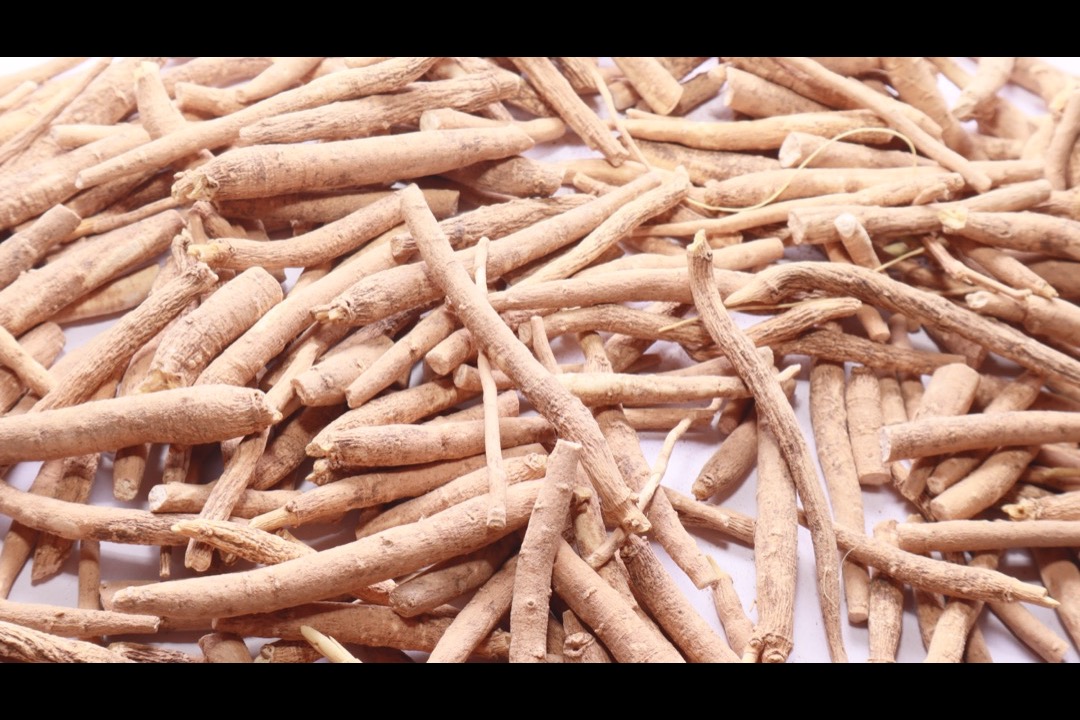
Ashwagandha (Withania somnifera) is the single most-searched adaptogen in the US dietary supplement market in 2026, and for genuinely good reasons. The clinical trial literature on the herb is more substantial than for almost any other plant adaptogen — over 80 randomized controlled trials covering chronic stress, sleep, anxiety, athletic performance, testosterone, and thyroid function — and the World Federation of Societies of Biological Psychiatry and the Canadian Network for Mood and Anxiety Treatments included ashwagandha in their 2022 provisional clinical recommendations for generalized anxiety disorder at 300 to 600 mg per day. Yet the consumer aisle is a mess. Most of what is on Amazon is underdosed, the extract type often is not even on the label, and a 2025 industry analysis estimated that only around 38% of ashwagandha products on the US market pass independent third-party quality testing.
In my practice, the patients asking about ashwagandha fall into three buckets: people with chronic perceived stress who have already optimized sleep hygiene and exercise and want a low-risk adaptogenic intervention; people with subclinical sleep issues — typically delayed onset and difficulty maintaining sleep — who are looking for an alternative or adjunct to melatonin; and athletes or chronically stressed knowledge workers looking for cortisol management to support recovery. The right ashwagandha product is meaningfully different for each of these clinical goals, and the wrong choice — usually a 150 mg gummy when the patient needed 600 mg of KSM-66, or a 1,000 mg high-dose KSM-66 when the patient needed something gentler — is the single most common reason patients tell me ashwagandha “did not work” for them.
This roundup compares seven ashwagandha supplements that span every form and clinical use case relevant to American consumers in 2026: KSM-66 at clinically appropriate and high doses, Sensoril for sleep-weighted profiles, organic whole-root for traditional Ayurvedic preparations, generic standardized extracts at the budget tier, and a high-volume gummy for compliance use. I also walk through the withanolide-content math that separates a real clinical dose from a label that just looks impressive, the Chandrasekhar 2012 trial that established the 300 mg twice-daily KSM-66 protocol, the bidirectional thyroid effect that makes this herb dangerous to combine with thyroid medication without monitoring, and the SSRI interactions that almost no consumer site discusses. Every ASIN below has been verified live on Amazon, and the formulations have been cross-referenced with the published clinical trial literature and ConsumerLab’s 2024 ashwagandha testing report.
| Product | Price | Buy |
|---|---|---|
| Gaia Herbs Ashwagandha Root Vegan Liquid Phyto-CapsBest Overall | $25.19 | View on Amazon |
| NOW Supplements Ashwagandha 450 mg Standardized Extract (90 Capsules)Budget Pick | $8.14 | View on Amazon |
| Pure Encapsulations Ashwagandha KSM-66 500 mg (60 Capsules)Premium Pick | $29.00 | View on Amazon |
| Goli Ashwagandha and Vitamin D Gummy (60 Count)Runner-Up | $14.98 | View on Amazon |
| Nature Made Ashwagandha Sensoril 125 mg (60 Capsules)Runner-Up | $11.63 | View on Amazon |
| Himalaya Organic Ashwagandha Root (60 Caplets)Runner-Up | $22.99 | View on Amazon |
| Physician's Choice KSM-66 Ashwagandha 1,000 mg (60 Capsules)Runner-Up | $29.97 | View on Amazon |
How I Chose These Ashwagandha Supplements
When I evaluate an ashwagandha supplement, four variables dominate every other consideration: the extract type (which determines the clinical evidence base behind the product), the withanolide percentage and absolute milligram delivery (which determines whether the dose is therapeutic or marketing), the third-party testing status (which determines whether the label claim is real), and the supply chain transparency (which matters more for a botanical extract than for a single-molecule supplement because the source material varies in withanolide content year to year). I excluded any product without a clearly named extract type or standardization claim, any product with fewer than 3,000 verified Amazon reviews, and any product where the available evidence pointed to subtherapeutic dosing without a compliance-driven justification (gummies are the exception here — they are structurally underdosed but earn their place when the clinical goal is compliance over hitting the full trial dose). Every ASIN was verified live on Amazon at the time of writing, and the formulations were cross-checked against the Chandrasekhar 2012 trial, the 2021 sleep meta-analysis, ConsumerLab’s 2024 ashwagandha report, and the WFSBP/CANMAT 2022 provisional clinical recommendations. The products span price points from roughly nine cents to fifty cents per serving and use cases from cost-effective daily maintenance to athletic high-dose protocols.
Gaia Herbs Ashwagandha Liquid Phyto-Caps — Best Overall
Gaia Herbs has been one of the more credible mid-premium botanical brands for over 35 years, and their Ashwagandha Liquid Phyto-Cap is the right Best Overall pick because it does something most standardized-extract competitors do not: it pairs a genuinely well-sourced organic root extract with a delivery format that bypasses the disintegration delay limiting most dry-powder capsules. The Phyto-Cap is a soft-gel-style capsule containing the ashwagandha extract pre-dissolved in a liquid carrier — that means the active compounds are already in solution when the capsule reaches the small intestine, rather than waiting for tablet binders to break down and the extract to dissolve. For a botanical with naturally variable absorption, this matters.
The supply chain transparency is what genuinely sets Gaia apart for buyers who care about sourcing. Every bottle has a Herb ID code that, when entered on Gaia’s MeetYourHerbs platform, returns the farm of origin, the lot identification, and the third-party identity and purity test results. No other ashwagandha brand on Amazon at this scale provides that level of provenance traceability. For a category where ConsumerLab’s 2024 testing flagged label-claim discrepancies in roughly half of products tested, that traceability is meaningful — not because Gaia’s chemistry is necessarily better than KSM-66’s, but because you can actually verify what you are buying.
The honest limitations are price and standardization. At 30 servings per bottle, this is the most expensive per-serving capsule pick in the roundup, and Gaia does not disclose the withanolide percentage of the extract — that means you cannot directly compare the active-compound delivery to a standardized KSM-66 product on a milligram basis. For buyers who want absolute clinical-trial parity at the lowest cost, Pure Encapsulations KSM-66 or Physician’s Choice KSM-66 deliver more verifiable withanolides per dollar. But for buyers who value organic supply chain and faster-onset delivery, Gaia is genuinely worth the premium — and the Health.com Best Overall designation reflects an editorial consensus across multiple physician-reviewed roundups.

Gaia Herbs Ashwagandha Root Vegan Liquid Phyto-Caps
by Gaia Herbs
The most editorially trusted ashwagandha supplement on Amazon — Gaia's liquid Phyto-Cap delivery, organic supply chain, and 35-year botanical track record put it ahead of every standardized-extract competitor for buyers who value sourcing as much as potency.
Pros
- Liquid-extract capsule format absorbs faster than dry powder — bypasses the disintegration delay that limits tablet bioavailability
- Full organic supply chain transparency via Gaia's MeetYourHerbs platform — every bottle traceable to the farm and lot
- Internal clinical study confirmed improved perceived stress scores and sleep quality at the labeled dose
- Named Best Overall by Health.com and consistently appears in physician-reviewed editorial roundups
Cons
- Only 30 servings per bottle makes this the most expensive per-serving capsule pick in the roundup
- Withanolide percentage not disclosed — harder to compare to standardized branded extracts on a milligram basis
NOW Supplements Ashwagandha 450 mg — Best Budget
NOW Foods earns the budget pick on the strength of a single value proposition: at roughly eleven cents per serving for a 90-capsule bottle of standardized root extract from an NPA A-rated GMP facility, this is the lowest-cost-per-day clinically credible ashwagandha on Amazon. The NPA A-GMP rating is meaningful — it is awarded by the Natural Products Association after an unannounced facility audit and exceeds the baseline GMP requirements that the FDA enforces post-market. For a generic standardized extract from a family-owned US manufacturer with 50 years of formulation history, that level of independent quality verification is unusual and is the primary reason this product earned the budget slot over cheaper unverified competitors.
The honest limitation is standardization transparency. NOW labels this as a “standardized extract” but does not disclose the withanolide percentage, which means you cannot directly compare the active-compound delivery to a 5%-standardized KSM-66 product. Standardized extracts in this price range typically run between 1.5% and 5% withanolides, which would translate to roughly 7 to 22 mg of withanolides at the 450 mg labeled dose. The lower end of that range is below the withanolide content of a single 600 mg KSM-66 dose, but it is also genuinely above what the typical gummy delivers — and for buyers using ashwagandha for general adaptogenic support rather than treating a specific clinical condition, the absorption math is unlikely to be a deal-breaker.
There are two practical points. First, the 450 mg per capsule means most users will take one capsule daily as a maintenance dose rather than splitting it into a twice-daily KSM-66-style protocol. That is appropriate for general use; if you are specifically replicating the Chandrasekhar 2012 cortisol-reduction protocol, the 600 mg twice-daily KSM-66 path is the more evidence-aligned choice. Second, like most ashwagandha products, NOW does not include any companion nutrients — if you are pairing ashwagandha with magnesium for sleep or with electrolyte powder for athletic recovery, treat it as a separate addition to your stack rather than expecting it to do everything.

NOW Supplements Ashwagandha 450 mg Standardized Extract (90 Capsules)
by NOW Foods
The most affordable entry point into evidence-based ashwagandha — three months of NOW's GMP-certified standardized extract at the lowest price in this guide makes this the obvious budget pick.
Pros
- Lowest price per serving in the roundup at roughly eleven cents per day, the best raw value on the list
- NPA A-rated GMP certification ensures rigorous independent manufacturing quality verification
- Family-owned US manufacturer with over 50 years of supplement formulation history
- Allergen-free, kosher, vegan, and non-GMO — broadest dietary compatibility of any pick
Cons
- Generic standardized extract rather than a patented branded form like KSM-66 or Sensoril
- Withanolide percentage not disclosed on the label — less potency transparency than branded extracts
Pure Encapsulations Ashwagandha KSM-66 500 mg — Upgrade Pick
Pure Encapsulations is the brand most commonly stocked in functional and integrative medicine clinics in the US for one reason: their formulations are explicitly designed to remove every ingredient that sensitive patients react to. The encapsulation system here excludes wheat, gluten, dairy, soy, eggs, peanuts, magnesium stearate, and artificial colors — that matters more than any KSM-66 extract debate for the patient population this product serves. For someone with celiac disease, eosinophilic esophagitis, mast cell activation syndrome, or simply a long history of unexplained reactivity to conventional supplements, the hypoallergenic specification is the entire point.
The KSM-66 component is well-executed. KSM-66 is the most clinically studied ashwagandha extract on the market — the Ixoreal Biomed company that produces it has supported over 22 published clinical trials covering stress, sleep, athletic performance, testosterone, thyroid function, and immune markers. The 5% withanolide standardization at 500 mg per capsule delivers 25 mg of withanolides per serving, which is genuinely in the clinical-evidence range when paired with a second daily dose to hit the 1,000 mg total used in some protocols. At 4.7 stars across over 3,400 verified reviews — the highest star rating in this roundup — the formulation consistency is exceptional.
The trade-off is price. Pure Encapsulations runs roughly twice the per-serving cost of NOW Foods and meaningfully more than Physician’s Choice KSM-66, and the absorption profile of the extract itself is essentially identical to other KSM-66 products — Ixoreal Biomed manufactures the same extract for multiple brand customers. What you are paying for is the hypoallergenic excipient system, the Pure Encapsulations quality control pipeline, and the brand confidence that comes from being the supplement most often dispensed in functional medicine clinics. If your reason for ashwagandha is general daily wellness, NOW Foods at one-quarter the price delivers a credible standardized extract. If you have a specific reason to need the hypoallergenic specification — multiple food sensitivities, autoimmune disease management, oncology supportive care — the premium is justified.

Pure Encapsulations Ashwagandha KSM-66 500 mg (60 Capsules)
by Pure Encapsulations
The practitioner's choice for sensitive patients — Pure Encapsulations' hypoallergenic KSM-66 formula earns the highest rating in the category and is the brand integrative physicians stock for patients with multiple sensitivities.
Pros
- Highest star rating in the roundup at 4.7 stars — exceptional consistency from a brand stocked in functional medicine clinics
- Completely hypoallergenic — free of wheat, gluten, dairy, soy, peanuts, and magnesium stearate
- Practitioner-grade brand most commonly recommended by integrative physicians and registered dietitians
- KSM-66 extract with documented benefits for thyroid, immune, and metabolic markers in published trials
Cons
- Higher per-serving cost than equivalent KSM-66 alternatives such as Nutricost or Physician's Choice
- Smaller review count (around 3,400) than the high-volume mass-market brands may concern some buyers
Goli Ashwagandha and Vitamin D Gummy — Runner-Up: Best for Compliance
Goli’s Ashwagandha and Vitamin D Gummy is the most-reviewed ashwagandha product on all of Amazon — over 62,000 ratings — and that volume reflects something genuinely important about consumer behavior in the supplement category: many adults will not take a daily capsule reliably, but they will take a daily gummy. For that population, the gummy is the difference between getting some ashwagandha exposure and getting none. The KSM-66 extract used here is the same Ixoreal Biomed material used in Pure Encapsulations and Physician’s Choice; the difference is delivery format and dose.
The honest limitation is the dose. At 150 mg of KSM-66 per serving — which translates to 7.5 mg of withanolides at the 5% standardization — this product is structurally below the 300 to 600 mg clinical threshold used in the Chandrasekhar 2012 trial and in the 2021 sleep meta-analysis. The math is unforgiving: a single Goli serving delivers roughly one-quarter of the withanolide dose of a single Pure Encapsulations capsule. For a buyer expecting to replicate the cortisol-reduction or sleep effects measured in trials, this dose is likely insufficient on its own. Two servings per day brings the total closer to the lower edge of the clinical range, but doubles the added sugar exposure (around 6 grams per day at the two-gummy dose) and the cost-per-effective-milligram.
The right way to use this product is honestly: as a low-friction daily compliance vehicle for adults who have already established that they do not reliably take capsules, who want some adaptogenic exposure on top of an otherwise solid foundation of sleep, exercise, and stress management, and who are not relying on ashwagandha to treat a specific clinical condition. The combination with Vitamin D adds modest additional value for adults with low sun exposure. The mixed berry flavor is consistently rated best-in-class across consumer reviews. For compliance-driven buyers, this is the right pick. For clinical effect, choose a capsule.

Goli Ashwagandha and Vitamin D Gummy (60 Count)
by Goli
America's best-selling ashwagandha gummy by review count — the right pick for adults who reliably skip daily capsules and prioritize compliance over hitting the full clinical dose.
Pros
- Most-reviewed ashwagandha product on all of Amazon with over 62,000 ratings — extraordinary consumer adoption
- Mixed berry flavor consistently rated best-in-class for palatability among adaptogen gummies
- Combines KSM-66 with Vitamin D for dual-benefit value in a single chewable serving
- Gelatin-free pectin matrix — vegan-friendly, broadens audience compared to gelatin-based competitors
Cons
- 150 mg KSM-66 per serving sits well below the 300 to 600 mg clinical threshold — likely subtherapeutic on its own
- Contains added cane sugar and tapioca syrup — not appropriate for low-sugar or diabetic eating patterns
Nature Made Ashwagandha Sensoril 125 mg — Runner-Up: Best for Sleep
Nature Made’s Sensoril ashwagandha occupies an underappreciated niche in this category, and it is a genuinely useful option for buyers whose primary clinical goal is sleep rather than energy or athletic recovery. Sensoril is a different branded extract from KSM-66: it includes both root and leaf material standardized to 10% withanolides, compared with KSM-66’s root-only material standardized to 5%. The clinical research on Sensoril is weighted toward stress reduction and sleep, with a generally calmer and more sedating subjective profile than KSM-66 reports. For patients who tried KSM-66 at energizing doses and found it stimulating rather than calming, switching to Sensoril is the most useful next step.
The withanolide math here is the second reason this product earns its slot. At 125 mg of Sensoril standardized to 10% withanolides, each capsule delivers 12.5 mg of withanolides — meaningfully more per milligram of total extract than a 600 mg KSM-66 dose, which delivers 30 mg from twelve times the total extract weight. For a once-daily capsule taken in the evening, that withanolide-per-pill efficiency is exactly what you want for a sleep-weighted profile. The Sensoril clinical trials report reduced perceived stress and improved sleep onset and maintenance within four to eight weeks of consistent use.
The honest limitations are dose ceiling and certification transparency. The 125 mg labeled dose is below the 300 mg clinical threshold for some endpoints — patients targeting a specific clinical effect may need two capsules daily — and Nature Made does not disclose explicit independent third-party testing on this SKU, despite being USP-verified on other products in their lineup. Pharmacist-recommended status is a real but indirect quality signal, not a substitute for explicit certification. For a once-daily evening Sensoril at a mid-range price, this is the best accessible option on Amazon, but buyers who want the same Sensoril extract with stricter testing may want to look at clinical-grade brands that carry the formal ConsumerLab approval.

Nature Made Ashwagandha Sensoril 125 mg (60 Capsules)
by Nature Made
The most accessible Sensoril-extract ashwagandha at under ten dollars — Sensoril's sleep and cortisol research backs this once-daily pharmacist-recommended capsule for buyers prioritizing the calming-extract profile over KSM-66.
Pros
- Sensoril delivers 12.5 mg withanolides at just 125 mg total — highest withanolide-per-milligram efficiency of any budget pick
- Once-daily dosing schedule is the simplest regimen on the list — meaningful for compliance
- Clinical trials of Sensoril report reduced perceived stress and improved sleep within four to eight weeks
- Number one pharmacist-recommended supplement brand — strong physician trust signal
Cons
- 125 mg total dose is below the 300 mg clinical threshold — some users need two capsules to hit therapeutic effect
- No explicit independent third-party testing certificate disclosed on the label
Himalaya Organic Ashwagandha Root — Runner-Up: Best Organic
Himalaya Wellness has been producing Ayurvedic herbal preparations for over 95 years, and their Organic Ashwagandha Root is the right pick for buyers who prioritize sourcing certifications and traditional whole-root preparation over standardized extract chemistry. The dual certification here is uncommon — USDA Organic plus Non-GMO Project Verified — and it is the strongest combined sourcing credential of any product in this roundup. For buyers who came to ashwagandha through traditional Ayurvedic or yogic practice rather than through Western clinical trial literature, the whole-root preparation is also closer to the historical use case for the herb.
The whole-root dual-extract formula means this product contains both the ground root powder and a concentrated extract of the same root, intentionally preserving the full phytochemical profile rather than isolating only the withanolides. There is a real argument for this approach. Ashwagandha contains over 35 named withanolide compounds along with sitoindosides and other minor alkaloids, and the traditional Ayurvedic preparation uses the whole root rather than an isolated standardized extract. For buyers whose intuition about herbal medicine favors whole-spectrum over reductionist preparations, this is the formulation that matches that philosophy. The clean ingredient list — no binders, fillers, additives, or soy — supports the same orientation.
The trade-offs are standardization and form. Because Himalaya does not standardize to a fixed withanolide percentage, you cannot calculate the exact active-compound dose and cannot directly compare it to a KSM-66 or Sensoril product on a milligram basis. That is a feature for whole-root traditionalists and a bug for clinical-evidence-driven buyers. The caplet (compressed tablet) form is also harder to swallow than the gel-cap or veggie-cap formats used by most competitors. For buyers who want the credentials of traditional Ayurvedic sourcing with the strongest organic certifications on Amazon, Himalaya is the right pick. For buyers who want trial-level dose verifiability, choose a standardized branded extract instead.

Himalaya Organic Ashwagandha Root (60 Caplets)
by Himalaya Wellness
The strongest organic credentials of any ashwagandha on Amazon — Himalaya combines USDA Organic and Non-GMO Project Verified certifications with a traditional whole-root Ayurvedic formulation for buyers who prioritize sourcing over standardization.
Pros
- USDA Organic plus Non-GMO Project Verified — strongest dual certification of any pick in the roundup
- Whole-root dual-extract formula provides the complete phytochemical profile, not just isolated withanolides
- No binders, fillers, additives, or soy on the label — ultra-clean ingredient list
- 95-plus years of Ayurvedic botanical expertise from a family-owned company with deep traditional sourcing
Cons
- Whole-root preparation is not a standardized branded extract — withanolide content not disclosed
- Caplet (compressed tablet) form is harder to swallow than gel-caps for some patients
Physician’s Choice KSM-66 1,000 mg — Runner-Up: High-Dose KSM-66
Physician’s Choice KSM-66 1,000 mg is the right pick for one specific clinical use case: athletes, chronically stressed knowledge workers under sustained cognitive load, and patients running an ashwagandha protocol modeled on the upper end of the clinical literature. At 1,000 mg of organic-certified KSM-66 standardized to 5% withanolides, this product delivers 50 mg of withanolides per capsule — the highest absolute dose in the roundup, and roughly twice the per-serving withanolide content of the Pure Encapsulations upgrade pick. For protocols that target the higher end of the trial dose range, that math matters.
Two formulation choices set this product apart. First, the KSM-66 used here is the organic-certified version of the extract — Ixoreal Biomed’s standard KSM-66 is not always organic-sourced, and the organic-certified material is a meaningful upgrade for buyers who want clinical-pedigree extracts produced from organically grown root material. Second, the addition of BioPerine (a black pepper extract standardized to piperine) is intended to enhance bioavailability via inhibition of CYP3A4 and other metabolic enzymes. The bioavailability data on BioPerine paired with botanical extracts is more variable than the marketing suggests, but the addition does no harm and may meaningfully improve absorption for some users.
The honest limitations are clinical and packaging. At 1,000 mg daily, this dose is at the upper end of what trials have studied, and sustained high-dose ashwagandha has been associated with subjective emotional blunting in long-term users — a flat, somewhat under-responsive emotional baseline that may relate to sustained cortisol suppression. I recommend cycling: 8 to 12 weeks on, then a 4-week break, and a clinical reassessment of whether the supplement is still doing what it was started for. Reviewers also flag inconsistent packaging across batches, which the brand has acknowledged. None of this is a reason not to use the product, but it is a reason to use it intentionally rather than as an indefinite daily addition. For a high-dose protocol with a defined endpoint, this is the most cost-effective organic KSM-66 on Amazon.

Physician's Choice KSM-66 Ashwagandha 1,000 mg (60 Capsules)
by Physician's Choice
The highest-dose organic KSM-66 supplement on Amazon — designed for athletes and chronically stressed adults who need the full therapeutic dose backed by two decades of clinical research, with the explicit understanding that cycling is required.
Pros
- Highest absolute withanolide dose in the roundup at 50 mg per serving — backed by KSM-66's 22-plus clinical trials
- Organic-certified KSM-66 extract combines clinical pedigree with organic sourcing — uncommon combination
- BioPerine (black pepper extract) included to enhance bioavailability via CYP3A4 modulation
- Strong 7,500-plus review base at 4.5 stars validates manufacturing consistency at the high-dose label
Cons
- 1,000 mg daily increases the risk of cortisol over-suppression — cycling is strongly recommended
- Reviewers note packaging variation across production batches (the brand acknowledges label changes)
Best Ashwagandha by Goal
The seven products above cover the whole category, but most people arrive at ashwagandha with one specific goal in mind — and the right extract, form, and dose genuinely differ by goal. Jump to yours:
- Best for anxiety and stress — KSM-66 root extract, the most-studied form for perceived stress and cortisol
- Best for testosterone — high-dose KSM-66, the form used in the male-hormone trials
- Best for sleep — Sensoril, the root-and-leaf extract standardized for relaxation and sleep quality
Best Ashwagandha for Anxiety and Stress
Anxiety and stress are the reasons the largest share of buyers reach for ashwagandha, and the mechanism is the same one that underlies the “for cortisol” searches: ashwagandha’s withanolides blunt the hypothalamic-pituitary-adrenal axis response, and the best-controlled trials measured a meaningful drop in serum cortisol alongside lower scores on validated perceived-stress scales. The form with the most human evidence for this use is KSM-66 — a concentrated root-only extract standardized to 5% withanolides — dosed at 300 mg twice daily in the frequently-cited Chandrasekhar 2012 trial, with benefits appearing over 6 to 8 weeks rather than acutely. It is an adjunct for everyday stress and mild-to-moderate anxiety, not a substitute for therapy or fast-acting anxiolytic medication, and it should not be combined with sedatives or used within two weeks of surgery.
For this use I lead with the Pure Encapsulations KSM-66 — clinical-grade purity, hypoallergenic, and the cleanest label of the KSM-66 options — with the Physician’s Choice 1,000 mg KSM-66 as the higher-dose choice for anyone titrating up, and the full-spectrum Gaia liquid for buyers who prefer whole-root sourcing over a standardized isolate.
| Product | Price | Buy |
|---|---|---|
| Pure Encapsulations Ashwagandha KSM-66 500 mg (60 Capsules)Best for anxiety & purity Clinical-grade KSM-66 at a hypoallergenic 500 mg dose — the cleanest label for daily stress and anxiety support. | $29.00 | View on Amazon |
| Physician's Choice KSM-66 Ashwagandha 1,000 mg (60 Capsules)Highest-dose KSM-66 KSM-66 at 1,000 mg for buyers who want to titrate to the upper end of the studied range for stress and cortisol. | $29.97 | View on Amazon |
| Gaia Herbs Ashwagandha Root Vegan Liquid Phyto-CapsFull-spectrum whole-root Full-spectrum organic root extract in a liquid Phyto-Cap for those who prefer whole-root sourcing to a standardized isolate. | $25.19 | View on Amazon |
Best Ashwagandha for Testosterone
The testosterone and “for men” searches point to a real but frequently overstated effect. The form studied in the male-hormone trials is KSM-66, dosed around 600 mg per day for 8 weeks, with the most-cited results showing a roughly 15% rise in testosterone in stressed or subfertile men — the mechanism appears to run largely through cortisol reduction rather than a direct anabolic pathway, so the effect is most pronounced in men who are stressed, sleep-deprived, or have below-average baseline levels, and much smaller in already-optimized men. It is not a replacement for evaluation of genuinely low testosterone. Choose a KSM-66 product that gets you into the 600 mg-per-day studied range and give it a full 8 weeks.
The Physician’s Choice 1,000 mg KSM-66 is the most direct fit here — one capsule clears the studied dose — with the Pure Encapsulations KSM-66 for those who prefer a clinical-grade label and are willing to take it twice daily, and the NOW standardized root extract as the value option for buyers who want a KSM-tier withanolide standardization without the branded-extract premium.
| Product | Price | Buy |
|---|---|---|
| Physician's Choice KSM-66 Ashwagandha 1,000 mg (60 Capsules)Best for testosterone (studied dose) 1,000 mg KSM-66 in a single capsule clears the ~600 mg/day dose used in the male-hormone trials — the most direct fit for this goal. | $29.97 | View on Amazon |
| Pure Encapsulations Ashwagandha KSM-66 500 mg (60 Capsules)Clinical-grade KSM-66 Clinical-grade KSM-66 at 500 mg; take twice daily to reach the studied range with the cleanest label. | $29.00 | View on Amazon |
| NOW Supplements Ashwagandha 450 mg Standardized Extract (90 Capsules)Budget standardized root Standardized root extract at a low per-serving cost — the value pick for the studied withanolide standardization without the branded-extract premium. | $8.14 | View on Amazon |
Best Ashwagandha for Sleep
Sleep is a distinct enough goal that it favors a different extract than the stress and testosterone use cases. The form with the best sleep evidence is Sensoril — a root-and-leaf extract standardized to a higher 10% withanolide content — which was associated with improved sleep quality and onset in controlled trials (Langade 2019 used a 600 mg root extract, and the Sensoril literature centers on relaxation and sleep endpoints specifically). Take it in the evening rather than the morning, give it several weeks, and pair it with the usual sleep-hygiene basics; ashwagandha nudges sleep quality, it does not sedate like a hypnotic.
The Nature Made Sensoril is the obvious lead — it is the one Sensoril-standardized product in this roundup and carries USP-level brand testing — with the full-spectrum Gaia liquid as an evening whole-root alternative and the Goli gummy for anyone who will actually stick with an evening dose more reliably in gummy form than as a capsule.
| Product | Price | Buy |
|---|---|---|
| Nature Made Ashwagandha Sensoril 125 mg (60 Capsules)Best for sleep (Sensoril) The only Sensoril-standardized pick here — the root-and-leaf 10% withanolide extract with the strongest sleep-quality evidence, taken in the evening. | $11.63 | View on Amazon |
| Gaia Herbs Ashwagandha Root Vegan Liquid Phyto-CapsFull-spectrum evening dose Full-spectrum organic root in a liquid Phyto-Cap — a whole-root evening alternative for buyers who avoid standardized isolates. | $25.19 | View on Amazon |
| Goli Ashwagandha and Vitamin D Gummy (60 Count)Easiest evening compliance A once-daily gummy for anyone who keeps an evening routine more reliably in gummy form than as a capsule. | $14.98 | View on Amazon |
Buyer's Guide
Choosing an ashwagandha supplement is more nuanced than picking the cheapest standardized extract — the right product depends on which extract type matches your clinical goal, whether the dose actually crosses the threshold proven in trials, and what third-party testing has been done to verify the label claim.
Extract Type and Standardization
The four extract types you will encounter on Amazon are KSM-66 (root-only, 5% withanolides, the most clinically studied), Sensoril (root and leaf, 10% withanolides, calmer and more sleep-oriented profile), Shoden (35% withanolides, emerging clinical evidence at lower total doses), and generic standardized or whole-root extracts. For stress and athletic performance, KSM-66 at 600 mg daily is the evidence-based benchmark. For sleep and a calmer subjective experience, Sensoril at 125 to 250 mg daily is appropriate. For traditional whole-spectrum support, a USDA Organic whole-root product can work but lacks the standardization that lets you compare doses across products.
Withanolide Content Per Serving
Withanolides are the active compounds in ashwagandha, and the milligram count on the front label tells you nothing about how much active compound you are getting. The math matters: KSM-66 at 600 mg standardized to 5% withanolides delivers 30 mg of withanolides; Sensoril at 125 mg standardized to 10% delivers 12.5 mg; a typical 150 mg KSM-66 gummy delivers only 7.5 mg. Look for at least 5% standardization or a named branded extract on the label, and calculate the actual withanolide dose rather than relying on the total extract weight.
Clinical Dose Threshold
Published trials of ashwagandha consistently use 300 to 600 mg per day of a standardized extract. The Chandrasekhar 2012 trial used 300 mg KSM-66 twice daily; the 2021 sleep meta-analysis pooled trials at 600 mg per day. Most gummies — at 50 to 150 mg per serving — are structurally below the clinical threshold and unlikely to produce the cortisol or stress effects measured in trials. Verify that your daily dose hits at least 300 mg of a standardized extract before expecting clinical-trial-level results.
Third-Party Testing
The FDA does not verify supplement contents or potency before products reach the shelf. Look for independent certifications: NSF Certified for Sport, USP Verified, NPA A-rated GMP, ConsumerLab approved, or Non-GMO Project Verified. A 2025 industry analysis estimated that only around 38% of ashwagandha products on the US market pass independent quality testing for label-claim accuracy. For a category where the active compound is invisible and label claims are difficult to verify by appearance or taste, third-party testing is the single most useful purchase signal.
Form Factor
Capsules align with the clinical trial literature and offer reliable, consistent dosing. Powders allow flexible dosing and traditional Ayurvedic preparation in warm milk, but the strong earthy taste deters most users. Liquid Phyto-Caps absorb faster than dry powder because the extract is already dissolved in a liquid carrier. Gummies are convenient but underdosed and add sugar, making them best for compliance support rather than therapeutic dosing. Match the form to your routine, but understand the trade-offs you are accepting.
Contraindications and Drug Interactions
Ashwagandha is contraindicated in pregnancy, autoimmune conditions, hyperthyroidism, hormone-sensitive cancers, and the two weeks before surgery. It interacts with SSRIs (sertraline plus ashwagandha has documented case reports of severe diarrhea), thyroid medications (the supplement increases thyroid hormone production), immunosuppressants, sedatives, and antihypertensive and diabetes medications. None of these are reasons not to use ashwagandha if it is genuinely indicated, but they are reasons to discuss it with your prescribing physician before starting.
The Withanolide Math — Why the Front Label Is Not the Dose
The most important and least-discussed concept in ashwagandha supplementation is the withanolide content per serving. Withanolides are the steroidal lactone compounds responsible for the herb’s adaptogenic activity, and they are the active ingredient that the clinical trial literature is built on. The milligram number on the front of the bottle tells you the total weight of the extract — root powder, extract concentrate, or both — but it does not tell you how much active compound you are getting. The math separates real clinical doses from labels that just look impressive.
Here is how the four extract types compare on withanolide delivery:
| Extract | Standardization | Total Dose Example | Withanolides Delivered |
|---|---|---|---|
| KSM-66 | 5% withanolides | 600 mg (twice 300 mg) | 30 mg |
| KSM-66 | 5% withanolides | 1,000 mg | 50 mg |
| Sensoril | 10% withanolides | 250 mg (twice 125 mg) | 25 mg |
| Sensoril | 10% withanolides | 125 mg | 12.5 mg |
| Shoden | 35% withanolides | 120 mg | 42 mg |
| Generic 1.5% | 1.5% withanolides | 450 mg | ~6.8 mg |
| Typical KSM-66 gummy | 5% withanolides | 150 mg | 7.5 mg |
Two takeaways. First, the highest-withanolide-per-milligram extract is Shoden, which is why brands using Shoden can deliver clinically meaningful doses at very low total milligrams — but Shoden is also the newest of the three branded extracts and has the smallest body of independent clinical evidence behind it. Second, gummies almost universally deliver subtherapeutic withanolide doses. A 150 mg KSM-66 gummy delivers 7.5 mg of withanolides, less than a single 125 mg Sensoril capsule. That does not make gummies useless — for compliance-driven buyers they are the right pick — but it means a gummy is not a clinical-dose replacement for a standardized extract capsule. If your reason for taking ashwagandha is a specific clinical effect, calculate the withanolide dose, not the total extract weight.
The Clinical Evidence — Chandrasekhar, the Sleep Meta-Analysis, and WFSBP/CANMAT
The clinical literature behind ashwagandha is more substantial than for almost any other adaptogen. The single most influential trial is Chandrasekhar et al. 2012, published in the Indian Journal of Psychological Medicine, which randomized 64 adults with chronic stress to 300 mg of KSM-66 twice daily versus placebo for 60 days. The KSM-66 group showed a 27.9% reduction in serum cortisol and a 44% reduction in Perceived Stress Scale scores compared with placebo — both statistically significant and clinically meaningful effect sizes that established the 300 mg twice daily dose as the modern benchmark.
The 2021 systematic review and meta-analysis of ashwagandha for sleep, published in PLOS ONE, pooled five randomized controlled trials and concluded that ashwagandha at doses of 600 mg per day for 8 or more weeks produced statistically significant improvements in sleep onset latency and total sleep time. The effect was larger for participants with diagnosed insomnia than for healthy adults, and the effect required at least 8 weeks of consistent use to manifest fully — a time course that is meaningfully longer than the rapid-onset effect profile of melatonin or magnesium.
The 2022 World Federation of Societies of Biological Psychiatry and Canadian Network for Mood and Anxiety Treatments joint clinical guidelines for the treatment of generalized anxiety disorder included ashwagandha at 300 to 600 mg per day among the provisional second-line and adjunctive options for anxiety, with the explicit caveat that the evidence base, while substantial, is smaller than that for first-line pharmacotherapy. This is the most prominent inclusion of any plant adaptogen in a mainstream Western clinical guideline, and it reflects the cumulative weight of the underlying clinical literature.
The clinical takeaway is straightforward. For stress and cortisol reduction, target 600 mg per day of KSM-66 split into two doses of 300 mg. For sleep, target 600 mg per day of KSM-66 or 250 mg per day of Sensoril, taken in the evening, for at least 8 weeks before evaluating effect. For generalized adaptogenic support without a specific clinical goal, 300 to 600 mg per day of any standardized extract is reasonable. Doses substantially above 1,000 mg per day are not better-supported and may carry additional risk.
Cycling, Emotional Blunting, and How Long to Take Ashwagandha
The clinical trials that establish ashwagandha’s effects run for 60 to 90 days in most cases, and the safety data extend out to about 12 weeks of continuous daily use. Beyond that timeframe, the published evidence thins out substantially, and clinical experience starts to take over from trial data. In my practice, I recommend a cycle of 8 to 12 weeks on ashwagandha, followed by a 4-week break, and then a reassessment of whether the original clinical reason for starting the supplement is still present.
There are two reasons for this approach. The first is straightforward: if the supplement is working for a defined reason — perceived stress, sleep difficulty, recovery support — periodic breaks let you confirm the effect is still attributable to the supplement rather than to other lifestyle changes that may have occurred in parallel. The second is more interesting. A subset of long-term high-dose ashwagandha users report a subjective phenomenon of emotional blunting — a flatter, somewhat under-responsive emotional baseline that resembles the affective blunting some patients describe on long-term SSRIs. The mechanism is not well-established, but it likely relates to sustained cortisol suppression and possibly to changes in dopamine and serotonin signaling. Reducing the dose, taking a break, or cycling typically resolves the symptom. Patients on doses above 600 mg per day for more than 12 weeks should be specifically asked about this on follow-up.
There is also a small but real signal of ashwagandha-associated liver injury in the case-report literature — mostly involving high-dose, long-duration use, and most cases resolved on discontinuation. For patients with active liver disease or recent transaminase elevations on liver function tests, ashwagandha is not the right adaptogen choice. For patients without liver disease, periodic LFT monitoring is reasonable for anyone taking the supplement at 600 mg or more daily for longer than 12 weeks.
The SSRI, Thyroid, and Surgical Interactions Most Sites Skip
The drug interaction literature on ashwagandha is more substantial than most consumer review sites discuss, and several of the interactions are clinically meaningful enough that I want to flag them explicitly.
SSRIs and SNRIs. The combination of ashwagandha and sertraline has documented case reports of severe diarrhea — likely a serotonergic effect — and the combination of ashwagandha and reboxetine has been associated with ejaculatory dysfunction. The mechanism in both cases appears to be additive serotonergic activity. None of these interactions are absolute contraindications, but patients on any SSRI or SNRI should discuss ashwagandha with their prescribing physician before starting and should be alert for new GI or sexual side effects.
Thyroid medications. Ashwagandha appears to stimulate thyroid hormone production, which is a benefit for some patients with subclinical hypothyroidism but a real problem for patients already on adequate levothyroxine therapy. The combination can produce iatrogenic thyrotoxicosis with palpitations, tremor, weight loss, and anxiety symptoms. Patients on levothyroxine or any other thyroid-modifying drug should have a TSH check at baseline and at 6 to 8 weeks after starting ashwagandha to verify they are still in their target therapeutic range.
Sedatives and benzodiazepines. Ashwagandha potentiates the sedative effect of benzodiazepines, Z-drugs (zolpidem, eszopiclone), and alcohol. The combination is not necessarily dangerous but it is more sedating than either agent alone, and patients should expect deeper next-morning sedation if they layer ashwagandha onto an existing sleep medication.
Immunosuppressants. Ashwagandha stimulates immune function, which makes it a poor choice for patients on cyclosporine, tacrolimus, or other immunosuppressants for transplant or autoimmune disease management — the supplement may reduce the efficacy of the immunosuppressant. This is also why ashwagandha is contraindicated in active autoimmune disease, including lupus, rheumatoid arthritis, multiple sclerosis, and Hashimoto’s thyroiditis.
Diabetes and antihypertensive medications. Ashwagandha lowers both blood sugar and blood pressure modestly. Combined with insulin, sulfonylureas, metformin, or antihypertensives, the additive effects can produce hypoglycemia or hypotension. Patients on any of these medications should monitor their values more carefully in the first 6 to 8 weeks of starting ashwagandha. If you are tracking your numbers at home with a blood pressure monitor or a glucose meter, the data are particularly useful here.
Surgery. Ashwagandha should be stopped at least 2 weeks before any scheduled surgery because of additive sedative effects with anesthesia and a small theoretical risk of altered platelet function.
How and When to Take Ashwagandha
Ashwagandha is fat-soluble. Taken on a fully empty stomach, it commonly causes nausea — this is the most common reason patients abandon the supplement in the first week. Take it with a meal containing some fat (a few nuts, a tablespoon of olive oil on a salad, or a meal with eggs or fish) to maximize absorption and minimize GI side effects. The traditional Ayurvedic preparation in warm milk is also effective and well-tolerated for whole-root powders.
For the cortisol and stress protocol from Chandrasekhar 2012, take 300 mg of KSM-66 in the morning with breakfast and 300 mg in the evening with dinner. For sleep-focused protocols using KSM-66 or Sensoril, the entire daily dose can be taken in the evening 1 to 2 hours before bed. For high-dose KSM-66 protocols (1,000 mg daily), splitting the dose between morning and evening is generally better tolerated than a single morning dose.
Avoid combining ashwagandha with alcohol or with high doses of caffeine in the same time window — the adaptogenic effect on cortisol is partially blunted by both stimulants and depressants, and the subjective sleep effects of ashwagandha are diminished by evening caffeine. Allow 4 to 8 weeks of consistent daily dosing before evaluating effect. If you are paired ashwagandha with melatonin for sleep, space them by at least 30 minutes — the combination is generally well-tolerated but can produce excessive next-morning sedation in some users at the start of treatment.
Final Verdict
For most adults who want a clinically credible ashwagandha supplement and care about sourcing as much as standardization, Gaia Herbs Ashwagandha Liquid Phyto-Caps is the right Best Overall pick. The liquid Phyto-Cap delivery, USDA Organic certification, MeetYourHerbs supply chain transparency, and 35-year botanical track record put it ahead of standardized-extract competitors that match or exceed it on raw chemistry alone. Use it as a daily adaptogenic supplement at the labeled dose, give it 6 to 8 weeks before evaluating effect, and cycle it after 12 weeks to confirm the effect is real.
For the budget-conscious buyer who wants evidence-based ashwagandha at the lowest possible per-day cost, NOW Supplements Ashwagandha 450 mg is the obvious pick — 90 servings of NPA A-GMP-certified standardized extract works out to about eleven cents a day, a value point no premium brand can match. For the upgrade buyer looking for hypoallergenic KSM-66, choose Pure Encapsulations. For high-dose KSM-66 protocols modeled on the upper end of the clinical literature, Physician’s Choice KSM-66 1,000 mg is the most cost-effective organic option. For sleep-weighted profiles, Nature Made Sensoril is the most accessible Sensoril extract on Amazon. And for buyers who want adaptogenic support but will not reliably take a daily capsule, the Goli gummy is honestly the right pick for compliance — just understand the dose limitations. Pick the product that matches your clinical goal, take it consistently for at least 8 weeks before judging effect, and cycle it deliberately rather than running it indefinitely.
Frequently Asked Questions
What is the most effective form of ashwagandha — capsules, gummies, or powder?
How long does it take for ashwagandha to start working?
Is KSM-66 ashwagandha better than Sensoril or generic extracts?
Can I take ashwagandha with antidepressants or thyroid medications?
Who should not take ashwagandha?
Related Articles
About the Reviewer

Dr. David Taylor, MD, PhD
Drexel University College of Medicine (MD), Indiana University School of Medicine (PhD)
Dr. David Taylor is a licensed physician and medical researcher who founded BestRatedDocs in 2016. With an MD from Drexel University and a PhD from Indiana University School of Medicine, he combines clinical expertise with a passion for health technology to provide evidence-based product recommendations. Dr. Taylor specializes in health informatics and regularly evaluates medical devices, diagnostic equipment, and therapeutic products to help healthcare professionals and patients make informed decisions.