A Beginner's Guide to Compression Therapy: What It Is, How It Works, and How to Start Safely
Dr. David Taylor, MD explains what compression therapy actually does to your circulation, which garment fits which problem, the one safety test to do before you start, and why most beginners quit in the first two weeks.
Updated
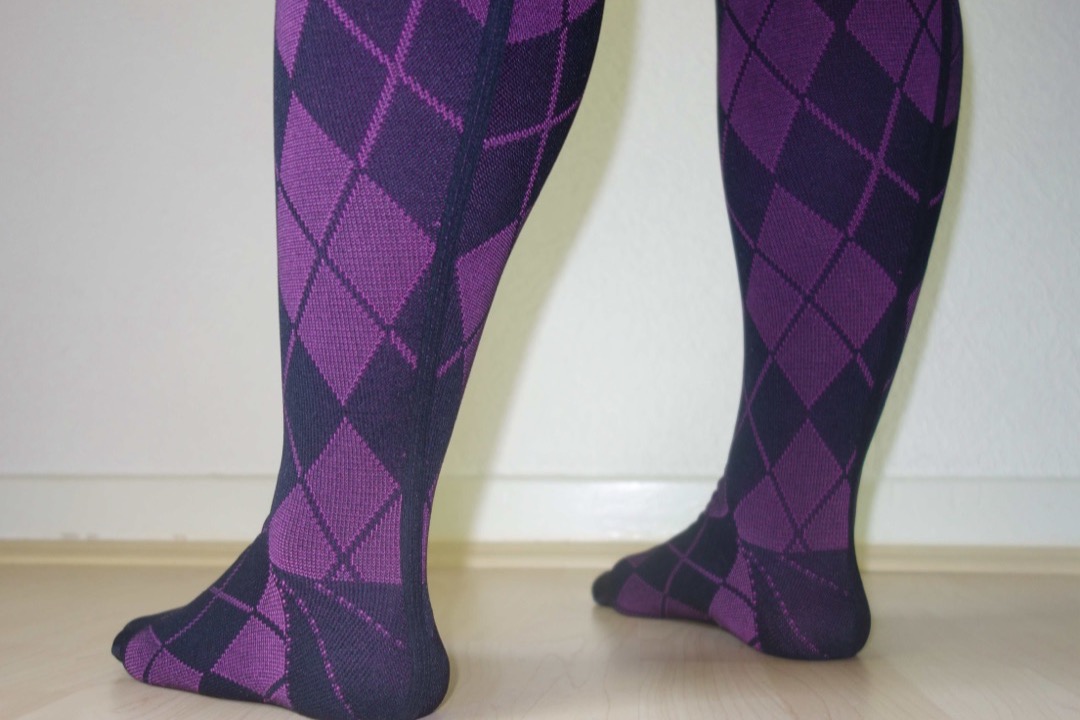
Compression therapy is one of the oldest treatments in medicine and one of the most consistently misunderstood. Patients arrive in my office having bought a pair of socks online because their legs ache at the end of the day, and they are not wrong to try — but they usually have no idea what the garment is actually doing, whether the pressure they chose is right, or whether their circulation makes it safe to wear at all. Others have been told by a specialist to wear compression for the rest of their lives, and quietly stop after three weeks because they cannot get the thing on in the morning.
Both of those failures come from the same missing piece: nobody explained the fundamentals. So this is the explanation — what compression therapy is, the physiology that makes it work, which garment belongs to which problem, the one safety test that should happen before you start, and what the first month realistically feels like.
What Is Compression Therapy?
Compression therapy is the controlled application of external pressure to a limb — almost always a leg, sometimes an arm — to assist the return of blood and lymphatic fluid back toward the heart. That is the whole concept. It is not a drug, it does not change the underlying anatomy, and it does not “detoxify” anything. It is a mechanical assist for a mechanical problem.
It is also not fringe or alternative medicine, which is worth stating plainly because the wellness-spa marketing around “compression sessions” has muddied that perception. Compression is embedded in the formal clinical practice guidelines of the vascular societies — the Society for Vascular Surgery, the American Venous Forum, and the American Vein and Lymphatic Society — as a standard, recommended therapy for venous disease. When I prescribe it, I am not suggesting a lifestyle product. I am prescribing the same first-line treatment those guidelines specify.
The delivery methods range from a drugstore sock to a hospital bandaging system, but the therapeutic principle is identical across all of them: squeeze the limb from the outside so that the fluid inside it moves in the direction it is supposed to go.
The Physiology: Why Squeezing a Leg Helps
To understand compression, you have to understand why blood struggles to leave your legs in the first place.
When you are standing, the blood in your leg veins has to travel upward against gravity to get back to your heart. It has almost no pressure behind it to do so — the arterial pressure that pushed it down has largely dissipated by the time it reaches the veins. So the body relies on two other mechanisms.
The first is the calf muscle pump. Every time you contract your calf, it squeezes the deep veins running through it and pushes a bolus of blood upward. Your calf is, functionally, a second heart for your lower body — and it only pumps when you move.
The second is the one-way valve system inside your veins. These delicate flaps open to let blood pass upward and snap shut to stop it falling back down between muscle contractions.
Chronic venous disease begins when those valves fail. Blood that should have moved up falls back down and pools, the veins stretch to accommodate the extra volume, and the stretching pulls the remaining valves further apart so they seal even less well. Pressure inside the veins rises. That elevated pressure pushes fluid out through the vessel walls into the surrounding tissue — which is the swelling you see — and over years it drives the skin changes, discoloration, and eventually the ulcers that mark advanced disease.
External compression interrupts that cycle at several points at once. It narrows the diameter of the distended veins, which brings the failing valve flaps back close enough to meet and seal. It speeds up the flow of blood through the narrowed vein, which discourages pooling and clotting. It raises the pressure in the tissue outside the vessels, which opposes the leak of fluid into the tissue and helps the lymphatic system reabsorb what has already leaked. And by supporting the calf, it makes the muscle pump more effective with every step you take.
That last point explains something that confuses many beginners: compression works best when you are moving. It is not a passive treatment you lie down with. A compression sock and a walk are partners — the sock makes each calf contraction more effective, and the calf contraction is what actually moves the blood. This is also why people who sit at a desk for nine hours benefit from compression more than they expect, and why gentle resistance band work that trains calf strength complements the garment rather than competing with it.
Graduated Compression: The Detail That Separates Medicine from Marketing
Real medical compression is graduated — the pressure is highest at the ankle and decreases as it moves up the leg. That gradient is deliberate. It creates a pressure differential that encourages fluid to move upward, from the high-pressure zone at the ankle toward the lower-pressure zone at the calf and thigh.
A garment that squeezes uniformly — or worse, squeezes tighter at the top than the bottom — does not just fail to help. It can trap fluid in the foot and ankle below the constriction. This is exactly what a compression sock does when it is the wrong size and its top band bites into the calf, and it is why an ill-fitting garment is worse than no garment at all.
Pressure is measured in millimeters of mercury (mmHg), the same unit as blood pressure, and the levels run in bands: 8-15 mmHg (mild), 15-20 mmHg (moderate, the most common over-the-counter tier), 20-30 mmHg (the first true medical-grade level and the most commonly prescribed), 30-40 mmHg (advanced disease, medical supervision expected), and 40-50 mmHg and above (specialist territory).
Choosing correctly among those bands is consequential enough that I have written a separate, detailed breakdown of it — if you are trying to decide what pressure to buy, read the compression levels guide before you order anything. For the purposes of this introduction, the short version: 15-20 mmHg is for symptom relief in otherwise healthy legs, and 20-30 mmHg is the evidence-based starting point once actual venous disease is present.
The Forms Compression Comes In
“Compression therapy” is an umbrella covering products that look nothing alike. Choosing the wrong form is one of the most common beginner mistakes, so here is what each one is actually for.
Graduated compression socks and stockings are the workhorse and the right starting point for the overwhelming majority of people. Knee-high covers the calf and ankle, which is where venous pooling overwhelmingly occurs, and it is sufficient for most indications. Thigh-high and pantyhose styles exist for disease extending higher up the leg, but they are harder to don, more likely to roll or slip, and — because adherence is everything — frequently a worse practical choice than the knee-high a patient will actually wear. Most people should begin with a well-fitted knee-high compression sock.
Calf sleeves are footless tubes covering the calf only, popular with runners. Because they leave the foot uncovered, they cannot deliver the ankle-first pressure gradient that defines graduated medical compression — which makes them reasonable for athletic use and inappropriate as treatment for venous disease or ankle swelling. That distinction matters enough that I have covered it in detail in compression socks vs. sleeves.
Compression bandages and multi-layer wrap systems are the clinical tier, applied by a trained professional and used mainly for active venous leg ulcers and severe lymphedema. They deliver very high working pressures and are not a self-service product.
Adjustable velcro wraps are a middle ground that deserves more attention than it gets. Because they fasten with straps rather than requiring the leg to be forced through a tight tube, they are dramatically easier to put on — which makes them the practical answer for patients with arthritic hands, limited shoulder mobility, obesity, or anyone who has already given up on stockings for the simple reason that they could not get them on.
Compression gloves and arm sleeves apply the same principles to the upper limb: gloves for hand and finger swelling and arthritis symptoms, arm sleeves primarily for lymphedema after breast cancer surgery and lymph node removal. If your problem is in the hands, compression gloves — not a leg product — are the relevant tool.
Pneumatic compression devices are the powered category: inflatable sleeves connected to a pump that squeezes the limb in rhythmic cycles. There are genuinely two different markets wearing the same name. Medical intermittent pneumatic compression is real therapy, used for lymphedema, DVT prophylaxis in immobile patients, and refractory swelling. Consumer “recovery boots” borrow the technology for post-workout use, where the evidence supports modestly reduced soreness and does not support the metabolic claims made in the marketing.
Diabetic socks are not compression socks, and confusing the two is a costly error. Diabetic socks are specifically designed to be non-constricting, with no elastic top band, seamless toes, and moisture management to protect insensate feet. A patient with diabetic neuropathy who buys graduated compression thinking it is the same product may be applying pressure to a foot that cannot feel damage occurring. If you are diabetic, understand which one your feet actually need — diabetic socks and compression socks solve opposite problems, and many diabetics need a physician’s input on whether compression is safe for them at all.
What Compression Is Used For
Compression’s strongest, best-evidenced indications are circulatory and lymphatic: chronic venous insufficiency, where it is first-line therapy; varicose veins, where it controls symptoms and slows progression (though it cannot close a refluxing vein — only a procedure does that); leg edema from venous causes, pregnancy, or prolonged standing; lymphedema, where it is the cornerstone of lifelong management; venous leg ulcers, where it is the single most important factor in healing; post-thrombotic syndrome after a DVT; and DVT prevention during immobility and long-haul travel.
One distinction inside that list is worth pulling out, because patients and even some clinicians blur it. Venous insufficiency and lymphedema are not the same disease, and they do not behave the same way. Venous swelling is a blood-flow problem: pressure backs up in failing veins and pushes watery fluid into the tissue. That fluid is mobile, so it largely drains away overnight when you lie flat, which is why venous legs are famously better in the morning and worse by evening, and why elevation helps so visibly. Lymphedema is a drainage-system problem: the lymphatic vessels that should carry away protein-rich fluid are damaged or missing — often after lymph node removal during cancer surgery — so the fluid that accumulates is thick with protein, does not simply drain with gravity, and over time drives fibrosis and permanent tissue thickening. Elevation alone does relatively little for it. Practically, that means venous disease is often well managed with a good graduated sock, while lymphedema requires a more structured program — typically flat-knit garments, manual lymphatic drainage, and sometimes pneumatic pumps, under a certified lymphedema therapist. If your swelling does not improve overnight, that is a meaningful clue, and it belongs in a conversation with your doctor rather than in a shopping cart.
Compression also has a legitimate role in post-surgical recovery, where reducing swelling and preventing clots are both priorities, and where it sits alongside the other basics of a good recovery setup — the subject of my guide to home recovery after surgery.
Then there is the occupational tier, which is where most first-time buyers actually live: nurses, teachers, retail and warehouse staff, surgeons, and anyone who stands or sits still for long shifts. There is no disease here — just a calf muscle pump that is being asked to work under bad conditions all day. Compression genuinely helps, and 15-20 mmHg is usually enough.
Before You Start: The Safety Test Almost Nobody Does
Here is the part of this guide I would most like you to remember.
Compression assists blood in leaving the leg through the veins. It does nothing to help blood get into the leg through the arteries — and if those arteries are already narrowed by peripheral arterial disease, adding external squeeze can reduce that inflow further. In a leg that is marginally perfused, compression can cause tissue damage. This is the one way an over-the-counter sock can genuinely hurt you.
The screening test is the ankle-brachial index (ABI): a painless comparison of the blood pressure at your ankle against the blood pressure in your arm. It takes a couple of minutes in any primary care office. An ABI below 0.8 means standard compression should not be used without vascular input; below 0.5, it is contraindicated.
Get an ABI before starting compression if you are over 50, diabetic, a current or former smoker, have known heart or arterial disease, or get cramping leg pain when walking that resolves when you stop.
Do not use compression at all, pending a physician’s assessment, if you have decompensated heart failure, an active leg infection such as cellulitis, a suspected or newly diagnosed DVT that has not been evaluated, or severe neuropathy that has left you unable to feel your feet.
And one more thing that has nothing to do with the sock: if both legs are swelling, that is not automatically a vein problem. Bilateral edema can be the first visible sign of heart failure, kidney disease, liver disease, or thyroid disease. A compression sock will reduce the swelling in every one of those cases — and reducing the swelling is not the same as treating the disease. Get the cause diagnosed. Then wear the sock.
Your First Month: What Actually Happens
Most beginners do not fail at compression because it does not work. They fail because of the first two weeks.
Sizing comes before shopping. Compression garments are fitted to measurements, not to shoe size. Measure the narrowest part of your ankle just above the ankle bone and the widest part of your calf, and measure them first thing in the morning, before the leg has swollen. Measuring a swollen evening leg produces a garment that is too big, delivers the wrong pressure, and does nothing. If your calf is disproportionately large or small relative to your ankle, look specifically for wide-calf or petite sizing rather than compensating with the wrong pressure level.
Donning is a technique, not a wrestling match. The correct method: turn the sock inside out down to the heel pocket, place your foot into the heel, then roll — do not yank — the fabric up the leg, smoothing as you go. Never pull from the top band. Do it in the morning before swelling starts. Rubber dishwashing gloves give you enormous grip and are the single cheapest fix for the “I can’t get these on” problem; a donning frame or a silk slip sock helps considerably if hands or shoulders are the limitation. If you genuinely cannot manage a tube-style garment, that is not a reason to abandon therapy — that is the reason adjustable velcro wraps exist.
Expect the garment to feel firm, not painful. Snug, supportive, noticeably present: normal, and it fades from awareness within a week or two. Sharp pain, numbness, tingling, cold or dusky toes, or skin breakdown: not normal, take it off, call your doctor.
Wear it every day, on in the morning and off at bed. Compression is doing its job only while it is on the leg. Intermittent wear produces intermittent results, which is why so many people conclude the therapy “didn’t work.”
Replace the garment on schedule. The elastic fibers fatigue with wear and washing. Most garments lose meaningful compression after roughly three to six months of daily use, and a stretched-out sock that goes on easily is a sock that has stopped treating you. Buy at least two pairs so one can be worn while the other is washed, wash in cool water, and air dry — heat destroys elastane. Diarize the replacement date; almost nobody does, and it is the quiet reason therapy fades over the course of a year.
What Compression Pairs With
Compression is a mechanical assist, and it works considerably better alongside the rest of the venous-health basics rather than as a solo act.
Elevate the legs above heart level for 15 to 30 minutes a couple of times a day — a wedge pillow makes this practical in the evening, and it lets gravity do for free what the sock is doing by force. Walk: nothing engages the calf muscle pump like walking, and a person in compression socks who sits still all day is getting a fraction of the available benefit. Break up long periods of sitting or standing every 30 to 60 minutes. Keep supportive footwear and, where appropriate, orthotic insoles under you, because a foot that is mechanically supported walks more, and walking is the therapy. Moisturize the legs at night, after the garment comes off, because compression dries the skin and dry skin is where breakdown starts. And for tired, aching feet at the end of a long shift, a foot massager is a reasonable comfort adjunct — pleasant and helpful for symptoms, though it does not replace the garment’s effect on venous return.
For older adults, there is one more reason to take leg swelling seriously that has nothing to do with veins: swollen, heavy, poorly sensed legs change how a person walks, and gait changes are a fall risk. Compression sits alongside the broader picture in my guide to senior fall prevention.
The Honest Summary
Compression therapy is genuinely effective, cheap relative to almost any other intervention in medicine, and supported by decades of evidence for venous and lymphatic disease. It is also the treatment patients most commonly get wrong — by choosing the wrong pressure, the wrong form, or the wrong size; by skipping the arterial safety check that determines whether it is safe at all; by treating a swollen leg without ever finding out why it is swelling; and, most of all, by giving up in week two because nobody told them how to put the garment on.
Get the ABI. Get measured in the morning. Start at the level your actual indication calls for, not the highest one you can find. Buy the version you will genuinely wear tomorrow. Put it on when you wake, take it off when you sleep, and walk in it.
Do that, and the therapy does the rest.
Frequently Asked Questions
Does compression therapy actually work?
When should you NOT use compression therapy?
How long does it take for compression therapy to work?
Can compression socks cause any harm or side effects?
Should I wear compression socks all day, and do I take them off at night?
Do I need a prescription, and will insurance pay for compression garments?
Related Articles
Understanding Compression Levels: 15-20 vs 20-30 mmHg (Physician Guide)
orthopedic-supports
Compression Socks vs Sleeves: When to Choose Each (Physician Guide)
orthopedic-supports
7 Best Compression Gloves of 2026
orthopedic-supports
8 Best Compression Socks of 2026
orthopedic-supports
Senior Fall Prevention: An MD's Room-by-Room Guide to What Actually Works
safety-supplies
About the Reviewer

Dr. David Taylor, MD, PhD
Drexel University College of Medicine (MD), Indiana University School of Medicine (PhD)
Dr. David Taylor is a licensed physician and medical researcher who founded BestRatedDocs in 2016. With an MD from Drexel University and a PhD from Indiana University School of Medicine, he combines clinical expertise with a passion for health technology to provide evidence-based product recommendations. Dr. Taylor specializes in health informatics and regularly evaluates medical devices, diagnostic equipment, and therapeutic products to help healthcare professionals and patients make informed decisions.