Flu Season Essentials Checklist: An MD's Guide to What Every Household Needs
Dr. David Taylor, MD walks through the 2026 flu season essentials checklist and the 48-hour antiviral window that determines whether the flu becomes serious.
Updated
A patient called me last February at 7 AM. She had woken up with body aches, a fever of 101.8°F, a dry cough, and the unmistakable feeling that she had been hit by a truck — the classic abrupt onset of influenza. She wanted to know if she should “see how it goes for a day or two.” She was 58 years old, otherwise healthy, and the answer was no. We started oseltamivir within four hours of her first symptom, and she was back to work the following week. Her husband, who developed the same illness three days later but waited until day three to call, ended up with a secondary bacterial pneumonia, two weeks of antibiotics, and a chest X-ray that took six weeks to clear.
That is the lesson of flu, distilled. Almost every clinical decision that meaningfully changes the trajectory of an influenza illness is made in the first 48 hours. The single largest determinant of how bad a flu gets — for the patient and for the people around them — is whether a clinician sees the illness early enough to act. This guide is what I tell my patients to assemble before flu season starts, what to do at the first symptom, what to monitor, when to escalate, and where the common medication mistakes hide. It is updated for the 2026 flu season and reflects current CDC, NIH, and Cochrane Collaboration evidence.
Before Flu Season: Stock Up Before You’re Sick
The single biggest mistake patients make about flu is treating it as a problem to solve once they have it. By the time you are running a 102°F fever, body aches make driving uncomfortable, you are contagious to everyone in the pharmacy, and the items you need most — a working thermometer, a pulse oximeter, electrolytes, the right OTC medication for your specific medical conditions — are not the things you want to be hunting for on a Sunday night.
What I tell every household to assemble by October:
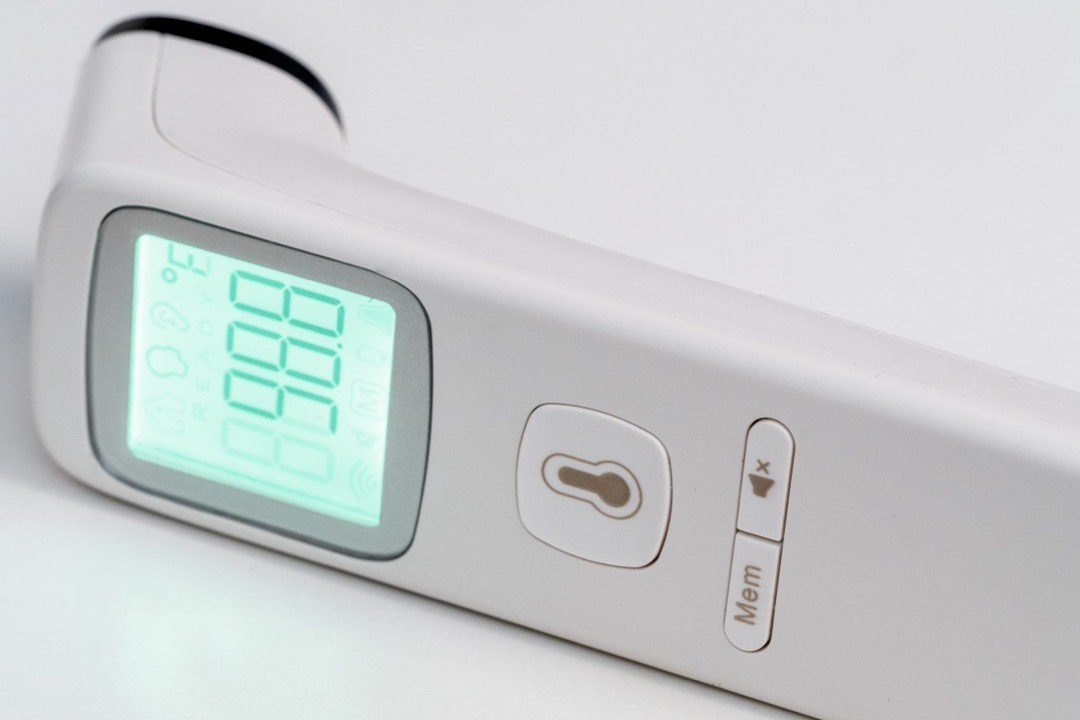
- A validated digital thermometer. Not a forehead strip, not a no-touch infrared thermometer that has been sitting unused for two years. An oral or temporal-artery digital thermometer with fresh batteries, kept in a known location. Our best thermometers for adults roundup walks through the validated options. A thermometer is how you document fever objectively — “I feel feverish” is not a clinically useful data point.
- A fingertip pulse oximeter. An inexpensive fingertip device is the single most underused tool in a household medical kit. Influenza pneumonia can drop oxygen saturation before a patient feels short of breath, and a 30-second oximeter reading is the only practical way to catch that at home. The best pulse oximeters roundup covers the FDA-cleared models.
- Two classes of fever reducer. Acetaminophen (Tylenol) and an NSAID (ibuprofen or naproxen). Many patients can only safely take one or the other based on their medical conditions, so know in advance which is appropriate for you and stock that one in adequate quantity.
- Zinc acetate or gluconate lozenges. The benefit window closes at roughly 24 hours of symptoms; lozenges that arrive on Amazon three days into your illness are not useful. Our best zinc supplements guide walks through the lozenge formulations with the strongest evidence base.
- Oral rehydration packets. Pedialyte, Liquid I.V., DripDrop, or a generic electrolyte powder. Dehydration is the single most common reason an otherwise healthy flu patient deteriorates at home and the single easiest thing to prevent.
- Cold and cough symptom relief. Honey for cough (any flavor, more effective than dextromethorphan in head-to-head studies for adults and children over 1 year old), a saline nasal spray, and a guaifenesin-only expectorant. Combo products are convenient but introduce the medication-stacking risk discussed below — see the best cough medicine guide.
- A box of disposable surgical masks and hand sanitizer. For the sick person to wear around others, and for caretakers to use during close contact.
- A current first-aid and home-medicine bin. Tissues, a humidifier with a clean filter, replacement bottled water. A consolidated first aid kit plus a flu-specific add-on bin keeps the materials together.
Assemble this in October. Replace expired medications annually. Put it somewhere that anyone in the household can find it without help, because by January, the person who put it together may be the person too sick to remember where it is.
The 48-Hour Window: Why Acting Fast on the Flu Matters
This is the single most important section in this guide, and the reason it has its own heading.
Influenza is the only common respiratory virus for which we have an evidence-based, FDA-approved antiviral therapy that meaningfully changes the course of the illness — and the therapeutic window for that benefit is narrow. Oseltamivir (Tamiflu), zanamivir (Relenza), peramivir (Rapivab), and baloxavir (Xofluza) are most effective when started within 48 hours of symptom onset. The earlier within that window, the better. Studies show that antivirals started in the first 24 hours reduce symptom duration by roughly 24 to 36 hours, reduce hospitalization risk in high-risk populations by 50 percent or more, and lower the risk of secondary bacterial pneumonia substantially.
Started after 48 hours, the benefit narrows sharply. In hospitalized patients, late-started antivirals still reduce mortality, but the magnitude of effect is much smaller than in outpatients treated early.
Who needs antivirals? Per CDC guidance, treatment is recommended for any patient with suspected or confirmed influenza who is at higher risk of complications: adults 65 and older, children under 5 (especially under 2), pregnant patients and patients within two weeks postpartum, patients with chronic lung disease (including asthma and COPD), heart disease, diabetes, kidney disease, liver disease, blood disorders, neurologic conditions, weakened immune systems (HIV, cancer, transplant, immunosuppressive medications), and anyone with a BMI of 40 or higher. CDC also recommends consideration of antivirals for otherwise healthy adults who present early and want to shorten the illness or reduce the risk of household transmission.
The practical implication: at the first sign of flu — abrupt fever, body aches, headache, dry cough, exhaustion — call your doctor that day, not in three days when “it does not seem to be getting better.” A telehealth visit is sufficient for the antiviral prescription in most states. Be specific on the call: name the symptom onset hour if you can, because the 48-hour clock starts at first symptom, not at the moment you decide to call.
A validated digital thermometer is how you know. The clinical syndrome of influenza — fever over 100.4°F plus cough plus body aches in winter — has a high enough positive predictive value during peak flu weeks that a confirmatory rapid test, while useful, is not required to start the antiviral. Document the temperature, document the time of onset, and call.
When You’re Sick: Symptom Monitoring
Once the illness is underway, the day-to-day question shifts from “do I have flu” to “is this flu following the expected course or is it deteriorating into something I need to escalate.” The data you need to answer that question are temperature, oxygen saturation, hydration status, and breathing effort — measured and documented, not estimated.
Is It Flu, Cold, COVID, or RSV?
Symptom overlap among the four most common winter respiratory viruses is substantial, and the distinction matters because antivirals exist for flu and COVID but not for the common cold or, for most adults, RSV. A rapid test at home or in clinic resolves the ambiguity definitively, but the symptom pattern provides a strong initial signal.
| Symptom | Flu | Cold | COVID-19 | RSV | Allergies |
|---|---|---|---|---|---|
| Onset | Abrupt (hours) | Gradual (days) | Variable | Gradual | Sudden on exposure |
| Fever | Common, high (100–104°F) | Rare | Common, variable | Common in kids, rare in adults | Never |
| Body aches | Severe | Mild | Common, variable | Mild | Never |
| Headache | Common, severe | Mild | Common | Uncommon | Common (sinus) |
| Cough | Dry, then productive | Mild | Variable, often dry | Productive, wheezy | Postnasal drip |
| Sore throat | Sometimes | Common | Common | Common | Sometimes |
| Runny/stuffy nose | Sometimes | Hallmark | Common | Hallmark in infants | Hallmark |
| Sneezing | Rare | Common | Sometimes | Sometimes | Hallmark |
| Loss of taste/smell | Rare | Rare | Distinctive | Rare | Rare |
| Itchy eyes | Never | Rare | Rare | Rare | Hallmark |
| Fatigue | Severe, profound | Mild | Common, variable | Moderate | Mild |
| Duration | 5–7 days | 7–10 days | 5–14+ days | 7–14 days | Persistent with exposure |
The pattern that most reliably suggests flu is abrupt onset of high fever, severe body aches, and profound fatigue in the same hour. A patient who can pinpoint the hour their illness started is more likely to have flu than a cold. If sneezing, runny nose, and itchy eyes dominate with no fever and no body aches, allergies are far more likely than flu — our allergy medicine guide covers the appropriate over-the-counter options for that case. When in doubt, a combined flu/COVID rapid test (available at most pharmacies) resolves the question in 15 minutes.
Fever Thresholds by Population
Fever is not a uniform finding. The threshold that warrants clinical evaluation depends on the patient.
- Infants under 3 months: ANY rectal temperature of 100.4°F (38.0°C) or higher is a medical emergency. This is not a “watch and wait” situation — neonatal fever can represent serious bacterial infection that requires immediate evaluation. Go to the ER.
- Infants 3 to 6 months: Rectal temperature of 102°F (38.9°C) or higher, or any fever lasting more than 24 hours, warrants same-day pediatric evaluation.
- Children 6 months to 2 years: Fever above 102°F that does not respond to acetaminophen or ibuprofen, or any fever lasting more than 72 hours, warrants evaluation.
- Children and adults: Fever above 103°F (39.4°C), or fever lasting more than 5 days, or fever that resolves and then returns, warrants clinical contact.
- Adults over 65: Older adults often mount lower fever responses to serious infection. A temperature of 100°F in a frail 80-year-old with new confusion can be as concerning as a 103°F in a 30-year-old. Lower the threshold for concern in this population.
- Immunocompromised patients (chemotherapy, transplant, biologics, advanced HIV): Any fever of 100.4°F or higher, regardless of how the patient feels, warrants same-day contact with the relevant specialist team. Neutropenic fever is an oncologic emergency.
When to Check Oxygen Saturation
A fingertip pulse oximeter is the most underused tool in flu monitoring. Take a reading once or twice a day during illness, and immediately if breathing changes. Use the same finger each time, warm the hand, remove nail polish, and hold still for 30 seconds.
Interpretation thresholds for healthy adults:
- 95 to 100%: Normal.
- 93 to 94%: Borderline. Recheck in an hour after warming the hand and resting. If persistently in this range, call your physician’s office.
- 90 to 92%: Call your doctor today. Patients with underlying lung disease may chronically read in this range, but any drop from a known baseline of 95%+ to this range during illness is clinically significant.
- Below 90%: Emergency. Go to the ER.
Two caveats. First, oximeters can read 2 to 4 percent artificially high in patients with darker skin tones, which means a Black or South Asian patient reading 92% may have a true saturation closer to 88 to 90% and should be evaluated more conservatively. Second, COPD and severe asthma patients often have chronically low baseline saturations; know your baseline and treat a drop from baseline as the relevant signal, not the absolute number. Our best pulse oximeters roundup covers the FDA-cleared fingertip models.
Medication Safety: What Most Checklists Get Wrong
Every flu season, my practice sees a small but consistent stream of patients who have been harmed by medication mistakes that began with a well-intentioned reading of the symptom-relief shelf at the pharmacy. The most common errors are below.
| Mistake | Why it’s dangerous | What to do instead |
|---|---|---|
| Taking Tylenol PLUS DayQuil/NyQuil | DayQuil and NyQuil already contain acetaminophen (Tylenol). Adding standalone Tylenol stacks the dose. Acute acetaminophen overdose is the leading cause of acute liver failure in the US. | Read the active-ingredient label on every combo product. Track total daily acetaminophen across all sources; do not exceed 3,000 mg/day for sustained use in healthy adults, less in patients with liver disease or alcohol use. |
| Ibuprofen with kidney disease, uncontrolled hypertension, or active dehydration | NSAIDs cause renal sodium retention and can precipitate acute kidney injury in dehydrated patients, worsen blood pressure control, and trigger heart failure decompensation. | Use acetaminophen instead. If BP is borderline at home on a validated monitor, avoid NSAIDs during illness. |
| NyQuil or any PM-formulation in adults over 65 | The diphenhydramine in PM products causes daytime sedation, confusion, urinary retention, and meaningfully increases fall risk in older adults. It is on the Beers Criteria list of medications to avoid in the elderly. | Use a non-sedating cough product. Honey for cough is evidence-based. For sleep, address the underlying symptoms (fever control, congestion) rather than adding a sedating antihistamine. |
| Pseudoephedrine in hypertension, prostate enlargement, or anxiety | Direct vasoconstrictor that raises BP 10–15 mmHg, worsens urinary retention, and can trigger palpitations and panic. | Saline nasal spray, steam, oxymetazoline (Afrin) for no more than 3 days. |
| ”Stacking” multiple combo products | DayQuil, NyQuil, Mucinex DM, Tylenol Cold, and a separate cough syrup can together deliver triple the safe dose of one ingredient. | Pick ONE combo product or pick single-ingredient products. Never both. The cough medicine guide walks through which active ingredients pair safely. |
| Aspirin in children or teens with viral illness | Reye syndrome — rare but devastating. | Never give aspirin to anyone under 18 with a viral illness. Acetaminophen or ibuprofen only. |
| Antibiotics “just in case” | Flu is viral. Antibiotics do nothing to flu and contribute to resistance and to C. difficile risk. | Antibiotics are appropriate only if a secondary bacterial infection develops (sinusitis, pneumonia, otitis media), which a clinician will evaluate. |
The structural lesson behind every row in that table: the active ingredient is what matters, not the brand name. Two products with different brand names can contain the same drug, and stacking them produces an overdose. Read labels.
Zinc and Supplements: The Evidence Is Nuanced
The supplement industry pushes a long list of products as flu remedies, and the actual evidence base is thinner than the marketing suggests. A few have meaningful support; most do not.
Zinc lozenges have the strongest evidence among OTC supplements. The 2015 Cochrane review of zinc for the common cold (which has been extended to similar viral upper respiratory illnesses) found that zinc lozenges started within 24 hours of symptom onset reduced cold duration by roughly one day. The effect was strongest for zinc acetate at doses of 75 mg or higher daily, divided into multiple lozenges. Zinc gluconate is the most common formulation on shelves and also shows benefit, though slightly less than acetate in head-to-head comparisons. Critical caveats: the benefit window is roughly 24 hours from first symptom — lozenges that arrive on day three of illness are unlikely to help. Zinc lozenges can cause nausea, especially on an empty stomach, and chronic high-dose zinc supplementation (months at a time) can deplete copper and cause neurologic problems. Use them for the duration of illness only, not as a daily supplement. The zinc supplements guide walks through the acetate vs. gluconate distinction and the dose ranges with evidence support.
High-dose vitamin C has weak evidence for flu treatment. The Cochrane review on vitamin C for the common cold found that routine supplementation does not reduce the incidence of colds in the general population, and the effect on duration is small (about 8% reduction). High-dose vitamin C (multi-gram daily) is unlikely to harm a healthy adult, but it is also unlikely to substantially change the course of a flu, and patients with a history of kidney stones should avoid it.
Elderberry (Sambucus nigra) has some in vitro and small clinical evidence for shortening upper respiratory illness, but the studies are small, mostly industry-sponsored, and not consistent. The more important practical concern: elderberry is an immune stimulant, and patients with autoimmune disease (rheumatoid arthritis, lupus, multiple sclerosis, inflammatory bowel disease) or those on immunosuppressive medications should avoid it. The same caveat applies to echinacea.
Vitamin D correlates with respiratory infection risk in observational studies, but supplementation in already-replete patients does not change outcomes acutely. If you are vitamin D deficient based on a serum 25-OH-D level, year-round replacement is reasonable. If you are not deficient, taking high-dose vitamin D at the first sign of flu will not help.
Probiotics, oscillococcinum, “immune-boosting” teas, and proprietary herbal blends lack adequate evidence to recommend. The money spent on these is money not spent on a thermometer, a pulse oximeter, and antiviral co-pays — which is where the evidence actually lives.
Humidifier Use: Helpful With One Important Caveat
Dry airway mucosa makes flu symptoms worse — it thickens secretions, makes coughs more painful, and can trigger nosebleeds in patients on decongestants. A humidifier or steam source helps. So does plain hydration; many patients underestimate how much fluid replacement matters compared to environmental humidity.
The caveat: humidifiers grow mold and bacterial colonies in the water reservoir within days. A humidifier that runs continuously for a week without cleaning aerosolizes those organisms into the air the sick person is breathing, which can trigger asthma, hypersensitivity pneumonitis, and worsen the underlying respiratory illness it was meant to relieve. Empty the reservoir daily, refill with fresh water, and clean the unit with white vinegar or a manufacturer-recommended cleaner every three days during active use. Use distilled water if your tap water is high in mineral content.
Cool-mist humidifiers are preferred over warm-mist for households with young children — warm-mist units pose a burn risk if knocked over. Ultrasonic and evaporative cool-mist designs are equally effective for relieving congestion when properly maintained.
One distinction worth making clearly: a humidifier is not the same as a nebulizer. A humidifier adds environmental moisture; a nebulizer delivers a measured dose of medication (albuterol, ipratropium, hypertonic saline, budesonide) as an aerosol directly into the airways. Patients with asthma, COPD, or chronic bronchitis who develop a viral respiratory illness often need a nebulizer treatment to manage bronchospasm — see our best nebulizers guide. A humidifier alone is not a substitute for prescribed bronchodilator therapy in those populations.
Day-by-Day Recovery: When to Worry
A typical uncomplicated influenza in a healthy adult follows a predictable pattern. Knowing the pattern lets you recognize when an illness is deviating from it.
Days 1 to 3 — acute phase. High fever (often 101 to 103°F), severe body aches, headache, exhaustion, dry cough, and varying degrees of nasal congestion or sore throat. Most patients feel worst on days 2 and 3. Aggressive hydration, fever control, rest, and — if started within the 48-hour window — antivirals.
Days 4 to 7 — improvement phase. Fever should be trending down (with or without antiviral therapy). Body aches should be easing. Cough often becomes more productive as airway mucus mobilizes. Energy returns gradually. By day 7, most uncomplicated cases are 70 to 90 percent recovered, though the cough and fatigue can persist longer.
Day 7 and beyond — escalation triggers. This is where vigilance matters most, because secondary bacterial complications classically appear here. The patient feels better, then suddenly worsens. The single most important pattern to recognize: fever that resolves for a day or two and then returns higher than before. That biphasic fever curve is the textbook presentation of secondary bacterial pneumonia after influenza and is one of the leading causes of flu mortality. Other day-7+ warning signs include a cough that worsens rather than improves, new chest pain, new shortness of breath, productive cough with green or rust-colored sputum, ear pain (otitis media), sinus pain that intensifies after initial improvement (bacterial sinusitis), and any new neurologic symptoms.
If you see any of those patterns after day 7, call your physician the same day. A chest X-ray, a CBC, and a clinical exam are typically all that is needed to determine whether bacterial superinfection has developed and antibiotics are appropriate.
When to Go to the ER vs Call Your Doctor
Patients err in both directions on this question. Some go to the ER for symptoms that a phone call would have managed; some sit at home with symptoms that needed emergent evaluation hours ago.
Go to the ER (or call 911) immediately for:
- Oxygen saturation below 90% on a fingertip pulse oximeter
- Severe shortness of breath, struggling to complete a sentence, or audible wheezing/stridor
- Chest pain, chest pressure, or pain radiating to the arm or jaw
- Confusion, altered mental status, or new difficulty waking the patient
- Bluish lips, face, or fingernails (cyanosis)
- Seizures
- Severe persistent vomiting or no urination for 8 or more hours (significant dehydration)
- Any fever of 100.4°F or higher in an infant under 3 months
- In children: ribs visibly retracting with each breath, refusal to drink, no tears when crying, lethargy
- A flu illness that improved and then suddenly worsened with high fever and new symptoms
Call your doctor (same day, not next week) for:
- Fever above 103°F that does not respond to acetaminophen or ibuprofen
- Oxygen saturation 90 to 94% (sustained)
- New productive cough with green, yellow, or rust-colored sputum
- Ear pain or significant facial/sinus pain
- Symptoms persisting beyond 10 days without improvement
- Any flu symptom in a high-risk patient (pregnant, immunocompromised, over 65, chronic lung/heart/kidney disease) — especially for the antiviral discussion within the 48-hour window
- New or worsening symptoms in a patient on immunosuppressive medication, chemotherapy, or biologic therapy
Manage at home with monitoring for:
- Typical influenza in a healthy adult, days 1 to 7, with fever responding to OTC medications, oxygen saturation above 95%, hydration maintained, and no concerning escalation signs.
When uncertain, err toward calling your physician’s nurse line. Triage nurses are exceptionally good at distinguishing “watch and wait” from “go to the ER now.”
Prevention Between Seasons
The best flu treatment is the one you never need to administer. Three interventions have meaningful preventive evidence.
Annual influenza vaccination. The CDC recommends annual flu vaccination for everyone aged 6 months and older, with rare exceptions. The optimal timing is to be vaccinated by the end of October, before influenza begins circulating widely in most US regions, though vaccination remains worthwhile any time during the season. Older adults (65+) should request the high-dose or adjuvanted formulation (Fluzone High-Dose, Flublok, or Fluad), which produces a stronger immune response than the standard-dose vaccine. Pregnant patients should be vaccinated during pregnancy — this protects the mother and provides transplacental antibody protection to the infant for the first six months of life. The vaccine cannot give you flu; the most common side effect is mild arm soreness and occasionally a low-grade fever for 24 hours. The annual update of the vaccine antigens is why protection wanes and re-vaccination is needed every year.
Hand hygiene and respiratory etiquette. Influenza virus survives on hard surfaces for up to 24 hours and on soft surfaces for shorter periods. Frequent hand washing with soap and water for 20 seconds, alcohol-based hand sanitizer (60%+ ethanol) when soap is unavailable, avoiding face-touching, and coughing into the elbow rather than the hand all reduce transmission. These are not glamorous interventions, but the cumulative effect is substantial — household transmission rates fall by roughly half when these practices are consistent.
Surface disinfection during peak weeks. During household illness, wipe down high-touch surfaces daily — doorknobs, light switches, refrigerator handles, faucet handles, remote controls, phones. Any standard household disinfectant (quaternary ammonium, hydrogen peroxide, alcohol-based) is effective. Replace toothbrushes after illness recovery and do not share food, drinks, or utensils with sick household members.
Masking in crowded settings during peak weeks. Surgical or N95 masks worn in indoor crowded settings during peak flu weeks meaningfully reduce transmission. This is not a year-round recommendation for most people, but during the peak weeks of a severe flu season — particularly for high-risk patients — selective masking is a reasonable layered defense.
Keep the home medical bin current year-round. A maintained first aid and home medicine kit covers the OTC flu essentials alongside the rest of household medical needs. Check it at the season change in October and again in March — replace expired medications, test thermometer and pulse oximeter batteries, and replenish electrolyte packets.
The Bottom Line
The medical decisions that meaningfully change a flu illness — antiviral therapy, fluid replacement, fever monitoring, oxygen monitoring, and timely escalation — happen mostly in the first 48 hours and depend almost entirely on supplies you needed to have on hand before you got sick. Build the bin in October: a validated digital thermometer, a fingertip pulse oximeter, acetaminophen, ibuprofen (if your medical conditions allow), zinc lozenges, oral rehydration packets, single-ingredient cough and congestion products, masks, and tissues. At the first sign of flu, call your physician the same day to discuss antivirals — the 48-hour window is the single most important clinical timer in this illness. Treat fever, hydrate aggressively, check oxygen saturation at least twice daily, and watch specifically for the day-7+ pattern of fever that resolves then returns. Know the ER triggers cold: oxygen below 90%, severe shortness of breath, chest pain, confusion, bluish lips, any fever in an infant under three months, no urination in eight hours, and that biphasic fever curve. Get the annual vaccine. Wash your hands. The 2026 flu season will land somewhere on the spectrum from mild to severe — the household that prepared in October will not have to figure out which one it is from inside the illness.
Frequently Asked Questions
What should you stock up on for flu season?
What should you take at the first sign of the flu?
How do I know if my oxygen level is dangerously low?
When should you go to the ER for the flu?
Is it safe to take ibuprofen and DayQuil together for the flu?
Related Articles
About the Reviewer

Dr. David Taylor, MD, PhD
Drexel University College of Medicine (MD), Indiana University School of Medicine (PhD)
Dr. David Taylor is a licensed physician and medical researcher who founded BestRatedDocs in 2016. With an MD from Drexel University and a PhD from Indiana University School of Medicine, he combines clinical expertise with a passion for health technology to provide evidence-based product recommendations. Dr. Taylor specializes in health informatics and regularly evaluates medical devices, diagnostic equipment, and therapeutic products to help healthcare professionals and patients make informed decisions.