Best Probiotics for Women of 2026
Dr. David Taylor, MD, reviews the best probiotics for women. Compare 12 top picks by CFU, named strains, delivery capsule, and honest tolerance data.
Updated
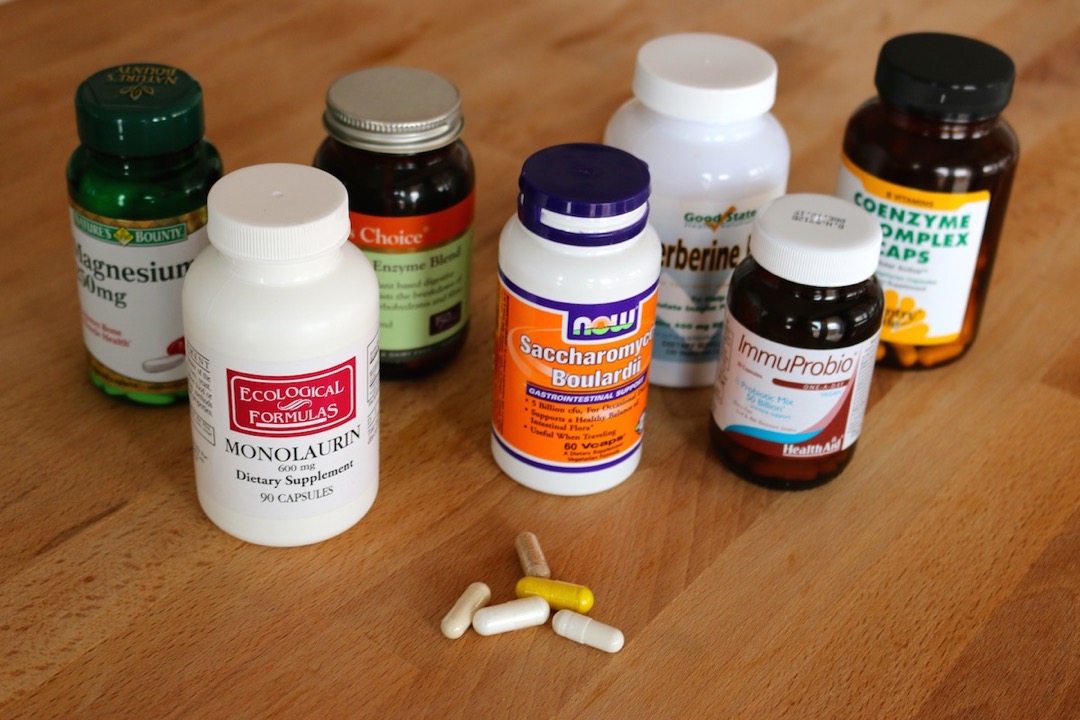
Walk down the supplement aisle and the women’s probiotic shelf looks like an arms race. One hundred billion CFU. Thirty-four strains. Four-in-one benefits. Almost none of those numbers is the variable that decides whether the bottle in your hand will do anything for your digestion, and after two decades of fielding this question in clinic I have watched a lot of money go into products chosen entirely on the biggest figure printed on the front. The best probiotics for women in 2026 are not the ones with the largest counts. They are the ones that name what is inside them, get it past your stomach alive, and are pleasant enough to take every day for the two or three months it takes to know whether they help.
The case for probiotics for women and gut health rests on a few genuinely distinct pressures. Transit time through the colon is on average slower in women than in men, which is part of why constipation and bloating are more commonly reported. Hormonal shifts across the menstrual cycle, pregnancy, and menopause change gut motility and the microbial community that lives there. Urinary tract infections are far more common in women than in men, which is why cranberry extract and D-mannose show up in so many of these formulas. Iron supplementation, which many women take, is itself a well-known cause of constipation, a pairing I cover in more detail in our guide to iron supplements.
We evaluated 12 products for this guide, all of them currently available and each with a substantial base of verified reviews. What follows is a full review of each, then four sections matching a specific need (over 50, gummies, prebiotic combinations, and the weight loss question) to the right products on this page. If you are not shopping for a women’s-specific formula at all, our general probiotics guide covers the same ground without the cranberry and the pink label.
Find the Right Probiotic for Your Needs
Different situations point to genuinely different products here. Jump to the one that matches yours:
- Best probiotics for women overall, all 12 picks reviewed in full
- Best probiotics for women over 50
- Gummy probiotics for women
- Best prebiotics and probiotics for women
- Best probiotics for women and weight loss
How We Selected These Probiotics
Every product in this guide has at least 5,000 verified Amazon ratings, which is the floor we set so that tolerance and consistency signals reflect a real population rather than a handful of early buyers. Beyond that, we applied four filters. First, label transparency: products that name their organisms scored higher than those hiding a roster inside an unnamed proprietary blend, and where a CFU count is not disclosed at all we say so in the review rather than quietly skipping past it. Second, delivery engineering: enteric coatings, delayed-release shells, capsule-in-capsule designs, and spore-forming organisms all address the same problem, which is that stomach acid kills most probiotic bacteria. Third, honest tolerance data: we read the critical reviews as carefully as the positive ones, because the first-week gas, nausea and heartburn reports are the reason most people abandon a probiotic before it has had a fair chance. Fourth, the add-ins had to be defensible on their own merits rather than decorative.
We deliberately included products across a wide quality and price range, including two with ratings at or near 4.0, because the most-searched products in this category are not always the best ones and readers deserve to know why before they buy. We also included one product that is not marketed to women at all, for a reason explained in its review.
Best Probiotics for Women Overall
These are the 12 products that made the guide, reviewed in full below in the order we would recommend considering them. Physician’s CHOICE Probiotics for Women is our best overall pick because it combines a sensible dose, a delayed-release capsule, and the cranberry and D-mannose add-ins that give a women’s formula an actual reason to exist, at a price that makes daily use sustainable. The four need-specific sections that follow the reviews then match particular situations to particular bottles.
1. Physician’s CHOICE Probiotics for Women — Best Overall
Physician’s CHOICE built this formula the way I would if I were designing one: a dose inside the range where the trial data actually sits, a delivery mechanism that addresses acid rather than ignoring it, and add-ins chosen for a problem women genuinely face more often. Fifty billion CFU is comfortably above the threshold used in most published digestive-health trials without being so aggressive that first-week adjustment symptoms become the defining experience. The delayed-release capsule matters more than the count does. A plain capsule dissolves in a stomach running at a pH near 2, which is lethal to Lactobacillus and Bifidobacterium organisms, and the industry’s usual answer is to overdose and hope enough survives. A shell that holds until the small intestine is the better engineering answer.
The cranberry extract and D-mannose are the honest reason to buy a women’s formula rather than a general one. Neither is a probiotic and neither will help your digestion. Both are associated with urinary tract support, which is a real and disproportionate burden for women, and having them in the same capsule as your daily probiotic is a genuine convenience. If urinary tract health is not on your list of concerns, you are paying for ingredients you do not need, and the general probiotics roundup will serve you better.
The limitation is the same one that applies to most of this category. The six strains are described as a proprietary blend, which means you cannot look up a single one of them against the published literature. That is a real deduction and it is why this is the best practical pick rather than the best-evidenced one. In clinic, though, the practical pick is usually the one that works, because it is the one people keep taking. A subset of buyers do report stomach discomfort in the first week; if you are among them, take it with a meal rather than on an empty stomach and give it a fortnight before deciding.

Physician's CHOICE Probiotics for Women
by Physician's CHOICE
The most complete women's daily capsule here: 50 billion CFU, a delayed-release shell, and cranberry plus D-mannose for urinary tract support.
Pros
- 50 billion CFU across 6 strains paired with cranberry extract and D-mannose, the two add-ins most often used for urinary tract support
- Delayed-release capsule is designed to carry the culture through gastric acid rather than overdosing to compensate for die-off
- One shelf-stable capsule a day, which is the dosing pattern women are most likely to sustain over the months a probiotic actually needs
- Third-party tested, with a verified review base large enough that its tolerance profile is a real signal rather than anecdote
Cons
- The 6 strains are sold as a proprietary blend, so individual strain identifiers cannot be cross-referenced against published trials
- A subset of buyers report stomach discomfort during the first week, which is common at this CFU level but worth planning around
2. NATURE TARGET Probiotics for Women, 100 Billion CFU — Budget Pick
NATURE TARGET’s pitch is arithmetic, and on the numbers alone it wins the page: 100 billion CFU across 31 strains, plus a four-ingredient urinary tract stack of D-mannose, cranberry, hibiscus and dandelion, for less than anything else here. The most common sentiment in its reviews is some version of “works as well as the expensive brands”, which is the review that matters most for a value pick.
The enteric coating is not a throwaway line. Enteric polymers resist dissolution at low pH and break down at the higher pH of the small intestine, which is a genuinely different mechanism from a plain gelatin capsule and the reason this product can justify its count reaching the intestine largely intact. Two capsules deliver the 100 billion total, at 50 billion each, so you can start with one while your gut adjusts. That is worth doing. First-week bloating and gassiness is the most common complaint here, and it is exactly what you would expect when you introduce this many organisms at once.
Two honest caveats. The brand is newer and its review base is by far the smallest of the capsules on this page, which means less evidence about batch-to-batch consistency over years. And like most of the category, none of the 31 strains carries a published identifier, so the roster is impressive as a number and unverifiable as a clinical claim. For a first probiotic, or for anyone who wants to run a long trial without a large outlay, those are acceptable trades.

NATURE TARGET Probiotics for Women, 100 Billion CFU
by NATURE TARGET
The most CFU and the most strains for the least money, with a genuine enteric coat and a urinary tract add-in stack.
Pros
- 100 billion CFU split across two enteric-coated capsules, tied for the highest labeled count in this guide
- 31 strains spanning the Lactobacillus, Bifidobacterium and Streptococcus families for broad fermentation coverage
- Enteric coating is a real delivery mechanism rather than a label flourish, releasing the culture past the stomach
- Adds D-mannose, cranberry, hibiscus and dandelion alongside the culture, so it doubles as a urinary tract formula
Cons
- Newer brand with a far smaller review base than the category leaders, so long-run batch consistency is less established
- First-week bloating and gassiness is a common report, which is expected at 100 billion CFU but still unpleasant
- Strain identifiers are not published, so nothing in the roster can be matched to a specific trial
3. Seed DS-01 Daily Synbiotic — Upgrade Pick
Let me be straightforward about why this is here. Seed DS-01 is not a women’s probiotic. It carries no cranberry, no D-mannose, no menopause framing, and Seed does not market it to women specifically. It earns its place because it is the only product on this page with a named, published clinical trial behind the finished formulation rather than behind its individual ingredients, and because if you want the most rigorously characterised probiotic available without a prescription, this is it.
The engineering is the most sophisticated in consumer probiotics. The capsule-in-capsule design nests the 24-strain culture inside an outer capsule made of polyphenol prebiotic compounds, so the outer shell absorbs the acid exposure while the inner capsule stays sealed until it is past the stomach. The AFU labelling is another quiet marker of seriousness: active fluorescent units are counted by flow cytometry, which measures cells that are alive and metabolically active, rather than the older plate-count method that CFU figures come from. Comparing 53.6 billion AFU against a competitor’s 100 billion CFU is not comparing like with like, and Seed’s number is the more conservative measurement.
The objections are real. It is the priciest option in this guide, and a recurring theme in its critical reviews is that buyers did not feel the difference justified it. A subset report nausea in the first several days, which is unsurprising when 24 new organisms arrive at once. And if what you actually want is a probiotic with urinary tract support built in, this is the wrong product regardless of how good the science is. Buy this one if strain-level evidence is what you are paying for.
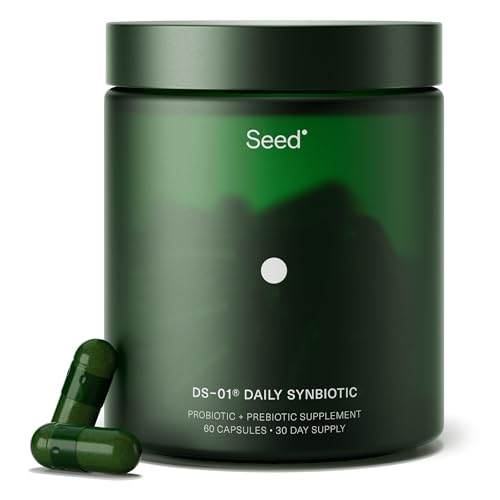
Seed DS-01 Daily Synbiotic
by Seed
The only product here with a named published trial on the finished formula, included as the clinical-grade pick despite not being women's-branded.
Pros
- 24 defined strains with published research behind the complete DS-01 formulation, not only its individual components
- Capsule-in-capsule architecture nests the culture inside a prebiotic outer shell for layered protection through the stomach
- Labeled in AFU (active fluorescent units), which counts viable cells by flow cytometry instead of the older plate-count convention
- Vegan, dairy-free, soy-free and gluten-free, which suits most restricted diets
Cons
- Not formulated or marketed for women specifically, so there is no cranberry, D-mannose or other women's-health add-in
- Sits at the top of this guide's price range, which is the recurring theme in its critical reviews
- Nausea in the first several days is reported by a subset of users adjusting to 24 new strains
4. Garden of Life Dr. Formulated Once Daily Women’s Probiotics — Runner-Up
Garden of Life does something almost nobody else in this category does: it puts organism names on the label. Lactobacillus reuteri and Lactobacillus fermentum are called out specifically rather than absorbed into a blend, and after reading dozens of these labels I can tell you how unusual that is. It does not go all the way to full strain designators, so you still cannot match them to a specific trial, but it is one meaningful step further than the proprietary-blend approach that dominates the shelf.
Fifty billion CFU across 16 strains in a single once-daily capsule is a sensible configuration. The dose is inside the evidence range, the diversity is broad enough to cover the major fermentation patterns without becoming a number-chasing exercise, and one capsule a day is the format people actually sustain. It is shelf-stable, so there is no cold chain to break during shipping or on a warm shelf. This has been among the most-reviewed women’s probiotics on Amazon for years, which means its tolerance profile is better characterised than almost anything else on this page.
That tolerance profile includes a recurring note of nausea and loose stools in the first few days, which appears often enough in critical reviews to plan for. Take it with food, and if the first three days are rough, that is adjustment rather than intolerance. It becomes a reason to stop only if it is still happening at two weeks. This is the pick for a reader who wants the most established women’s formula and values a label she can partially verify. Many women take it alongside a daily multivitamin, and our multivitamins for women guide covers how to sequence the two.

Garden of Life Dr. Formulated Once Daily Women's Probiotics
by Garden of Life
The closest thing to label transparency in a mainstream women's probiotic, with L. reuteri and L. fermentum called out by name.
Pros
- Names L. reuteri and L. fermentum on the label instead of burying the roster in an unnamed proprietary blend
- 50 billion CFU across 16 strains in a single once-daily capsule
- One of the largest verified review bases in the entire women's probiotic category, so the tolerance picture is well characterised
- Shelf-stable, with no cold chain to worry about during shipping, travel or a warm kitchen cupboard
Cons
- Nausea or loose stools during the first few days are a recurring theme in critical reviews
- Organisms are named at genus and species level without full strain designators, so trial-matching is still incomplete
5. Culturelle Probiotics for Women with Prebiotics, 4-in-1
Culturelle has more clinical heritage than any other brand on this page. Its core line is built on Lactobacillus rhamnosus GG, the most-studied probiotic strain in existence, and that track record buys a level of manufacturing credibility that white-label formulas simply do not have. This women’s 4-in-1 product is a five-strain blend with prebiotics in a single daily capsule, and it carries the highest star rating of any capsule in this guide.
What makes it genuinely good is the thing that sounds least impressive: it is easy. One capsule, no refrigeration, no splitting doses, no timing rules beyond taking it consistently. A probiotic only works if you take it for weeks, and the format most likely to be taken for weeks is the one that asks the least of you. For a reader who has abandoned two previous probiotics because of a two-capsule regimen or a fridge requirement, this is the sensible next attempt.
Now the criticism, and it is a legitimate one. Culturelle does not disclose the CFU count for this product anywhere on the listing. That is a strange omission from a brand that discloses it elsewhere in its own range, and it makes potency comparison against every other product on this page impossible. Combined with mixed digestive feedback, where a meaningful share of reviewers report no change after several weeks, it is the reason this sits fifth rather than higher. If the count matters to you, buy something that will tell you what it is.

Culturelle Probiotics for Women with Prebiotics, 4-in-1
by Culturelle
The easiest formula here to stick with, from the most established brand, held back by a listing that will not state its CFU count.
Pros
- Among the highest-rated capsules in this guide across a substantial verified review base
- Five-strain blend with prebiotics in a single daily capsule from a brand with a long clinical track record
- Once-daily dosing with no refrigeration, which is the format most likely to actually be taken every day
- Established manufacturer with a documented quality program, unusual in a category full of white-label formulas
Cons
- CFU count is not disclosed anywhere on the listing, which makes potency impossible to compare against anything else here
- Digestive feedback is mixed, with a meaningful share of reviewers reporting no change after several weeks
6. Renew Life Women’s Care Probiotic, 25 Billion CFU
This is the product I would point to when explaining why CFU count is a bad way to shop. Renew Life carries the lowest count in this guide at 25 billion, and it is also the only product here that guarantees live cultures through the printed expiration date rather than at time of manufacture. Those two facts belong together. A count measured at packing is a number about a bottle that has not yet spent months in a warehouse, a truck and your cupboard, all of which kill probiotic organisms. A guarantee through expiration is a claim about what you are actually swallowing.
Twenty-five billion CFU across 12 strains sits comfortably inside the 5 to 50 billion range where most published digestive-health trial data lives. Nothing about this dose is underpowered; it is simply honest about a smaller number that means more. The Non-GMO Project Verified mark is an independent third-party credential rather than a self-declaration, which in a category regulated as food rather than as medicine counts for something. One vegetarian capsule a day, from a company that has been doing this for decades.
The complaint that comes up over and over is the smell. A number of reviewers describe an unpleasant odor when opening the bottle. It is characteristic of the lyophilised culture rather than a sign of spoilage, but it is genuinely off-putting if you were not expecting it. If you want to understand what these guarantees and certifications actually mean when you are standing in front of a shelf, our guide to reading a supplement label walks through the fine print.

Renew Life Women's Care Probiotic, 25 Billion CFU
by Renew Life
The only product here that guarantees its count through expiration, which matters more than a bigger number guaranteed at manufacture.
Pros
- Guarantees live cultures through the expiration date rather than only at time of manufacture, which very little else here does
- 25 billion CFU across 12 strains, a dose that sits squarely inside the range where most published trial data exists
- Non-GMO Project Verified in a vegetarian capsule, a third-party credential rather than a self-declaration
- Once-daily dosing from a brand that has been in this category for decades
Cons
- A noticeable capsule odor is the single most common complaint in its reviews
- Lowest CFU count in this guide, which will disappoint anyone shopping on the headline number
7. Wholesome Wellness Dr. Formulated Raw Probiotics for Women
Thirty-four strains is the largest roster in this guide, and 100 billion CFU across two capsules ties for the highest count. If you have decided that diversity is what you want, this is the maximal expression of that idea available in a women’s formula, and it comes with cranberry for urinary tract support and manufacturing in a GMP-certified facility.
The most interesting ingredient here is not a probiotic at all. Wholesome Wellness includes lactase, the enzyme that breaks down lactose. A meaningful proportion of women who believe their bloating is a microbiome problem actually have some degree of lactose malabsorption, and no probiotic strain in existence will fix that. Lactase will. Its inclusion turns a general formula into something that quietly addresses a common cause of the exact symptom most buyers are trying to solve, which is a smarter piece of formulation than the strain count on the front of the bottle.
Two caveats. Stomach aches during the first week appear in critical reviews often enough that I would start with one capsule rather than two and build up over a week. And, as with most of this category, none of the 34 organisms carries a published strain identifier, so the roster is a diversity claim rather than a clinical one. Take that number as an indication of breadth, not of evidence.

Wholesome Wellness Dr. Formulated Raw Probiotics for Women
by Wholesome Wellness
The broadest strain roster on this page, with a lactase enzyme that quietly solves a bloating cause probiotics cannot touch.
Pros
- 34 strains, the most diverse roster in this guide by a clear margin
- 100 billion CFU across two capsules, with cranberry included for urinary tract support
- Added lactase enzyme is genuinely useful for women whose bloating is driven by dairy rather than by the microbiome
- Manufactured in a GMP-certified facility
Cons
- Stomach aches during the first week appear often enough in reviews to justify starting with a single capsule
- Two capsules a day, and strain identifiers are not published for any of the 34 organisms
8. Physician’s CHOICE Probiotics for Weight Management & Bloating
This is the same manufacturer as our best overall pick, applied to a different problem, and it needs the most careful framing of anything on this page. It is a six-strain probiotic paired with cayenne and green tea extract standardised as Greenselect Phytosome, a formulation with its own small research base for metabolic support that is independent of the probiotic component.
Here is the honest reading. Its star rating sits near the bottom of the capsules in this guide, and the reviews divide sharply. Buyers who came for bloating relief are broadly positive. Buyers who came for weight loss are not, and the gap between those two groups is the whole story of this product. The probiotic-and-weight literature in humans is genuinely mixed. Some trials show modest changes in body composition with specific strains, many show nothing, and none supports the idea that a capsule substitutes for the dietary and activity changes that drive weight outcomes. Heartburn is also a recurring complaint, and that is a plausible pharmacological effect of cayenne and green tea extract rather than of the culture.
Buy this one if bloating is your target and you are curious about the botanical extras. Do not buy it as a weight loss intervention, because that is not what the evidence supports and the review data reflects exactly that disappointment. The CFU count is not disclosed on the listing, which is a further reason to treat it as a bloating formula with extras rather than as a potency purchase.

Physician's CHOICE Probiotics for Weight Management & Bloating
by Physician's CHOICE
A bloating-focused formula with botanical extras, worth considering only with realistic expectations about the weight claims.
Pros
- Six-strain probiotic paired with green tea extract standardised as Greenselect Phytosome plus cayenne
- Built around bloating and metabolic support rather than being a general formula with a new front label
- Same manufacturer and delivery approach as our best overall pick, so the probiotic half is a known quantity
- One capsule daily, taken with water, which keeps the routine simple
Cons
- One of the lower star ratings among the capsules in this guide, and weight-related results in reviews are genuinely mixed
- Heartburn is a recurring complaint, plausibly from the cayenne and green tea rather than the culture
- CFU count is not disclosed on the listing
9. BB Company Provitalize Probiotics for Women
Provitalize is the most-reviewed menopause-framed probiotic on Amazon, and that alone makes it worth addressing directly rather than leaving off the page. It targets women over 40 dealing with midlife digestive changes, weight shifts and joint discomfort, and pairs its culture with turmeric, moringa and Bioperine, the black pepper extract used to improve curcumin absorption.
The rating is 4.0, the lowest in this guide, and I want to be plain about what sits behind that number. A meaningful subset of reviewers report nausea and diarrhea, not as a mild first-week adjustment but as a reason they stopped taking it. That is a materially higher rate of significant gastrointestinal complaint than the other capsules here, and it is the single most important thing to know before buying. Start with one capsule rather than the two-capsule serving, take it with food, and stop if it is still causing symptoms after a fortnight.
The second issue is disclosure. The CFU count is not stated on the listing, so you cannot compare its potency against anything else on this page, and it sits among the more expensive options here despite that. The botanicals may well be doing useful work, and menopause-related digestive change is a real complaint that deserves real products. But a product that will not tell you how much of the active ingredient it contains, at this rating, is one to approach with your eyes open rather than on the strength of the review count.

BB Company Provitalize Probiotics for Women
by BB Company
The default menopause probiotic by sheer review volume, but the rating and the missing CFU disclosure both deserve a hard look first.
Pros
- The most-reviewed menopause-framed probiotic on Amazon, so there is a large body of real-world experience to read
- Pairs its culture with turmeric, moringa and Bioperine rather than relying on the probiotic alone
- Aimed specifically at women over 40 dealing with midlife digestive and weight changes
- Two-capsule daily serving allows a half dose while adjusting
Cons
- Lowest star rating in this guide at 4.0, and a meaningful share of reviewers report nausea or diarrhea
- CFU count is not disclosed on the listing, so potency cannot be compared with anything else here
- Among the more expensive options on this page despite the missing potency disclosure
10. OLLY Probiotic + Prebiotic Gummy, Peachy Peach
The gummy section of this page needs a clinical caveat before anything else: the CFU counts are one to two orders of magnitude below the capsules, and no amount of good formulating changes that. OLLY delivers 500 million CFU of Bacillus coagulans per gummy against the 25 to 100 billion the capsules carry. That is the trade, and it is worth understanding rather than glossing over.
What OLLY gets right is the biology. Bacillus coagulans is spore-forming, meaning it encases itself in a protective structure that tolerates heat, moisture and stomach acid. That is the only reason a probiotic can survive in a warm, moist, sugar-containing gummy at all, and it is why every gummy on this page uses a Bacillus species rather than the Lactobacillus and Bifidobacterium organisms that dominate the capsules. The FOS prebiotic gives the culture a substrate to feed on once it arrives, which makes this a synbiotic rather than a probiotic alone. One gummy a day for a 60-day supply is the longest run between repurchases of any gummy here.
The recurring complaint is mechanical rather than clinical: the gummies stick together in the bottle and are awkward to prise apart. Minor, but it comes up constantly. Buy this for one reason, which is that you will not take a capsule. A low-dose probiotic taken every day beats a high-dose one sitting unopened in a drawer, and that argument is genuinely valid.

OLLY Probiotic + Prebiotic Gummy, Peachy Peach
by OLLY
The easiest probiotic on this page to take every day, at a dose far below the capsules, which is the trade you are making.
Pros
- Bacillus coagulans is spore-forming, so it survives a gummy matrix and stomach acid in a way Lactobacillus generally does not
- One gummy a day for a 60-day supply, the longest run between repurchases of any gummy here
- FOS prebiotic included, so the culture arrives with a substrate to feed on
- Genuinely palatable, which is the whole reason gummies exist and the reason people keep taking them
Cons
- 500 million CFU is a fraction of what any capsule on this page delivers
- Gummies stick together in the bottle and are awkward to separate, the single most repeated complaint
11. Align Dualbiotic, Prebiotics and Probiotics
Align is the brand American gastroenterologists have recommended more than any other for years, a reputation built on its capsule line rather than on this gummy. What the Dualbiotic brings to this page is transparency of a kind nothing else here offers: it is the only product in the guide that tells you its sugar content, at 1 gram of beet sugar per serving. Every other gummy contains sugar and none of them says how much. That disclosure is a small thing that reflects a larger institutional habit.
The formula is 1 billion CFU of Bacillus coagulans paired with inulin, a chicory-root fiber that is among the best-characterised prebiotics available. Pairing a spore-forming organism with a real prebiotic fiber makes this a genuine synbiotic rather than a probiotic with a marketing word attached. At 1 billion CFU it is twice the OLLY dose and a fifth of the vitafusion dose, sitting in the middle of the gummy field.
The inulin is also the catch. Bloating and gas during the first week are reported by a notable share of reviewers, and inulin is the far more likely culprit than the culture, since fermentable fibers produce gas by design when colonic bacteria get to them. If you are sensitive to fiber supplements generally, expect the same response here and start with one gummy. The serving is two gummies, so the bottle depletes twice as fast as the count on the front suggests. If prebiotic fiber is what you actually want, our comparison of probiotics and prebiotics explains which one your symptoms point to.

Align Dualbiotic, Prebiotics and Probiotics
by Align
The most transparent gummy here, and a real synbiotic, though the inulin that makes it one is also what causes the first-week gas.
Pros
- The only product on this page that discloses its sugar content, at 1 gram of beet sugar per serving
- 1 billion CFU of Bacillus coagulans paired with inulin, a well-characterised prebiotic fiber
- Align is the brand US gastroenterologists have recommended most often for years, and that reputation is earned on its capsule line
- Natural fruit flavors with no artificial colors
Cons
- Bloating and gas during the first week are reported by a notable share of reviewers, likely from the inulin rather than the culture
- Two gummies per serving means the bottle runs down twice as fast as the count suggests
12. Vitafusion Probiotic Gummies
Vitafusion carries the highest CFU count of any gummy in this guide at 5 billion per two-gummy serving, which puts it within reach of the lower end of the capsule range rather than far below it. More importantly for a category built on vagueness, it names its organisms: Bacillus coagulans IS-2 and Bacillus subtilis DE-111 are specific, published strain designators you can look up, which is more than most capsules on this page manage.
Both are spore-formers, which is the correct biology for this format. A spore is a dormant, armoured state that survives the manufacturing heat, the moisture in the gummy matrix and the acid in your stomach, then germinates in the intestine. Choosing spore-formers is not a compromise in a gummy; it is the only design that makes sense, and vitafusion has picked two strains with real documentation behind them rather than a generic Bacillus. It also shares the highest star rating in this guide.
The complaint is arithmetic. Seventy gummies at two per serving is about 35 days, and reviewers routinely expect a 70-count bottle to last 70 days. Check the serving size before you judge the value. The other honest limitation is that the sugar content is not stated on the listing, so unlike Align you cannot know what you are taking on that front. Between the two, vitafusion gives you more culture and better-named strains; Align tells you more about what else is in the gummy.

Vitafusion Probiotic Gummies
by vitafusion
The strongest gummy on this page, and the only one naming its strains, at the cost of a bottle that empties faster than expected.
Pros
- 5 billion CFU per two-gummy serving, the highest count of any gummy in this guide
- Two named spore-forming strains, Bacillus coagulans IS-2 and Bacillus subtilis DE-111, rather than an unnamed blend
- Highest star rating in this guide across its verified reviews
- Spore-forming organisms are the right biology for a gummy, since they tolerate heat, moisture and acid
Cons
- 70 gummies at two per serving is roughly 35 days, and buyers routinely expect the bottle to last longer
- Still well below capsule potency, and the sugar content is not disclosed on the listing
Best Probiotics for Women Over 50
The digestive complaints that bring women over 50 to the probiotic aisle are real and they have physiological causes. Gastric acid production declines with age, transit time slows further, and the loss of oestrogen through menopause changes both gut motility and the composition of the microbial community. Add the medications that become more common after 50, from proton pump inhibitors to metformin, each with its own effect on the gut, and the picture is genuinely different from the one at 30.
What that does not mean is that a probiotic marketed at menopause is automatically the right answer. The three products below cover the realistic range. Provitalize is the category default by review volume and is built around the menopause framing with botanicals attached, but its 4.0 rating and its nausea reports mean it deserves a cautious start rather than an enthusiastic one. Garden of Life is the safer, better-documented daily capsule with named organisms and a once-daily format. Renew Life is the pick if you value knowing that the count on the label survives to the expiration date, and its lower dose is easier on a gut that has become more sensitive with age.
One practical note for this group specifically. If you are on a proton pump inhibitor, your stomach acid is already suppressed, which paradoxically improves probiotic survival through the stomach but also raises the background risk of bacterial overgrowth. That combination is worth raising with your physician rather than resolving alone. Bone and iron status also deserve attention at this stage, and our multivitamins for women guide covers what changes after 50.
| Product | Price | Buy |
|---|---|---|
| BB Company Provitalize Probiotics for WomenMost-reviewed menopause formula The menopause-framed default by review volume, with turmeric and moringa, though the 4.0 rating and nausea reports warrant a half-dose start | $53.00 | View on Amazon |
| Garden of Life Dr. Formulated Once Daily Women's ProbioticsBest documented daily capsule Names L. reuteri and L. fermentum, once daily, with the best-characterised tolerance profile of the three | $26.97 | View on Amazon |
| Renew Life Women's Care Probiotic, 25 Billion CFUGentlest dose for a sensitive gut The lowest dose here and the only one guaranteed live through expiration, which suits a gut that has become more reactive | $32.84 | View on Amazon |
Gummy Probiotics for Women
Gummies exist because a large number of people will not swallow capsules, and there is no clinical value in prescribing a format someone will abandon. The honest comparison is not gummy versus capsule on potency, because the capsule wins that by one to two orders of magnitude. It is gummy taken daily versus capsule taken sporadically, and on that comparison the gummy often wins.
All three gummies here use spore-forming Bacillus organisms for the same reason: nothing else survives the manufacturing process and the shelf life of a gummy. Where they differ is dose, naming and disclosure. Vitafusion carries the most culture at 5 billion CFU per serving and names both of its strains, which is the strongest combination of the three. Align carries 1 billion CFU plus inulin, making it a true synbiotic, and it is the only product on this page that discloses its sugar content. OLLY sits lowest on dose at 500 million CFU but takes only one gummy a day for a 60-day run, which is the least demanding routine here.
Two things to watch with any gummy. Sugar is present in all of them and usually undisclosed, which matters if you are managing blood glucose. And the gummy format invites overconsumption in a way capsules do not, particularly in households with children, so keep the bottle where a supplement belongs rather than where sweets live.
| Product | Price | Buy |
|---|---|---|
| Vitafusion Probiotic GummiesHighest-potency gummy 5 billion CFU per serving and the only gummy here naming both of its strains, B. coagulans IS-2 and B. subtilis DE-111 | $22.49 | View on Amazon |
| Align Dualbiotic, Prebiotics and ProbioticsBest synbiotic gummy 1 billion CFU with inulin prebiotic, and the only product on this page that discloses its sugar load | $22.20 | View on Amazon |
| OLLY Probiotic + Prebiotic Gummy, Peachy PeachEasiest daily routine One gummy a day for a 60-day supply, the lowest dose here but the least demanding routine to keep | $21.99 | View on Amazon |
Best Prebiotics and Probiotics for Women
A synbiotic is a probiotic and a prebiotic in the same product, and the logic is straightforward: live organisms arriving in the colon do better when the substrate they feed on arrives with them. Prebiotics are non-digestible fibers, most commonly inulin, fructooligosaccharides or polyphenol compounds, that pass through the small intestine untouched and are fermented by bacteria in the colon. That fermentation is what produces the short-chain fatty acids associated with gut barrier function, and it is also what produces gas.
That last point is the practical one. If you have taken a probiotic before and found it caused more bloating than it relieved, the prebiotic fiber is a more likely explanation than the bacteria. Starting at a half dose and building up over two weeks usually resolves it. If it does not, a probiotic without a prebiotic is a reasonable alternative, and several products on this page fit that description.
Of the three below, Seed has the most sophisticated approach, using its prebiotic as the outer capsule so it serves as both an acid barrier and a substrate. Culturelle combines its five strains with a prebiotic blend in the simplest once-daily format on the page. Align pairs its culture with inulin in gummy form, which is the most accessible entry point if capsules are the obstacle. For the underlying distinction and when each one is the right tool, our probiotics versus prebiotics guide goes deeper, and if fiber intake is the real gap our fiber supplement guide covers that separately.
| Product | Price | Buy |
|---|---|---|
| Seed DS-01 Daily SynbioticBest engineered synbiotic The prebiotic forms the outer capsule, working as both an acid barrier and a substrate for the 24 strains inside | $59.99 | View on Amazon |
| Culturelle Probiotics for Women with Prebiotics, 4-in-1Simplest daily synbiotic Five strains plus a prebiotic blend in one capsule a day, the easiest synbiotic here to actually keep taking | $27.27 | View on Amazon |
| Align Dualbiotic, Prebiotics and ProbioticsBest synbiotic gummy Bacillus coagulans with inulin in gummy form, though the inulin is also what causes the first-week gas | $22.20 | View on Amazon |
Best Probiotics for Women and Weight Loss
I want to set expectations before recommending anything in this section, because it is the area where the gap between marketing and evidence is widest. The human research linking gut bacteria to body weight is genuinely interesting and genuinely unsettled. Some randomised trials of specific strains report modest changes in body composition. Many report nothing. No trial supports the idea that a probiotic capsule produces meaningful weight loss on its own, and any product implying otherwise is well ahead of its evidence.
What probiotics can plausibly do is address bloating and abdominal distension, which is often what people are actually responding to when they say a supplement helped them feel lighter. That is a real benefit and it is worth having. It is not fat loss, and conflating the two is how people end up disappointed with a product that was working as well as it could.
With that framing, Physician’s CHOICE Weight Management is the most direct option here, combining a six-strain culture with green tea extract and cayenne, though its 4.1 rating and its heartburn reports reflect exactly the mixed results the literature would predict. Culturelle is the sensible alternative if bloating rather than weight is the honest target, since it does the digestive job without botanical stimulants. Seed is the option for someone who wants the best-characterised formula and no weight claims attached to it at all. If appetite and satiety are the real issue, dietary fiber has considerably better evidence than any probiotic, and our fiber supplement guide is the more useful page.
| Product | Price | Buy |
|---|---|---|
| Physician's CHOICE Probiotics for Weight Management & BloatingMost direct bloating formula Six strains with green tea extract and cayenne, aimed at bloating, though the 4.1 rating reflects mixed weight results and heartburn reports | $29.97 | View on Amazon |
| Culturelle Probiotics for Women with Prebiotics, 4-in-1Best without stimulants Handles the digestive side without botanical stimulants, which suits anyone who got heartburn from a weight-framed formula | $27.27 | View on Amazon |
| Seed DS-01 Daily SynbioticBest evidence, no weight claims The most rigorously studied formula here, sold on gut health rather than on any weight claim | $59.99 | View on Amazon |
How to Choose a Probiotic for Women
The six factors in the guide below cover the core decision. Three further points come up often enough in clinic that they belong on the page.
What the benefits of probiotics for women actually are, stated conservatively. Patients ask me this before they ask anything else, and the honest answer is narrower than the box suggests but not empty. Digestion is where the evidence is strongest and where most people will notice something: regularity, less bloating and abdominal distension, and a shorter, milder course of antibiotic-associated diarrhea when the probiotic is started with the antibiotic rather than after the symptoms begin. That last one has the best trial support of anything in this category. Immune function is the second claim you will see, and it is real but modest. Most of your immune tissue sits along the gut wall, and specific strains have been shown to modestly reduce the duration of common respiratory infections in controlled trials. Modest is the operative word. A probiotic is not an immune booster in any sense that would change how often you get sick in a given winter, and anyone selling it that way has left the evidence behind. The women’s-specific add-ins, cranberry and D-mannose, are aimed at urinary tract support rather than at the bacteria themselves, and they are a reasonable thing to want in a daily formula. What none of this establishes is a benefit for vaginal flora specifically, which is a genuinely different question with a different strain roster and its own evidence base. If that is what you are shopping for, our vaginal probiotics guide is the right page and this one is not. Give any product on this page eight to twelve weeks before deciding it works, because that is how long the honest trials run.
The strain gap nobody in this category admits. Almost every article you will read about women’s probiotics names the same three organisms: Lactobacillus rhamnosus GR-1, Lactobacillus reuteri RC-14, and Lactobacillus crispatus. Those names come from real research, most notably the work of Gregor Reid and colleagues on the GR-1 and RC-14 pairing, which is the best-documented strain combination in women’s health. Here is what those articles do not tell you. No general women’s probiotic currently sold on Amazon in the United States actually contains them. Every product carrying those specific strains is formulated and marketed for vaginal health rather than as a general daily supplement. So when you buy a general women’s probiotic, you are buying digestive support with urinary tract add-ins, which is a perfectly good thing to buy. What you are not getting is the strain roster the articles are describing. Garden of Life names L. reuteri and L. fermentum at species level, which is the closest anything mainstream comes. If you specifically want the GR-1 and RC-14 combination, that is a different product category and a conversation to have with your gynecologist.
Drug interactions, which almost nothing else covers. Antibiotics are the one that matters most and the one most often mishandled. An antibacterial antibiotic does not distinguish between the bacteria causing your infection and the ones in the capsule you just swallowed. Take the probiotic at least two hours away from the antibiotic dose, continue for two to four weeks after finishing the course, and expect better results than starting after the diarrhea has already begun. Immunosuppressant medication is the second category to flag: if you are on one, a live-organism supplement is a decision for your prescribing physician, not for a product page. Antifungal medication will suppress yeast-based probiotics such as Saccharomyces boulardii for the same reason antibiotics suppress bacterial ones. Nothing on this page is yeast-based, but it is worth knowing if you add one.
What the regulation actually is. Probiotics are sold under the Dietary Supplement Health and Education Act, which regulates them as foods. The FDA does not approve them, does not verify the CFU count on the label, and does not evaluate the structure-function claims on the box, which is precisely what that asterisked disclaimer means. No probiotic is FDA-approved to treat, prevent or cure any condition, including anything on this page. This is not a reason to avoid them. It is a reason to weight independent verification heavily, to read the label rather than the front of the box, and to treat a supplement as an adjunct to medical care rather than a replacement for it. If you are pregnant, discuss any supplement with your obstetric provider first, and see our prenatal vitamins guide for what is established in that setting.
Buyer's Guide
The women's probiotic aisle is sold on two numbers, CFU count and strain count, and neither is the variable that decides whether the product works. These six factors are what actually separate a formula worth taking daily from a well-marketed one.
Named Strains Over CFU Count
The International Scientific Association for Probiotics and Prebiotics defined a probiotic in its 2014 consensus statement as live microorganisms that, administered in adequate amounts, confer a health benefit on the host. The operative word is adequate, not maximum. Published research attaches to specific strains, identified down to a designator such as GG or 35624, not to genera. A label reading 'Lactobacillus acidophilus' names an organism with hundreds of distinct strains behaving differently in the gut, so it tells you almost nothing you can check. When a product lists 34 strains but names none of them, treat the roster as a marketing figure rather than a clinical one. Products naming their organisms, like Garden of Life and vitafusion, can at least be looked up.
CFU at Expiration, Not at Manufacture
Probiotic organisms die on the shelf. A CFU count guaranteed at time of manufacture is a claim about a bottle you never saw, made before months of warehousing, shipping in a hot truck, and sitting in your cupboard. What matters is how many organisms are alive when you swallow the capsule. Very few products state this clearly. Renew Life is the exception in this guide, guaranteeing live cultures through the printed expiration date, and that guarantee is worth more than a larger number promised at packing. Read the fine print near the CFU figure on any product you are considering. If it says 'at time of manufacture', discount the number accordingly, and if it says nothing at all, assume the same.
Delivery: Enteric, Delayed-Release, or Capsule-in-Capsule
Stomach acid runs at a pH of roughly 1.5 to 3.5, which is lethal to most Lactobacillus and Bifidobacterium organisms. A plain capsule dissolves in that environment and dumps its contents into the worst possible place, which is why some products simply overdose to compensate for die-off. The engineered alternatives work differently. Enteric coatings resist acid and dissolve at the higher pH of the small intestine. Delayed-release shells buy transit time. Seed's capsule-in-capsule nests the culture inside a prebiotic outer capsule that absorbs the acid exposure. Spore-forming organisms such as Bacillus coagulans sidestep the problem entirely by forming a protective spore, which is why they, and not Lactobacillus, are what you find in gummies.
What the Women's-Specific Add-Ins Actually Do
Most women's probiotics differentiate through non-probiotic ingredients rather than through the culture. Cranberry extract and D-mannose are the two most common, and both are associated with urinary tract support rather than with digestion. Lactase, as in the Wholesome Wellness formula, is an enzyme that breaks down lactose and can resolve dairy-driven bloating that no probiotic strain will touch. Inulin and fructooligosaccharides are prebiotic fibers that feed the culture, and are also the most common cause of first-week gas. Turmeric, moringa and green tea extracts are botanicals with their own separate evidence base. None of these are probiotics. Decide whether you want the add-in on its own merits, because you are paying for it either way.
Capsules Versus Gummies
The gap is larger than the shelf placement suggests. Capsules on this page carry 25 to 100 billion CFU. Gummies carry 500 million to 5 billion, one to two orders of magnitude less, because a gummy is a warm, moist, sugar-containing matrix that most probiotic organisms cannot survive. Gummy makers solve this by using spore-forming Bacillus species, which are hardy but represent a much narrower slice of the research literature than Lactobacillus and Bifidobacterium. Gummies also carry sugar, and most listings do not disclose how much. Align is the exception here at 1 gram per serving. The counterargument is real: the best probiotic is the one you take every day, and for someone who cannot swallow capsules, a gummy at a low dose beats a capsule in a drawer.
Third-Party Testing and the DSHEA Reality
Under the Dietary Supplement Health and Education Act, probiotics are regulated as foods rather than as drugs. The FDA does not review them for safety or effectiveness before they reach the shelf, does not verify the CFU count, and does not evaluate the structure-function claims printed on the box. That is what the asterisk and the small-print disclaimer on every one of these bottles means. No probiotic is FDA-approved to treat, prevent or cure any condition. Independent verification is therefore the only meaningful check, and credentials such as NSF, USP, Non-GMO Project Verified, or a documented third-party testing program carry real weight. Their absence does not prove a product is bad. It means the only assurance you have is the manufacturer's word.
Final Verdict
For most women looking for a daily probiotic to support digestion, regularity and urinary tract health, Physician’s CHOICE Probiotics for Women is our best overall pick. It gets the fundamentals right in the order that matters: a dose inside the range the research actually supports, a delayed-release capsule that addresses stomach acid rather than overdosing around it, and cranberry with D-mannose as add-ins that give a women’s formula a real reason to exist. One capsule a day and shelf stability are not exciting features, but they are the ones that determine whether the bottle is empty in two months or still half full.
If cost is the constraint, NATURE TARGET delivers the highest count and the broadest strain roster on the page with a genuine enteric coating, at the price of a shorter track record. If you want the most rigorously studied formula available and are willing to give up the women’s-specific add-ins to get it, Seed DS-01 stands alone. And Garden of Life remains the strongest all-round runner-up, with the most transparent label of any mainstream women’s formula. If a women’s-specific product is not what you actually need, our general probiotics guide covers the same categories without the premium, and our prebiotics comparison will tell you whether fiber rather than bacteria is the thing your symptoms are pointing at.
A final word from the clinic. Probiotics are a reasonable, low-risk adjunct for most healthy women, and they are not a treatment. Give any product eight weeks before deciding, take it at the same time each day, and start at a half dose if you are prone to bloating. If you are significantly immunocompromised, have a central venous catheter, or have acute severe pancreatitis, do not start one without your physician’s involvement, because in those specific situations live organisms carry documented risk. And if your symptoms include weight loss, blood in the stool, or a change in bowel habit that came on suddenly after age 50, that needs a doctor rather than a supplement.
Frequently Asked Questions
Should women take a probiotic every day?
How many billion CFU does a woman actually need?
How long does it take for a probiotic to start working?
What is the best time of day to take a probiotic?
Who should not take probiotics?
Related Articles
About the Reviewer

Dr. David Taylor, MD, PhD
Drexel University College of Medicine (MD), Indiana University School of Medicine (PhD)
Dr. David Taylor is a licensed physician and medical researcher who founded BestRatedDocs in 2016. With an MD from Drexel University and a PhD from Indiana University School of Medicine, he combines clinical expertise with a passion for health technology to provide evidence-based product recommendations. Dr. Taylor specializes in health informatics and regularly evaluates medical devices, diagnostic equipment, and therapeutic products to help healthcare professionals and patients make informed decisions.