Turmeric and Curcumin: Benefits and Dosage
Dr. David Taylor on turmeric and curcumin benefits and dosage: what trials show, how trial doses compare with EFSA limits, liver injury risk and interactions.
Updated
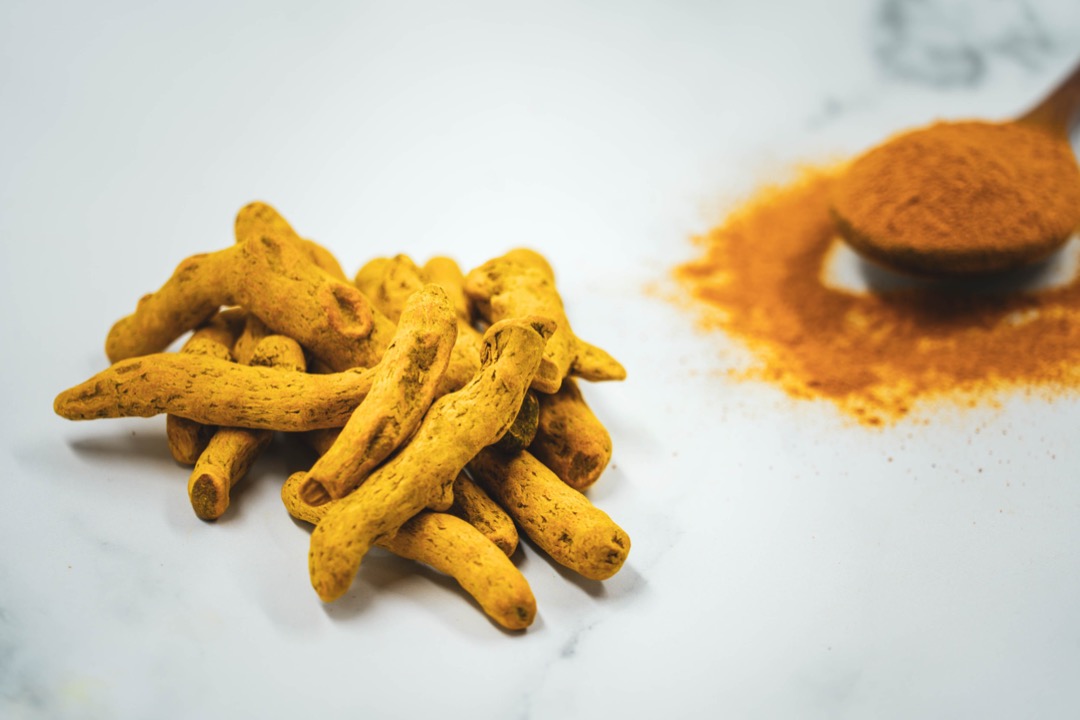
Turmeric is one of the supplements patients ask me about most, and the conversation usually starts in the wrong place. Someone has read that curcumin is “as good as ibuprofen” or that “up to 8 grams a day is safe,” and they want to know which capsule to buy. Before I answer, I want them to understand three things: what the evidence on turmeric and curcumin benefits actually shows, how trial doses compare with the limits regulators have set, and why liver injury has moved from a footnote to a formal warning in several countries.
This guide covers all three, plus absorption, who should avoid turmeric, and the drug interactions that matter. If you have already decided to try a product, our review of the best turmeric supplements compares specific options. If your interest is joint pain more broadly, start with our evidence review of supplements for joint health.
The Short Answer: What the Evidence Supports
The National Center for Complementary and Integrative Health (NCCIH), part of the NIH, updated its turmeric fact sheet in April 2025. Its summary is blunt: we do not know enough to conclude that turmeric or curcumin is beneficial for any health condition. That is more cautious than most supplement marketing, and I think it is the correct starting point.
Here is how I summarize the evidence for patients:
- Knee osteoarthritis pain has the most consistent trial support. The effect is modest, roughly comparable to an over-the-counter pain reliever in some short trials.
- Blood sugar and metabolic markers have some encouraging trials, including one well-designed study in prediabetes, but the findings have not been replicated at scale.
- Ulcerative colitis has small trials using curcumin as an add-on to standard medication, never as a replacement.
- Memory, mood, cancer prevention, heart disease and weight loss remain unproven in humans.
NCCIH also notes that conventional turmeric and curcumin products are likely safe for two to three months of use, that highly bioavailable formulations may harm the liver, and that supplement amounts are possibly unsafe in pregnancy. Those three points shape everything that follows.
Turmeric vs Curcumin: What’s the Difference?
Turmeric is the dried, ground rhizome of Curcuma longa, a plant in the ginger family, and the spice that colors curry and yellow mustard. Curcumin is its main active compound, one of three related pigments called curcuminoids (the other two are demethoxycurcumin and bisdemethoxycurcumin).
The distinction matters because whole turmeric powder contains only a few percent curcuminoids by weight. A capsule of “turmeric root powder” delivers a small fraction of the curcumin in a capsule of “turmeric extract standardized to 95% curcuminoids” at the same milligram weight. Almost all of the clinical trials below used concentrated extracts, not kitchen turmeric, so you cannot reproduce a trial dose by stirring spice into food. Culinary amounts are part of a normal diet, and none of the safety concerns below are about food use.
On a label, look for the milligrams of extract and the percentage of curcuminoids it is standardized to, then multiply to get milligrams of curcuminoids per serving. Our guide on how to read a supplement label walks through that serving-size math and the proprietary-blend problem, both of which apply here.
Turmeric and Curcumin Benefits: The Evidence by Condition
Knee osteoarthritis
This is the strongest use case and the main reason I discuss turmeric at all. Multiple randomized trials of curcumin extracts in knee osteoarthritis have found improvements in pain and function over several weeks, and a few head-to-head trials against ibuprofen found similar pain relief with fewer stomach complaints. The trials are generally small and short, and many were funded by formulation manufacturers, so I treat the effect as real but modest.
One finding should change how people dose it. A 2021 randomized trial by Hsiao and colleagues compared a low and a high dose of curcuminoids in knee osteoarthritis and found similar pain relief. More was not better.
Curcumin is at most one layer of a knee plan. Weight management and quadriceps strengthening do more over the long run. A supportive knee brace helps during activity, a heating pad eases morning stiffness, and a topical NSAID or other pain relief cream treats the joint with far less systemic exposure than pills. If you are weighing curcumin against acetaminophen, ibuprofen or naproxen, our comparison of OTC pain relievers covers the tradeoffs.
Blood sugar and metabolic health
The most cited trial here is Chuengsamarn and colleagues, published in Diabetes Care in 2012. It randomized 240 adults with prediabetes to curcumin extract (1,500 mg a day) or placebo for nine months, and fewer people in the curcumin group progressed to type 2 diabetes. It is a well-run trial, but it is a single study in a single population, at a dose several times the European safety limit described below. Other trials on glucose, cholesterol and fatty liver markers have been mixed.
If you take diabetes medication, curcumin may add to its glucose-lowering effect. Check your readings more often if you combine them; a continuous glucose monitor makes any change much easier to see.
Ulcerative colitis
A handful of small trials have tested curcumin added to mesalamine in mild to moderate ulcerative colitis, with some suggesting better rates of remission or maintenance. These are adjunct studies. Curcumin does not replace prescribed therapy for inflammatory bowel disease, so discuss it with your gastroenterologist first.
Memory and cognition
Small trials in older adults, some using a lipid-particle formulation, have produced mixed results on memory testing. None shows that curcumin prevents or slows dementia. I do not recommend it for this purpose.
What remains unproven
Much of the online enthusiasm comes from cell culture and animal studies, and laboratory activity does not translate reliably into human benefit, particularly for a compound the body absorbs so poorly. Human evidence for depression, cancer prevention or treatment, cardiovascular events and weight loss is absent or too preliminary to act on. Curcumin may also interfere with some chemotherapy agents, so never start it during cancer treatment without your oncologist’s agreement.
How Much Turmeric Should You Take Per Day?
This is where the common advice falls apart. Most health sites quote trial doses of roughly 500 to 2,000 mg of curcumin a day and say that up to 8 grams is safe. European regulators reached a very different number.
The European Food Safety Authority (EFSA) set an acceptable daily intake (ADI) for curcumin of 3 mg per kilogram of body weight per day. Germany’s Federal Institute for Risk Assessment (BfR), in Opinion 040/2021, applies that limit to total curcumin from all sources, food and supplements combined. Here is what it works out to (the arithmetic is ours, from the EFSA figure):
| Body weight | EFSA ADI (3 mg/kg/day) |
|---|---|
| 50 kg (about 110 lb) | 150 mg curcumin per day |
| 70 kg (about 154 lb) | 210 mg curcumin per day |
| 90 kg (about 198 lb) | 270 mg curcumin per day |
France’s food safety agency, ANSES, went further in a June 2022 opinion. It advised that supplements using conventional (non-enhanced) curcumin should not exceed 153 mg a day for a 60 kg adult, a little below the 180 mg ADI for that body weight.
The 1,500 mg used in the prediabetes trial is roughly seven times the ADI for a 70 kg adult, and many capsules on the market exceed the ADI in a single serving. The two numbers answer different questions. An ADI is a lifetime daily threshold with a deliberate safety margin, derived largely from animal data, so exceeding it for a supervised two-month trial is not the same as exceeding it every day for years. But it is the only regulator-set number available, and a dose many times above it should be a conscious decision, made with your physician, for a defined period.
Where “8 grams is safe” comes from
As best I can trace it, the figure comes from early dose-escalation studies. In a 2006 study in BMC Complementary and Alternative Medicine, Lao and colleagues gave healthy volunteers single doses up to 12 grams. These were tolerated, but very little curcumin reached the bloodstream, and the main limit at 12 grams was the number of tablets people could swallow. Tolerating a large single dose of a compound you barely absorb says little about a well-absorbed formulation taken daily for months. None of the regulators that have reviewed curcumin (EFSA, ANSES, BfR) uses anything close to 8 grams as a daily ceiling.
What I tell patients about dose
If you try curcumin for knee osteoarthritis, start at the lowest labeled serving, take it with a meal, and judge the result at eight weeks. Do not stack products: a turmeric capsule plus a “joint formula” that also contains curcumin is a common double dose. Our turmeric supplement comparison lists curcuminoid content per serving, which shows how far above the ADI a given capsule sits.
Black Pepper, Fat and Enhanced-Absorption Formulas
Plain curcumin is poorly absorbed. It dissolves badly in water, and what is absorbed is quickly converted by the liver and gut wall into inactive forms. Manufacturers use three broad fixes.
Piperine (black pepper extract). A 1998 study by Shoba and colleagues found that 20 mg of piperine taken with 2 g of curcumin raised its bioavailability in humans by about 2,000%. That was a short-term measurement, and baseline curcumin levels were close to the detection limit, so the large percentage increase started from almost nothing. Piperine works partly by slowing the enzymes that clear curcumin, and those same enzymes clear many prescription drugs.
Fat. Curcumin is fat-soluble, so taking it with a meal that contains some fat helps. Our guide to when to take supplements covers meal timing for fat-soluble supplements generally.
Branded delivery technologies. These are the names you will see on premium labels, described by how they work:
- Meriva binds curcumin to phosphatidylcholine (lecithin) in a “phytosome” complex.
- Theracurmin disperses curcumin as very fine colloidal particles.
- Longvida encases curcumin in solid lipid particles.
- CurcuWIN disperses curcumin within a water-soluble carrier.
- NovaSol dissolves curcumin in micelles made with an emulsifier.
Each manufacturer has published absorption studies using different methods, so I do not rank them on absorption figures.
Why better absorption is a safety question
The safety record people cite for curcumin was built largely on poorly absorbed forms, and EFSA’s ADI was also based on conventional curcumin. When a formulation raises the amount reaching your blood and liver, the same milligram dose is a larger exposure.
The regulators have noticed. Australia’s Therapeutic Goods Administration (TGA) said in 2023 that the risk of liver injury may be higher with enhanced-absorption products and higher doses. NCCIH flags highly bioavailable formulations specifically. ANSES pointed out that labels rarely say whether a product uses a conventional or an enhanced form. Better absorption may make a product more effective, and it also removes part of the margin that made curcumin look so benign.
Turmeric and Liver Injury: What the Case Reports Show
Liver injury from turmeric supplements is rare, but it is now documented in several countries.
United States. The Drug-Induced Liver Injury Network (DILIN) published its turmeric case series in the American Journal of Medicine in 2023 (Halegoua-DeMarzio and colleagues). Of 1,798 liver injury cases in the network’s registry, 345 were attributed to herbal and dietary supplements, and 10 of those to turmeric. Eight of the ten were women, the median age was 56, and injury appeared one to four months after starting. Five were hospitalized and one died. Seven of the ten carried an immune gene variant called HLA-B*35:01, at an allele frequency of 0.450 against roughly 0.06 to 0.07 in population controls. Piperine was present in only three of the seven products the investigators could test, so black pepper is not required for injury to occur.
Canada. A Health Canada summary safety review identified 12 Canadian cases and more than 60 international cases, including three deaths, two of which were attributed to turmeric. Health Canada described the injury as idiosyncratic and not dose-dependent.
Australia. The TGA’s August 2023 alert reported 18 cases of liver injury received by 29 June 2023. Nine had enough information to assess, and four had no other plausible cause. One case was fatal.
Europe. ANSES reported more than 100 adverse effect reports in France, including 15 cases of hepatitis, and Italy recorded around 20 hepatitis cases. BfR noted that some liver cases occurred at curcumin intakes below the ADI.
Two conclusions follow. First, this looks like an immune-type reaction in susceptible people. The HLA association points that way, and both Health Canada and BfR found that injury is not clearly tied to dose, so staying under a dose limit lowers your exposure without guaranteeing safety. Second, you cannot know in advance whether you are susceptible, because HLA typing is not a routine test.
Warning symptoms and the stop rule
Stop turmeric immediately and contact your physician if you notice any of the following, particularly in the first few months:
- Yellowing of the skin or the whites of the eyes
- Dark, tea-colored urine or pale stools
- Itching without a rash
- Pain or tenderness under the right ribs
- Unexplained fatigue, nausea or loss of appetite
Bring the bottle so your physician knows exactly what you took. The workup is a liver panel (ALT, AST, alkaline phosphatase and bilirubin). If turmeric is the likely cause, do not restart it or switch to a different turmeric product.
Who Should Not Take Turmeric Supplements
| Group | Why |
|---|---|
| Pregnancy | NCCIH considers supplement amounts possibly unsafe. Culinary use is fine. |
| Breastfeeding | Safety data are insufficient. Avoid supplement doses. |
| Gallstones or bile duct obstruction | Curcumin makes the gallbladder contract. In one study (Rasyid, 2002), 20 mg of curcumin contracted the gallbladder by up to 29% within two hours. ANSES advises avoiding it with bile duct disease. |
| Existing liver disease, or prior liver injury from any supplement | Less reserve if injury occurs. Discuss with your hepatologist first. |
| Bleeding disorders, or surgery within the next two weeks | Curcumin may impair platelet function. Stop before planned surgery and tell your surgeon. |
| Iron deficiency anemia | Curcumin binds iron and may reduce absorption. |
| History of kidney stones | Turmeric contains oxalate, and calcium oxalate stones are the most common type. Mainly a concern with whole-root powders. |
| Children | No established supplement dosing. Use food amounts only. |
If you have iron deficiency and still want to try turmeric, take it at a different time of day from your iron. Our guide to the best iron supplements covers forms that absorb well and how to time them.
Turmeric Drug Interactions
| Medication class | Examples | Concern |
|---|---|---|
| Anticoagulants, antiplatelets and NSAIDs | Warfarin, apixaban, clopidogrel, aspirin, ibuprofen, naproxen | Additive bleeding risk. Warfarin users have had INR changes. |
| Diabetes medications | Insulin, sulfonylureas, metformin | Additive glucose lowering. Hypoglycemia risk is highest with insulin and sulfonylureas. |
| Some chemotherapy agents | Varies by regimen | Curcumin may change how some agents are metabolized, and its antioxidant activity could blunt treatments that work through oxidative damage. Oncologist approval required. |
| Tacrolimus | Transplant immunosuppression | Curcumin may raise drug levels by slowing its metabolism. Do not combine without your transplant team. |
| Iron supplements | Ferrous sulfate, bisglycinate | Reduced iron absorption. Separate doses by several hours. |
Piperine adds its own layer. Because it slows the enzymes and transporters that clear many medications, a product with black pepper extract can raise levels of drugs that curcumin alone would not affect. If you take a prescription drug with a narrow safety margin, show the label to your pharmacist before starting.
Lead Contamination and How to Verify a Product
Turmeric has a contamination history unrelated to curcumin. Lead chromate, an industrial pigment, has been found added to turmeric in parts of South Asia to brighten its color, and turmeric products have been recalled in the US for elevated lead. Whole-root powders carry more exposure to this than purified extracts, although neither is immune.
Supplements are not approved by the FDA before sale, so the label is the manufacturer’s claim. Independent verification is the best protection consumers have:
- A USP Verified mark means the product was tested for identity, potency and contaminants, including heavy metals, and the facility was audited.
- NSF/ANSI 173 certification or the NSF Certified for Sport mark means similar testing by NSF.
Check the certifier’s online directory rather than trusting a seal on the bottle. Our review of the best turmeric supplements notes which products carry third-party verification.
How I Advise Patients to Use Turmeric
When a patient wants to try turmeric or curcumin, this is the protocol I use:
- Pick one target. Knee osteoarthritis pain is the only use with enough evidence for me to suggest a trial.
- Clear it against your medication list. Anticoagulants, antiplatelets, diabetes drugs, chemotherapy, tacrolimus and iron all need a conversation first.
- Rule out the exclusions: pregnancy, gallbladder or bile duct disease, liver disease, and planned surgery.
- Choose a verified product with a clear curcuminoid number. An enhanced-absorption formula delivers a larger exposure at the same milligram dose.
- Start at the lowest labeled serving, with a meal. Higher doses did not outperform lower doses in knee osteoarthritis.
- Set a time limit of eight weeks, which fits within the two to three months NCCIH considers likely safe for conventional forms. A weekly pill organizer shows whether you actually took it consistently.
- Know the stop rule. Jaundice, dark urine, pale stools or right-sided abdominal pain means stop and call.
If it has not helped your knee by eight weeks, stop. Non-drug options such as a TENS unit, heat and targeted exercise deserve a fair trial too, and they carry no liver risk. If it has helped, decide with your physician whether to continue beyond three months, ideally with a liver panel on record. I treat turmeric as a drug with a modest benefit and a rare but serious risk, and I suggest you do the same.
This article is educational and does not replace individual medical advice. Talk to your physician or pharmacist before starting turmeric, particularly if you take prescription medication or have a chronic condition.
Frequently Asked Questions
Can I get the benefits of curcumin by cooking with turmeric?
How long does turmeric take to work for joint pain?
Should I take turmeric with black pepper?
Can I take turmeric with ibuprofen or a blood thinner?
Is it safe to take turmeric every day?
Related Articles
About the Reviewer

Dr. David Taylor, MD, PhD
Drexel University College of Medicine (MD), Indiana University School of Medicine (PhD)
Dr. David Taylor is a licensed physician and medical researcher who founded BestRatedDocs in 2016. With an MD from Drexel University and a PhD from Indiana University School of Medicine, he combines clinical expertise with a passion for health technology to provide evidence-based product recommendations. Dr. Taylor specializes in health informatics and regularly evaluates medical devices, diagnostic equipment, and therapeutic products to help healthcare professionals and patients make informed decisions.