Supplements for Joint Health: What the Research Says
An MD's evidence-based review of glucosamine, chondroitin, turmeric, omega-3, collagen, boswellia, MSM, SAMe, and vitamin D for joint pain — what the trials actually show, dosages, and drug interactions.
Updated
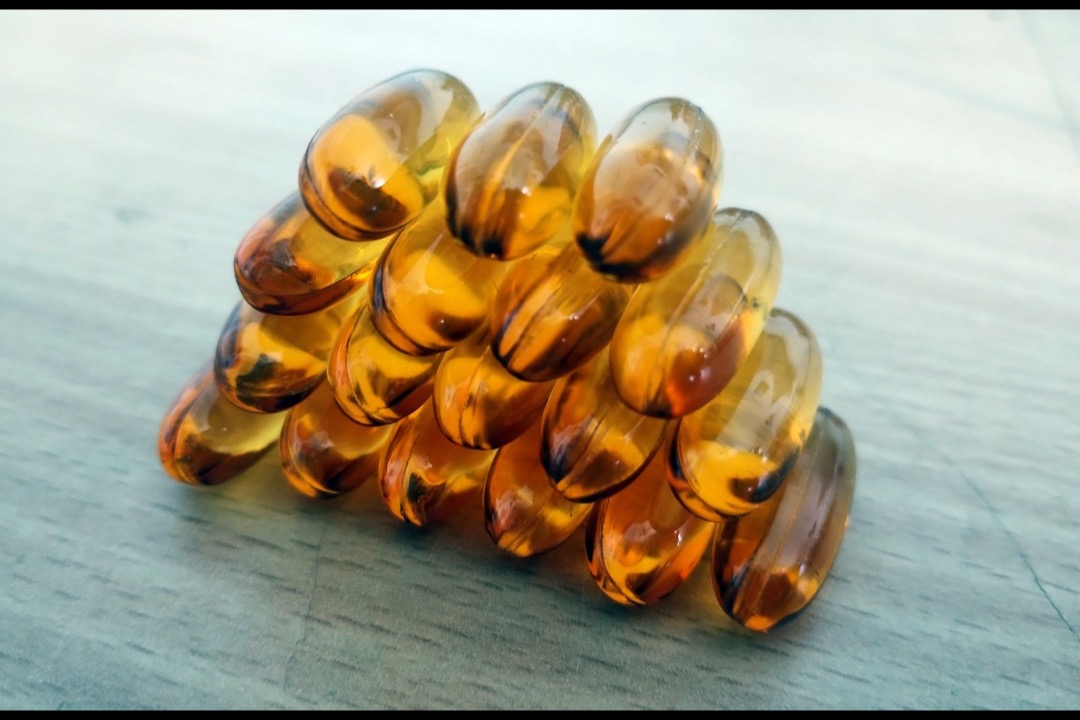
The joint and arthritis aisle is crowded, confidently labeled, and built on evidence that ranges from genuinely strong to barely there. Americans spend something like forty billion dollars per year on dietary supplements, and joint products are one of the largest single segments of that market. Patients ask me about them constantly, and the honest answer is rarely a clean yes or no. Some of these compounds have respectable randomized-trial data behind them; some have data far weaker than the marketing suggests; a few have real safety concerns the bottle does not advertise. This guide is the framework I use in clinic, organized around what the trials actually show.
How Joints Break Down — and What Supplements Target
A synovial joint is a shock-absorbing system: articular cartilage caps the bone ends, synovial fluid lubricates the space, and a capsule of ligaments and muscle stabilizes movement. Pain enters through several mechanisms. In osteoarthritis, cartilage gradually degrades and a low-grade inflammatory cascade sensitizes pain signaling. In rheumatoid arthritis, the synovium becomes the target of autoimmune attack. In post-exercise stiffness, transient inflammation drives soreness. Joint supplements claim to act through several mechanisms: providing substrate for cartilage repair (glucosamine, chondroitin, collagen), dampening inflammation (curcumin, omega-3, boswellia), supplying cofactors (vitamin D), or modulating methylation (SAMe). Whether each does what it claims is what the trials are supposed to tell us.
Evidence at a Glance
The research base in this category is uneven. Some compounds have well-designed RCTs and systematic reviews; others have small, methodologically weak studies, often manufacturer-funded. The table below summarizes where each of the nine most common joint supplements lands, with the condition it is best studied in and the bottom-line takeaway. Each is unpacked in the breakdown that follows.
| Supplement | Evidence Tier | Best-Studied Condition | Bottom Line |
|---|---|---|---|
| Glucosamine + Chondroitin | Moderate (mixed) | Knee osteoarthritis | Failed primary endpoint in GAIT; subgroup benefit for moderate-severe pain |
| Turmeric (Curcumin) | Moderate-to-Strong | Knee OA pain | Comparable to ibuprofen in some trials; bioavailability is the catch |
| Omega-3 (Fish Oil) | Strong (RA), Weak (OA) | Rheumatoid arthritis | Reduces RA disease activity; not recommended for OA |
| Boswellia | Moderate | Knee OA | Modest pain benefit in small RCTs |
| Collagen (UC-II / Hydrolyzed) | Weak-to-Moderate | Knee OA, joint stiffness | Limited data; UC-II has slightly stronger trials than hydrolyzed |
| MSM | Weak | Knee OA | Cochrane review found insufficient evidence |
| SAMe | Moderate (with caveats) | OA pain | NSAID-comparable in some trials; major drug interactions |
| Vitamin D | Insufficient (unless deficient) | Joint pain in deficiency | Helps if you are deficient; no benefit if you are not |
OA, RA, or General Stiffness? It Changes the Answer
The most common mistake in this category is assuming all “joint pain” responds to the same supplements. It does not. Osteoarthritis is a mechanical and degenerative disease of cartilage with a secondary inflammatory component. Rheumatoid arthritis is an autoimmune synovitis driven by a fundamentally different cascade. Post-exercise stiffness is transient muscle and tendon irritation, not true joint pathology.
The clearest illustration is fish oil: the ACR conditionally recommends it in rheumatoid arthritis based on consistent evidence of reduced joint count, morning stiffness, and NSAID requirement, yet the same ACR guidelines and OARSI explicitly do NOT recommend it for osteoarthritis. Glucosamine and chondroitin run the opposite direction — all their evidence is in OA, essentially none in RA. If you have inflammatory arthritis, NSAIDs and disease-modifying drugs are the foundation, with supplements as adjuncts at best — see our comparison of OTC pain relievers for how the NSAID side of that equation works.
Supplement-by-Supplement Breakdown
Glucosamine and Chondroitin
These are the most-studied joint supplements in the world. Glucosamine is an amino sugar building block of cartilage glycosaminoglycans; chondroitin is a sulfated glycosaminoglycan itself. The proposed mechanism is providing cartilage substrate and dampening synovial inflammation.
The pivotal NIH-funded GAIT trial (NEJM 2006) enrolled 1,583 patients with knee OA, randomized to glucosamine, chondroitin, the combination, celecoxib, or placebo for 24 weeks. The primary endpoint of 20 percent pain reduction was missed across the whole group (P=0.30), but the pre-specified moderate-to-severe subgroup showed significant benefit with the combination (79.2 vs 54.3 percent response, P=0.002). Guidelines have split: the 2019 ACR and OARSI guidelines strongly recommend AGAINST these supplements for knee OA, while the 2021 AAOS guideline calls them “possibly helpful.”
Typical dosing is 1,500 mg/day of glucosamine sulfate (better trial data than the hydrochloride form) and 800 to 1,200 mg/day of chondroitin sulfate. Side effects are mild GI upset. Two cautions: glucosamine is typically shellfish-derived, and case reports describe elevated INR with warfarin. For mild OA the data do not support these supplements; for moderate-to-severe knee OA an 8-to-12 week trial is reasonable, stopped if no clear benefit emerges.
Turmeric (Curcumin)
Curcumin is the supplement in this category I am most willing to actively recommend. A 2021 systematic review of 10 RCTs concluded curcumin produced clinically meaningful pain reduction in knee OA, with effect sizes comparable to oral NSAIDs in several head-to-head comparisons. A 367-person Thai trial found 1,500 mg/day of curcumin approximately equivalent to 1,200 mg of ibuprofen at four weeks, with significantly fewer GI side effects. The mechanism is inhibition of NF-kB signaling.
The practical catch is bioavailability — plain curcumin is poorly absorbed. Useful formulations are standardized to 95 percent curcuminoids and combined with piperine (which boosts bioavailability roughly 20-fold) or in a phytosome delivery system. Typical effective dose is 500 to 1,000 mg of standardized curcumin twice daily for at least 8 to 12 weeks. Curcumin inhibits platelet aggregation and several CYP enzymes — do not combine with warfarin, clopidogrel, or chronic NSAIDs without physician oversight. For a side-by-side comparison, see our review of the best turmeric supplements.
Omega-3 Fatty Acids (Fish Oil)
Fish oil has the strongest body of evidence in this category — but for rheumatoid arthritis, not osteoarthritis. Multiple meta-analyses show fish oil at therapeutic doses reduces tender joint count, morning stiffness, and pain in RA, and may allow some patients to reduce NSAID use. The 2019 ACR RA guideline lists it as a conditional recommendation. The ACR and OARSI OA guidelines explicitly do NOT recommend fish oil for osteoarthritis. For RA, the trial-level dose is roughly 2.7 to 3.6 g/day of combined EPA + DHA; lower doses of 1,100 to 1,600 mg may give general anti-inflammatory benefit. At higher doses fish oil has a mild antiplatelet effect additive to NSAIDs and anticoagulants.
Boswellia (Indian Frankincense)
Boswellic acids inhibit 5-lipoxygenase, the enzyme that drives leukotriene-mediated joint inflammation. Several small RCTs in knee OA have shown modest pain and function improvements over 8 to 12 weeks, with effect sizes generally smaller than curcumin. Typical dose is 250 to 500 mg of standardized extract two to three times daily. Mostly GI side effects; caution with anticoagulants.
Collagen (Type II / Hydrolyzed)
The evidence is more limited than the marketing suggests. Two distinct products get conflated: undenatured type II collagen (UC-II) at low doses (40 mg/day), and hydrolyzed collagen peptides at much higher doses (10 g/day). One head-to-head RCT found UC-II 40 mg/day modestly superior to a glucosamine 1,500 mg + chondroitin 1,200 mg combination over 180 days for knee OA. Hydrolyzed collagen at 10 g/day has weaker, less consistent data, mostly from manufacturer-funded studies. For a comparison of formats, see our review of the best collagen supplements.
MSM (Methylsulfonylmethane)
MSM is an organosulfur compound proposed to provide bioavailable sulfur for connective tissue. The 2010 Cochrane review concluded there was insufficient evidence to support MSM for OA, and not much has changed since. Typical dosing is 1,500 to 6,000 mg/day. Generally well tolerated, but I do not actively recommend it given the weak evidence base.
SAMe
SAMe is a methyl donor better known as a complementary depression treatment. Several OA RCTs have shown SAMe roughly comparable to NSAIDs in pain reduction, with slower onset (4 to 8 weeks); the 2009 Cochrane review found the evidence uncertain. Typical OA dose is 800 to 1,200 mg/day. The major concern is the drug interaction profile: SAMe combined with serotonergic antidepressants (SSRIs, SNRIs, MAOIs, tricyclics) can precipitate serotonin syndrome; it can trigger mania in patients with bipolar disorder, including undiagnosed cases; and it can reduce the effectiveness of levodopa in Parkinson’s disease. Patients on any of these should not start SAMe without explicit physician approval.
Vitamin D
The answer depends entirely on whether the patient is deficient. Patients with documented deficiency (serum 25-hydroxyvitamin D below roughly 20 ng/mL) often report musculoskeletal pain that improves with repletion. Patients with normal levels do not benefit — multiple trials in non-deficient patients have shown no effect on OA pain. Check a 25-hydroxyvitamin D level before empirically supplementing; if deficient, 1,000 to 2,000 IU daily is appropriate. Vitamin D is fat-soluble; sustained intake above 4,000 IU/day without monitoring can produce hypercalcemia.
Drug Interactions: What to Tell Your Doctor
This is the part of the conversation most often skipped, and it is where supplements actually cause harm. Bring a complete supplement list to every physician visit and pharmacy consultation.
| Supplement | Major Interactions | Why It Matters |
|---|---|---|
| Glucosamine | Warfarin; diabetes medications | Bleeding risk; possible glucose dysregulation |
| Chondroitin | Warfarin, antiplatelet drugs | Additive bleeding risk |
| Turmeric (Curcumin) | Warfarin, clopidogrel, NSAIDs, CYP3A4 chemo | Increased bleeding; altered drug metabolism |
| Omega-3 (high dose) | Warfarin, NSAIDs, daily aspirin | Additive antiplatelet effect |
| Boswellia | Anticoagulants, antiplatelets | Theoretical bleeding risk |
| MSM | Theoretical with anticoagulants | Caution in bleeding-risk patients |
| SAMe | SSRIs, SNRIs, MAOIs, tricyclics, levodopa | Serotonin syndrome; mania in bipolar; reduced Parkinson’s efficacy |
| Vitamin D (high dose) | Thiazide diuretics, calcium supplements | Hypercalcemia risk |
| Collagen | Minimal documented | Generally low risk |
If you take warfarin, any direct oral anticoagulant, daily aspirin, an SSRI or SNRI, a thiazide diuretic, or chemotherapy, do not start any new supplement in this category without clearing it with the prescribing physician first.
Topical Alternatives Worth Knowing
For patients who cannot tolerate oral options or who have localized pain, topical agents deserve a place in the conversation. Capsaicin cream depletes substance P from local sensory nerve endings over a few weeks of consistent use and has reasonable evidence in OA, but it burns for the first several days before desensitization sets in and requires application two or three times daily for four to six weeks. Topical diclofenac gel (Voltaren, now OTC) delivers a real NSAID to the joint capsule with minimal systemic exposure and is favored over oral NSAIDs in current OA guidelines, particularly in older adults. Arnica gel has weaker evidence but is well tolerated; lidocaine patches provide targeted anesthesia without systemic effects. For a side-by-side review, see our guide to the best pain relief creams.
When Supplements Are Not the Answer
Joint supplements are appropriate for mild-to-moderate, mechanically explainable joint pain. They are the wrong tool for several look-alike scenarios. A locking knee, a giving-way knee, or one that cannot fully extend points to a meniscal tear or loose body and warrants imaging and orthopedic evaluation. End-stage OA with bone-on-bone changes and significant functional limitation often needs joint replacement; postponing that conversation rarely changes the outcome. Acute disc herniation with radiculopathy needs a structural assessment, not a supplement.
For mechanical pain, the highest-leverage interventions are usually not supplements. Weight loss is the most-evidence-based intervention for knee OA — every pound lost reduces knee load by roughly four pounds during walking. Targeted physical therapy, properly fitted knee braces for instability or unloading, back braces during aggravating activities, and a knee pillow for side-sleepers with hip or knee pain often produce more functional improvement than any supplement. Urgent evaluation is required for a hot, red, acutely swollen joint (septic arthritis or gout), joint pain with fever or unexplained weight loss, and any joint pain in an immunosuppressed patient.
A Brief Note on Quality and Third-Party Testing
Because supplements are not FDA-approved for safety or efficacy before sale, what is on the label is not always what is in the bottle. Independent testing has repeatedly found products with less active ingredient than labeled, contaminants, or poorly bioavailable forms. The three most reliable third-party verification seals are USP, NSF International, and ConsumerLab.com — they test that the product contains what the label claims and that contaminants are below safety thresholds. For a category this crowded and weakly regulated, paying a small premium for a verified product is one of the highest-leverage decisions a buyer can make.
Bottom Line
Curcumin properly formulated with piperine or in a phytosome delivery system has the most consistent supportive evidence for knee OA pain. Omega-3 fish oil at therapeutic doses has strong evidence in rheumatoid arthritis and weak evidence in osteoarthritis. Glucosamine and chondroitin have mixed evidence, are guideline-discordant in the U.S., and may help moderate-to-severe knee OA pain on an 8-to-12 week trial. Boswellia, collagen, MSM, and SAMe range from modestly to weakly supported, with SAMe carrying real drug interaction concerns. Vitamin D helps if you are deficient and does nothing if you are not. None of these is a substitute for weight management, targeted exercise, or definitive treatment when a structural problem is the cause. Always discuss supplement use with your physician before starting, particularly if you take blood thinners or antidepressants.
This article is for informational purposes only and is not a substitute for personalized medical advice. Joint pain has many possible causes, some of which require specific diagnostic evaluation. If you have new or worsening joint pain, joint pain accompanied by warmth, redness, fever, or unexplained weight loss, or take prescription medications and are considering a new supplement, please consult your physician or pharmacist before making changes.
Frequently Asked Questions
Do glucosamine and chondroitin supplements actually work for joint pain?
What is the best supplement for knee osteoarthritis?
Can I take joint supplements with blood thinners like warfarin?
How long should I try a joint supplement before deciding it works?
Are joint supplements regulated by the FDA?
Related Articles
About the Reviewer

Dr. David Taylor, MD, PhD
Drexel University College of Medicine (MD), Indiana University School of Medicine (PhD)
Dr. David Taylor is a licensed physician and medical researcher who founded BestRatedDocs in 2016. With an MD from Drexel University and a PhD from Indiana University School of Medicine, he combines clinical expertise with a passion for health technology to provide evidence-based product recommendations. Dr. Taylor specializes in health informatics and regularly evaluates medical devices, diagnostic equipment, and therapeutic products to help healthcare professionals and patients make informed decisions.