Blood Pressure Readings Explained: What Your Numbers Mean
Dr. David Taylor, MD explains exactly what your blood pressure numbers mean under the 2025 AHA/ACC guidelines — categories, systolic vs diastolic, and red flags.
Updated
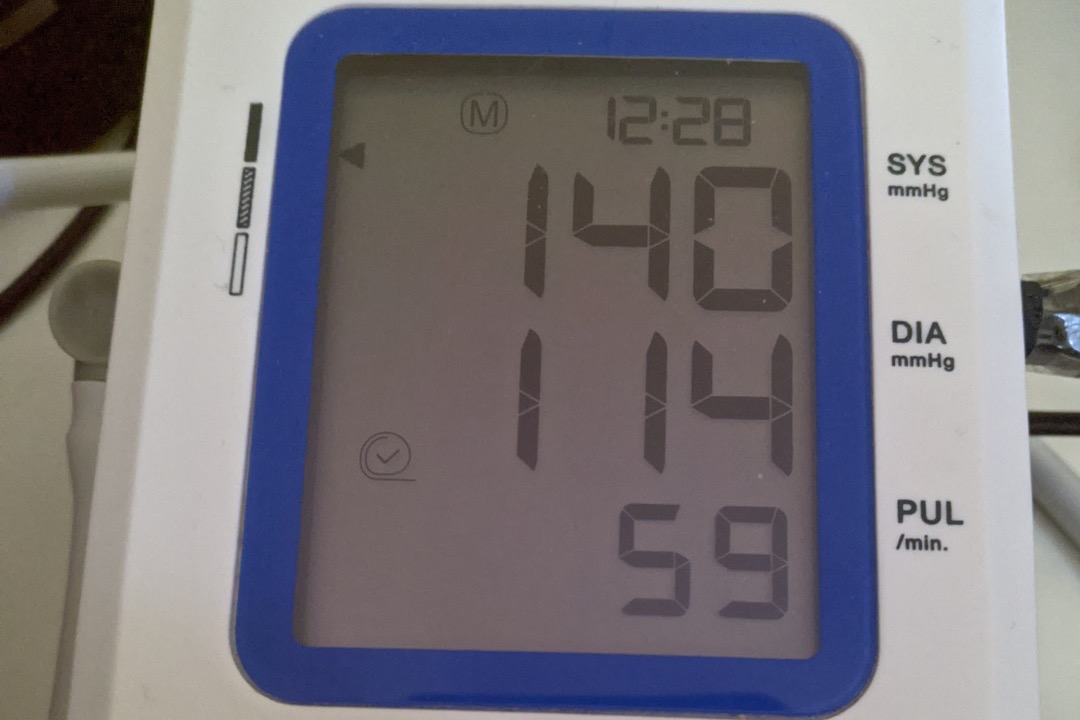
A patient sat across from me last month holding a printout from his new monitor, genuinely frightened. The screen had shown 128/82, and he had read somewhere that anything over 120 was a problem, so he had spent the weekend convinced he was on the edge of a stroke. We spent the next ten minutes doing what I want this article to do for you: taking those two numbers apart and explaining exactly what each one means, which category they fall into, and what — if anything — to do about them. (For the record, 128/82 is stage 1 hypertension, not a crisis, and his weekend of panic had almost certainly inflated every reading he took.)
Blood pressure is reported as two numbers for a reason, and most people have never had the difference explained clearly. The numbers are not arbitrary — each one measures a distinct physiological event, each carries different weight depending on your age, and the rule for which category you land in is not the one most people assume. In my practice, the single most common source of unnecessary fear is a patient who understands neither number and treats every reading above 120 as an emergency. By the end of this guide you will be able to read your own numbers the way I read them in the exam room.
What Do Blood Pressure Numbers Mean?
Every blood pressure reading is a fraction: a top number over a bottom number, written as systolic over diastolic and measured in millimeters of mercury (mmHg). The two numbers describe the two halves of a single heartbeat. Understanding them separately is the foundation for everything else.
The Systolic Number (Top)
The systolic number — the larger, top value — is the pressure inside your arteries at the moment your heart contracts and pushes a wave of blood out into the circulation. It is the peak pressure of each cardiac cycle, the maximum force your arterial walls experience. When your heart beats, it ejects blood with enough force to drive it through your entire body, and the systolic number captures that surge. A normal systolic pressure is below 120 mmHg. As arteries stiffen with age, the systolic number tends to climb, which is why it becomes the dominant risk predictor in older adults.
The Diastolic Number (Bottom)
The diastolic number — the smaller, bottom value — is the pressure remaining in your arteries between beats, during the brief moment your heart relaxes and refills. This is the resting baseline load on your vascular system, the pressure your arteries never drop below. A normal diastolic value is under 80 mmHg. In younger adults, an elevated diastolic number is often the first sign of developing hypertension and reflects increased resistance in the small peripheral vessels.
How to Read 128/82
Put the two together and you can read any blood pressure value. Take 128/82: the systolic pressure is 128 mmHg (peak pressure when the heart contracts) and the diastolic is 82 mmHg (resting pressure between beats). To classify it, you check each number against the categories below and apply the rule that the higher category wins. Here, 128 systolic is “elevated” territory, but 82 diastolic lands in the stage 1 hypertension band — so the reading as a whole is stage 1 hypertension, not “elevated.” That single rule trips up more patients than any other, and we will return to it.
Blood Pressure Categories: What the Numbers Mean
The American Heart Association and American College of Cardiology classify blood pressure into five categories. These are the thresholds I use in clinic, reaffirmed in the 2025 guideline update:
| Category | Systolic (mm Hg) | Diastolic (mm Hg) | |
|---|---|---|---|
| Normal | Less than 120 | and | Less than 80 |
| Elevated | 120 – 129 | and | Less than 80 |
| Stage 1 Hypertension | 130 – 139 | or | 80 – 89 |
| Stage 2 Hypertension | 140 or higher | or | 90 or higher |
| Hypertensive Crisis | Higher than 180 | and/or | Higher than 120 |
Note the logic words in that middle column — they are not decoration. “Normal” and “Elevated” require both the systolic and diastolic conditions to be met. Stages 1 and 2 use or logic, meaning either number reaching the threshold puts you in that category. This distinction is the source of nearly every misread reading I see, so let me walk through each category the way I explain it in the room.
Normal: Less Than 120/80
A reading below 120 systolic AND below 80 diastolic is normal. Both numbers must qualify. Normal blood pressure means your cardiovascular risk from this particular factor is low. It does not mean you never need to check again — re-measure at least annually, and more often if you have a family history of hypertension, diabetes, or kidney disease.
Elevated: 120–129 and Less Than 80
This is the category most people misunderstand. “Elevated” requires the systolic to be 120–129 and the diastolic to still be under 80. The diastolic condition is strict. A reading of 125/82 is not elevated — because the 82 diastolic exceeds the under-80 requirement, that reading is stage 1 hypertension. Elevated is a warning shot: you are on the path toward hypertension, and this is the stage where lifestyle changes — sodium reduction, weight management, exercise, alcohol moderation — can keep you off medication entirely.
Stage 1 Hypertension: 130–139 or 80–89
Stage 1 begins at 130 systolic or 80 diastolic. Either number alone is enough. So 134/78 is stage 1 (systolic qualifies), and 122/84 is also stage 1 (diastolic qualifies), even though neither reading “looks” high to a patient anchored on the old 140/90 cutoff. At stage 1, whether you start medication depends on your overall cardiovascular risk — which is exactly what the 2025 guidelines now ask physicians to calculate formally. Many stage 1 patients are managed with intensive lifestyle measures and reassessed in three to six months.
Stage 2 Hypertension: 140 or Higher, or 90 or Higher
Stage 2 starts at 140 systolic or 90 diastolic. This is the threshold at which the 2025 guidelines direct physicians to consider starting two medications at once rather than titrating up from one, because the data show combination therapy controls stage 2 pressure faster and with fewer follow-up visits. If your readings consistently land here, this is a conversation to have with your doctor sooner rather than later — not an emergency, but not something to monitor passively for months either.
Hypertensive Crisis: When to Call 911
A reading higher than 180 systolic and/or higher than 120 diastolic is a hypertensive crisis. Here is the rule I drill into every patient: if the crisis-level reading comes with symptoms — chest pain, shortness of breath, back pain, weakness or numbness, vision changes, trouble speaking, or a severe headache — call 911 immediately. That is a hypertensive emergency, and the pressure is actively damaging organs. If the reading is that high but you feel completely fine, wait five minutes, re-measure with correct technique, and if it is still that high, call your physician for same-day guidance. That is a hypertensive urgency. Do not ignore it, but do not drive yourself to the ER for an asymptomatic high reading either — re-measure first.
Low Blood Pressure (Hypotension)
The chart runs upward, but the bottom end matters too. A reading below 90/60 is generally considered low (hypotension). For many healthy, fit people, low blood pressure is normal and harmless. It becomes a concern when it causes symptoms — dizziness, lightheadedness on standing, fainting, blurred vision, or fatigue — which can signal dehydration, a medication effect, blood loss, or a heart or endocrine problem. If your readings run low and you feel fine, it is usually nothing. If they run low and you feel symptomatic, that warrants a check-in with your physician.
When Your Two Numbers Disagree: The Higher Category Wins
This is the single most useful rule in this entire article, and almost no one knows it. When your systolic and diastolic numbers fall into different categories, your blood pressure is classified by the higher of the two.
Consider a reading of 118/85. The systolic, 118, is squarely in the normal range. A patient looking only at the top number would feel reassured. But the diastolic, 85, sits in the stage 1 hypertension band — and because the higher category wins, this reading is stage 1 hypertension, full stop. I have watched patients spend years ignoring a borderline diastolic number because their “good” systolic number kept them comfortable. The two numbers are not averaged, and they are not weighted by which one looks more dramatic. The worse number sets the category. When you read your own results, find the category for each number independently, then take the higher one. Always.
Systolic vs Diastolic: Which Number Matters More?
Patients constantly ask which number is the “real” one. The honest answer is that it depends on your age, and the relationship flips around age 50.
In adults younger than 50, the diastolic number is the stronger predictor of cardiovascular risk. Younger people who develop hypertension typically do so through increased resistance in the small peripheral arteries, which shows up first in the bottom number. In adults over 50 — and overwhelmingly in those over 60 — the systolic number takes over as the dominant predictor. This is because arteries stiffen with age: the large vessels lose their elasticity, the systolic pressure climbs, and the diastolic often falls. This produces two specific patterns worth naming.
Isolated Systolic Hypertension
This is a high systolic number with a normal diastolic — for example, 152/78. It is the most common form of hypertension in older adults and is driven almost entirely by arterial stiffening. For decades it was undertreated because the “normal” bottom number made it look benign. It is not benign. Isolated systolic hypertension is a major driver of stroke and heart disease in people over 60, and it warrants treatment.
Isolated Diastolic Hypertension
This is the reverse — a high diastolic with a normal systolic, such as 124/94. It is more common in younger and middle-aged adults, often associated with weight gain, alcohol use, and a sedentary lifestyle. Because the top number reads normal, these patients frequently go undiagnosed for years. Under the “higher category wins” rule, 124/94 is stage 2 hypertension and deserves the same attention as any other stage 2 reading.
What the 2025 AHA/ACC Guidelines Changed
This is the part that distinguishes current guidance from the version you may have read a few years ago. The 2025 ACC/AHA hypertension guideline update did not move the diagnostic thresholds — normal is still under 120/80, stage 1 still starts at 130/80, stage 2 still at 140/90. Those numbers are stable. What changed is the philosophy around them.
First, the treatment target tightened. The guidelines now push for getting blood pressure close to 120/80 in most treated adults, rather than settling for “under 130/80 is good enough.” The evidence that lower, well-controlled pressure reduces events kept accumulating, and the target reflects it.
Second — and this is the headline — the guidelines formally acknowledge the link between uncontrolled hypertension and cognitive decline and dementia. Protecting the brain, not just the heart and kidneys, is now an explicit reason to treat. For patients on the fence about starting therapy, this is often the argument that lands.
Third, stage 2 hypertension now prompts starting two medications at once rather than the old one-at-a-time approach, because combination therapy reaches control faster.
Fourth, the guidelines lean on the PREVENT risk calculator to decide who with stage 1 hypertension should start medication versus pursue lifestyle changes first. The decision is no longer based on the blood pressure number alone — it incorporates your broader cardiovascular and kidney risk. The practical message for readers: the categories you measure at home are the starting point of a risk conversation, not the entire answer. Pair your readings with a good home log and bring both to your doctor — a reliable home monitor is the price of entry to that conversation.
Factors That Affect Your Reading
A number is only as good as the conditions under which it was taken. These are the variables I tell every patient to control, because each one can shift a reading enough to change its category.
Time of Day and the Morning Surge
Blood pressure follows a daily rhythm. It is lowest during deep sleep and rises sharply in the early morning around waking — the “morning surge.” This surge is physiologically normal, but its magnitude predicts cardiovascular risk, which is why the standard home protocol captures a morning reading. Measuring at the same times each day is what makes your readings comparable.
Caffeine, Nicotine, Alcohol, and Exercise
Caffeine and nicotine can raise blood pressure for an hour or more after use. Alcohol has a biphasic effect — a short-term dip followed by a rise. Exercise elevates pressure acutely and can keep it up for a while afterward. The rule: no caffeine, nicotine, alcohol, or exertion in the 30 minutes before you measure. Stack two or three of these and you can easily inflate a reading by 10 to 15 mmHg.
Stress and the 5-Minute Re-Read Rule
Acute stress and anxiety raise blood pressure in real time — including the anxiety of taking your blood pressure itself. This is why the protocol calls for sitting quietly for five minutes before the first reading, and why a single alarming number should always be re-checked after a calm five-minute pause. A reading taken mid-stress is real, but it is not your baseline.
Medications That Raise Blood Pressure
Several common medications can quietly push your numbers up. The big three are NSAIDs (ibuprofen, naproxen), oral decongestants (pseudoephedrine, phenylephrine), and oral contraceptives. Others include certain antidepressants, corticosteroids, and some migraine drugs. If your readings climb and nothing else has changed, review your medication and supplement list with your physician before assuming you have developed primary hypertension.
Body Position and Arm Placement
Position errors are the most common reason home readings are wrong. Feet must be flat on the floor and uncrossed; the back supported; the arm supported at heart level. An unsupported arm, crossed legs, or a dangling limb can each add several mmHg. The cuff goes on a bare arm, not over a thick sleeve. I cover the full positioning protocol in my guide to taking your blood pressure at home — it is worth the read, because most “high” home readings are position artifacts, not disease.
The Arm-to-Arm Difference Rule
Blood pressure can differ slightly between your two arms, and that is normal up to a point. But a consistent difference greater than 10 mmHg between arms can signal narrowing in the arteries supplying the higher-reading arm and is worth mentioning to your physician. The practical rule: measure both arms the first time you use a new monitor, then routinely use whichever arm reads higher for all future measurements.
Special Patterns Worth Knowing
Beyond the basic categories, three patterns explain most of the confusing situations I see in clinic.
White-Coat Hypertension
This is the patient whose pressure is genuinely normal at home but rises 20 to 30 mmHg in the medical setting because of anticipatory anxiety. Treating these patients as hypertensive based on office readings means medicating a condition they do not have. The only way to identify white-coat hypertension is to measure outside the clinic — which is the entire case for home monitoring.
Masked Hypertension
This is the dangerous one — the mirror image of white coat. Pressure reads normal in the office but is elevated everywhere else. Because the office reading reassures everyone, these patients are never treated, and they carry the full cardiovascular risk of hypertension while flying under the radar. Masked hypertension is more dangerous than white-coat hypertension precisely because it is undertreated rather than overtreated. It is the strongest single reason I recommend routine home monitoring for adults over 40, even when office numbers look fine.
Pulse Pressure
Here is a third number hiding inside your reading. Pulse pressure is your systolic minus your diastolic — the gap between the two. For 120/80, the pulse pressure is 40, which is normal. A pulse pressure consistently above 60 suggests stiffening of the large arteries and is an independent marker of cardiovascular risk in older adults. So a reading of 160/70 (pulse pressure of 90) is concerning not only for its high systolic but for that wide gap. It is a number worth glancing at, especially after age 60.
How to Measure Accurately at Home
Everything above is only useful if the numbers you are reading are real. Accuracy comes down to a validated upper-arm monitor, the correct cuff size for your arm, and a standardized measurement protocol — five minutes of rest, feet flat, back and arm supported, bare arm, two readings averaged. I will not duplicate the full step-by-step here because I have written it out in detail: see my complete step-by-step home measurement guide, and for choosing the device itself, our roundups of the best blood pressure monitors and, for those who need them, validated wrist monitors. Get the device and the technique right, and the categories in this article become genuinely actionable.
When to See a Doctor — and When to Call 911
Two simple decision rules. Call 911 immediately if a reading is above 180/120 and you have any symptoms of organ damage — chest pain, shortness of breath, back pain, numbness or weakness, vision changes, trouble speaking, or a severe headache. That is a hypertensive emergency.
Schedule a doctor’s visit — not an emergency, but soon — if your averaged home readings consistently land in stage 1 or stage 2, if your two arms differ by more than 10 mmHg, if your pulse pressure runs above 60, if your readings run low enough to cause dizziness or fainting, or if you suspect masked hypertension because your home numbers run higher than your office numbers. Blood pressure is one of several vital signs worth tracking together; many of my patients who monitor their pressure also keep an eye on weight with a reliable bathroom scale, check rhythm with a home ECG monitor, and — if they are diabetic — track glucose with a blood glucose meter. For patients with cardiopulmonary concerns, a pulse oximeter rounds out the picture. The numbers on your monitor are a starting point for a conversation with your physician, not a verdict you have to interpret alone. Bring your logged readings to every visit, and let the trend — not any single alarming snapshot — guide the decisions.
Frequently Asked Questions
What is a normal blood pressure reading for adults?
Is 130/80 considered high blood pressure?
What does the bottom blood pressure number mean?
Which blood pressure number matters more — top or bottom?
What is a hypertensive crisis and when should I call 911?
What is masked hypertension and why is it dangerous?
Can blood pressure change throughout the day?
How often should I check my blood pressure at home?
Related Articles
About the Reviewer

Dr. David Taylor, MD, PhD
Drexel University College of Medicine (MD), Indiana University School of Medicine (PhD)
Dr. David Taylor is a licensed physician and medical researcher who founded BestRatedDocs in 2016. With an MD from Drexel University and a PhD from Indiana University School of Medicine, he combines clinical expertise with a passion for health technology to provide evidence-based product recommendations. Dr. Taylor specializes in health informatics and regularly evaluates medical devices, diagnostic equipment, and therapeutic products to help healthcare professionals and patients make informed decisions.