7 Best Ice Packs of 2026
Dr. David Taylor reviews the best ice packs for injuries, back pain, and recovery. Compare top gel, reusable, and instant cold packs by flexibility, cold retention, and size.
Updated
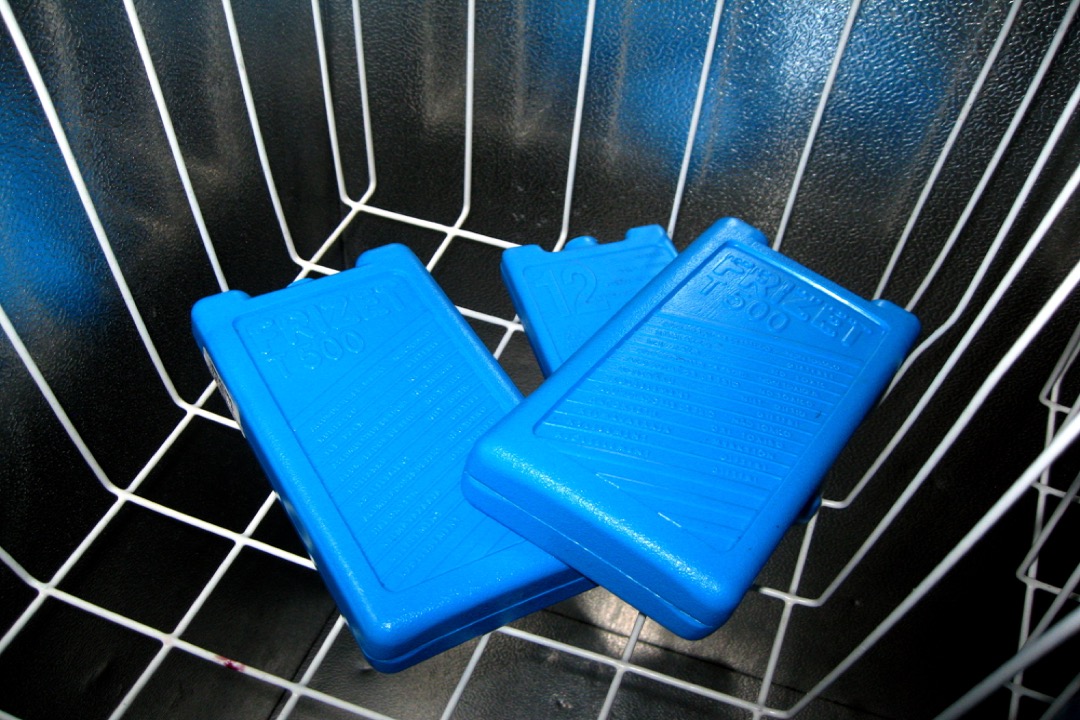
Cold therapy is one of medicine’s most debated interventions — and its history contains one of sports medicine’s most remarkable reversals. In 1978, Dr. Gabe Mirkin coined the RICE acronym (Rest, Ice, Compression, Elevation) in his book The Sportsmedicine Book, establishing icing as a cornerstone of acute injury management for an entire generation of athletes, coaches, and clinicians. Then in 2012, Dr. Mirkin himself reversed his position in a published essay, acknowledging that the very inflammation response that ice suppresses is also the mechanism through which the body initiates tissue repair. Modern sports medicine has moved to the POLICE protocol (Protection, Optimal Loading, Ice, Compression, Elevation) and more recently PEACE and LOVE — both of which preserve a role for ice but emphasize that aggressive or prolonged icing may delay recovery by interfering with the inflammatory cascade necessary for healing. That nuance matters for consumers choosing an ice pack in 2026: ice remains clinically appropriate and evidence-supported for acute pain reduction and swelling control in the first 24-48 hours, but the goal is targeted, time-limited application, not continuous aggressive icing. Choosing the right pack for that defined therapeutic window — and knowing when to transition to heat therapy — is what this guide is designed to help you do.
On this site, we approach pain management tools the way Dr. David Taylor’s clinical background demands: with reference to mechanism of action, honest assessment of what the evidence supports, and practical guidance on matching tools to specific clinical presentations. For patients managing a new ankle sprain, a post-surgical knee, a strained lower back, or a sideline sports injury, the ice pack is not a one-size-fits-all intervention. The appropriate pack size, gel type, cold retention duration, and application method vary meaningfully across those use cases — and getting those variables right determines whether icing is therapeutic or merely uncomfortable.
For this roundup, we evaluated seven ice packs across reusable gel, clinical silica gel, wrap-integrated, and instant disposable categories — analyzing gel flexibility at freezer temperature, cold retention duration, coverage area relative to common injury sites, skin safety design, and thousands of verified Amazon user reviews. Whether you are managing a fresh ankle sprain, recovering from lumbar surgery, or stocking an athletic first aid kit, the guide below identifies the right tool for your specific situation.
How We Selected These Ice Packs
Our selection process prioritized products with verified gel performance, at least 5,000 Amazon reviews (with the bestselling FlexiKold exceeding 65,000), and meaningful differentiation across use cases and price tiers. We evaluated each pack against the following criteria: gel flexibility when frozen, cold retention duration relative to the 15-20 minute therapeutic window, coverage area matched to common injury sites, skin safety features including built-in liners and seam construction, strap integration for hands-free use, dual hot/cold versatility, and clinical heritage where applicable. We excluded packs where structural complaints dominated the review profile or where claimed cold retention could not be corroborated. The result is a set of seven products spanning five distinct categories — from a clinically proven sideline instant pack to a physical therapist-grade silica gel cold pack — each appropriate for a different injury context.
1. FlexiKold Gel Soft Flexible Ice Pack — Best Overall
The NatraCure FlexiKold is the top-selling cold pack on Amazon for a reason that physical therapists understand clearly: it is the consumer product that most closely replicates the clinical cold pack experience at a price point that makes it accessible for home use. The defining specification is gel flexibility at freezer temperature. Most consumer gel packs freeze to a semi-rigid state that conforms poorly to the natural curvature of the knee, shoulder, or lumbar spine — they rest on top of contoured anatomy rather than conforming to it, leaving gaps in the cold therapy coverage. The FlexiKold’s proprietary gel formula maintains genuine pliability at standard freezer temperature, allowing it to wrap around the knee, mold to the lumbar curve, and drape over the shoulder in the way clinical packs do in a physical therapy clinic.
The double-sealed seam construction addresses the failure mode that most consumer gel packs share: seam separation after repeated freeze-thaw cycling. Gel packs expand slightly when frozen and contract when thawed; thin single-seam construction eventually fails at that cycle stress. NatraCure’s double-sealed seams and reinforced nylon outer shell are rated for hundreds of freeze-thaw cycles without gel leakage — the construction standard that clinical packs require for daily multi-patient use. For patients managing a rotator cuff strain, post-operative knee recovery, or recurring lower back pain who will ice daily for weeks or months, that construction durability matters practically. If you are also supporting your back with a lumbar brace during daytime activity, our back brace guide covers the complementary structural tools that pair effectively with daily icing during injury recovery.
The medium format (7.5x11.5 inches) is the most versatile size — large enough to cover the full knee, the shoulder, or the lumbar region, but manageable enough not to be cumbersome on smaller joints. NatraCure offers the FlexiKold in multiple sizes including a large format and a neck contour variant; the medium represents the best single-purchase option for most users. The pack is also microwavable for heat therapy, which matters clinically: the standard protocol for subacute and chronic muscle injury transitions from cold in the first 48-72 hours to heat thereafter, and a dual-use pack avoids the need to purchase separate products for each phase.

FlexiKold Gel Soft Flexible Ice Pack for Injuries
by NatraCure
#1 bestselling cold pack on Amazon — flexible even frozen, trusted by physical therapists, and built to a clinical-quality standard at a consumer price.
Pros
- Remains pliable and moldable even when fully frozen — conforms to body curves unlike rigid alternatives
- Proprietary gel formula stays colder longer than standard water-based gel packs for extended therapeutic sessions
- Trusted by physical therapists and athletic trainers nationwide for clinical-quality cold therapy at a consumer price
- Double-sealed seams with reinforced construction prevent leaks even after hundreds of freeze-thaw cycles
Cons
- No built-in strap — must be held in place or purchased with the strap variant separately
- Gel can shift to one side when stored folded upright, requiring reshaping before use
2. Perfect Remedy 2-Pack Gel Ice Packs — Budget Pick
The Perfect Remedy two-pack represents the most practical budget approach to cold therapy: rather than buying one cheaper pack, you buy two capable packs for approximately the same total cost. The clinical advantage of the two-pack format is not merely economic — it is operational. The standard cold therapy protocol calls for 15-20 minutes of icing followed by a 45-60 minute rest period before reapplying. With a single pack, this protocol requires two freezer-to-body cycles per day. With two alternating packs, one is always in the freezer and ready to go, allowing the protocol to continue without interruption when one pack warms. Athletes managing acute injuries who are icing multiple times daily will find this format meaningfully more convenient than a premium single pack.
The 50% extra gel fill compared to standard single packs extends cold retention per session — a specification that directly impacts therapeutic effectiveness. The clinical goal is maintaining therapeutic cold for the full 15-20 minute treatment window without the pack warming to ineffective temperatures midway through the session. Thinner gel packs warm quickly under body contact; the Perfect Remedy’s heavier fill extends the cold retention window and provides more consistent delivery throughout the session. The pack maintains flexibility when frozen — a prerequisite for effective contouring to knee and shoulder anatomy — and carries ClimatePartner carbon certification, making it one of the few ice packs with verified environmental responsibility credentials.
For patients managing knee injuries specifically, the two-pack format combined with a supportive knee brace during activity creates a comprehensive acute injury management approach: brace during movement for structural support, ice during rest for inflammation control. The Perfect Remedy’s competitive per-pack pricing also makes it a practical choice for households with multiple active members who may need simultaneous cold therapy access, or for users who want one pack dedicated to a specific injury site and another available for secondary areas.

Perfect Remedy 2-Pack Gel Ice Packs for Injuries
by Perfect Remedy
Two flexible gel packs for the price of one — the best budget pick for knee recovery, shoulder rehab, and anyone who needs continuous alternating cold therapy.
Pros
- Two packs for the price of one — alternate between freezer and body for continuous uninterrupted cold therapy
- 50% more gel fill than comparable single packs extends cold retention per session
- Stays pliable and flexible when frozen — molds to the knee, shoulder, ankle, or lower back equally well
- ClimatePartner carbon-certified — one of the few ice packs with verified environmental responsibility credentials
Cons
- No strap included — requires positioning assistance or a separate wrap for hands-free use
- Thicker gel fill adds slight bulk compared to thinner packs, less comfortable under tight compression wraps
3. rester’s choice Gel Soft Flexible Ice Pack Large — Upgrade Pick
The rester’s choice large gel pack holds the distinction of being the highest-rated ice pack on Amazon — 4.8 stars from over 40,000 reviews — a statistical achievement that carries meaningful signal in a category where most highly-reviewed products settle in the 4.5-4.7 range. That rating differential reflects a specific engineering decision: sectional gel panels. Rather than a single reservoir of gel that migrates toward the lowest point of the pack under gravity, the rester’s choice uses divided gel compartments that distribute gel mass evenly across the surface regardless of orientation. The practical result is consistent cold coverage across the full 11x14.5 inch surface — no cold spots, no warm areas where gel has shifted away from the treatment site, no repositioning required to maintain even therapeutic contact.
The large format defines this pack’s clinical application. At 11x14.5 inches, it covers the full lumbar region without repositioning — meaningful for patients managing lower back injuries or post-surgical recovery where the entire lumbar spine needs simultaneous cold therapy. It also covers the full knee in bilateral contact for post-surgical recovery, the entire hip and greater trochanter region for bursitis management, and the full shoulder complex including the acromioclavicular joint. The heavy-duty construction — reinforced seams, durable nylon outer — is built for the daily high-frequency icing that post-surgical rehabilitation protocols require, where standard consumer packs begin to fail within weeks. For patients managing lumbar conditions who benefit from both structural support and cold therapy, pairing this pack with a back brace for daytime stabilization creates a comprehensive management approach.
The dual hot/cold functionality adds post-acute versatility. Once the 48-72 hour acute icing phase of an injury has passed, the same pack can be microwaved and used for heat therapy during the subacute phase — delivering the vasodilatory and muscle-relaxing effects that heating pad therapy provides. For patients who prefer having one high-quality multipurpose therapeutic pack rather than separate hot and cold products, the rester’s choice large format represents the best value at that intersection.

rester's choice Gel Soft Flexible Ice Pack Large
by rester's choice
The highest-rated ice pack on Amazon — large format, sectional gel, and heavy-duty construction ideal for back, hip, and post-surgical recovery.
Pros
- Highest-rated cold pack on Amazon with 4.8 stars from 40,000+ reviews — the most validated cold therapy product in the category
- Sectional gel panel design prevents gel migration, ensuring even cold distribution across the full surface
- Large 11x14.5" format covers the entire lower back, hip, or full knee in a single application
- Heavy-duty construction with reinforced seams rated for years of daily freeze-thaw cycling without leak failure
Cons
- Heavy at 2.6 lbs — cumbersome and unwieldy for smaller joints like the wrist or elbow
- No strap included; large format requires securing with a compression wrap or towel for effective hands-free use
4. TrekProof 3-Piece Ice Pack Kit — Runner-Up
The TrekProof kit solves the most common practical barrier to consistent cold therapy protocol adherence: the inconvenience of holding an ice pack in place for 15-20 minutes. Most reusable gel packs require the user to hold them against the injury site, which limits activity during the treatment window and often results in shortened sessions because holding an ice pack is simply tedious. The TrekProof’s included adjustable Velcro strap eliminates this barrier — it is the only pick in this roundup that delivers a complete hands-free icing solution out of the box, without requiring a separate compression wrap purchase.
The two-pack format provides the same alternating cold therapy advantage as the Perfect Remedy — one pack on the body while one returns to the freezer — but adds the strap for positioning and the soft cloth sleeve for skin protection. The soft sleeve is a genuine clinical benefit: it provides the thin fabric barrier between gel and skin that prevents ice burns without the bulk or insulation of a folded towel, maintaining effective cold delivery while protecting skin integrity through full 15-20 minute sessions. For ankle injuries specifically — where maintaining ice contact while elevating the limb is challenging — the strap allows patients to secure the pack to the ankle and elevate the entire lower leg without the pack falling off. Patients managing ankle injuries benefit from reviewing our ankle brace guide for daytime support options that complement the icing protocol.
The microwave-safe design adds post-acute heat therapy capability with the same packs, which matters for patients following structured rehabilitation protocols that transition from cold to heat at the 72-hour mark. At its price point, the TrekProof kit delivers more total clinical utility per dollar than any single-pack alternative in this roundup — two therapeutic sessions of continuous cold simultaneously, hands-free positioning, skin protection, and dual thermal modality capability in one purchase.

TrekProof 3-Piece Ice Pack Kit with Adjustable Strap
by TrekProof
The most complete kit at this price — two alternating packs plus a hands-free strap in a single purchase, covering the full acute injury icing protocol.
Pros
- Complete kit with two gel packs plus an adjustable Velcro strap — the only pick in this roundup that includes hands-free capability out of the box
- Alternate between two packs for uninterrupted cold therapy without waiting for a single pack to refreeze
- Microwave and freezer safe — same packs serve as heat therapy for the muscle relaxation phase that follows acute icing
- Soft cloth sleeve protects skin from direct gel contact, eliminating the need for a separate protective towel
Cons
- Strap may be short for larger frames or thicker body areas like the upper thigh
- Packs can slide out of the sleeve during active movement — best suited for resting ice therapy rather than ambulatory use
5. Chattanooga ColPac Reusable Gel Ice Pack — Clinical Grade
The Chattanooga ColPac is the ice pack that physical therapists, chiropractors, and athletic trainers actually use in their clinical practices — not a consumer product marketed with clinical aspirations, but the product that has been the professional standard since 1947. The distinction matters. Clinical cold packs must perform reliably under high-frequency use — multiple patients per day, every day — at cold retention standards that translate to genuine therapeutic outcomes rather than mere cooling sensation. The ColPac’s non-toxic silica gel filling achieves up to 30 minutes of therapeutic cold retention per session, meaningfully exceeding the 15-20 minute consumer window and providing the temperature consistency that clinical protocols depend on.
The silica gel composition is clinically significant beyond cold retention alone. It remains pliable at freezer temperatures, conforms to body contours, and is non-toxic in the event of seam failure — an important safety consideration in clinical settings where pack integrity is monitored but cannot be guaranteed for every session. The latex-free construction is the other clinical-grade specification: latex allergy is particularly prevalent in patient populations with heavy medical device exposure — spina bifida patients, surgical patients, and those with frequent catheterization — and latex-free cold packs eliminate an unnecessary exposure risk for this vulnerable population. For the same reason, the ColPac is appropriate for use in pediatric rehabilitation settings where latex sensitivity protocols are standard.
The ColPac is cold-only — it cannot be microwaved for heat therapy, and attempting to do so will damage the pack. This single-modality limitation is the relevant trade-off for users considering the ColPac for home use: it delivers the deepest, most consistent cold therapy of any pack in this roundup, but the patient who also needs heat therapy for the subacute phase will need a separate product. For clinically complex patients whose rehabilitation protocols have been designed by a physical therapist, the ColPac for cold and a dedicated heating pad for heat represents the professional-grade toolkit that replicates what is used in clinical practice. Patients managing acute injuries who also want comprehensive first aid preparedness should see our first aid kit guide for a broader perspective on the complete acute injury management toolkit.

Chattanooga ColPac Reusable Gel Ice Pack Standard
by Chattanooga
The pack physical therapists actually use in clinical practice — non-toxic silica gel, latex-free, up to 30 minutes of therapeutic cold, trusted since 1947.
Pros
- The gold standard in clinical cold therapy — used by physical therapists and chiropractors since 1947 in professional practice settings
- Non-toxic silica gel filling, latex-free construction — appropriate for patients with latex sensitivity or chemical sensitivities
- Maintains therapeutic cold for up to 30 minutes per session — longer than most consumer gel packs in the same size category
- Available in four sizes from neck to oversized — allows matched coverage regardless of treatment area
Cons
- Cold therapy only — cannot be microwaved for heat therapy, limiting versatility compared to hot/cold gel alternatives
- Some reports of seam failure after heavy long-term daily use beyond 12-18 months at full clinical frequency
6. REVIX Ice Pack for Lower Back — Best for Back Pain
The REVIX back ice wrap addresses the most common failure mode of lumbar cold therapy: getting the ice pack to stay in place on the lower back without requiring constant manual positioning. The lumbar spine is a difficult surface to ice effectively — curved, posterior, and located in an area where the patient cannot see or easily reach the pack. Most flat gel packs on the lower back slide off to the side within minutes of application, requiring the patient to lie flat in a fixed position or to hold the pack manually, both of which defeat the purpose of icing during rest. The REVIX’s extra-large format (16x9 inches) combined with the integrated Velcro strap solves this by securing the pack to the body in the correct anatomical position and holding it there through the full treatment session.
The dual-sided construction offers a therapeutic choice that flat gel packs cannot. The plush fabric side delivers cold through a fabric buffer — appropriate for patients with sensitive skin, those who have experienced discomfort from direct gel contact, or early in a session when the skin is warm and direct cold contact is uncomfortable. The nylon side delivers more intense cold delivery directly to the skin surface, appropriate for later in a session or for patients who tolerate and prefer more direct cold therapy. The clinical utility of this choice is that patients can start with the plush side and transition to the nylon side as the skin acclimates to the temperature, achieving a more comfortable and consistent session progression than the binary on-off experience of a flat pack.
The 16x9 inch format spans the full lower back from L1 to the sacrum in most patients, providing simultaneous coverage of the lumbar facet joints, paraspinal musculature, and the sacroiliac joint region — the three most common sites of lower back pain pathology that benefit from cold therapy. For patients who are managing a lumbar strain or disc injury and want daytime support alongside the icing protocol, combining the REVIX wrap with a dedicated back brace provides both structural stabilization during activity and targeted cold therapy during rest periods.
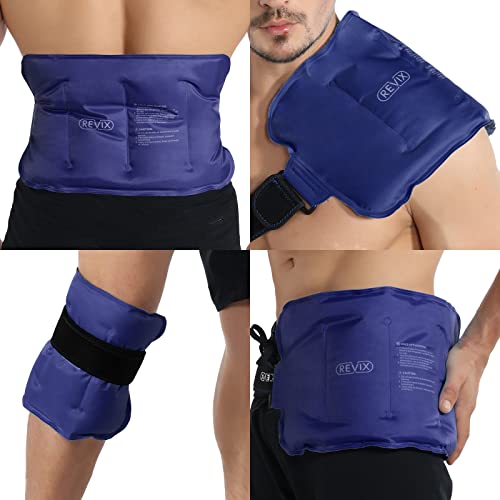
REVIX Ice Pack for Lower Back Pain Relief with Wrap
by REVIX
Best ice pack for back pain — extra-large dual-sided wrap with integrated Velcro strap delivers hands-free large-area coverage for lumbar and hip icing.
Pros
- Extra-large 16x9" coverage area spans the entire lower back and lumbar region in a single application without repositioning
- Dual-sided design — plush side for gentle cold against sensitive skin, nylon side for more intense cold delivery
- Adjustable Velcro strap provides secure hands-free positioning for lumbar icing during rest or light activity
- Built-in plush liner eliminates the need for a protective towel between ice and skin, reducing setup friction
Cons
- Strap may run short for larger waist circumferences — verify sizing before purchase
- Cold therapy only — no heat function, limiting utility for the heat phase of an ice-then-heat protocol
7. General Medi Instant Cold Pack (25-Count) — Best for Emergency Use
The General Medi instant cold pack occupies a distinct clinical niche: it is the cold therapy tool for situations where a freezer is unavailable. The ammonium nitrate chemical reaction activated by squeezing the inner pouch and shaking produces cold that peaks within approximately 30 seconds and maintains therapeutic temperature for 15-20 minutes — precisely the treatment window the clinical protocol requires. For sideline sports medicine, the instant pack is not a compromise but the appropriate tool: a student athlete who takes a direct impact in the third quarter cannot wait for a frozen gel pack, and a trainer’s bag cannot include a freezer. The instant pack exists to address exactly this scenario.
The 25-pack bulk format reflects this use case’s volume requirements. A single athletic trainer working a contact sport sideline may go through four to six instant packs per game. At 25 packs for under $18, the General Medi kit provides a season-ready supply at a per-pack cost that makes restocking practical. School nurses, youth league coaches, summer camp medical staff, and wilderness first responders all share this use profile — high volume, unpredictable frequency, no freezer access — and the 25-pack format serves all of them effectively. For comprehensive first aid preparedness, instant cold packs should be a standard inclusion in any well-stocked kit; our first aid kit guide covers the broader kit components that pair with instant cold packs for complete acute injury management.
The per-pack limitations are honest trade-offs inherent to the technology: ammonium nitrate reactions do not get as cold as frozen gel packs, the small 4x5.5 inch footprint limits coverage area, and single-use disposal creates ongoing cost and waste at high volume. For home use where a freezer is available, reusable gel packs deliver better cold therapy at lower long-term cost. For the travel athlete, hiking first aid kit, or youth sports sideline, the instant cold pack’s no-freezer activation is not a compromise — it is the defining advantage that makes it the only viable cold therapy tool in those contexts.

General Medi Instant Cold Pack Disposable Single Use (25 Count)
by General Medi
No-freezer instant cold for athletes, coaches, and first responders — 25 packs for emergencies, sideline treatment, and first aid kits that cannot carry a cooler.
Pros
- No freezer required — squeeze-and-shake activation delivers instant cold anywhere within seconds
- 25 packs for under $18 — bulk value for sports teams, first aid kits, school nurses, and coaches
- Lightweight and compact enough for athletic bags, first aid kits, and emergency kits without adding meaningful weight
- Reliable squeeze-to-activate mechanism works consistently without pre-cooling or preparation
Cons
- Single-use disposable creates ongoing waste and higher long-term cost versus reusable gel alternatives
- Small 4x5.5" footprint insufficient for large-area coverage — intended for targeted spot treatment only
How to Choose the Best Ice Pack
Before selecting an ice pack, one clinical decision is worth making explicitly: is this injury in the acute phase (first 48-72 hours), the subacute phase (72 hours to several weeks), or the chronic phase? Cold therapy is most clearly indicated in the acute phase, where its primary mechanism — vasoconstriction that limits edema formation and numbing of pain signal transmission — directly addresses the biological events occurring in newly injured tissue. In the subacute and chronic phases, heat therapy often produces better outcomes by driving vasodilation, reducing muscle spasm, and improving tissue extensibility before rehabilitation exercises. Understanding where you are in this timeline determines whether you should be reaching for an ice pack or a heating pad on any given day.
The CBAN progression — Cold, Burning, Aching, Numb — is the clinical guide for session duration and the single most important practical concept in safe cold therapy application. When you apply an ice pack, skin sensation moves through these four stages over approximately 15-20 minutes. The therapeutic window is the numbing phase — when protective cold sensation is achieved but before reactive vasodilation begins. Removing the pack at the onset of numbness and waiting 45-60 minutes before reapplying is the protocol that maximizes therapeutic benefit while avoiding the counterproductive reactive vasodilation that occurs with prolonged icing. Patients with conditions that impair cold sensation — diabetic peripheral neuropathy, Raynaud’s disease, peripheral vascular disease, cold urticaria, or severe circulatory compromise — should not use cold therapy without physician guidance, as the CBAN signal that alerts healthy patients to remove the pack may be absent or unreliable.
Buyer's Guide
Choosing the right ice pack requires matching the pack type, size, and design to your specific injury, body area, and use context — the best pack for an athlete on a sideline is not the same as the best pack for post-surgical lumbar recovery at home.
Type: Gel vs. Instant vs. Traditional
Reusable gel packs are the standard recommendation for home use — they reach and hold colder temperatures than chemical instant packs, conform to body curves, and can be reused hundreds of times. Instant chemical packs (ammonium nitrate) activate without a freezer and are essential for sideline sports medicine, first aid kits, and emergency use, but they do not get as cold as frozen gel packs and cannot be reused. Traditional ice bags filled with crushed ice get colder than either but melt, leak, and cannot be shaped precisely. For home injury management, reusable gel is the correct default; for travel and emergency preparedness, instant packs are the practical choice.
Size and Coverage Area
Match pack size to the injury area being treated. Small packs (4-6") are appropriate for wrists, fingers, and localized ankle spots. Medium packs (7-11") cover the knee, shoulder, and elbow effectively. Large packs (11-14") cover the full knee, hip, or targeted lumbar region. Extra-large wraps (16" and above) cover the entire lower back or bilateral knee coverage. Undersizing a pack — a common mistake — means the periphery of the injury receives inadequate cold therapy, reducing efficacy. Oversizing adds unnecessary weight without clinical benefit for focal injuries.
Flexibility When Frozen
Gel flexibility when frozen determines whether the pack actually contacts the treatment area or merely rests on top of it. Proprietary polymer gels and silica gels maintain pliability at freezer temperatures, allowing the pack to conform to the natural curvature of the knee, shoulder, or lumbar spine. Standard water-based gel packs freeze rigid and provide uneven, incomplete skin contact — particularly on contoured anatomy. Look for packs that explicitly describe remaining flexible when frozen; the FlexiKold and rester's choice in this roundup both meet this standard.
Cold Retention Duration
Therapeutic cold retention varies from approximately 15 minutes for thin consumer gel packs to 30 minutes for clinical silica gel packs like the Chattanooga ColPac. The clinical treatment window is 15-20 minutes per session, so a pack that maintains therapeutic cold for 20-25 minutes covers a full session without needing to be refrozen mid-treatment. Packs with thicker gel fill retain cold longer per session and allow back-to-back treatments with less waiting between sessions. Thinner packs warm faster and require refreezing more frequently.
Straps and Hands-Free Design
Hands-free icing significantly improves adherence to cold therapy protocols, particularly for injuries that require rest and immobilization. Flat packs without straps must be held in place, limiting what patients can do during the 15-20 minute treatment window. Wrap-style packs with Velcro straps — like the TrekProof kit and REVIX back wrap — allow patients to ice while resting, reading, or doing gentle range-of-motion exercises. For lower back, knee, and shoulder injuries where maintaining position while icing is difficult, a built-in strap is the most practically useful design feature in the category.
Skin Safety and Material Quality
Direct ice contact on bare skin causes ice burns within minutes — an avoidable injury that is common with unprotected gel packs. The safest option is a pack with a built-in plush or fabric liner, such as the REVIX back wrap, which eliminates the need for a protective towel. Packs without liners should always be applied over a thin cloth barrier. Double-sealed seams and reinforced nylon construction are the key durability indicators — single-seam packs fail at the seam after repeated freeze-thaw cycling, releasing gel. Latex-free construction, as found on the Chattanooga ColPac, is clinically important for patients with latex allergy.
Final Verdict
After evaluating seven ice packs across gel, clinical-grade, wrap-integrated, and instant categories, the FlexiKold Gel Ice Pack by NatraCure is the best overall cold therapy product for most buyers in 2026. Its combination of genuine frozen flexibility that conforms to body anatomy, proprietary gel that retains cold through the full clinical treatment window, double-sealed construction built for hundreds of freeze-thaw cycles, and the validation of 65,000+ Amazon reviews makes it the appropriate first choice for anyone managing a musculoskeletal injury at home. Physical therapists recommend it because it replicates the clinical cold pack experience at a consumer price — flexible, consistent, and durable through months of daily use.
For cost-conscious buyers who need continuous cold therapy, the Perfect Remedy 2-Pack is the smart value choice — two flexible gel packs with heavy gel fill for the price of a single premium pack, enabling the alternating protocol that makes all-day icing practical. Buyers who want the highest-rated single pack on Amazon with large-format lumbar coverage should look at the rester’s choice Large — 4.8 stars from 40,000 reviews is the most statistically meaningful quality signal in the category. For hands-free convenience right out of the box, the TrekProof 3-Piece Kit is the only complete solution at this price range. And for sideline sports medicine and first aid preparedness where no freezer is available, the General Medi 25-Pack is the practical choice that no reusable gel pack can replace. As always, consult your physician or physical therapist before beginning cold therapy if you have vascular disease, diabetes, Raynaud’s disease, impaired sensation, or are in the post-operative period — cold therapy has real contraindications that a clinician familiar with your history is best positioned to evaluate.
Frequently Asked Questions
How long should you ice an injury?
Are ice packs FSA/HSA eligible?
What ice pack do physical therapists use?
Can I use a gel ice pack for heat therapy too?
Has the RICE protocol been updated — is icing still recommended?
Related Articles
About the Reviewer

Dr. David Taylor, MD, PhD
Drexel University College of Medicine (MD), Indiana University School of Medicine (PhD)
Dr. David Taylor is a licensed physician and medical researcher who founded BestRatedDocs in 2016. With an MD from Drexel University and a PhD from Indiana University School of Medicine, he combines clinical expertise with a passion for health technology to provide evidence-based product recommendations. Dr. Taylor specializes in health informatics and regularly evaluates medical devices, diagnostic equipment, and therapeutic products to help healthcare professionals and patients make informed decisions.