TENS Unit vs EMS: Which Is Better for Pain Relief and Recovery?
Dr. David Taylor explains the clinical difference between TENS and EMS, when to use each, and which is right for your condition. Includes an NMES explainer.
Updated
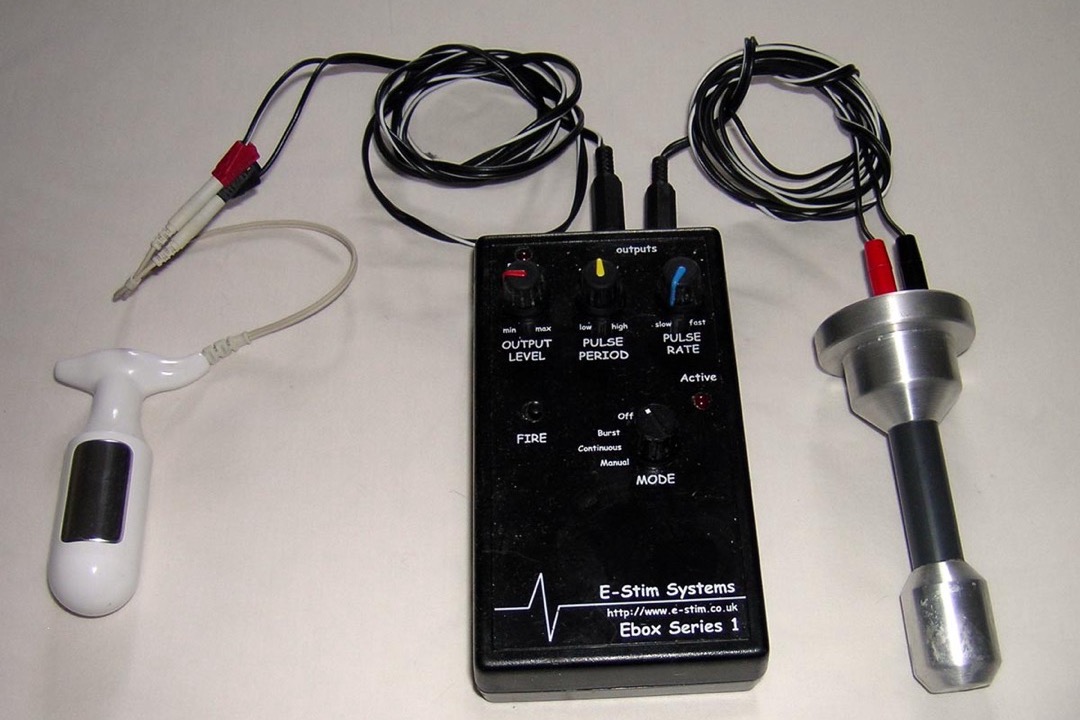
If you have ever searched for drug-free pain relief or faster muscle recovery, you have almost certainly encountered the terms TENS and EMS. They look nearly identical — both involve a small handheld device, adhesive electrode pads, and lead wires — but they work through completely different physiological mechanisms and are designed for different therapeutic goals.
This confusion is not just a consumer problem. Even some healthcare providers use the terms interchangeably. After years of recommending electrotherapy devices to patients in clinical practice, I want to lay out exactly how each technology works, what the evidence says about each, and — most importantly — which one you should actually reach for based on your specific condition.
This guide also covers NMES, a third term that frequently appears in product listings and causes significant confusion, and includes condition-specific decision guidance that most online comparisons skip entirely.
What Is a TENS Unit?
TENS stands for Transcutaneous Electrical Nerve Stimulation. The “transcutaneous” part simply means the electrical current passes through the skin — “trans” (through) + “cutaneous” (skin). The current is delivered via adhesive electrode pads placed on the surface of the skin over or near the area of pain.
How TENS Works
TENS works primarily through two mechanisms, both involving the nervous system.
The first is the Gate Control Theory of pain, proposed by Melzack and Wall in 1965 and still considered one of the most important frameworks in pain science. The theory holds that the spinal cord contains a “gate” — a neural mechanism in the dorsal horn — that can either allow pain signals to travel toward the brain or block them before they arrive. Large-diameter sensory nerve fibers (A-beta fibers) that carry touch and pressure signals compete with smaller-diameter pain fibers (A-delta and C fibers) for the same gate. When TENS activates the large-diameter fibers with high-frequency electrical stimulation (typically 80–150 Hz), those signals effectively “close” the gate to pain. This is why rubbing a bruised area instinctively reduces pain — the same mechanism is at work. TENS provides a controlled, sustained version of that same stimulus.
The second mechanism involves endogenous opioid release. Low-frequency TENS (1–10 Hz) activates A-delta fibers that trigger the release of endorphins — the body’s own pain-modulating chemicals — in the central nervous system and spinal cord. This is slower to take effect than high-frequency gate control but produces longer-lasting analgesia and is particularly useful for chronic pain management. The two mechanisms are complementary, which is why many devices allow users to cycle between high and low frequencies within a single session.
Critically, TENS does not cause muscle contraction. A properly calibrated TENS unit produces a tingling or buzzing sensation at the skin surface, but the current does not penetrate deeply enough or at the appropriate frequency to activate motor neurons. If you see visible muscle twitching during what is supposed to be a TENS session, your device is either miscalibrated or operating in an EMS mode.
What TENS Is Used For
TENS has a well-established evidence base for the following conditions:
- Chronic musculoskeletal pain: low back pain, neck pain, shoulder pain, fibromyalgia
- Neuropathic pain: diabetic peripheral neuropathy, post-herpetic neuralgia (shingles pain)
- Arthritis pain: both osteoarthritis and rheumatoid arthritis
- Post-surgical pain: adjunct to medication for incision site discomfort
- Menstrual pain (dysmenorrhea): high-frequency TENS has been shown in multiple randomized controlled trials to reduce dysmenorrhea severity
- Labor pain: used as a non-pharmacological pain management tool during early labor in many countries
- Sciatica and radicular pain: electrode placement along the nerve pathway can reduce radiating pain
The evidence varies in quality across these conditions, and TENS is generally considered an adjunct therapy rather than a standalone cure. However, for patients seeking to reduce opioid or NSAID use — or who want a non-pharmacological option for chronic pain — TENS represents one of the better-studied and lower-risk electrotherapy interventions available without a prescription. Our roundup of the best TENS units covers the top devices on Amazon across budget, mid-range, and premium tiers.
What TENS Feels Like
First-time TENS users often describe the sensation as a gentle buzzing, tingling, or “pins and needles” feeling. At higher intensities, it can feel like a light tapping or vibration. The sensation should never be painful — if it is, the intensity is too high or pad placement is incorrect. Some patients describe a warming sensation as the session progresses, which is normal. The current should not cause visible muscle movement.
What Is an EMS Device?
EMS stands for Electrical Muscle Stimulation. Like TENS, EMS uses adhesive electrode pads on the skin to deliver electrical current, and the two types of devices are often indistinguishable in appearance. The key difference is what the current targets: EMS uses lower frequencies and higher pulse widths to penetrate past the sensory nerve layer and directly activate the motor neurons that control muscle contraction.
How EMS Works
Motor neurons are the nerve cells that carry contraction signals from the brain and spinal cord to muscle fibers. When EMS delivers current through the skin at the appropriate frequency (typically 20–80 Hz for strengthening and 1–10 Hz for recovery), it depolarizes the motor neuron membrane and triggers an action potential — the same electrical event that occurs when your brain voluntarily tells a muscle to contract.
The result is an involuntary muscle contraction. Unlike the passive tingling of TENS, EMS produces a visible, palpable muscle twitch or sustained contraction depending on the protocol. This is the core of EMS’s therapeutic value: it can exercise a muscle without voluntary effort from the patient.
EMS also has circulatory benefits. Sustained or repeated muscle contractions from EMS act like a mechanical pump, accelerating blood flow and lymphatic drainage in the treated tissue. This is why EMS is used in post-surgical patients who are immobilized — the device keeps the muscle active and maintains circulation even when the patient cannot move voluntarily.
What EMS Is Used For
EMS is clinically established for these applications:
- Muscle atrophy prevention: for patients immobilized after orthopedic surgery, fracture, or stroke
- Muscle re-education: retraining a muscle to contract properly after neurological injury
- Post-surgical rehabilitation: particularly after ACL reconstruction, knee replacement, and shoulder surgery where the surrounding muscles often become inhibited
- Deep vein thrombosis (DVT) prevention: calf muscle EMS during long-haul flights or post-operative immobility
- Sports recovery: clearing lactate from fatigued muscle tissue and reducing delayed-onset muscle soreness (DOMS)
- Strength conditioning supplement: adding contraction volume when voluntary training capacity is limited by injury
For patients recovering from orthopedic surgery, EMS can begin muscle activation before the patient has enough strength or range of motion to perform conventional exercises. This is one of the areas where EMS provides clear clinical value that no other home device can replicate. Our guide to the best EMS devices covers both clinical-grade and consumer options.
What EMS Feels Like
EMS feels distinctly different from TENS. The initial onset produces a muscle contraction that can range from a gentle flutter at low intensities to a full, forceful squeeze at higher settings. It should feel like working a muscle — because that is exactly what is happening. At therapeutic intensities, EMS can be mildly uncomfortable, especially for deconditioned muscle groups. First-time users often describe it as surprising or strange rather than painful. The discomfort is proportional to the depth and strength of contraction the protocol demands.
TENS vs. EMS — Key Differences at a Glance
| Feature | TENS | EMS |
|---|---|---|
| Target tissue | Sensory nerves | Motor neurons / muscles |
| Mechanism | Pain gate modulation, endorphin release | Involuntary muscle contraction |
| Visible muscle movement | No | Yes |
| Primary use | Pain relief | Muscle recovery, rehab, conditioning |
| Frequency range | 1–150 Hz (pain-dependent) | 1–80 Hz (goal-dependent) |
| Feel during use | Tingling, buzzing | Muscle twitch or contraction |
| Post-surgical application | Pain at incision site | Preventing atrophy, re-education |
| Athletic application | Pain from overuse, injury | Recovery, performance maintenance |
| FSA/HSA eligible | Yes (FDA-cleared devices) | Yes (FDA-cleared devices) |
| Available OTC | Yes | Yes |
What About NMES? Clearing Up the Naming Confusion
You will encounter a third term frequently in product listings and clinical literature: NMES, which stands for Neuromuscular Electrical Stimulation. This is not a separate technology — it is a more specific term for EMS when the goal is explicitly rehabilitative rather than cosmetic or athletic.
In clinical settings, NMES refers to electrical stimulation protocols designed to retrain neuromuscular pathways — meaning the communication between the nervous system and the muscle. This is the modality a physical therapist uses after stroke to help a patient regain voluntary limb movement, or after ACL surgery to prevent quadriceps atrophy. The term NMES signals a clinically rigorous intent and typically appears on devices with adjustable parameters (frequency, pulse width, ramp time) that can be tailored to a specific rehabilitation protocol.
Consumer EMS devices marketed for fitness and recovery use the same underlying technology but often in simplified, preset modes. The physiological principle is identical — both NMES and EMS produce involuntary muscle contractions via motor neuron activation. The distinction is one of clinical precision and intended use rather than a fundamentally different mechanism.
When you see a device labeled “TENS/EMS/NMES,” it means the device can operate in all three modes: sensory nerve stimulation for pain relief, motor neuron activation for muscle conditioning, and configured neuromuscular protocols for rehabilitation. These combination units represent the best value for home users who want access to all three therapeutic applications. Many of the best TENS units we reviewed are exactly this type of combination device.
When to Use TENS
Back Pain
For acute low back pain, high-frequency TENS (80–120 Hz) placed over the lumbar paraspinal muscles provides rapid pain gate activation. For chronic low back pain with a neuropathic component — the type that lingers as a dull ache or radiates — low-frequency TENS (2–4 Hz) is more appropriate to trigger endorphin release over a longer treatment window. Pair TENS therapy with a well-fitted back brace during activities that aggravate pain for a complementary approach to spinal support and pain modulation.
Sciatica
TENS is the first-line electrotherapy choice for sciatic nerve pain because the underlying mechanism is nerve irritation rather than muscle weakness. Electrode placement follows the nerve pathway: one pad at the lumbar origin (L4–S1 paraspinal region) and one pad along the course of radiating pain — the gluteal fold, posterior thigh, or calf depending on where symptoms dominate. Low-frequency TENS is generally preferred for sciatica to maximize endorphin-mediated analgesia. High-frequency TENS closer to the lumbar spine can provide short-term relief before the endorphin response establishes.
Arthritis
For osteoarthritis of the knee, TENS over the medial and lateral joint lines has demonstrated moderate evidence for short-term pain reduction in several meta-analyses. For rheumatoid arthritis flares in smaller joints (wrists, fingers, ankles), TENS provides a drug-free analgesic option that does not interfere with disease-modifying medications. Complement TENS therapy with appropriate orthopedic supports — knee braces for knee OA or ankle braces for ankle arthritis — to reduce mechanical load on the affected joint.
Fibromyalgia
Fibromyalgia involves widespread central sensitization — the nervous system’s pain-processing threshold is chronically lowered. TENS therapy targets this sensitization indirectly by activating inhibitory sensory pathways. Clinical trials have shown variable results, likely because fibromyalgia pain is diffuse and electrode placement becomes a more complex decision. Many fibromyalgia patients use TENS as one component of a multi-modal management plan that may also include heat therapy (see best heating pads) and gentle physical therapy.
Menstrual Pain
High-frequency TENS applied over the lower abdomen (suprapubic region) has strong randomized controlled trial evidence for reducing primary dysmenorrhea severity. TENS machines designed specifically for menstrual pain are marketed broadly in Europe and increasingly in North America. Standard TENS units can serve this purpose equally well with correct pad placement and frequency selection (80–100 Hz).
Post-Surgical Pain
TENS is well-suited to post-surgical incision pain, provided electrode pads are placed around rather than over the incision site (never on broken or healing skin). It allows patients to reduce oral analgesic doses during recovery, which is particularly valuable for patients who need to limit opioid exposure. Consult your surgeon before using TENS post-operatively to confirm appropriate electrode placement for your specific procedure.
When to Use EMS
Post-Surgical Rehabilitation
EMS is the primary electrotherapy for preventing muscle atrophy in the weeks following orthopedic surgery. After ACL reconstruction, for example, the quadriceps often become inhibited — the nervous system reflexively suppresses activation to protect the healing graft. EMS bypasses this inhibition by directly activating the motor neurons, maintaining quadriceps mass and strength while voluntary exercise is limited. Physical therapists routinely use clinical NMES devices for this purpose, and home devices with adjustable frequency and pulse width settings can extend these benefits between clinic visits.
Muscle Atrophy from Immobility
Any condition requiring extended immobility — fracture, joint replacement, prolonged illness, spinal cord injury — carries the risk of significant muscle atrophy. EMS applied to immobilized limbs during recovery can substantially slow the rate of atrophy and accelerate return of voluntary strength when mobility is restored. This application is one of the most evidence-supported uses of EMS and has been part of physical therapy practice for decades.
Sports Recovery
For athletes, EMS at low frequencies (1–10 Hz) following intense training sessions promotes active recovery without adding metabolic stress. The rhythmic contractions produced at these low frequencies increase local circulation, accelerate lactate clearance, and reduce DOMS onset. Athletes in professional cycling, swimming, and team sports have used EMS recovery protocols regularly. Consumer EMS devices with a dedicated “recovery” or “massage” mode typically operate in this range. Combining EMS recovery sessions with percussive therapy from a massage gun provides complementary stimulation modalities — EMS from within the muscle via motor neuron activation, and percussion mechanically from the surface.
Conditioning and Training Supplement
In healthy individuals, EMS at higher frequencies (50–80 Hz) during or following strength training sessions has been shown to increase motor unit recruitment and contribute to measurable strength and hypertrophy gains when combined with voluntary resistance exercise. This is the application most frequently marketed in consumer fitness EMS devices. It is important to set realistic expectations: EMS alone does not build muscle as effectively as voluntary resistance training, but as a supplement to a training program — particularly during periods of reduced training volume due to injury — it offers genuine conditioning value.
Can You Use TENS and EMS Together?
Yes — and for many patients, using both modalities is more effective than using either alone. The two technologies address different aspects of a clinical problem: TENS manages the pain experience, while EMS addresses the underlying muscle deconditioning that often accompanies chronic pain conditions.
The most practical way to use both is through a combination device — a single unit that can deliver TENS, EMS, and often NMES protocols through the same electrode set. These combo units have become the dominant consumer category, and most of the devices reviewed on our best TENS units and best EMS devices pages are combination products. The key is understanding which mode to use when:
- TENS mode: Use before or during pain flares, before physical activity to pre-manage pain, or after activity to address soreness from a nerve-pain perspective.
- EMS mode: Use during rehabilitation sessions and post-workout recovery when the goal is muscle activation, circulation, or conditioning rather than pain modulation.
- Sequential use on the same session: Some protocols recommend running a TENS session first to reduce pain perception, then switching to an EMS protocol to perform muscle work with less discomfort. This is a legitimate clinical approach.
If you are managing heat-related pain alongside electrical stimulation, combining TENS with one of the best heating pads in alternating cycles — heat to relax tissue, TENS to modulate pain — is a common and evidence-supported home therapy protocol.
Safety and Who Should Not Use These Devices
Both TENS and EMS are considered safe when used as directed, but there are absolute contraindications that must be respected.
Do not use TENS or EMS if you have:
- An implanted electronic device: This includes cardiac pacemakers, implantable cardioverter-defibrillators (ICDs), and cochlear implants. The electrical current from TENS and EMS can interfere with device programming or trigger inappropriate device responses. This contraindication is absolute.
- Epilepsy: Electrical stimulation over the head or neck can potentially trigger seizures in individuals with epilepsy.
- Active cancer: Do not place electrodes over a known or suspected tumor site.
- Deep vein thrombosis (DVT): EMS (but not necessarily TENS) over an active DVT is contraindicated due to the risk of dislodging a clot.
Use with caution if you are:
- Pregnant: TENS over the abdomen or lower back during pregnancy should be avoided unless specifically cleared by your obstetrician. TENS for labor pain is a distinct and medically supervised application.
- Managing broken or infected skin: Never place electrode pads on open wounds, rashes, or infected skin.
- Experiencing reduced skin sensation: Peripheral neuropathy or any condition that impairs skin sensation increases burn risk, as feedback about excessive intensity is diminished.
- Using blood thinners or have a bleeding disorder: High-intensity EMS can cause minor bruising in individuals with coagulation issues.
Always start at the lowest intensity setting and increase gradually until you reach a therapeutic level — one that produces the desired sensation or muscle response without discomfort. For new users, beginning with a 15-minute session at moderate intensity provides a reasonable first assessment of how your body responds before committing to longer or more frequent use.
Final Verdict
The right answer to “TENS or EMS?” almost always depends on what problem you are trying to solve rather than which technology is objectively superior. TENS is the tool for pain — it works by interrupting pain signals before they reach conscious awareness, making it ideal for back pain, sciatica, arthritis, fibromyalgia, and nerve-related conditions. EMS is the tool for muscle — it works by forcing muscle contractions regardless of voluntary effort, making it ideal for post-surgical rehabilitation, atrophy prevention, and athletic recovery.
For most patients dealing with chronic musculoskeletal pain at home, a combination TENS/EMS device is the single most versatile and cost-effective choice. These units deliver both modalities through the same hardware, allowing you to match the therapy to the problem on any given day. Our full reviews of the best TENS units and best EMS devices cover the specific devices we recommend at every price point, with detailed analysis of channels, modes, battery life, and clinical appropriate use for each.
If you are managing pain alongside physical deconditioning — a common picture in chronic back pain, post-surgical recovery, or any condition requiring prolonged rest — the combination of TENS for pain modulation and EMS for muscle maintenance is one of the most effective home therapy approaches available without a prescription.
As with any therapy, consult your physician or physical therapist before beginning TENS or EMS if you have underlying health conditions, are recovering from recent surgery, or have any of the contraindications listed above. Electrotherapy is a powerful adjunct — used correctly, it belongs in virtually every home pain management toolkit.
Frequently Asked Questions
What is better for back pain, TENS or EMS?
Can you use TENS and EMS at the same time?
Is TENS or EMS better for sciatica?
Does EMS actually build muscle?
How long should you use a TENS or EMS unit per session?
Related Articles
About the Reviewer

Dr. David Taylor, MD, PhD
Drexel University College of Medicine (MD), Indiana University School of Medicine (PhD)
Dr. David Taylor is a licensed physician and medical researcher who founded BestRatedDocs in 2016. With an MD from Drexel University and a PhD from Indiana University School of Medicine, he combines clinical expertise with a passion for health technology to provide evidence-based product recommendations. Dr. Taylor specializes in health informatics and regularly evaluates medical devices, diagnostic equipment, and therapeutic products to help healthcare professionals and patients make informed decisions.