Complete Guide to Nebulizer Maintenance and Cleaning
Dr. David Taylor, MD explains how to clean and maintain a nebulizer the way the clinical evidence actually supports — daily rinse routine, weekly disinfection methods, parts replacement schedule, and the after-illness, hard-water, and biofilm details most guides skip.
Updated
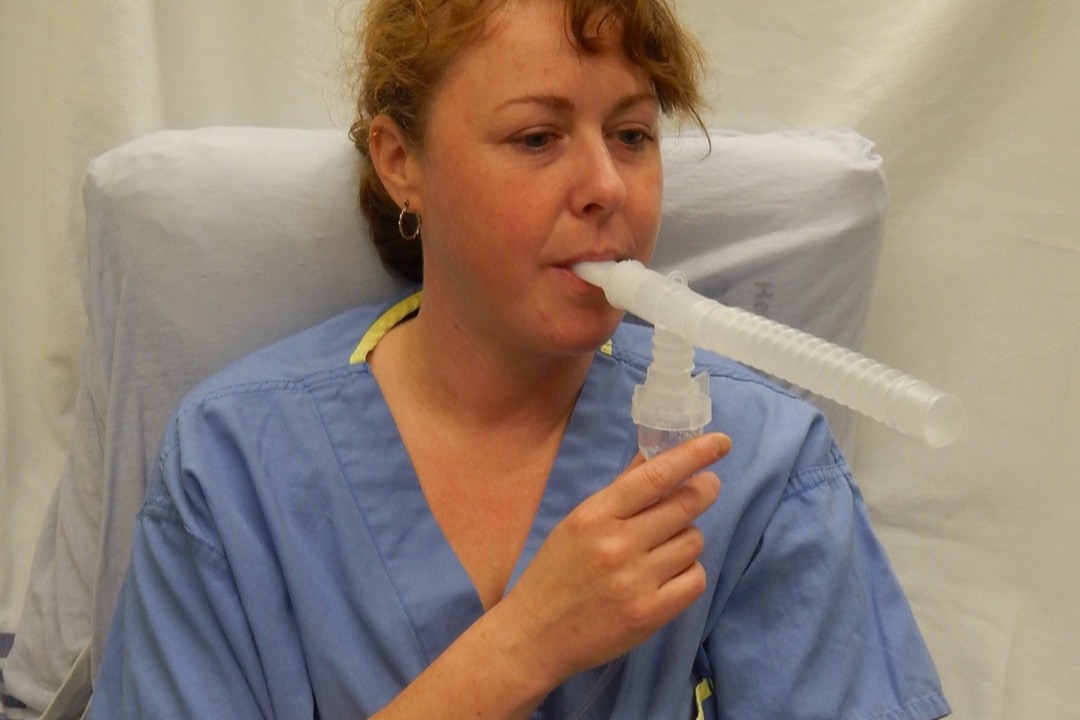
A patient brought her nebulizer into my office last winter because, in her words, it had “stopped working as well.” The compressor still hummed and a faint mist still came out of the mouthpiece, so she assumed the motor was dying. It was not. The medication cup was lined with a chalky white scale from months of hard tap water, the inside of the tubing showed beads of trapped moisture, and the air filter had gone gray. The machine was fine. The maintenance had failed — and along with it, quietly, so had a meaningful fraction of every dose she had taken for the better part of a year.
That is the failure mode I want this guide to prevent, because it is far more common than the dramatic one. People worry about a nebulizer breaking. What actually happens is that an uncleaned nebulizer slowly becomes two things at once: a less effective delivery device, and a reservoir for the exact organisms a respiratory patient can least afford to inhale. Cleaning a nebulizer is not housekeeping. For someone with asthma, COPD, cystic fibrosis, or bronchiectasis, it is part of the treatment — and the clinical evidence on how to do it well is more specific, and more interesting, than the typical “rinse it daily” advice suggests. If you are still choosing a device, my best nebulizers roundup and my guide to the three nebulizer types come first; this guide is for keeping the one you have safe and effective.
Why Proper Cleaning Is a Medical Necessity, Not a Chore
Start with what actually grows inside a neglected nebulizer, because it reframes everything that follows. A nebulizer takes liquid, warms and agitates it, and leaves the wet parts sitting in a warm room — close to ideal conditions for bacteria and mold. The organisms that matter most are gram-negative bacteria like Pseudomonas aeruginosa, and they do something that makes them genuinely hard to remove: they form biofilm, a self-produced slime layer that anchors them to the plastic and shields them from a simple soap-and-water wash.
This is the single most important fact most cleaning guides never mention. Laboratory and clinical research over the past decade has shown that washing eradicates gram-positive bacteria and fungi reasonably well, but only incompletely removes gram-negative organisms once they are embedded in biofilm. Worse, work published in microbiology journals has demonstrated that bacteria growing as biofilm on a reusable nebulizer can detach during nebulization and aerosolize straight into the lungs — meaning a contaminated device doesn’t just sit there harmlessly; it actively delivers pathogens to already-compromised respiratory tissue. That mechanism is exactly why disinfection method matters and not just frequency: biofilms are heat-sensitive, which is the clinical reason heat disinfection is preferred over chemical soaks for high-risk patients.
There is a second counter-intuitive finding worth internalizing. When researchers studied home nebulizer cleaning practices, the strongest predictor of how contaminated a device became was not which disinfectant the patient used or even how often they cleaned — it was how completely they dried it. Patients who stored their nebulizers damp had dramatically higher contamination regardless of cleaning effort. If you remember one thing from this entire guide, make it this: drying matters more than the disinfectant you choose. A perfectly disinfected nebulizer put away wet is worse than a vinegar-soaked one that was allowed to dry completely.
Before You Start: Know Your Device
There is a hierarchy to nebulizer cleaning advice, and almost every guide online gets it backwards by presenting generic rules as universal. The correct order is: your device’s Instruction for Use (IFU) governs first; if the manual is silent on a question, fall back to guidance from bodies like the Cystic Fibrosis Foundation or the CDC; and a general guide like this one is the fallback after that. This is not a disclaimer for its own sake. PARI’s eFlow and Altera mesh devices, for example, specifically prohibit antibacterial soaps and certain liquid dish soaps that are perfectly fine on an ordinary jet nebulizer — a real instruction, buried in one manual, that contradicts what most websites tell you. Read your manual before you follow any guide, including mine.
The other thing to establish up front is what kind of nebulizer you own, because cleaning differs by mechanism. A jet (compressor) nebulizer has a medication cup, mouthpiece or mask, and tubing connected to a motorized compressor. A mesh nebulizer adds a fragile vibrating mesh plate that requires its own gentle handling. (An older ultrasonic unit is cleaned much like a jet model.) If you’re unsure which you have or how the types differ in everyday use, my nebulizer types guide walks through all three. The cleaning fundamentals below apply to the cup, mouthpiece, and mask of every type; the mesh-specific notes are flagged where they matter.
After Every Treatment: The Five-Minute Rinse
This is the routine that does the most work for the least effort, and it should happen every single time you finish a treatment — not at the end of the day, but right then, while the residue is still wet and easy to remove.
- Turn off and unplug the compressor. Never handle water near a powered unit.
- Disassemble. Separate the mouthpiece or mask, the medication cup, and the connector from the tubing. Set the tubing aside.
- Leave the tubing alone. This surprises people: you do not rinse or wash the inside of the tubing, ever. You cannot dry the interior, and trapped moisture is a contamination pathway. Tubing is maintained by replacement on schedule, not by cleaning.
- Rinse the removable parts — cup, mouthpiece, mask — under warm running water for about 30 seconds each.
- Shake off the excess and air-dry on a clean, lint-free cloth or paper towel. Do not towel-dry with a used cloth, and do not reassemble or store the parts while they are still wet.
If your manual allows it, there is one more useful step some respiratory equipment suppliers recommend: after disconnecting the parts, run the compressor by itself for 10 to 20 seconds to push dry air through the tubing and evaporate any moisture clinging inside. Since the tubing interior is the one place you can never clean, keeping it as dry as possible is the next best thing.
Daily Cleaning: The Full Wash
Once a day, after your final treatment, go beyond the rinse to a full wash. Disassemble as before, then wash the medication cup, mouthpiece, and mask in warm water with a few drops of mild, unscented liquid dish soap. Swish, make sure soap contacts every interior surface of the cup, then rinse thoroughly so no soap film remains. Shake off the water and air-dry completely on a clean surface.
Two details matter here. First, soap selection: avoid antibacterial soaps and certain heavy-duty white liquid soaps, which can leave residues or, on specific mesh devices, damage the unit — your IFU will name names if it cares. A plain, fragrance-free dish soap is the safe default. Second, the rinse water. For everyday washing, clean tap water is acceptable. But for the final rinse — especially after disinfection — distilled or sterile water is the better choice for the clinical reasons covered in the FAQ: tap water can carry waterborne bacteria and, in hard-water areas, leaves mineral scale that degrades both hygiene and dose delivery.
Weekly Disinfection: Choosing a Method
Daily washing removes residue; weekly disinfection kills what washing leaves behind. You do not need to use every method — pick one per session based on your device’s compatibility and your risk level. The cold (chemical) methods are convenient; the heat methods are more thorough against biofilm and are what I steer higher-risk patients toward.
| Method | How | Time | Notes |
|---|---|---|---|
| White vinegar soak | 1 part white vinegar : 3 parts warm water | 30–60 min | Most accessible; rinse with distilled water after |
| 3% hydrogen peroxide | Submerge parts | 30 min | Good after-illness option; rinse and air-dry |
| 70% isopropyl alcohol | Submerge parts | 5 min only | Longer contact degrades plastic — do not over-soak |
| Boiling | Cover parts in water, rolling boil | 5 min | Confirm parts are boil-safe in IFU first |
| Microwave | Submerge in sterile water, microwave-safe container | 5 min | Heat method; check device compatibility |
| Dishwasher | Top rack, hot cycle 158°F+ | 30+ min | Skip heated dry if masks warp |
| Electric steam sterilizer | Per manufacturer cycle | 6–8 min | The most consistent heat method |
Three rules apply across every method. Never reuse a disinfectant solution from a previous cleaning — fresh solution each time. Never mix methods in a single session. And always finish with a complete air-dry, because, as above, drying is the step that actually determines contamination. After a vinegar or peroxide soak, give the parts a final rinse with distilled or sterile water before drying, so you are not leaving acetic acid or peroxide residue on a surface you are about to breathe through.
Compressor and Tubing Care
The compressor and tubing are the parts you maintain by not washing. Wipe the compressor’s exterior once a week with a damp cloth or a disinfectant wipe; never submerge it and never spray liquid into the vents. The air filter is the one consumable on the compressor itself — check it periodically and replace it roughly every six months, or sooner if it looks gray or discolored. A clogged filter makes the motor work harder and can pull dust into the airstream. Tubing, as established, cannot be cleaned internally; replace it on schedule and run the compressor briefly after treatments to dry it. Monitoring your oxygen saturation during flares with a pulse oximeter and tracking airway function with a peak flow meter will also tell you, indirectly, when a degraded device is under-delivering — a sudden drop in your numbers with no change in symptoms sometimes traces back to a clogged cup or filter rather than your lungs.
After an Illness: When Your Routine Changes
Here is a question patients search for and almost never find answered: what do you do with the nebulizer once you’ve recovered from a chest infection? The honest clinical answer is that your normal weekly schedule is insufficient at that moment. The device has been running into inflamed airways and is carrying a heavier and more relevant pathogen load than usual. Before you go back to routine maintenance treatments, perform a full heat disinfection — boiling, the dishwasher’s hot cycle, or a steam sterilizer — or at minimum a hydrogen peroxide soak rather than vinegar alone, because heat and peroxide deal with biofilm-protected gram-negative bacteria better than a vinegar soak does. If any disposable cup or mouthpiece looks cloudy or stained after the illness, throw it out and start fresh. Replacement parts cost very little; a reinfection from your own device costs a great deal more. If the illness left you with a lingering productive cough, review which symptomatic options are appropriate alongside nebulized therapy in my cough medicine guide.
Dealing With Hard Water and Mineral Deposits
If you live in a hard-water area, you will eventually see a chalky white film build up inside the medication cup — calcium and magnesium scale left behind as water evaporates. This is not cosmetic. The deposits reduce the aerosol particle size the device can produce, cutting how much medication actually reaches your lower airways, and the rough scaled surface gives biofilm an easier foothold. A normal soap wash will not touch it.
The fix is acid. An extended white vinegar soak of 60 minutes or more dissolves calcium carbonate scale; the acetic acid does the chemical work that scrubbing cannot. If vinegar alone doesn’t fully clear heavy buildup, a food-grade 3% citric acid solution is more effective at dissolving calcium deposits than vinegar and is safe on nebulizer plastics. Rinse thoroughly with distilled water afterward. One thing not to do: do not try to boil scale away. Boiling concentrates the dissolved minerals and can make deposits worse. The durable prevention is to use distilled water for your medication and final rinse if your tap water is hard — it sidesteps the problem entirely.
Travel Cleaning: When You Don’t Have Your Full Setup
Travel is where cleaning discipline collapses, usually because the distilled water and the usual sink are missing. You do not have to choose between skipping treatments and skipping hygiene. The ideal travel protocol is simple: pack a small bottle of distilled water dedicated to the final rinse, and carry single-use vinegar packets for periodic disinfection. If you run out of distilled water, the single-use sterile saline ampules that many nebulizer patients already carry for their medication make a perfectly good sterile final rinse in a pinch. The minimum acceptable standard on the road is to rinse and dry after every treatment even if you can’t do a full disinfection until you’re home — the after-use rinse and a complete dry are the highest-value steps, and they travel anywhere. A compact mesh unit makes this far easier than a tabletop compressor; my nebulizer vs inhaler comparison and the steam inhaler guide cover the portable options worth considering if travel is a regular part of your life.
When to Replace Nebulizer Parts
Cleaning extends the life of your parts; it does not make them permanent. Plastic fatigues, seals loosen, and a worn mask that no longer fits the face delivers a smaller dose. Replace on this schedule, or sooner if you see the warning signs.
| Part | Typical replacement | Replace sooner if… |
|---|---|---|
| Medication cup (disposable) | After 10–14 treatments | Cloudiness or residue that won’t wash off |
| Medication cup (reusable) | Every 6 months | Weak mist, cracks, persistent cloudiness |
| Mouthpiece / mask (disposable) | After 5–7 uses | Damage or discoloration |
| Mouthpiece / mask (reusable) | Every 6 months | Poor seal, chips, yellowing |
| Tubing | Every 6 months | Yellowing, cracking, stiffness, moisture inside |
| Compressor air filter | Every 6 months | Visibly gray or discolored |
| Mesh plate (mesh units) | Per IFU (often ~500 uses) | Clogged holes, longer treatment times |
| Full compressor unit | 3–5 years | Loud motor, persistently long treatments |
A practical tip: most replacement supplies — cups, masks, tubing, filters — are covered under Medicare Part B and many private plans as durable medical equipment accessories, so the out-of-pocket cost is often lower than patients assume. Set a recurring phone reminder for the six-month parts so they don’t quietly age past their useful life. A weakened mist or a treatment that suddenly takes longer than usual is the device telling you a part is due — listen to it before you assume the medication or your lungs are the problem.
The Bottom Line
A nebulizer is only as good as its upkeep, and the upkeep is genuinely medical. Rinse and dry after every treatment, wash daily, disinfect weekly, and replace parts on schedule — and above all, let everything dry completely, because thorough drying does more to keep the device safe than any single disinfectant. Match your method to your device’s manual, escalate to heat disinfection after an illness, and treat hard-water scale as the dose-robbing problem it is. Do that, and the nebulizer your prescription depends on will keep delivering the full dose it’s supposed to, treatment after treatment, instead of slowly and invisibly working against you. When it’s time to replace the unit itself, my vetted nebulizer picks cover the current durable options across all three types.
Dr. David Taylor is a physician who reviews home medical devices for accuracy and clinical fit. This guide provides general educational information and is not a substitute for individualized medical advice. Always follow your specific nebulizer’s Instruction for Use, and consult your respiratory therapist or physician for guidance specific to your condition and device. Last reviewed: July 2026.
Frequently Asked Questions
How often should I clean my nebulizer?
Is it safe to clean a nebulizer with vinegar, and what ratio should I use?
Can I put my nebulizer parts in the dishwasher?
Can I use tap water to rinse my nebulizer?
How should I clean my nebulizer after I've been sick?
What happens if I don't clean my nebulizer properly?
How do I clean a portable mesh nebulizer differently from a jet nebulizer?
Related Articles
Nebulizer vs Inhaler: Which Should You Use?
respiratory-equipment
Nebulizer Types Explained: Compressor vs Ultrasonic vs Mesh
respiratory-equipment
7 Best Pulse Oximeters of 2026
respiratory-equipment
Best Nebulizers 2026: Why I No Longer Recommend Buying One on Amazon
respiratory-equipment
5 Best Peak Flow Meters of 2026
respiratory-equipment
About the Reviewer

Dr. David Taylor, MD, PhD
Drexel University College of Medicine (MD), Indiana University School of Medicine (PhD)
Dr. David Taylor is a licensed physician and medical researcher who founded BestRatedDocs in 2016. With an MD from Drexel University and a PhD from Indiana University School of Medicine, he combines clinical expertise with a passion for health technology to provide evidence-based product recommendations. Dr. Taylor specializes in health informatics and regularly evaluates medical devices, diagnostic equipment, and therapeutic products to help healthcare professionals and patients make informed decisions.