7 Best Wrist Braces of 2026
Dr. David Taylor reviews the best wrist braces for carpal tunnel, tendinitis, and sprains. Compare top-rated supports by fit, rigidity, and value.
Updated
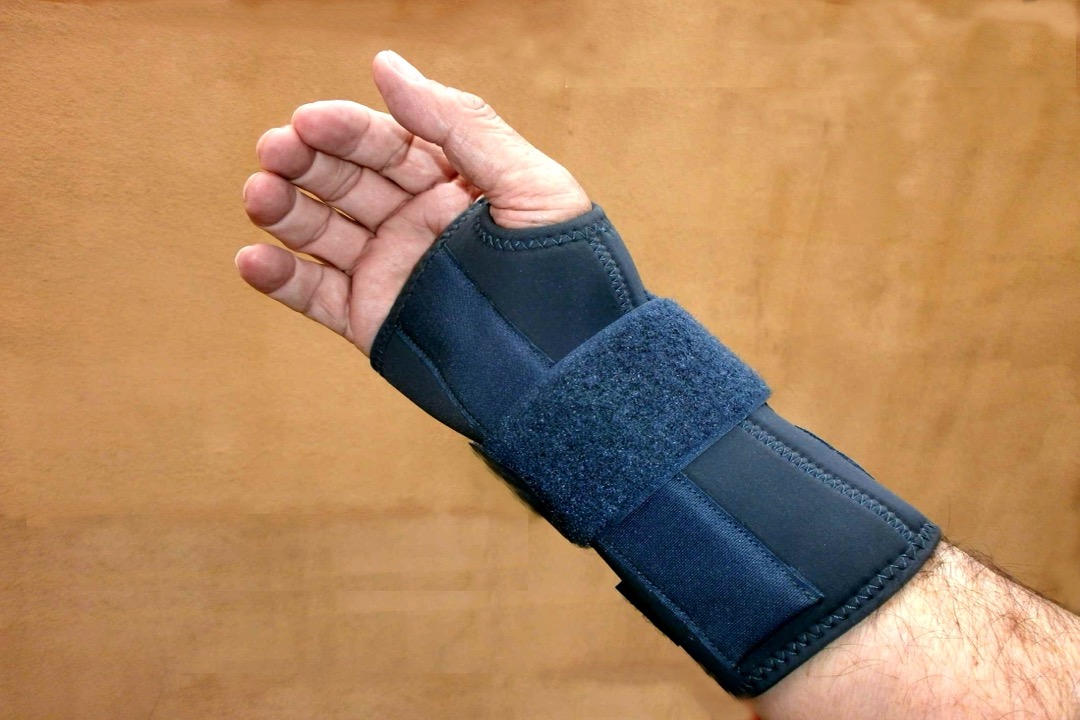
Carpal tunnel syndrome affects an estimated 3 to 6 percent of the adult population in the United States, and wrist tendinitis from repetitive work, sport, and computer use affects millions more. For the majority of patients with mild to moderate wrist symptoms, a properly fitted wrist brace is the recommended first step in conservative treatment — supported by clinical guidelines from the American Academy of Orthopaedic Surgeons — before injections, physical therapy, or surgical consideration. In 2026, we reviewed the best wrist braces available on Amazon, evaluating each for clinical appropriateness, construction quality, sizing accuracy, and real-world user performance across tens of thousands of verified reviews.
Our evaluations are informed by Dr. David Taylor’s clinical perspective on orthopedic supports and durable medical equipment, combined with analysis of verified Amazon review patterns and clinical literature on wrist immobilization. We assessed how each brace performs in the scenarios that drive most purchases: overnight carpal tunnel relief, full-day computer work, active recovery from repetitive strain, and bilateral CTS management. If you are also managing lower body issues alongside wrist symptoms, see our guides to the best knee braces and best ankle braces for comparable evidence-based orthopedic support options.
| Product | Price | Buy |
|---|---|---|
| Mueller Sports Medicine Green Fitted Wrist BraceBest Overall | $15.99 | View on Amazon |
| Futuro Night Wrist Sleep Support AdjustableBudget Pick | $18.99 | View on Amazon |
| FEATOL Wrist Brace Carpal Tunnel Splint Night SupportRunner-Up | $13.99 | View on Amazon |
| Copper Compression Advanced Wrist BracePremium Pick | $29.95 | View on Amazon |
| ComfyBrace Carpal Tunnel Wrist Brace (Pack of 2) | $24.99 | View on Amazon |
| FREETOO Carpal Tunnel Wrist Brace Night Support | $16.99 | View on Amazon |
| ZOFORE SPORT Carpal Tunnel Wrist Brace Night Support | $12.99 | View on Amazon |
How We Selected These Wrist Braces
We limited our primary review to braces with verifiable Amazon listings, clear product specifications, and meaningful review depth — targeting products with at least 4,000 verified ratings where possible. For each product, we evaluated the clinical appropriateness of the wrist positioning mechanism (palmar stay angle, rigidity level, and joint coverage), assessed recurring patterns in user feedback for sizing accuracy and durability, and identified which diagnoses each design best serves. Products are organized by use case to help readers match their specific condition to the right support type.
1. Mueller Sports Medicine Green Fitted Wrist Brace — Best Overall
Mueller Sports Medicine has been producing orthopedic supports for decades, and the Green Fitted Wrist Brace represents the brand’s most versatile everyday carpal tunnel design. The defining feature is the removable and moldable aluminum palmar stay — a full-length insert that runs from the metacarpal arch to the distal forearm, holding the wrist at a neutral 0-15 degree extension. Unlike fixed-stay braces, this stay can be bent to a custom angle by the patient or their occupational therapist, then reinstalled for precise and repeatable positioning session after session.
The full sizing range from XS through XL addresses one of the most persistent limitations in this category: the two-size systems common at lower price points that leave smaller hands and larger hands with a compromise fit. A wrist brace that does not fit correctly will migrate during use — the thumb loop on the Mueller Green prevents exactly this, anchoring the brace distally and maintaining consistent palmar stay positioning even during repetitive hand movements. For desk workers, retail associates, and healthcare staff managing CTS symptoms without pausing daily work, this slim and glove-compatible profile is the most practical construction available.
The machine-washable design (remove the stay first) resolves a persistent hygiene limitation in the category. A brace worn 8+ hours daily requires regular washing, and fixed-stay alternatives that require hand wash only get cleaned far less frequently than they should. The Mueller Green’s removable stay enables a straightforward laundry cycle, making it genuinely viable for months of consistent daily treatment.

Mueller Sports Medicine Green Fitted Wrist Brace
by Mueller Sports Medicine
Mueller's green flagship — removable moldable stay, full sizing range, and machine washable for daily carpal tunnel management.
Pros
- Removable and moldable aluminum palmar stay allows custom wrist extension angle per physician or occupational therapist guidance
- Thumb loop anchors the brace distally and prevents migration during repetitive hand movements at a keyboard or on a production line
- Available in XS through XL — broader sizing than most competitors' two-size systems, ensuring a clinically accurate fit
- Stay removes for machine washing, eliminating the hand-wash-only restriction that makes many competing braces harder to maintain
Cons
- Sold as right or left hand separately — buyers managing bilateral carpal tunnel must purchase two units
- Forgiving sizing system means the brace stays closer to the wrist than the forearm, offering less proximal stabilization than extended-panel designs
2. Futuro Night Wrist Sleep Support Adjustable — Budget Pick
The Futuro Night Wrist Sleep Support from 3M is the reference product for nighttime carpal tunnel management and has held that position across multiple clinical treatment guidelines. Its distinguishing design choice is a flexible palmar stabilizer rather than a rigid metal stay — and that choice is clinically deliberate. During sleep, a rigid brace with hard edges creates focal pressure points at the thenar pad and palmar surface during involuntary hand movements, disrupting sleep or causing new discomfort at the contact sites. The Futuro’s flexible stabilizer maintains the neutral wrist position throughout the night without the rigid edges that make hard-stay braces problematic for sleeping patients.
Occupational therapists frequently recommend the Futuro Night Support by name in carpal tunnel treatment protocols. The ambidextrous adjustable design fits left or right wrist and eliminates the need to purchase separate left- and right-hand versions — an important cost consideration for the estimated 30-40% of CTS patients who present bilaterally. The machine-washable construction is essential for a product worn against the skin every night; this is not optional hygiene but a basic maintenance requirement, and the Futuro’s washability makes compliance straightforward.
For patients with significant daytime CTS symptoms during keyboard work, the Futuro Night Support should be paired with a firmer daytime brace — it is not rigid enough to prevent aggravating wrist motion during active manual tasks. Its role is specifically nocturnal: eliminating the sleep-position wrist flexion that triggers the nighttime tingling, numbness, and hand pain that characterize early-to-moderate CTS and drive most patients to seek treatment. At its accessible price point, the Futuro Night Support is the most cost-effective first-line purchase in this review.

Futuro Night Wrist Sleep Support Adjustable
by Futuro (3M)
The occupational therapy standard for nighttime carpal tunnel bracing — flexible stay, ambidextrous fit, and fully machine washable.
Pros
- Flexible palmar stay maintains neutral wrist position without rigid edges that disrupt sleep or create pressure points on the thenar pad
- Ambidextrous adjustable design fits left or right wrist and most adult hand sizes, reducing the need for two separate purchases
- Widely cited in occupational therapy protocols as a first-line nighttime intervention for carpal tunnel syndrome
- Machine washable construction is essential for a product worn every night — daily skin contact demands regular laundering
Cons
- Flexible stay provides insufficient rigidity for daytime activity or manual work — intended for nighttime use only
- Single-size adjustable design may not achieve a precise fit for very small or very large wrists at the extremes of the adult range
3. FEATOL Wrist Brace Carpal Tunnel Splint Night Support — Runner-Up
The FEATOL Wrist Brace has accumulated over 31,000 verified Amazon reviews — making it one of the most extensively field-tested wrist braces in the entire category. This depth of real-world feedback is clinically meaningful: at this volume, patterns in user experience are highly reliable, and the FEATOL’s sustained high rating reflects genuine functional performance across a diverse population of buyers with varying hand sizes, activity levels, and CTS severities.
The removable and bendable aluminum stay is the core clinical feature — it can be shaped to a custom angle per physician or occupational therapist specifications and reinstalls securely for consistent positioning. The dual hook-and-loop strap system distributes compression across two independent zones at the metacarpal arch and wrist, providing more even circumferential support than the single-strap designs common in this price range. The open-thumb construction preserves full dexterity for typing, writing, and touchscreen use — the practical requirement that makes carpal tunnel bracing compatible with desk work rather than interrupting it.
The FEATOL’s main limitation versus the Mueller Green is construction thickness: the materials are lighter, and for patients in a six-to-twelve month conservative treatment course who will wash and wear the brace daily, a heavier-construction option may prove more durable over time. For patients with shorter treatment timelines, those who need a work backup to pair with a primary brace, or those managing bilateral symptoms who need two affordable units without doubling a premium-brace budget, the FEATOL delivers solid performance at a category-leading price.

FEATOL Wrist Brace Carpal Tunnel Splint Night Support
by FEATOL
One of the most-reviewed wrist braces on Amazon — removable moldable stay, dual straps, and open-thumb design at an accessible price.
Pros
- Over 31,000 verified reviews make this one of the most extensively tested wrist braces in the category
- Removable aluminum stay bends to a custom angle per clinical instructions and reinstalls for precise, repeatable positioning
- Two hook-and-loop straps distribute closure tension across the metacarpal arch and wrist for more even compression than single-strap designs
- Open-thumb construction preserves full finger and thumb dexterity for typing, writing, and phone use during wear
Cons
- Thinner construction material may show wear faster than Mueller or Futuro alternatives under daily multi-month use
- Sizing limited to S/M and L/XL — users at size boundaries may find fit less precise than brands with a broader size ladder
4. Copper Compression Advanced Wrist Brace — Upgrade Pick
The Copper Compression Advanced Wrist Brace targets patients who need more from their wrist support than a basic CTS brace provides. The copper-infused compression fabric is the brand’s signature feature: copper ions embedded in the fabric provide antimicrobial properties that actively resist the bacterial buildup and odor that accumulate in any brace worn 8+ hours daily over an extended treatment course. For patients managing chronic wrist conditions over multiple months, this is a meaningful practical advantage over standard fabric constructions.
The rigid palmar splint in the Copper Compression brace is firm enough to manage a broader range of diagnoses than most palmar-stay braces in this review — including RSI, ganglion cyst management, and post-sprain recovery where more assertive immobilization is appropriate. The adjustable strap system allows independent compression at the wrist and metacarpal arch for a tailored fit that single-strap designs cannot provide. Unlike the FREETOO or ZOFORE night splints, this brace is appropriate for both daytime and nighttime wear across the diagnostic range it covers.
The honest caveat: copper-infused fabrics have not been proven in peer-reviewed research to deliver superior nerve decompression outcomes compared to standard medical-grade materials. The clinical benefit is in the antimicrobial properties and the added psychological reassurance — not in any copper-specific mechanism of carpal tunnel relief. For patients with clear, simple CTS who are not planning extended-duration daily wear, the Mueller Green or FEATOL will serve them equally well at a lower price. For patients managing multiple wrist diagnoses simultaneously or planning months of daily treatment where hygiene and odor management matter, the Copper Compression is a justified step up.

Copper Compression Advanced Wrist Brace
by Copper Compression
Premium copper-infused brace with a firm orthopedic splint — best for patients with multiple wrist diagnoses or who need antimicrobial properties during long-term wear.
Pros
- Copper-infused compression fabric provides antimicrobial properties that resist odor buildup during extended daily wear — a practical advantage for patients in treatment for months
- Rigid orthopedic splint on the palmar surface holds firm neutral positioning appropriate for ganglion cyst management, RSI, and post-sprain recovery beyond basic carpal tunnel use
- Adjustable circumferential strap system allows compression zoning at the wrist and metacarpal arch independently for a tailored fit
- Covers a broader diagnostic range than standard CTS braces — explicitly designed for tendinitis, tennis elbow extension pain, and ganglion cysts in addition to carpal tunnel
Cons
- Higher price point requires a clear clinical need for the extended material features — straightforward CTS patients may not see benefit over Mueller or FEATOL
- Copper-infused fabrics have not been proven clinically superior to standard medical-grade materials for nerve compression relief in peer-reviewed research
5. ComfyBrace Carpal Tunnel Wrist Brace (Pack of 2)
The ComfyBrace two-pack addresses a common oversight in wrist brace purchasing: carpal tunnel syndrome is bilateral in roughly 30-40% of cases, and many patients who start with a single unilateral brace find within weeks that the untreated hand develops the same nocturnal symptoms. Purchasing a pair from the outset eliminates this second purchase and provides immediate bilateral management at a total cost lower than buying two individual premium braces separately.
The ambidextrous adjustable design means both units in the pack can fit either wrist — the patient does not need to worry about ordering a left-specific and right-specific unit in a pack. The palm cushion insert adds shock absorption at the thenar pad that most standard braces lack — a clinically relevant feature for patients whose CTS symptoms are aggravated by repetitive palm-bearing activities like push-ups, cycling, or use of hand tools. The breathable construction manages heat better than closed neoprene designs, making extended daytime wear more tolerable than heavier alternatives.
The trade-off of the ambidextrous design is that the palmar stay positioning is a geometric compromise: a stay aligned for both hands simultaneously is not optimally positioned for either. Hand-specific left and right braces achieve better palmar surface coverage for their designated hand. For patients with moderate or severe CTS who need the most precise positioning available, the Mueller Green’s hand-specific versions are the more clinically appropriate choice. For patients with mild to moderate symptoms who need cost-effective bilateral coverage and value the palm cushion feature, the ComfyBrace pack earns its strong rating.

ComfyBrace Carpal Tunnel Wrist Brace (Pack of 2)
by ComfyBrace
Two-brace value pack with ambidextrous fit and palm cushioning — ideal for bilateral carpal tunnel management or keeping a backup on hand.
Pros
- Two-brace pack delivers immediate bilateral coverage — clinically relevant since carpal tunnel syndrome presents in both hands in roughly 30-40% of patients
- Adjustable ambidextrous design fits left or right hand, so both units in the pack serve either wrist without ordering separately
- Palm cushion insert adds shock absorption at the thenar pad — useful for patients whose symptoms are aggravated by repetitive impact or palm-bearing activities
- Breathable construction runs cooler than neoprene alternatives, supporting all-day wear during desk work or light industrial tasks
Cons
- Ambidextrous fit means the stay positioning is a compromise compared to hand-specific left and right braces
- Pack format provides less value for patients who need only unilateral support and prefer investing in a single premium brace
6. FREETOO Carpal Tunnel Wrist Brace Night Support
The FREETOO Night Support uses a multi-plate metal construction rather than a single wide palmar stay — multiple slim ergonomic plates that conform more closely to the natural contour of the palm. This design reduces the focal pressure that a single rigid plate creates at the edges of the stay contact area, which is the most common source of overnight discomfort in rigid nighttime braces. For patients who have tried rigid night splints and found them uncomfortable at the stay edges, the FREETOO’s multi-plate approach addresses that specific failure mode.
The firm rigidity level is appropriate for patients whose CTS symptoms are pronounced enough that a soft or semi-rigid nighttime brace (like the Futuro) fails to maintain adequate wrist neutrality throughout the night. Some patients with moderate-to-severe CTS flex through a flexible stay involuntarily during deep sleep, and these patients need a firmer night splint to achieve the consistent positioning that conservative treatment requires. The breathable fabric backing reduces overnight heat retention compared to closed neoprene designs — an important comfort factor for 7-8 hours of continuous wear.
The FREETOO is a newer brand than Mueller or Futuro, with a smaller total review base. For patients who want the confidence of an established clinical track record, the Futuro Night Support remains the standard. For patients who have tried softer nighttime braces without adequate symptom relief, or who find single-plate stays create edge pressure discomfort, the FREETOO’s multi-plate construction is worth trying — particularly given its accessible price relative to its construction quality.

FREETOO Carpal Tunnel Wrist Brace Night Support
by FREETOO
Ergonomic multi-plate metal construction delivers firm nighttime immobilization for patients whose symptoms require more rigidity than a soft flexible stay.
Pros
- Ergonomic multi-plate metal construction conforms more closely to the natural palm contour than a single wide stay for better contact and reduced pressure points
- Firm rigidity is appropriate for patients with more pronounced CTS symptoms who find soft-stay nighttime braces insufficient to prevent nocturnal wrist flexion
- Breathable fabric backing reduces heat retention compared to closed neoprene designs — important for overnight wear lasting 7-8 hours
- Clear product differentiation between daytime and nighttime versions helps patients select the right brace for their wear schedule
Cons
- Newer brand with fewer cumulative reviews than Mueller or Futuro — long-term durability data is limited compared to established market leaders
- Standard listing covers right hand only — left-hand version requires a separate product search and purchase
7. ZOFORE SPORT Carpal Tunnel Wrist Brace Night Support
The ZOFORE SPORT is the most affordable brace in this review with verified availability and a meaningful review base. It fills the category position for buyers who need a functional metal-splint night brace without the cost of established brand names — whether as a first purchase for budget-constrained patients, a spare for travel, or a secondary brace for bilateral management alongside a primary unit. The fixed metal splint stabilizer provides firm neutral positioning appropriate for nighttime CTS management, and the dual strap closure system improves compression distribution over single-strap alternatives at comparable price points.
The soft inner lining is a meaningful detail at this price tier: many budget wrist braces use coarser interior fabric that causes skin irritation at the closure edges during overnight wear, and patients remove the brace to stop the irritation. The ZOFORE SPORT’s softer interior supports the compliance that conservative treatment requires — a brace that stays on through the night is more valuable than a premium brace removed at 2 a.m. because of discomfort. The dual straps allow enough closure tension adjustment to compensate for the absence of precise hand-specific sizing.
The honest limitation is the limited review history and lighter construction. For a short treatment course or a backup purchase, the ZOFORE SPORT is a defensible choice at the lowest price in this review. For a primary brace in a multi-month conservative CTS treatment protocol, spending the additional amount for the Mueller Green or Futuro Night Support is well justified by the added construction quality and clinical track record. Pair either choice with best TENS units for additional non-pharmacological pain management between bracing sessions.

ZOFORE SPORT Carpal Tunnel Wrist Brace Night Support
by ZOFORE SPORT
The most affordable verified option in this review — metal splint and dual-strap closure at the lowest price point for budget-limited patients.
Pros
- Lowest price point in this review makes it accessible for patients on tight budgets or those who need a second brace for travel without repeating full cost
- Metal splint stabilizer provides firm neutral wrist positioning appropriate for nighttime carpal tunnel symptom management
- Dual hook-and-loop strap closure allows independent compression adjustment at two zones for better fit customization than single-strap designs at this price
- Soft inner lining reduces skin irritation at closure edges during overnight wear — a common complaint with budget braces using harder interior fabric
Cons
- Limited brand history and smaller review base than established competitors — fewer data points for assessing long-term performance and durability
- Lighter construction may require replacement sooner than premium alternatives for patients in extended multi-month treatment courses
How to Choose the Best Wrist Brace
The six buyer’s guide factors below cover the critical decision variables — rigidity level, day vs. night use, diagnosis coverage, sizing, material breathability, and washability. One additional consideration worth addressing separately is the bilateral CTS question. Because carpal tunnel presents in both hands in roughly a third of cases, and because the untreated hand frequently develops symptoms within months of the treated hand being braced, consider whether a two-pack (like the ComfyBrace) or two individual units (paired Mueller Green or FEATOL) makes more sense than a single brace at the outset.
Compliance is the most underappreciated variable in conservative CTS treatment outcomes. Research consistently demonstrates that bracing only works when worn consistently — especially overnight. A brace that is uncomfortable enough to be removed in the middle of the night delivers no therapeutic benefit regardless of how clinically correct its design is. If your first brace causes overnight discomfort, troubleshoot the strap tension before abandoning it: most comfort problems stem from overtightening rather than brace selection, and loosening the closure slightly resolves the issue without compromising wrist neutrality.
For patients who have worn a brace consistently for two to three months without improvement in nighttime symptoms, or who are experiencing progressive thenar muscle wasting, significant grip weakness, or bilateral symptom escalation, a physician evaluation and nerve conduction study are appropriate next steps. Conservative bracing is highly effective for mild to moderate CTS and tendinitis but does not address severe structural compression or conditions requiring medical or surgical intervention. Consult your physician or occupational therapist for personalized guidance based on your specific diagnosis, symptom severity, and treatment timeline.
Buyer's Guide
Wrist brace selection depends on your diagnosis, activity pattern, and how many hours per day you need to wear the device. These six factors help match the right brace to your clinical situation before you buy.
Rigidity Level
Wrist braces span a wide range — from soft compression sleeves offering proprioceptive feedback without meaningful motion restriction, to semi-rigid palmar-stay designs that maintain neutral position for carpal tunnel and tendinitis management, to fully rigid post-operative immobilizers. Over-the-counter purchases should target the palmar-stay category: a removable or fixed metal insert that holds the wrist at 0-15 degrees of extension. Soft sleeves alone are insufficient for CTS management; rigid surgical immobilizers are overkill for most OTC buyers. Match the rigidity to the clinical severity.
Day Use vs. Night Use
Daytime and nighttime braces are engineered with different priorities. Daytime designs are slim, low-profile, and open-fingered — they fit beneath gloves, allow keyboard use, and stay secure during movement. Nighttime designs prioritize comfort: flexible or cushioned stays, softer interior linings, and closures that do not snag on sheets. Many patients with carpal tunnel benefit from both: a firmer brace for work and a softer one for sleep. Purchasing the wrong type — a nighttime brace for daytime activity, or vice versa — is the most common buying mistake in this category.
Diagnosis and Coverage Area
Standard carpal tunnel bracing requires wrist immobilization only. De Quervain's tenosynovitis — the repetitive strain injury affecting the abductor pollicis longus and extensor pollicis brevis tendons at the base of the thumb — requires a thumb spica component that immobilizes the thumb CMC joint. Distal radius fractures in late-stage recovery may need an extended forearm panel. Ganglion cysts, RSI, and post-sprain recovery have specific brace requirements as well. Confirm the correct joint coverage with your physician or occupational therapist before purchasing — a standard wrist brace will not adequately manage De Quervain's symptoms.
Sizing and Fit Precision
Most wrist braces size by hand circumference — measured around the widest part of the palm, excluding the thumb. A poorly fitting brace is the most common reason conservative treatment fails: a brace that migrates, bunches, or allows wrist flexion despite being worn has no therapeutic effect. If your measurement falls at the top of a size range, size up for comfort; if at the bottom, size down for a more secure hold. Brands with broader size ladders (like Mueller's XS-XL range) offer more precise fitting than two-size systems. Ambidextrous designs sacrifice some positional precision but reduce cost for bilateral management.
Material and Breathability
Neoprene construction retains heat — therapeutic for some patients with arthritic or chronic inflammatory conditions, but intolerably warm for extended daytime wear in most environments. Perforated neoprene improves airflow but remains warmer than mesh or breathable fabric alternatives. Cotton-lined and mesh-backed designs are significantly cooler and are the appropriate choice for patients who will wear the brace for 6-8 hours daily in office or warm indoor environments. Breathability is a compliance factor: a brace that becomes uncomfortably hot gets taken off, eliminating its therapeutic benefit regardless of how well-designed it is.
Washability and Hygiene
A brace worn daily accumulates sweat, skin oils, and bacteria quickly. Machine-washable designs with removable stays are essential for braces intended for weeks or months of daily use — hand washing is frequently performed less diligently, and a consistently unwashed brace becomes both unhygienic and uncomfortable. Fixed, non-removable stays require hand washing only, which most users find impractical for daily-wear devices. If your treatment course requires more than a few weeks of daily wear, prioritize braces with a removable stay and confirmed machine-washability. The Futuro Night Support and FEATOL are both fully machine washable after stay removal.
Final Verdict
For the majority of patients managing carpal tunnel syndrome and wrist tendinitis in 2026, the Mueller Sports Medicine Green Fitted Wrist Brace is our Best Overall recommendation. Its removable moldable aluminum stay, full XS-XL sizing range, machine-washability, and thumb loop migration prevention address the most common failure modes in OTC wrist bracing — and it performs equally well for daytime computer work and as a daily management tool during extended conservative treatment courses.
For nighttime-only management, the Futuro Night Wrist Sleep Support is the evidence-backed standard. Its flexible stay, ambidextrous design, and machine-washable construction make it the most practical nighttime CTS brace available at its accessible price. For patients managing multiple wrist diagnoses simultaneously or who need antimicrobial fabric for extended-duration treatment, the Copper Compression Advanced Wrist Brace justifies its upgrade price. As always, consult your physician or occupational therapist for recommendations tailored to your specific condition — and see our guide to the best back braces if you are managing concurrent lumbar or thoracic support needs alongside wrist treatment.
Frequently Asked Questions
Do wrist braces actually help carpal tunnel syndrome?
Should I wear a wrist brace during the day, at night, or both?
How tight should a wrist brace be?
Can I wear a wrist brace while typing or working at a computer?
When should I see a doctor instead of just wearing a wrist brace?
What is the difference between a wrist brace and a wrist splint?
Related Articles
About the Reviewer

Dr. David Taylor, MD, PhD
Drexel University College of Medicine (MD), Indiana University School of Medicine (PhD)
Dr. David Taylor is a licensed physician and medical researcher who founded BestRatedDocs in 2016. With an MD from Drexel University and a PhD from Indiana University School of Medicine, he combines clinical expertise with a passion for health technology to provide evidence-based product recommendations. Dr. Taylor specializes in health informatics and regularly evaluates medical devices, diagnostic equipment, and therapeutic products to help healthcare professionals and patients make informed decisions.