8 Best Medical Gloves of 2026
Dr. David Taylor reviews the best disposable medical gloves on Amazon. Compare top-rated nitrile, latex, vinyl, latex-free, and black exam gloves for clinical and home use.
Updated
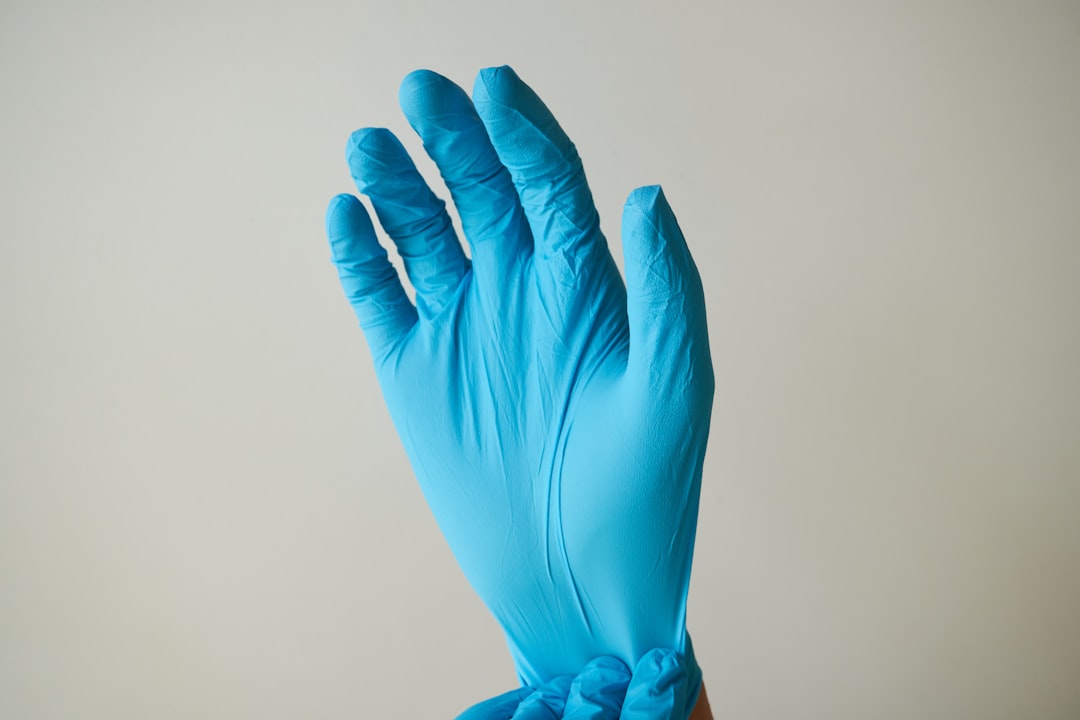
Disposable medical gloves are among the most fundamental pieces of protective equipment in any clinical setting, home health routine, or first aid kit. Whether a nurse is drawing blood, a caregiver is assisting with wound dressing changes, or a home user is managing post-surgical care, the glove standing between the hand and potential contamination matters — and the clinical differences between material types, thickness ratings, and cuff lengths are more meaningful than they first appear. In 2026, we reviewed eight of the best-selling and most clinically relevant disposable gloves available on Amazon, covering nitrile, latex, vinyl, latex-free, and black exam options across a range of price points, thicknesses, and cuff lengths.
Our evaluations draw on Amazon review data, FDA clearance records, published clinical guidance on glove material selection, and the clinical perspective of Dr. David Taylor, who has navigated glove selection for both clinical environments and patient home care recommendations throughout his career. We prioritized exam-grade certifications, barrier integrity, fit consistency, and honest assessment of where each glove type belongs in the use-case hierarchy — including where a glove is clearly the wrong tool for a clinical job.
After researching over a dozen models and analyzing thousands of verified Amazon ratings, here are our top picks across material types, price points, and clinical applications. The comparison table below shows each product side-by-side by key specs.
Find the Best Medical Gloves for Your Situation
Already know your use case? Jump straight to a focused two- or three-product comparison:
- Latex-free / non-latex — nitrile and vinyl for allergy safety
- Nitrile by thickness — the clinical standard, 3 to 6 mil
- Black gloves — exam-grade and heavy-duty black nitrile
- Heavy-duty / puncture-resistant — 6 mil for sharps and rough work
- Latex — maximum tactile feel when no allergy is present
How We Selected These Medical Gloves
We limited this review to products with meaningful Amazon review history — with the exception of the Dynarex runner-up, included for its touchscreen-compatible designation that serves a specific clinical workflow need. For each product we verified FDA exam-grade clearance where claimed, cross-referenced stated thickness and cuff length against user-reported measurements, and assessed the clinical relevance of differentiated features such as accelerator-free formulation and extended cuff length. Products were selected to cover the full spectrum of use cases: daily exam use, home caregiving, high-risk clinical tasks, latex sensitivity accommodation, black exam work, and heavy-duty non-clinical applications.
Best Medical Gloves Overall
These are the eight gloves we recommend, reviewed in full below — seven material-and-use-case picks plus a heavy-duty industrial option. Each is the best answer for a specific need, from an everyday nitrile box for routine clinical contact to hospital-grade purple nitrile for sharps-adjacent work. If you already know your situation, use the use-case sections further down to jump to a focused comparison.
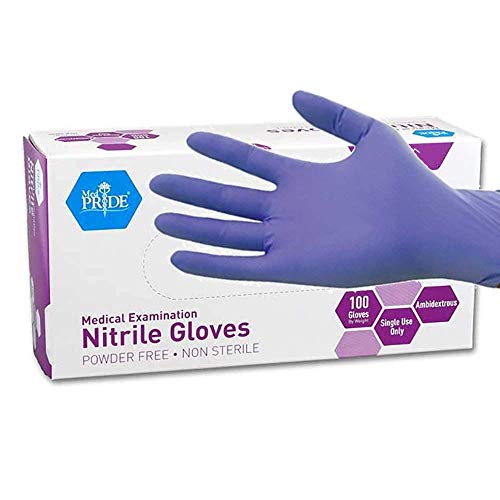
1. MedPride Powder-Free Nitrile Exam Gloves, 100 Count — Best Overall
The MedPride Powder-Free Nitrile earns the best overall designation through a quantitative track record that is hard to argue with — over 103,000 verified Amazon ratings at a 4.7-star average. For a commodity product where the meaningful differences between brands are narrow, a review base this large is the single most reliable signal of consistent manufacturing quality, durable barrier integrity, and absence of systemic defects. Smaller brands cannot match the breadth of real-world feedback this product has accumulated across home caregivers, clinical support staff, lab techs, and small medical practices.
MedPride itself has supplied US clinical procurement channels for years, and its products carry FDA exam-grade clearance — meaning they have passed barrier integrity testing for direct patient contact, not just food-service or general-purpose use. The 4 mil thickness sits in the appropriate range for the full spectrum of routine clinical and home health tasks: dressing changes, IV site care, wound assessment, ostomy care, and the standard clinical contact tasks that account for the vast majority of glove use. The powder-free, latex-free formulation also makes this an appropriate first-line choice when patient or staff allergy status is unknown, since it eliminates both FDA-banned cornstarch and Type I latex protein risk.
The trade-offs are honest. The standard 9-inch cuff offers no extended forearm protection for high-splash work, and the 4-mil thickness is not the right choice for tasks involving sharps, chemotherapy agents, or concentrated chemicals — the Halyard upgrade pick exists for that. For everything else, this is the rational default in 2026.
MedPride Powder-Free Nitrile Exam Gloves, 100 Count
by MED PRIDE
Best overall nitrile exam glove — 103,000+ verified reviews, clinical-grade pedigree, and sub-$10 per-box pricing.
Pros
- The most-reviewed nitrile glove on Amazon with over 103,000 ratings — an unmatched validation base for a commodity product
- Powder-free, latex-free formulation eliminates both FDA-banned cornstarch and Type I latex allergy risk in one product
- MedPride is an established clinical-grade supplier with consistent batch quality across documented procurement runs
- Aggressive per-box pricing under $10 makes per-glove cost competitive with budget brands while retaining clinical pedigree
Cons
- Standard 9-inch cuff length — no extended forearm coverage for high-splash procedures
- Mil thickness is at the lower end of the exam-grade range; high-puncture-risk tasks call for the upgrade pick
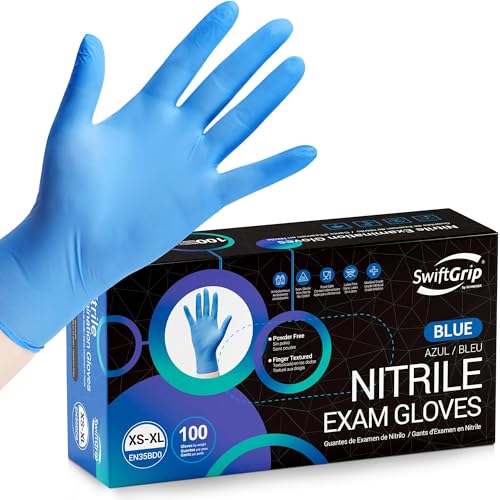
2. SwiftGrip Disposable Nitrile Exam Gloves, Blue, 100 Count — Budget Pick
The SwiftGrip blue nitrile glove is a newer-generation product that has earned more than 5,300 Amazon reviews at a 4.7-star average since its introduction — strong validation for a brand that does not have decades of clinical supply history behind it. It holds FDA exam-grade clearance, which is the meaningful distinction here: many low-cost nitrile gloves on Amazon are food-service or general-purpose grade and lack barrier-integrity testing for patient contact. SwiftGrip is cleared for medical examination use, which makes it an appropriate choice for direct patient care at a price competitive with non-medical alternatives.
The 3-mil thickness is the practical trade-off. For routine exam tasks, light wound care, assisted feeding, hygiene assistance, and the high-turnover light-duty work that home caregivers perform many times per day, 3 mil provides a reliable barrier with good dexterity. For tasks involving sharp instruments, blood-draw work, or cytotoxic agent handling, the MedPride 4 mil or the Halyard 6 mil are the appropriate upgrades. The high-visibility blue color is a small but practical feature: it makes glove tears and fluid contamination immediately obvious, particularly against pale skin or white surfaces.
For buyers whose use cases stay within routine exam and home care, SwiftGrip delivers exam-grade protection at one of the lowest per-glove costs in the category. Pair these with a good diagnostic set for home assessment workflows where cost-per-encounter matters.
SwiftGrip Disposable Nitrile Exam Gloves, Blue, 100 Count
by SwiftGrip
Best budget nitrile glove — exam-grade clearance and 5,300+ reviews at one of the lowest per-glove costs in the category.
Pros
- 4.7-star rating across more than 5,300 reviews — strong validation for a newer-generation glove brand
- Cleared as medical exam grade — appropriate for direct patient care, not just food service or general purpose
- High-visibility blue color helps with rapid identification of glove tears or fluid contamination during use
- Consistent sub-$10 pricing keeps per-glove cost low for high-volume home health and light clinical use
Cons
- 3-mil thickness sits at the thinner end of the exam-grade range — adequate for routine tasks but not for sharps work
- Newer market entrant compared with MedPride or Halyard — shorter institutional supply track record
- Standard 9-inch cuff with no extended forearm coverage
3. Halyard Health Purple Nitrile Exam Gloves, 2-Pack (200 Count) — Upgrade Pick
The Halyard Health Purple Nitrile occupies a specific clinical niche: it is the institutional-supply nitrile glove that US hospitals have used for years, made by the former Kimberly-Clark Health Care division that spun off as Halyard Health in 2014. The Purple Nitrile line is built to a different specification than commodity exam gloves — it carries 6-mil thickness for meaningful puncture resistance, beaded cuff design that resists roll-down during extended wear, and chemotherapy-drug permeation testing that is genuinely relevant for clinical staff who handle cytotoxic agents.
The institutional pedigree matters because nitrile gloves are not all manufactured to the same standard. Halyard’s Purple Nitrile passes through hospital procurement review processes that mid-tier brands cannot match, and batch-to-batch consistency is verifiable in a way that is harder to confirm with commodity nitrile. For home users managing a family member with cancer treatment, for caregivers handling concentrated cleaning chemicals between patient tasks, or for small clinical practices that need a higher-spec glove for sharps-adjacent work, the upgrade is clinically justified. The 2-pack format (200 gloves total) also brings the per-glove cost in line with mid-tier brands rather than the eye-watering case-pricing that single 50-count institutional boxes used to carry.
At roughly double the per-glove cost of the MedPride budget pick, this is not the right choice for routine daily tasks. For high-risk procedures and extended-wear clinical use, it is the right tool. Stock fluctuates as Amazon listings reflect overflow from medical distributors, so order when available.

Halyard Health Purple Nitrile Exam Gloves, 2-Pack (200 Count)
by HALYARD
Hospital-grade upgrade — Halyard's Purple Nitrile is the institutional-supply standard, now in a 2-pack format for non-institutional buyers.
Pros
- Halyard Health is the rebranded former Kimberly-Clark Health Care division — the same purple nitrile spec used by US hospital systems
- Beaded cuff design resists roll-down during extended wear and provides a more secure grip when donning over wet hands
- Institutional-grade thickness and chemotherapy-drug permeation testing distinguish the Purple Nitrile line from commodity alternatives
- 2-pack of 100-count boxes (200 gloves total) brings the per-glove cost in line with mid-tier brands while preserving the clinical pedigree
Cons
- Premium pricing — per-glove cost is roughly double the MedPride budget pick
- Lower Amazon review count than market leaders since the institutional channel is the brand's primary distribution path
- Periodic stock fluctuations as Amazon listings often reflect overflow from medical distributors
4. MedPride Powder-Free Latex Exam Gloves, 100 Count
Latex gloves represent a genuine clinical trade-off: higher tactile sensitivity and elasticity in exchange for allergy risk. The MedPride Latex Exam Gloves are the representative choice in this category, and they deliver on the core properties that make latex the material of choice for some clinicians — particularly those performing detailed physical examination, suturing, or any procedure where the fingertip needs to communicate texture and resistance back to the clinician’s hand.
The 5 mil thickness provides a robust barrier while maintaining the elastic conforming fit that latex is known for. MedPride’s established position in clinical supply chains supports confidence in manufacturing consistency. However, the allergy consideration is non-negotiable: latex proteins can cause Type I immediate hypersensitivity reactions in sensitized individuals, ranging from contact dermatitis to anaphylaxis in severe cases. Before using latex gloves in any setting where patient allergy status is unknown, verify whether the patient or any staff member has a documented latex allergy. In facilities where this cannot be guaranteed, nitrile is the safer default.
For home users managing their own wound care or home health tasks with no latex sensitivities present, latex gloves offer a sensory experience that nitrile cannot fully replicate. This is particularly relevant when using otoscopes or similar diagnostic instruments where fingertip sensitivity assists in positioning and patient comfort.

MedPride Powder-Free Latex Exam Gloves, Medium, 100 Count
by MED PRIDE
Best latex exam glove — superior tactile sensitivity and elasticity for hands-on clinical assessment.
Pros
- Natural latex delivers superior elasticity and a conforming fit that synthetic materials cannot replicate
- Highest tactile sensitivity of any glove type — preferred by clinicians performing detailed palpation
- 5 mil thickness provides a robust barrier while preserving the elastic stretch latex is known for
- MedPride is an established clinical-grade supplier with consistent manufacturing quality records
Cons
- Latex protein content poses an allergy risk — contraindicated for users or patients with known latex sensitivity
- Not suitable for use with oil-based products; latex degrades on contact with petroleum-based substances
- Increasingly displaced in clinical settings by nitrile as institutional latex allergy policies have tightened
5. AMMEX Clear Vinyl Disposable Exam Gloves, 4 Mil, 100 Count
Vinyl gloves exist for a specific purpose: high-volume, low-risk tasks where per-glove cost is the primary constraint. The AMMEX Clear Vinyl is the well-validated choice in this category — AMMEX has been a major US medical glove distributor for decades, and its FDA exam-grade vinyl products maintain consistent quality through established manufacturing relationships. The 4 mil PVC construction is appropriate for tasks like non-invasive patient contact, assisted feeding, general hygiene tasks, and light sanitation work.
The 4 mil thickness and PVC construction provide a basic barrier but should not be relied on for tasks involving sharp instruments, body fluids in high-risk exposures, or chemical exposure beyond basic household cleaners. Vinyl does not stretch or conform to the hand the way nitrile or latex does, and glove movement during tasks reduces tactile feedback. For clinical use involving any meaningful risk of contamination, nitrile is the appropriate upgrade. For caregivers who change gloves frequently during light tasks — repositioning a patient, assisting with meals, general hygiene — the lower cost of vinyl makes practical sense when maintaining a two-glove-type inventory.
The exam-grade designation confirms FDA clearance for medical examination, which distinguishes these from food-service vinyl that lacks the barrier integrity testing required for patient care.

AMMEX Clear Vinyl Disposable Exam Gloves, 4 Mil, 100 Count
by AMMEX
Best vinyl option — lowest cost per glove for light-duty, high-turnover tasks where nitrile is over-spec.
Pros
- Lowest per-glove cost in this review — ideal for high-volume, lower-risk tasks where nitrile is not required
- Latex-free and powder-free formulation safe for users with latex or powder sensitivities
- AMMEX is a major US medical glove distributor with a consistent track record in clinical supply chains
- Looser fit reduces hand fatigue during extended light-duty use such as assisted feeding or repositioning
Cons
- Vinyl provides significantly less elasticity and dexterity than nitrile or latex — gloves shift during tasks
- Lower puncture and chemical resistance — not appropriate for invasive clinical procedures or sharp instrument use
- Fit is less conforming; glove movement can reduce tactile feedback on fine assessment tasks
6. Venom Steel Industrial Nitrile Gloves, 6 mil, 50 Count
The Venom Steel gloves are the deliberate outlier in this review: they are not exam-grade and are explicitly not intended for clinical patient care. They belong here because many home users and non-clinical caregivers search for “heavy duty medical gloves” and encounter this product — and it is important to understand where it fits appropriately and where it does not.
The dual-layer 6 mil construction and rip-stop design are genuine engineering advances for the tasks these gloves are designed for: auto repair, yard work, construction cleanup, handling broken glass, or working with concentrated cleaning chemicals between patient care tasks. The black color is a practical feature in non-clinical settings where tracking and discarding used gloves needs to be immediate and obvious. For the home caregiver who maintains a vehicle or works with harsh cleaning agents in addition to providing patient care, having a box of these alongside exam-grade gloves for the different use cases is a sensible inventory strategy.
The key constraint bears repeating: these gloves do not carry FDA exam-grade clearance. They should not be used for wound care, IV access, patient assessment, or any procedure with bodily fluid exposure. The right tool for clinical tasks remains an FDA-cleared exam-grade nitrile or latex glove.

Venom Steel Industrial Nitrile Gloves, 6 mil, 50 Count
by Venom Steel
Best heavy-duty option — 6 mil dual-layer nitrile for non-clinical high-risk tasks where exam grade is not required.
Pros
- Dual-layer 6 mil construction — the most puncture-resistant glove in this review for non-clinical heavy tasks
- Rip-stop design with interlocking layers prevents catastrophic barrier failure during demanding work
- Diamond-texture grip pattern optimized for wet, oily, and contaminated surfaces
- Black color makes gloves easy to track and discard in non-clinical workshop and field settings
Cons
- Industrial-grade rating only — not FDA exam-cleared and not appropriate for sterile medical examination use
- 6 mil dual-layer thickness significantly reduces tactile sensitivity; unsuitable for fine clinical assessment
- 50-count box at a per-glove cost higher than most exam-grade nitrile alternatives
7. Dynarex Safe-Touch Nitrile Exam Gloves, Touchscreen Compatible — Runner-Up
The Dynarex Safe-Touch earns its runner-up position through a practical differentiation that matters in modern clinical workflows: touchscreen-compatible fingertips. For home health aides, hospice workers, and clinical support staff who regularly document in electronic health records on tablets or smartphones, the ability to interact with a touchscreen without removing gloves is a genuine time-saver and reduces the donning/doffing cycle that contributes to hand fatigue over a long shift.
Dynarex has supplied US hospitals and clinical facilities for decades, and the manufacturing consistency that comes with institutional supply experience is reflected in the review quality. At 4 mil with a micro-textured surface, the glove performs well across a full range of clinical tasks without the aggressive texture that can accelerate wear on repeated contacts. The primary limitation is the review count — less crowdsourced feedback to draw on compared to the MedPride or SwiftGrip options above. For buyers specifically seeking touchscreen compatibility without sacrificing clinical exam-grade protection, the Dynarex Safe-Touch is the right choice at a competitive price point.

Dynarex Safe-Touch Nitrile Exam Gloves, Touchscreen Compatible, 100 Count
by Dynarex
Reliable runner-up from a trusted clinical supplier — touchscreen compatible and well-suited for home health and hospice care.
Pros
- Touchscreen-compatible fingertips allow device use without removing gloves — practical for point-of-care charting
- Micro-textured surface improves grip without the aggressive texture that accelerates glove wear on repeated tasks
- Dynarex has supplied US hospitals and clinical facilities for decades — institutional-grade consistency
- Consistent 4 mil thickness across the full glove surface balances durability and dexterity for clinical work
Cons
- Lower review count than market leaders — less crowdsourced feedback to evaluate batch-to-batch consistency
- Standard 9-inch cuff without extended coverage — not suitable for high-splash clinical procedures
8. Schneider Black Nitrile Exam Gloves, 4 Mil, 100 Count — Best Black Exam Glove
The Schneider Black Nitrile earns the best black glove designation the same way our overall pick does — through a validation base that is hard to argue with. With more than 16,000 Amazon ratings at 4.7 stars and an Amazon’s Choice badge, it is the most-reviewed black exam glove in this review, and critically it carries FDA exam-grade clearance. That distinction matters: most black nitrile gloves sold online are food-service or general-purpose grade, but Schneider is cleared for medical examination, so it is appropriate for direct patient care in addition to the tattoo, esthetics, and food-prep work that black gloves are known for.
At 4 mil with a finger-textured surface, it sits in the same everyday-use range as our MedPride overall pick, with reviewers — including veterinary and hospice workers — repeatedly noting durability that resists tears against sharp edges and even puppy nails. The black color gives a clean, professional look and hides grime, which is why it dominates in aesthetics and EMS settings. The trade-off is inherent to the color: very dark gloves can mask certain fluids that show up clearly against high-contrast blue or purple, so match glove color to the contamination you most need to see.
The main limitations are a standard 9-inch cuff — several reviewers specifically wish Schneider offered an extended-cuff version — and 100-count box sizing without a Subscribe & Save option on the exam size. For anyone who wants exam-grade protection in black, though, this is the clear pick, and it pairs naturally with the nitrile options above for a mixed-color inventory.

Schneider Black Nitrile Exam Gloves, 4 Mil, 100 Count
by Schneider
Best black medical glove — Amazon's Choice exam-grade black nitrile with 16,000+ reviews at a sub-$10 box price.
Pros
- Amazon's Choice black nitrile with 16,000+ ratings at 4.7 stars — the most-validated black exam glove in this review
- Carries FDA exam-grade clearance, not just food-service grade — appropriate for direct patient care as well as tattoo and esthetics work
- 4 mil finger-textured nitrile balances durability and dexterity; reviewers cite it resisting tears against sharp edges and puppy nails alike
- Latex-free and powder-free at one of the lowest per-box prices of any exam-grade black nitrile — clinical quality at commodity pricing
Cons
- Standard 9-inch cuff with no extended-cuff option — several reviewers specifically wish for a longer cuff
- The black color can mask certain fluids that show up clearly against high-contrast blue or purple gloves
- Sold mainly in 100-count boxes with no Subscribe & Save on the exam size at time of review
Best Latex-Free Medical Gloves
Latex-free is the default for anyone accommodating a latex allergy — in the user or the patient. The two synthetic materials that replace it are nitrile (the clinical standard) and vinyl (lightest-duty and lowest-cost). All three picks below are FDA exam-grade and completely latex-free, so the decision comes down to how much durability and chemical resistance the task demands.
| Product | Price | Buy |
|---|---|---|
| MedPride Powder-Free Nitrile Exam Gloves, 100 CountBest overall (nitrile) The most-reviewed nitrile glove on Amazon — powder-free, latex-free, and the sensible default for anyone avoiding latex. | $9.99 | View on Amazon |
| SwiftGrip Disposable Nitrile Exam Gloves, Blue, 100 CountBest budget (nitrile) Exam-grade blue nitrile at one of the lowest per-glove costs, with a high-visibility color that makes tears easy to spot. | $8.99 | View on Amazon |
| AMMEX Clear Vinyl Disposable Exam Gloves, 4 Mil, 100 CountLightest-duty (vinyl) Latex-free PVC vinyl for light-duty, high-turnover tasks where nitrile is over-spec and cost matters most. | $13.49 | View on Amazon |
Best Nitrile Medical Gloves
Nitrile is the material most clinicians reach for: strong chemical and puncture resistance, a reliable fit, and no latex-allergy risk. Because all exam-grade nitrile shares those core properties, the real decision is thickness — thinner for dexterity on routine tasks, thicker for sharps-adjacent and chemo-adjacent work.
| Product | Price | Buy |
|---|---|---|
| SwiftGrip Disposable Nitrile Exam Gloves, Blue, 100 CountThinnest — best dexterity (3 mil) 3 mil for the best tactile feel on routine exam and home-care tasks at a budget price. | $8.99 | View on Amazon |
| MedPride Powder-Free Nitrile Exam Gloves, 100 CountBest all-round (4 mil) 4 mil — the all-round clinical default, backed by the largest review base of any nitrile glove here. | $9.99 | View on Amazon |
| Halyard Health Purple Nitrile Exam Gloves, 2-Pack (200 Count)Thickest — most protective (6 mil) 6 mil hospital-grade purple nitrile with a beaded cuff and chemo-permeation testing for sharps-adjacent work. | $48.32 | View on Amazon |
Best Black Medical Gloves
Black nitrile is popular in tattoo studios, esthetics, food service, and EMS for its clean look and ability to hide grime — but “black medical gloves” spans both exam-grade and industrial products. Match the grade to your task: exam-grade for anything involving patient contact, industrial for tough non-clinical work.
| Product | Price | Buy |
|---|---|---|
| Schneider Black Nitrile Exam Gloves, 4 Mil, 100 CountBest black exam glove Amazon's Choice exam-grade black nitrile — 16,000+ reviews, appropriate for clinical patient care as well as tattoo and esthetics. | $9.99 | View on Amazon |
| Venom Steel Industrial Nitrile Gloves, 6 mil, 50 CountToughest black (industrial) 6 mil dual-layer industrial black nitrile — maximum tear and puncture resistance for non-clinical heavy work (not exam-grade). | $100.64 | View on Amazon |
Best Heavy-Duty Medical Gloves
For sharps-adjacent clinical tasks, chemotherapy handling, or rough non-clinical work, step up to a 6 mil glove. The key fork is grade: an exam-grade heavy-duty glove for anything involving patient contact, or an industrial heavy-duty glove for auto, cleanup, and chemical jobs where FDA exam clearance is not required.
| Product | Price | Buy |
|---|---|---|
| Halyard Health Purple Nitrile Exam Gloves, 2-Pack (200 Count)Best clinical heavy-duty (exam-grade) Exam-grade 6 mil purple nitrile — the clinical choice when you need extra puncture resistance without leaving medical grade. | $48.32 | View on Amazon |
| Venom Steel Industrial Nitrile Gloves, 6 mil, 50 CountBest industrial heavy-duty 6 mil dual-layer rip-stop nitrile — the toughest option here for auto, cleanup, and chemical tasks (industrial, not exam-grade). | $100.64 | View on Amazon |
Best Latex Medical Gloves
Natural latex still offers the best tactile sensitivity and elasticity of any glove material, which is why some clinicians prefer it for detailed palpation and suturing. The one hard rule: never use it where the user or patient has a latex allergy.
| Product | Price | Buy |
|---|---|---|
| MedPride Powder-Free Latex Exam Gloves, Medium, 100 CountBest latex exam glove Natural-latex exam glove with the highest tactile sensitivity in this review — choose it only when no latex allergy is present in the user or patient. | $14.99 | View on Amazon |
How to Choose the Best Medical Gloves
The buyer’s guide covers the seven most important variables in detail. One additional consideration for home health users is glove inventory strategy. Maintaining two types of gloves — an exam-grade nitrile for clinical tasks and a vinyl or heavy-duty option for household and cleaning tasks — avoids depleting your clinical supply on non-clinical use and ensures you always have appropriate gloves available when patient care demands them.
For clinical facilities, glove selection should also account for staff feedback on dermatitis and hand irritation. Hand eczema and contact dermatitis from glove use are significant occupational health issues in healthcare — the American Academy of Dermatology estimates prevalence rates of 20 to 35% among healthcare workers over a career. If staff report persistent hand irritation with current gloves, trialing an alternative nitrile formulation — including accelerator-free options where available — before attributing the problem to “nitrile allergy” is clinically appropriate, as true nitrile allergy is rare while accelerator hypersensitivity is common and often correctable by switching formulations.
Finally, powder-free is not optional — it is the regulatory and clinical standard. Any glove sold for medical examination use in the US must be powder-free under current FDA rules. If you encounter a powdered option in a medical glove search, it is not appropriate for clinical use regardless of its other specifications.
Buyer's Guide
The right medical glove depends on the material, thickness, cuff length, and exam-grade status required for your specific clinical or home health tasks.
Glove Material
Nitrile is the dominant clinical material for a reason: it provides strong chemical and puncture resistance, a reliable fit, and eliminates latex allergy risk. Latex remains preferred by some clinicians for its unmatched tactile sensitivity and elasticity but is increasingly avoided in settings where patient latex allergies must be accommodated. Vinyl is appropriate for light-duty, non-clinical tasks where cost is the primary constraint. For any application involving direct patient care or bodily fluid exposure, nitrile or latex is the appropriate choice.
Exam Grade vs. Industrial Grade
Exam-grade gloves have cleared FDA requirements for barrier integrity in medical examination settings. Industrial-grade gloves are built to different standards and are not appropriate for clinical patient contact. If your use case involves wound care, IV access, patient assessment, or any procedure with potential bodily fluid exposure, confirm the gloves carry FDA exam-grade clearance. This is typically stated prominently on the box.
Thickness (Mil Rating)
For routine exam and home health tasks, 3.5 to 4 mil provides a reliable barrier with good dexterity. For higher-risk tasks — working with sharp instruments, administering chemotherapy agents, or handling caustic cleaners — move up to 5 to 6 mil. Thickness trades directly against tactile sensitivity, so avoid over-specifying for tasks where feel matters. Clinical staff who change gloves dozens of times per day typically prefer thinner gloves to reduce hand fatigue.
Cuff Length
Standard gloves have a 9-inch cuff that covers the wrist. Extended cuffs (9.5 to 12 inches) provide additional forearm protection for procedures involving splashing, wound irrigation, or deep cavity work. For routine patient assessment and home care tasks, a 9-inch cuff is sufficient. For surgical prep, autopsy, or high-splash procedures, the longer cuff is a meaningful safety upgrade. Home caregivers assisting with wound care may find the additional coverage worth the modest price premium.
Powder-Free vs. Powdered
Powder (cornstarch) was historically added to gloves to ease donning, but the FDA banned powdered surgeon's gloves in 2016 and powdered patient examination gloves shortly after, citing risks including wound inflammation and latex protein aerosolization. All exam-grade gloves sold in the US for medical use today should be powder-free. Confirm this before purchasing — powdered gloves may still appear in non-medical listings.
Color and Visibility
Glove color is primarily a visibility and identification aid, not a quality indicator. Blue and purple — the traditional clinical colors — make tears and fluid contamination easy to see against skin, which is why they dominate hospital supply. Black nitrile has become popular in tattoo, esthetics, food service, and EMS settings for its professional look and ability to hide grime, though very dark gloves can mask some fluids. There is no universal color-to-spec standard, so treat color as a workflow preference: pick the shade that lets you spot contamination fastest for your task, and use color only as an informal way to separate sizes or materials in a mixed inventory.
Quantity and Cost Per Glove
Most disposable gloves are sold in boxes of 50 or 100, and some professional users purchase cases of 10 boxes for better per-glove economics. Calculate the cost per glove when comparing options — a 100-count box at a higher price may still be cheaper per glove than a 50-count box at a lower sticker price. For home use, 100-count boxes are the practical standard. Clinical facilities should compare case pricing and consider vendor reliability alongside unit economics.
Final Verdict
For most home health users, caregivers, and clinical support staff, the MedPride Powder-Free Nitrile Exam Gloves represent the best overall choice in 2026. The combination of FDA exam-grade clearance, 4 mil thickness, powder-free and latex-free formulation, and the largest validated review base of any nitrile glove on Amazon — over 103,000 ratings at 4.7 stars — places it ahead of the competition for any setting where barrier integrity and consistent quality matter. For buyers managing tighter supply budgets who use gloves at high volume for routine tasks, the SwiftGrip Disposable Nitrile Exam Gloves deliver FDA-cleared exam-grade protection at a competitive per-glove cost backed by 5,300+ reviews.
For specialized needs — institutional-grade puncture resistance for sharps-adjacent or chemotherapy-adjacent work, the tactile sensitivity of natural latex, touchscreen compatibility for charting workflows, exam-grade protection in black for tattoo and esthetics, or heavy-duty protection for non-clinical tasks — the Halyard Purple Nitrile, MedPride Latex, Dynarex Safe-Touch, Schneider Black Nitrile, and Venom Steel each serve their specific context well. The best first aid kit is only as good as the protective gear you pair it with — and having the right glove for the right task is the foundation of safe home health practice. As always, consult your physician or occupational health provider for personalized recommendations, particularly if you have a known sensitivity to glove materials or if your clinical role involves exposure to cytotoxic agents or bloodborne pathogens requiring specific PPE protocols.
Frequently Asked Questions
What is the difference between nitrile, latex, and vinyl gloves?
What does 'exam grade' mean on medical gloves?
What glove size should I buy?
Do medical gloves come in XXL or extra-small sizes?
Are these gloves sterile, or do I need sterile surgical gloves?
Do medical glove colors mean anything?
How many mil thickness do I need for medical gloves?
Are powdered medical gloves still sold in the US?
Related Articles
About the Reviewer

Dr. David Taylor, MD, PhD
Drexel University College of Medicine (MD), Indiana University School of Medicine (PhD)
Dr. David Taylor is a licensed physician and medical researcher who founded BestRatedDocs in 2016. With an MD from Drexel University and a PhD from Indiana University School of Medicine, he combines clinical expertise with a passion for health technology to provide evidence-based product recommendations. Dr. Taylor specializes in health informatics and regularly evaluates medical devices, diagnostic equipment, and therapeutic products to help healthcare professionals and patients make informed decisions.