7 Best OTC Hearing Aids of 2026
Dr. David Taylor reviews the best over-the-counter hearing aids on Amazon — top OTC devices for mild to moderate hearing loss, compared by sound quality, fit, and value.
Updated
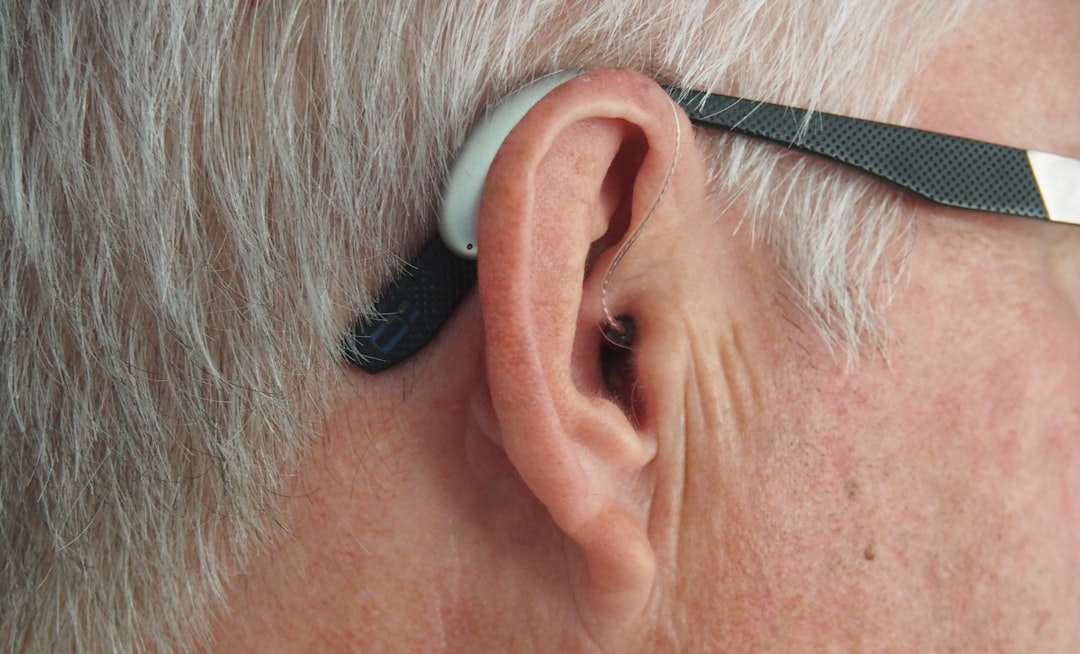
Over 30 million American adults have clinically significant hearing loss, yet fewer than one in three who could benefit from hearing aids actually uses them. The barrier has historically been cost and access: prescription hearing aids require an audiologist appointment, a custom fitting, and an average purchase price of $4,000 to $7,000 per pair. That changed in 2022 when the FDA formally established an over-the-counter hearing aid category for adults with mild to moderate hearing loss — eliminating the prescription requirement and opening the market to consumer electronics brands. In 2026, the OTC hearing aid market has matured dramatically. The best devices now combine genuine multi-frequency self-fitting, Bluetooth audio streaming, AI-powered noise reduction, and bundled audiology services in a single purchase — capabilities that would have required an audiologist visit just a few years ago.
At BestRatedDocs.com, Dr. David Taylor and our editorial team reviewed seven of the top-rated OTC hearing aids currently available on Amazon, evaluating each on clinical performance indicators, sound processing capability, fitting flexibility, Bluetooth connectivity, battery life, form factor, water resistance, and real-world user outcomes. If you’re navigating which stethoscope or diagnostic device to pair with your health monitoring setup, the same evidence-based approach applies here. Our goal is to match you with the right device for your specific hearing loss profile — not simply to recommend the most expensive option on the shelf.
| Product | Price | Buy |
|---|---|---|
| Sony CRE-E10 Self-Fitting OTC Hearing AidsBest Overall | $999.99 | View on Amazon |
| ELEHEAR Beyond OTC Hearing Aids with AI Speech EnhancementBudget Pick | $399.00 | View on Amazon |
| Jabra Enhance Select 500 Clinic-Quality OTC Hearing AidsPremium Pick | $1,995.00 | View on Amazon |
| Jabra Enhance Select 50R Clinic-Quality OTC Hearing AidsRunner-Up | $1,195.00 | View on Amazon |
| Sony CRE-C20 Self-Fitting OTC Hearing Aids | $999.99 | View on Amazon |
| Eargo 8 Virtually Invisible OTC Hearing Aids | $2,699.00 | View on Amazon |
| Audien Atom Pro 2 Wireless Rechargeable OTC Hearing Aids | $289.00 | View on Amazon |
How We Selected These Hearing Aids
Our selection criteria prioritized clinical transparency and real-world validation. We required that every device be either FDA-cleared as an OTC hearing aid or FDA-registered as a medical device — excluding the amplifier-only products that crowd Amazon search results. We cross-referenced HearAdvisor’s independent lab testing data (the most comprehensive standardized OTC hearing aid benchmark available), which evaluates speech clarity in quiet, speech clarity in noise, and feedback management. We also required representation across form factors — RIC, ITE, and CIC styles — and across price tiers from under $300 to nearly $3,000, ensuring this guide is useful regardless of budget. Disposable battery devices were excluded; the rechargeable segment now represents the clear market direction for OTC devices.
1. Sony CRE-E10 — Best Overall
The Sony CRE-E10 earns our best overall designation based on the most objective standard available: HearAdvisor’s independent laboratory testing, which ranks it first among 56 OTC hearing aids evaluated — the only device in the field to earn a full A grade. That lab performance translates to real-world outcomes. The CRE-E10’s self-fitting process is genuinely more rigorous than most OTC competitors: the Sony Hearing Control app guides users through a multi-frequency audiometric screen, measuring hearing thresholds at multiple pitches and automatically shaping the amplification profile to compensate for the specific pattern of each user’s hearing loss. This is meaningfully different from the preset profiles offered by simpler devices, and it produces a fit that reflects individual hearing rather than population averages.
The earbud-style in-the-ear form factor makes the CRE-E10 familiar and comfortable for most users, with dual microphones per ear enabling directional adjustments through the app. Bluetooth streaming routes audio directly from iPhone to both hearing aids simultaneously — calls, podcasts, music, and media all delivered without earbuds. The 26-hour rechargeable battery covers two full days of typical use between charges. The primary limitation is Bluetooth scope: streaming is iOS-only, so Android users access the self-fitting and adjustment features through the app but cannot stream audio. For any adult with mild to moderate hearing loss who uses an iPhone, the CRE-E10 is the most comprehensively validated choice in the OTC category.

Sony CRE-E10 Self-Fitting OTC Hearing Aids
by Sony
Best overall OTC hearing aid — Sony CRE-E10's top HearAdvisor score and self-fitting accuracy set the 2026 standard.
Pros
- Ranked #1 overall by HearAdvisor lab testing across 56 OTC devices — A-grade speech clarity in quiet and noise
- Self-fitting app performs a genuine audiometric screen across multiple frequencies, producing a personalized amplification profile
- Bluetooth audio streaming from iPhone pairs calls and media directly through the hearing aids — no separate earbuds needed
- 26-hour battery life from a rechargeable design with dual microphones per ear for directional hearing adjustment
Cons
- Bluetooth streaming is iOS-only — Android users cannot stream audio, only use the app for fitting
- No physical controls on the device; all adjustments require the Sony Hearing Control app
2. ELEHEAR Beyond — Budget Pick
At a price point that undercuts every major brand in this roundup, the ELEHEAR Beyond delivers capabilities that would have been impossible at this tier two years ago. The VocClear AI speech enhancement engine — ELEHEAR’s proprietary signal processing technology — performed 1.68 points above the OTC category average in HearAdvisor’s quiet speech intelligibility testing, a result that competes with devices at two to three times the price. For users whose hearing loss is primarily conversational — difficulty following speech in quiet settings — the Beyond’s core performance is genuinely impressive.
Bluetooth connectivity works across both iOS and Android, streaming phone calls through both hearing aids simultaneously. The built-in tinnitus masking feature is unusual at this price tier: most OTC devices require a premium upgrade for tinnitus relief options, but ELEHEAR includes adjustable masking sounds (white noise, pink noise, nature sounds) in the app. The RIC form factor accommodates a wide range of ear canal shapes and is easier to handle than CIC designs. The IPX5 water resistance rating is the principal hardware limitation — adequate for daily sweat and rain, but not the IP68 submersion rating of the Sony or Jabra models. For buyers focused on maximizing value without sacrificing meaningful OTC functionality, the ELEHEAR Beyond is the clearest recommendation in this guide. For comparison, our diagnostic device reviews apply the same value-per-dollar framework across clinical tools.

ELEHEAR Beyond OTC Hearing Aids with AI Speech Enhancement
by ELEHEAR
Best budget OTC pick — ELEHEAR Beyond delivers AI speech processing and Bluetooth at a price no major brand can match.
Pros
- AI-powered VocClear speech enhancement scored 1.68 points above OTC category average in quiet speech intelligibility testing
- Bluetooth streaming to both iOS and Android — phone calls route through both hearing aids simultaneously
- Built-in tinnitus masking with adjustable white noise, pink noise, and nature sound options in the companion app
- 20-hour rechargeable battery with 90-minute fast charge; RIC form factor fits a wide range of ear canal shapes
Cons
- IPX5 water resistance is adequate for everyday use but not submersion-rated like premium IP68 competitors
- Smaller brand recognition than Sony or Jabra means less community validation and fewer published long-term reviews
3. Jabra Enhance Select 500 — Upgrade Pick
The Jabra Enhance Select 500 represents the most compelling argument that the OTC hearing aid category can genuinely close the gap with prescription-level care without requiring an in-person clinic visit. The technical specifications are strong — Bluetooth LE Audio with Auracast support for next-generation wireless connectivity, IP68 water resistance, and SoundScape binaural directionality that coordinates processing between both hearing aids to separate speech from background noise. But the defining feature is what comes with the hardware: a US-based team of licensed audiologists who provide initial clinical programming, unlimited remote adjustments over three years, and ongoing monitoring of how the device is being used and how well it is performing.
This service model bridges the most significant performance gap between OTC and prescription devices: professional fitting expertise. The audiologists can review your real-world usage data and make remote adjustments to your specific amplification profile — a capability that basic self-fitting apps cannot replicate. The 3-year warranty with loss and damage protection adds financial security that matters for a high-value purchase. The pricing reflects all of this: at the upper end of the OTC tier, the Select 500 competes in price with entry-level prescription devices but includes substantially more transparent service terms and a 100-day return window. For the buyer who wants the best OTC performance with professional support, the Select 500 is the appropriate recommendation.

Jabra Enhance Select 500 Clinic-Quality OTC Hearing Aids
by Jabra Enhance
Best upgrade OTC hearing aid — Jabra's bundled audiology services and LE Audio bring clinic-quality care to the OTC category.
Pros
- Bluetooth LE Audio with Auracast support provides the most future-proof wireless connectivity in this roundup
- Licensed audiology team provides clinical programming and unlimited remote fine-tuning for 3 years post-purchase
- SoundScape technology with binaural directionality suppresses noise behind the listener while preserving forward speech
- 3-year warranty with loss and damage protection is the most comprehensive coverage available in the OTC category
Cons
- Premium pricing approaches entry-level prescription device cost — a significant investment for mild hearing loss
- Clinical audiology services are bundled into price but require scheduling and app engagement, which may not suit all users
4. Jabra Enhance Select 50R — Runner-Up
The Jabra Enhance Select 50R brings the core Jabra Enhance platform — Bluetooth streaming, the Jabra Enhance app, SoundScene Detection auto-environment processing, and three years of included remote audiology care — at a price roughly $800 below the Select 500. For buyers who want Jabra’s clinical infrastructure and audio engineering heritage without the most premium tier’s price, the Select 50R is the appropriate choice. Its 30-hour battery life is the longest of any Jabra OTC model and among the highest in this roundup, which matters for users who wear hearing aids from early morning through evening without predictable charging opportunities.
HearAdvisor lab testing confirms above-average speech-in-quiet performance, and the Bluetooth implementation handles hands-free calling on both iOS and Android simultaneously. The principal hardware tradeoff versus the Select 500 is the charging system: the 50R uses a standard desktop charger without a portable case, meaning on-the-go charging is not available. For users with reliable access to power at home and at work, this is rarely a practical limitation. The RIC form factor is comfortable and well-regarded for all-day wear. At the mid-premium tier of the OTC market, the Select 50R’s combination of Jabra audio quality, remote professional care, and 30-hour battery makes it a strong value relative to its peers.

Jabra Enhance Select 50R Clinic-Quality OTC Hearing Aids
by Jabra Enhance
Strong runner-up — Jabra Select 50R's 30-hour battery and remote audiology care justify the mid-premium price tier.
Pros
- 30-hour battery life is the longest of any Jabra OTC model and among the highest in this entire roundup
- Jabra's proven audio engineering delivers above-average speech-in-quiet performance confirmed in HearAdvisor lab testing
- Bluetooth streaming from iOS and Android phones with hands-free calling routes audio directly through both hearing aids
- 3 years of included remote audiology care with unlimited adjustments from licensed US-based hearing professionals
Cons
- Standard desktop charger is not portable — no charging case for on-the-go top-ups unlike the Select 500
- RIC wire connecting the behind-ear unit to the canal receiver requires occasional cleaning and careful handling
5. Sony CRE-C20 — Best Invisible Non-Bluetooth Option
The Sony CRE-C20 occupies a specific and valuable niche in the OTC market: it is the best-performing completely-in-canal device that does not require Bluetooth streaming and offers genuine self-fitting accuracy. The CRE-C20 sits entirely within the ear canal, with virtually nothing visible from the outside at conversational distances. For users who made peace with hearing loss partly to avoid the visible stigma of hearing aids, the CRE-C20’s invisibility is a genuine quality-of-life differentiator. Sony developed the CRE-C20 in partnership with WS Audiology — one of the world’s largest hearing aid manufacturers — and the self-fitting app reflects that clinical expertise: a genuine multi-frequency hearing check that configures the amplification profile to individual thresholds.
The 28-hour battery life from a rechargeable design exceeds most CIC competitors. The IP68 rating — the highest available — means sweat, rain, and bathroom humidity are not concerns. HearAdvisor’s testing placed the CRE-C20 in the top 36% of OTC devices with a B grade, noting particularly strong speech clarity scores relative to the category average. The absence of Bluetooth is the deliberate design tradeoff: without Bluetooth components, the device can be made smaller and the battery can last longer. Users who need phone call streaming or audio streaming to the hearing aids will need to look elsewhere, but users who primarily want excellent hearing in conversational settings — and maximal discretion — will find the CRE-C20 difficult to improve upon in the OTC category.

Sony CRE-C20 Self-Fitting OTC Hearing Aids
by Sony
Best invisible non-Bluetooth option — Sony CRE-C20 delivers prescription-grade self-fitting in the most discreet CIC design tested.
Pros
- Completely-in-canal design is virtually invisible at conversational distances — the most discreet non-Bluetooth option reviewed
- Self-fitting app performs a genuine multi-frequency hearing check to configure a personalized amplification profile
- IP68 water and dust resistance rating is the highest available — suitable for sweaty workouts and humid environments
- 28-hour rechargeable battery with convenient magnetic charging contacts; no small disposable batteries to replace
Cons
- No Bluetooth audio streaming — phone calls and media require separate earbuds while wearing the CRE-C20
- Completely-in-canal form factor is more difficult to handle for users with reduced finger dexterity
6. Eargo 8 — Most Advanced CIC Design
The Eargo 8 is the most technologically sophisticated completely-in-canal hearing aid in this roundup — and the most expensive. The 16-band, 8-channel signal processing represents the highest frequency resolution reviewed here: more bands mean finer-grained control over where amplification is applied across the pitch spectrum, which produces more natural-sounding speech and reduces the abrupt quality that lower-resolution processing sometimes introduces. Smart Sound Adjust monitors the acoustic environment continuously, shifting between amplification profiles without any manual input — the Eargo 8 adjusts itself as you move from a quiet office to a crowded restaurant to an outdoor environment.
The extended-life charging case is a practical standout: it holds enough charge to fully recharge the devices up to 14 times without connecting to a wall outlet — approximately two weeks of device charging for most users. This makes the Eargo 8 exceptional for travel. Lifetime support from licensed hearing professionals and a 45-day return window provide meaningful post-purchase protection. The primary limitations are the price — at the top of the OTC spectrum, it overlaps with entry-level prescription pricing — and the absence of Bluetooth streaming. Users who want both maximum invisibility and audio streaming will find no device in the OTC category that combines both at this performance level; Bluetooth adds hardware components that increase device size. For users whose priority is the most advanced CIC technology available OTC, the Eargo 8 delivers it. As with any significant health device purchase, otoscope users or those managing chronic ear conditions should consult with an ENT before selecting a CIC device.

Eargo 8 Virtually Invisible OTC Hearing Aids
by Eargo
Most advanced invisible design — Eargo 8's 16-band processing and Smart Sound Adjust set a new bar for CIC performance.
Pros
- Smart Sound Adjust technology continuously analyzes the acoustic environment and shifts amplification profiles automatically
- 16-band, 8-channel processing provides the highest frequency resolution in this roundup for cleaner high-frequency detail
- Extended-life charging case provides up to 14 full recharges — approximately 2 weeks of charging without a power outlet
- Lifetime customer support from licensed hearing professionals included with purchase, plus a 45-day return window
Cons
- No Bluetooth audio streaming — the Eargo 8 does not stream music, podcasts, or phone calls
- Highest price in this roundup by a significant margin; at this price it overlaps with entry-level prescription devices
7. Audien Atom Pro 2 — Most Affordable Entry
The Audien Atom Pro 2 is the lowest-priced FDA-cleared digital hearing aid in this roundup, and it fills a specific role: providing meaningful amplification for adults with very mild hearing loss who are exploring OTC options for the first time without a significant financial commitment. The device is 15% smaller than its predecessor, with a comfortable silicone sleeve design that adapts to most ear canal shapes without custom molds. The UV cleaning case — unusual at this price tier — sanitizes the devices during charging, which is a practical hygiene benefit given that hearing aids sit in and around the ear canal.
The four preset environment modes cover the most common daily listening scenarios: conversation, TV, restaurant, and outdoors. For users whose hearing loss falls close to the average mild-loss profile, one of these presets will produce serviceable results. HearAdvisor’s lab testing awarded the Atom Pro 2 a C grade, with speech audibility measuring below the category average in controlled conditions — an honest limitation to acknowledge. The device is a basic digital amplifier without self-fitting capability, Bluetooth, or app-based personalization. It is not a replacement for a self-fitting device for users with meaningful hearing loss, but as a low-risk entry point to determine whether amplification helps before investing in a more capable device, it represents the most accessible option in this roundup.

Audien Atom Pro 2 Wireless Rechargeable OTC Hearing Aids
by Audien Hearing
Most affordable entry point — Audien Atom Pro 2 offers basic digital amplification at the lowest price of any device reviewed.
Pros
- Lowest price among FDA-cleared OTC digital hearing aids reviewed — meaningful amplification under $300 per pair
- 15% smaller than the original Atom Pro with a comfortable silicone sleeve design that fits most ear canals without custom molds
- Four environment-specific preset modes (conversation, TV, restaurant, outdoors) cover common daily listening situations
- 20-24 hour battery life with UV cleaning case that sanitizes devices during charging
Cons
- Earned a C grade in HearAdvisor lab testing — speech audibility measured below category average in controlled conditions
- No Bluetooth, no app-based self-fitting — preset profiles cannot be customized to individual hearing loss patterns
How to Choose the Best OTC Hearing Aid
The buyer’s guide factors below cover the six dimensions most relevant to OTC hearing aid selection in 2026. One additional consideration deserves emphasis: the adjustment period. Hearing aids — even well-fitted prescription devices — require neural adaptation time. The auditory cortex must relearn how to process amplified sound, and this process typically takes two to six weeks of consistent daily wear. New hearing aid wearers commonly experience fatigue, sound echoing, or an overly loud perception of background noise in the first week or two. These effects diminish significantly with continued wear. The most common reason OTC hearing aids are returned is insufficient trial time — not poor device performance. Commit to consistent daily use for at least three to four weeks before evaluating whether the device is working for you.
Another practical consideration is ear canal compatibility. All the devices reviewed here use generic dome tips or sleeves in multiple sizes. Standard dome fit covers the majority of ear canal geometries, but some individuals have unusually narrow, curved, or wide canals where generic tips cannot achieve a stable, comfortable seal. If a device consistently feels loose, occluded, or provides inconsistent amplification after trying all available dome sizes, canal geometry may be the issue — a factor that typically requires custom mold fabrication from an audiologist.
Buyer's Guide
Choosing an OTC hearing aid in 2026 means navigating a significantly more mature market than existed when the FDA first established the category in 2022. The range now spans from sub-$300 digital amplifiers to clinic-quality RIC devices with bundled audiology services. Matching the right device to your specific hearing loss profile and daily lifestyle is more important than selecting the most expensive option.
Degree and Pattern of Hearing Loss
OTC hearing aids are FDA-approved only for adults with perceived mild to moderate hearing loss. Mild loss means difficulty hearing soft speech or whispered conversation. Moderate loss involves routinely asking people to repeat themselves during normal conversation. If your loss is severe, affects only one ear, is rapidly progressing, or is accompanied by other symptoms, see an audiologist before purchasing. Additionally, the pattern of your loss matters: high-frequency loss (the most common age-related pattern) responds well to self-fitting OTC devices that shape amplification by frequency. Flat loss responds to almost any digital amplifier.
Self-Fitting vs. Preset Amplification
The most clinically meaningful distinction among OTC devices is between genuine self-fitting and preset amplification. Self-fitting devices — like the Sony CRE-E10, Sony CRE-C20, and Jabra Enhance models — guide users through an in-app hearing check that measures responses to tones at multiple frequencies and configures the device's amplification profile to match individual thresholds. This is meaningfully more effective than preset profiles that target an average loss curve. If you want performance approaching prescription quality, prioritize FDA-cleared self-fitting devices over those offering only fixed amplification programs.
Bluetooth Connectivity and Streaming
Bluetooth-enabled hearing aids stream audio directly from a smartphone, tablet, or television — functioning simultaneously as hearing aids and wireless earbuds for calls, podcasts, and media. This is a significant quality-of-life feature for active users. However, Bluetooth implementation varies: the Sony CRE-E10 and Jabra Enhance models stream audio to both ears simultaneously; some Android-only setups stream to one ear. Non-Bluetooth devices like the Sony CRE-C20 and Eargo 8 require separate earbuds for audio streaming. Choose Bluetooth devices if you make frequent phone calls, watch television, or listen to audio content throughout the day.
Form Factor and Physical Handling
OTC hearing aids come in three main styles reviewed here: RIC (receiver-in-canal, like Jabra Enhance models and ELEHEAR Beyond) places a small unit behind the ear with a thin wire into the canal; ITE (in-the-ear, like Sony CRE-E10 and Audien Atom Pro 2) sits in the outer ear or canal entrance; and CIC (completely-in-canal, like Sony CRE-C20 and Eargo 8) sits entirely within the canal. CIC models are the most discreet but also the most challenging to handle, insert, and clean, particularly for users with reduced finger dexterity. RIC models offer the easiest handling and longest battery life. Choose CIC only if invisibility is a genuine priority.
Battery Life and Charging System
All seven devices reviewed here are rechargeable — disposable zinc-air battery models have been largely displaced at the OTC tier. Battery life in this roundup ranges from 16 hours (Eargo 8, device only) to 30 hours (Jabra Select 50R). If you wear hearing aids 16 or more hours per day or are frequently away from power outlets, prioritize devices with longer battery life or charging cases that provide multiple on-the-go recharges. The Eargo 8's extended charging case provides up to 14 full device charges without plugging into the wall — exceptional for travelers.
Professional Support and Trial Period
OTC hearing aids vary significantly in the level of professional support included with purchase. Jabra Enhance's Select 300, 500, and 700 bundle unlimited remote audiology sessions with US-based licensed hearing professionals for three years. Eargo includes lifetime support and a 45-day return window. ELEHEAR provides 30-day returns. Audien offers a standard return window only. For first-time hearing aid users, a longer trial period and access to professional guidance significantly improves the probability of a successful fit. Factor the cost and terms of included support into your total value assessment — a hearing aid with expert fitting assistance is worth more than raw hardware specifications suggest.
Final Verdict
For the majority of adults with mild to moderate hearing loss seeking the most validated OTC hearing aid on the market, the Sony CRE-E10 is our clear best overall recommendation. Its number-one ranking in independent HearAdvisor lab testing across 56 OTC devices — combined with genuine multi-frequency self-fitting, Bluetooth audio streaming for iPhone users, and 26-hour battery life — makes it the most comprehensively justified choice in the category for 2026.
For buyers who want meaningful OTC performance at the most accessible price, the ELEHEAR Beyond delivers AI-powered speech enhancement, Bluetooth streaming on both iOS and Android, and tinnitus masking at a fraction of what major brands charge. For the buyer seeking the closest OTC approximation of prescription-quality care, the Jabra Enhance Select 500 — with its bundled clinical audiology services, LE Audio connectivity, and 3-year warranty — represents the most complete hearing health investment available outside a clinical setting. As with any hearing health decision, if your hearing loss is significant, rapidly progressive, or accompanied by ear pain, drainage, or dizziness, consult an audiologist or ENT physician before purchasing any OTC device.
Frequently Asked Questions
Who qualifies to buy OTC hearing aids without a prescription?
What is the difference between an OTC hearing aid and a prescription hearing aid?
Are OTC hearing aids as good as prescription devices?
How long does it take to adjust to a new hearing aid?
What is the difference between a hearing aid and a personal sound amplification product (PSAP)?
Can I return a hearing aid if it does not work for me?
Related Articles
About the Reviewer

Dr. David Taylor, MD, PhD
Drexel University College of Medicine (MD), Indiana University School of Medicine (PhD)
Dr. David Taylor is a licensed physician and medical researcher who founded BestRatedDocs in 2016. With an MD from Drexel University and a PhD from Indiana University School of Medicine, he combines clinical expertise with a passion for health technology to provide evidence-based product recommendations. Dr. Taylor specializes in health informatics and regularly evaluates medical devices, diagnostic equipment, and therapeutic products to help healthcare professionals and patients make informed decisions.