7 Best Antifungal Creams of 2026
A physician's guide to the best OTC antifungal creams — terbinafine, butenafine, clotrimazole, tolnaftate, and zinc undecylenate formulations reviewed for fungicidal action, treatment duration, and value.
Updated
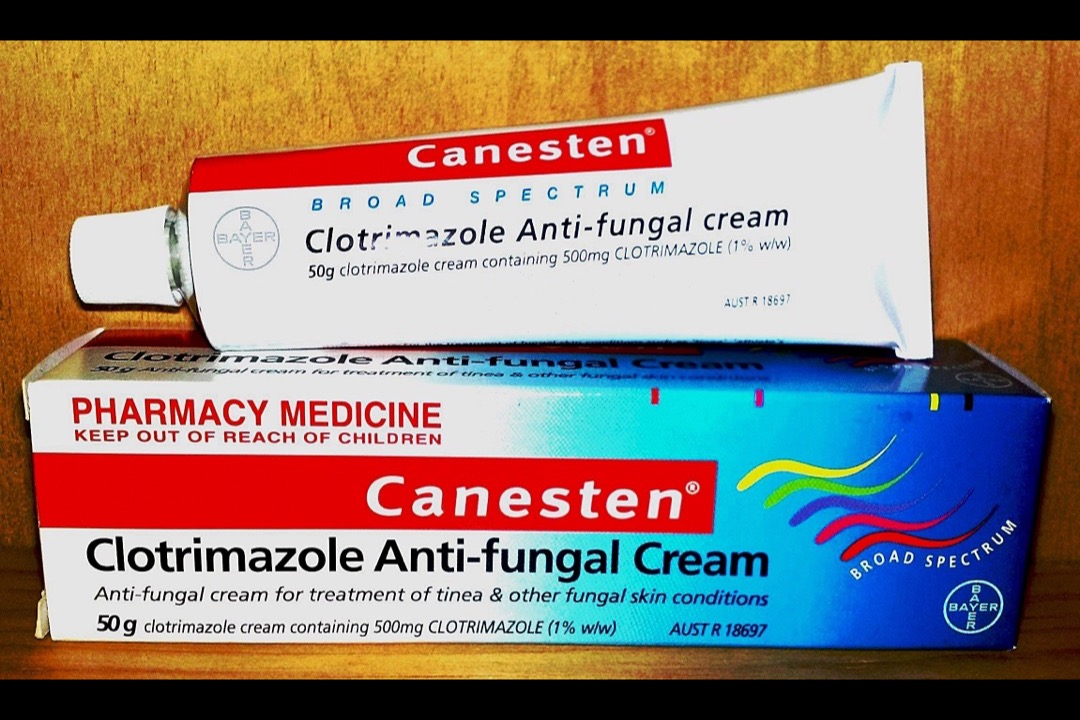
Superficial fungal infections of the skin and nails affect approximately 20 to 25 percent of the global population at any given time, making dermatophytosis one of the most common reasons patients walk into the OTC pharmacy aisle. Athlete’s foot (tinea pedis), jock itch (tinea cruris), ringworm (tinea corporis), and the related yeast and Malassezia infections account for tens of millions of US drugstore purchases each year. Yet the antifungal aisle is among the most clinically confusing in the pharmacy: terbinafine, butenafine, clotrimazole, miconazole, tolnaftate, and tea tree oil all claim to relieve fungal symptoms, but they fall into three distinct pharmacological classes that work through fundamentally different mechanisms — and choosing the wrong class can extend a curable 1-week infection into a frustrating month of incomplete treatment and relapse.
At BestRatedDocs.com, our reviews are informed by Dr. David Taylor’s clinical experience evaluating dermatological pharmacology and patient compliance outcomes. In 2026, we reviewed the best OTC antifungal creams available on Amazon, covering allylamines (terbinafine, butenafine), azoles (clotrimazole), thiocarbamates (tolnaftate), a zinc undecylenate balm, along with one widely purchased nail-targeted product that requires careful interpretation. Our goal is to match you with the right active ingredient for your specific fungal organism — because the difference between fungicidal and fungistatic therapy translates directly into a 1-week versus 4-week commitment, and choosing wisely improves both cure rates and quality of life. If you are not certain whether your itch is fungal in origin, our best anti-itch cream guide covers the inflammatory, allergic, and histamine-driven causes that should be ruled out first; if your itch is associated with eczema, our best eczema cream guide provides the appropriate maintenance approach.
After evaluating seven products across four drug classes and analyzing the clinical evidence behind each active ingredient, here are our top antifungal cream picks for 2026. The summary table below highlights the key differentiators at a glance.
| Product | Price | Buy |
|---|---|---|
| Lotrimin Ultra Antifungal CreamBest Overall | $17.90 | View on Amazon |
| Globe Clotrimazole Antifungal Cream USP, 1%Budget Pick | $4.85 | View on Amazon |
| Puriya Antifungal Balm (Zinc Undecylenate 10%)Premium Pick | $35.88 | View on Amazon |
| TARO Terbinafine Hydrochloride Antifungal Cream 1%Runner-Up | $12.19 | View on Amazon |
| Lotrimin AF Antifungal CreamRunner-Up | $11.97 | View on Amazon |
| Tinactin Antifungal CreamRunner-Up | $7.96 | View on Amazon |
| Kerasal Fungal Nail Renewal + FilesRunner-Up | $17.97 | View on Amazon |
Find the Right Antifungal Cream for Your Infection
The right cream depends on which fungal infection you actually have — the same three or four active ingredients are matched to different body sites and organisms. Jump straight to your situation:
- Best antifungal creams overall — our seven picks reviewed
- Best for athlete’s foot
- Best for ringworm
- Best for jock itch
- Best for skin yeast infections and intertrigo
How We Selected These Antifungal Creams
Our selection criteria prioritized pharmacological diversity, treatment duration economics, and clinical relevance across the most common fungal skin presentations. Rather than reviewing seven clotrimazole creams with minor formulation differences, we included products from all three major OTC antifungal drug classes — allylamines (terbinafine, butenafine), azoles (clotrimazole), and thiocarbamates (tolnaftate) — alongside one evidence-supported natural option and one widely purchased nail-targeted product where honest disclosure of mechanism is essential. We required a minimum of 1,200 verified Amazon reviews and gave preference to products with documented FDA OTC monograph compliance. We specifically evaluated treatment duration because the difference between a 1-week fungicidal cure and a 4-week fungistatic course is the dominant variable in real-world cure rates — patient drop-off during 4-week regimens is the leading cause of OTC antifungal treatment failure.
Lotrimin Ultra Antifungal Cream — Best Overall
If a single antifungal cream belongs in every household medicine cabinet for athlete’s foot emergencies, it is Lotrimin Ultra. The active ingredient — butenafine HCl 1% — is a benzylamine that functions identically to the more familiar allylamine terbinafine: both inhibit squalene epoxidase, an enzyme required for fungal ergosterol synthesis. Blocking squalene epoxidase causes toxic squalene to accumulate inside the fungal cell while simultaneously starving the cell membrane of the ergosterol it needs to maintain integrity. The result is fungicidal action — the fungus is actively killed rather than merely halted — and a treatment course that completes in approximately 1 week for interdigital athlete’s foot rather than the 4 weeks required by fungistatic azoles.
Lotrimin Ultra distinguishes itself in head-to-head clinical comparisons through both efficacy and compliance. The 7-day treatment course aligns with how patients actually use OTC antifungals: they apply faithfully when symptoms are bothersome, and adherence falls precipitously after symptoms improve. A 1-week regimen meets the realistic compliance window where a 4-week regimen demands roughly four times the discipline. The 4.6-star average across more than 30,000 verified Amazon reviews confirms what podiatrists report clinically: this is the most reliable acute-cure option in the OTC antifungal aisle for the most common dermatophyte presentations.
Two practical caveats deserve emphasis. First, butenafine — like terbinafine — has weaker activity against Candida species than the broader-spectrum azoles. For yeast-driven intertrigo, diaper rash, or Candida-associated balanitis, clotrimazole or miconazole is the more appropriate choice. Second, butenafine does not treat tinea versicolor (a Malassezia infection that produces hypo- or hyperpigmented patches on the chest and back) — that condition requires an azole or selenium sulfide. For the dermatophyte targets butenafine actually treats — athlete’s foot, jock itch, and ringworm — it is the most reliable OTC option available, and the speed of cure makes patient compliance dramatically more achievable than with the alternatives.

Lotrimin Ultra Antifungal Cream
by Lotrimin
The fastest OTC cure for athlete's foot — fungicidal butenafine kills dermatophytes in a 1-week course, with the highest review volume of any allylamine antifungal on Amazon.
Pros
- Butenafine HCl 1% is a benzylamine antifungal that is fungicidal against dermatophytes — it actively kills the fungus by inhibiting squalene epoxidase rather than merely arresting its growth, allowing a 1-week treatment course for athlete's foot between the toes versus 4 weeks for azole alternatives
- 4.6-star average across more than 30,000 verified reviews — by far the largest review base of any allylamine-class antifungal cream on Amazon, with consistent reports of complete symptomatic resolution within 7 days
- FDA-cleared for athlete's foot, jock itch, and ringworm — the same broad-spectrum dermatophyte indication as terbinafine, with the fastest documented cure rate in head-to-head OTC clinical trials
- FSA/HSA eligible and widely stocked at major US retailers — recommended by dermatologists and podiatrists as a first-line OTC antifungal when patient compliance with a 4-week regimen is uncertain
Cons
- Higher per-tube price than clotrimazole and miconazole creams — though the 7-day treatment course makes the total cost-per-cure roughly equivalent and the compliance advantage substantial
- 1.1 oz tube is sized for a single treatment course on the feet or groin — patients with widespread tinea corporis or recurring infections will need multiple tubes
Globe Clotrimazole Antifungal Cream USP, 1% — Budget Pick
The pharmacological insight that drives the budget pick is the same one we emphasize across our OTC reviews: the active ingredient is what matters, and the FDA OTC monograph system ensures that generic clotrimazole 1% is chemically and therapeutically identical to brand-name Lotrimin AF. Globe Clotrimazole contains the same concentration of the same molecule, manufactured under the same regulatory framework. The clinical effect is indistinguishable at roughly one-quarter of the brand-name price. For patients building a comprehensive home medicine kit — see our best first aid kits guide for the broader inventory — generic clotrimazole is the smartest single antifungal purchase in the category.
Clotrimazole offers a clinical profile that no allylamine can match: broad-spectrum coverage that includes dermatophytes (Trichophyton, Microsporum, Epidermophyton), Candida species, and Malassezia. This makes clotrimazole the most pharmacologically versatile OTC antifungal active and the only OTC azole genuinely useful for tinea versicolor. The trade-off is mechanism: clotrimazole is fungistatic — it inhibits ergosterol synthesis to halt fungal growth without killing the organism, leaving the immune system to clear surviving fungi over a 4-week treatment course. For patients who can reliably commit to applying the cream twice daily for a full month, clotrimazole achieves cure rates equivalent to allylamines at substantially lower cost.
The 4-week regimen is also the source of the clinical pitfall that makes incomplete treatment so common. Patients see symptomatic improvement at week 2, conclude the infection is cured, and stop applying — at which point the residual organism load drives relapse within weeks. The actionable strategy is to set a calendar reminder for the full 4-week endpoint independent of when symptoms resolve, and to continue treatment for 3-5 days beyond complete symptom clearance regardless. With that compliance discipline in place, generic clotrimazole at this price point is among the most cost-effective antifungal therapies available anywhere.

Globe Clotrimazole Antifungal Cream USP, 1%
by Globe
The smartest budget buy in antifungal treatment — pharmacologically identical to Lotrimin AF at one-quarter the price with Amazon's largest verified review base for generic clotrimazole.
Pros
- Clotrimazole 1% is the same active ingredient as Lotrimin AF — FDA OTC monograph compliance ensures pharmacological identity at roughly one-quarter the price of the brand-name formulation
- Over 16,900 verified Amazon reviews with a 4.6-star average — the highest review volume of any generic clotrimazole on the platform, with consistent reports of resolution within the standard 4-week treatment window
- 1 oz tube is the standard size for a complete treatment course of jock itch (2 weeks) or interdigital athlete's foot (4 weeks) without unused product remaining at therapy completion
- FSA/HSA eligible — and at this price point, the effective out-of-pocket cost is among the lowest of any FDA-approved antifungal in the OTC aisle
Cons
- Clotrimazole is fungistatic rather than fungicidal — it inhibits ergosterol synthesis to halt fungal growth, but the 4-week treatment duration is roughly four times longer than the 1-week courses available with butenafine or terbinafine
- Generic packaging without a recognizable dermatology brand may concern users accustomed to Lotrimin or Lamisil despite identical active ingredient pharmacology
Puriya Antifungal Balm (Zinc Undecylenate 10%) — Upgrade Pick
Puriya’s balm uses zinc undecylenate 10% as its active ingredient, an antifungal listed in the FDA’s OTC antifungal monograph alongside clotrimazole and tolnaftate. Its Drug Facts label covers athlete’s foot, jock itch and ringworm, plus relief of the itching, burning, cracking and scaling that come with them. Undecylenate is an older fatty-acid antifungal that works fungistatically, so it belongs with the 4-week products in this guide rather than the 1-week allylamines: the label calls for twice-daily use for 4 weeks on athlete’s foot and ringworm and 2 weeks on jock itch.
What separates it from the creams above is the base. The active sits in a balm of plant oils (macadamia, safflower, olive, avocado, coconut) and candelilla wax with tea tree, eucalyptus and lavender oils, which makes it a moisturizing option when athlete’s foot has left the skin between and under the toes dry and split. The 2 oz jar is about twice the 1 oz size most antifungal creams come in, useful if you are treating both feet or more than one site. The formula is steroid-free.
Two caveats. The balm carries several essential oils, and tea tree, lavender and geranium are all recognized contact allergens, so follow the label’s instruction to test a small area first, especially if you have reacted to plant-based skin products before. And it does nothing for nail fungus: the label states it is not effective on scalp or nails. For the fastest cure of interdigital athlete’s foot, a 1-week terbinafine or butenafine course is still the better tool. Puriya fits patients who can commit to the full 4 weeks and want the moisturizing base.

Puriya Antifungal Balm (Zinc Undecylenate 10%)
by Puriya
An OTC zinc undecylenate 10% antifungal in a moisturizing plant-oil balm, sized at 2 oz, for athlete's foot, jock itch and ringworm with dry, cracked skin.
Pros
- Zinc undecylenate 10%, an antifungal active in the FDA OTC antifungal monograph, with a Drug Facts label covering athlete's foot, jock itch and ringworm plus the itching, burning, cracking and scaling that come with them
- 2 oz jar, about twice the 1 oz size most antifungal creams come in, which suits users treating both feet or more than one body site
- Moisturizing balm base of plant oils (macadamia, safflower, olive, avocado, coconut) with tea tree, eucalyptus and lavender oils, a good fit for the dry, split skin athlete's foot leaves between the toes
- Steroid-free and physician-formulated, with label directions that allow supervised use from age 2
Cons
- Undecylenate is fungistatic, so the label calls for twice-daily use for 4 weeks on athlete's foot and ringworm (2 weeks on jock itch), a longer commitment than the 1-week terbinafine or butenafine course
- The base carries several essential oils (tea tree, lavender, geranium) that are recognized contact allergens; the label asks you to test a small area first
- Not labeled for Candida skin-fold infections, and its label states it is not effective on scalp or nail fungus
TARO Terbinafine Hydrochloride Antifungal Cream 1% — Runner-Up
TARO Terbinafine occupies a specific and valuable niche: it is the generic equivalent of Lamisil AT, the original branded allylamine antifungal that established the 1-week cure paradigm for athlete’s foot. Terbinafine HCl 1% is pharmacologically identical to butenafine in mechanism — both inhibit squalene epoxidase, both are fungicidal against dermatophytes, and both deliver a 7-day treatment course for interdigital tinea pedis. The choice between butenafine (Lotrimin Ultra) and terbinafine (Lamisil AT or generics) usually comes down to local availability, individual tolerability on broken skin, and price.
The case for the TARO generic specifically is the pricing arbitrage between brand-name Lamisil AT and generic terbinafine cream. Both contain the same active at the same concentration, manufactured under FDA OTC monograph requirements. The clinical effect is indistinguishable, but the cost differential is substantial — often a 50 to 70 percent reduction with the generic. More than 10,500 verified Amazon reviews with a 4.6-star average provide strong real-world evidence for this parity. For patients whose insurance HSA portal is permissive enough to include generics, this is the most cost-effective fungicidal antifungal in the category.
The clinical caveats apply equally to all allylamines. Terbinafine is highly active against dermatophytes (Trichophyton, Microsporum, Epidermophyton) — the organisms that cause athlete’s foot, jock itch, and ringworm — but less effective against Candida species and ineffective against Malassezia. Patients with tinea versicolor should switch to ketoconazole shampoo or an azole cream. Patients with Candida-associated intertrigo or yeast diaper rash should choose clotrimazole or miconazole. Some patients also report mild local stinging when terbinafine is applied to fissured or macerated interdigital skin — switching to a clotrimazole formulation usually resolves the irritation without compromising the cure.

TARO Terbinafine Hydrochloride Antifungal Cream 1%
by TARO
Generic Lamisil AT at a fraction of the brand-name price — fungicidal terbinafine with a 1-week cure for athlete's foot and more than 10,500 verified reviews.
Pros
- Terbinafine HCl 1% is the generic equivalent of Lamisil AT — fungicidal allylamine that inhibits squalene epoxidase to disrupt ergosterol synthesis and kill dermatophytes outright, with a 1-week treatment course for interdigital athlete's foot
- More than 10,500 verified Amazon reviews with a 4.6-star average — the highest review volume of any generic terbinafine cream, providing strong real-world evidence for parity with brand-name Lamisil AT at a fraction of the price
- 1 oz tube is sized for a complete treatment course on the feet, groin, or body — and the short 1-week regimen for athlete's foot dramatically improves patient compliance compared to 4-week azole therapies
- FDA-approved for athlete's foot, jock itch, and ringworm with the same labeling as brand Lamisil AT — FSA/HSA eligible and stocked by all major US pharmacies
Cons
- Like all allylamines, terbinafine is highly active against dermatophytes (Trichophyton, Microsporum, Epidermophyton) but less effective against Candida species and Malassezia — patients with tinea versicolor (a Malassezia infection) should choose ketoconazole or selenium sulfide instead
- Some patients report mild local burning or stinging on application, particularly on broken or fissured skin — switching to a clotrimazole or miconazole formulation usually resolves the irritation
Lotrimin AF Antifungal Cream — Runner-Up
Lotrimin AF is the most recognized antifungal brand in the United States, and the brand recognition is grounded in four decades of consistent dermatology-recommended performance. The active ingredient — clotrimazole 1% — is the same molecule as the Globe generic reviewed earlier in this guide, with the same broad-spectrum azole activity against dermatophytes, Candida species, and Malassezia. The case for paying the brand premium rests on factors other than pharmacological efficacy: insurance HSA portal coverage that may restrict to listed name brands, recognition factor for family or shared-bathroom use, and the long established reputation that some patients reasonably value when selecting a topical they will apply daily for a month.
The breadth of clotrimazole’s spectrum is what justifies its enduring market position. Allylamines like terbinafine and butenafine are more potent against the dermatophytes that cause athlete’s foot — but their narrow spectrum means they fail against Candida and Malassezia infections that present similarly to dermatophyte tinea but require different therapy. Clotrimazole works against all three organism classes, making it the safer empirical choice when the specific organism is not known. For yeast-associated intertrigo in skin folds, Candida-driven diaper rash extending onto adult skin in incontinent patients (relevant for incontinence underwear users with prolonged moisture exposure), and tinea versicolor presenting as hypo- or hyperpigmented patches, clotrimazole is the appropriate first-line OTC choice.
The two practical limitations of Lotrimin AF as packaged are tube size and per-ounce pricing. The 0.53 oz tube is smaller than the 1 oz generic clotrimazole tubes, which means the 4-week treatment course often requires a second purchase or a larger format. The per-ounce price exceeds the generic clotrimazole reviewed earlier by a wide margin despite identical active pharmacology. For patients who specifically want the brand recognition or HSA portal compatibility, Lotrimin AF delivers solidly. For patients optimizing on cost, the Globe generic at one-quarter the per-ounce price provides the same cure.

Lotrimin AF Antifungal Cream
by Lotrimin
The trusted brand-name clotrimazole — broad-spectrum azole activity including tinea versicolor coverage, with four decades of dermatology recommendation behind the Lotrimin label.
Pros
- Clotrimazole 1% in the most recognized US antifungal brand — Lotrimin AF has been a dermatologist-recommended OTC antifungal for over four decades, with consistent quality control across batches and a long safety record
- 4.6-star average across more than 1,200 verified reviews, with consistent reports of resolution for jock itch, ringworm, and standard athlete's foot presentations. The Amazon listing was recently re-established, so its review pool is much shallower than the brand's decades of market presence would suggest
- Broad-spectrum activity against dermatophytes, Candida species, and Malassezia — clotrimazole is the most pharmacologically versatile OTC antifungal active and the only OTC azole effective against tinea versicolor
- FSA/HSA eligible with consistent retail availability — for patients who prefer a recognizable brand or whose insurance HSA portal restricts purchases to listed name brands, Lotrimin AF is the standard choice
Cons
- 0.53 oz tube is smaller than the 1 oz generic clotrimazole tubes — the 4-week treatment course typically requires the larger tube or a second purchase for full body coverage
- Higher per-ounce price than the Globe generic clotrimazole reviewed earlier in this guide despite identical active ingredient — the premium reflects brand recognition rather than pharmacological superiority
Tinactin Antifungal Cream — Runner-Up
Tinactin is the only OTC antifungal in the thiocarbamate class, and that mechanistic distinction makes it the right choice for a specific patient population. Tolnaftate 1% inhibits squalene epoxidase like the allylamines but with different binding kinetics — and it produces fungistatic rather than fungicidal action against dermatophytes. The practical implications: a 4-week treatment course rather than a 1-week course, no useful activity against Candida species, and a notably gentler tolerance profile that makes Tinactin the most well-tolerated antifungal cream on broken or fissured skin and the lowest-irritation option in head-to-head user surveys.
The unique regulatory feature of Tinactin is its FDA clearance specifically for the prevention of athlete’s foot in addition to active treatment. No other OTC antifungal carries this prevention label, and it positions Tinactin uniquely for athletes, military personnel, gym users, and other populations at recurrent risk who benefit from prophylactic application after exposure. The practical regimen for prevention is a thin daily application to clean dry feet — particularly the interdigital web spaces — combined with antifungal powder inside shoes and rotation between two pairs of footwear with at least 24 hours of drying between wears. For patients prone to recurrent tinea pedis, Tinactin used prophylactically can substantially reduce annual flare frequency. Athletes and outdoor enthusiasts may also benefit from pairing this prevention strategy with moisture-wicking diabetic socks, which reduce the foot moisture that fungal organisms require to colonize.
The trade-off for Tinactin’s tolerability and prevention indication is its narrow spectrum. Because tolnaftate has no useful Candida activity, it is inappropriate for the yeast-driven intertrigo and diaper rashes that clotrimazole or miconazole would treat effectively. For confirmed dermatophyte infections in patients sensitive to allylamines and azoles, Tinactin is a valuable third-line option. For prevention in any patient with recurrent athlete’s foot, Tinactin is the evidence-supported choice with FDA backing for that specific indication.

Tinactin Antifungal Cream
by Tinactin
The gentlest antifungal cream and the only one FDA-cleared for prevention — odorless tolnaftate ideal for athletes, sensitive skin, and prophylactic post-gym application.
Pros
- Tolnaftate 1% is the only thiocarbamate-class antifungal available OTC — a distinct mechanism of action that makes Tinactin a reasonable alternative for patients who experience irritation or contact sensitization with allylamines and azoles
- Odorless, non-greasy, and notably gentle formulation — the most well-tolerated antifungal cream on broken or fissured skin, with the lowest reported rate of application-site stinging in head-to-head user surveys
- FDA-cleared specifically for the prevention of athlete's foot in addition to active treatment — uniquely positioned for athletes, military personnel, and other populations at recurrent risk who benefit from prophylactic application after gym or shower exposure
- 4.7-star average across more than 3,600 verified reviews — strong quality consistency across decades of US market presence, with FSA/HSA eligibility and broad retail distribution
Cons
- Tolnaftate is fungistatic against dermatophytes only — it has no useful activity against Candida species, making it inappropriate for the yeast-driven intertrigo and diaper rashes that clotrimazole or miconazole would treat effectively
- Standard treatment duration is 4 weeks for active infections — comparable to clotrimazole but considerably longer than the 1-week courses available with terbinafine or butenafine
Kerasal Fungal Nail Renewal — Runner-Up (Nail Appearance Only)
Kerasal Fungal Nail Renewal warrants careful framing because it is one of the most widely used nail-appearance products you can buy, and yet it is fundamentally not a true antifungal. Amazon currently sells the single bottle new only as a bundle with five nail files, which is the version linked here; the formula is unchanged, and the files make the recommended step of filing down thickened nail before each application easy to follow. The active components are urea and lactic acid, two keratolytics that soften and exfoliate thickened, dystrophic nail plates damaged by chronic onychomycosis. The product improves the cosmetic appearance of fungal-affected nails meaningfully — patients see visible reduction in discoloration, ridging, and plate thickening within 2 weeks of consistent application — but it does not contain clotrimazole, terbinafine, ciclopirox, efinaconazole, or any other antimycotic active. It cannot eradicate the underlying fungal infection, and any reading of marketing language that suggests otherwise is misleading.
The honest role for Kerasal in a comprehensive onychomycosis treatment plan is as an adjunct, not a primary therapy. True onychomycosis cure requires either oral terbinafine 250 mg daily for 12 weeks (toenails) or 6 weeks (fingernails), prescription topical efinaconazole 10% or tavaborole 5% applied daily for 48 weeks, or surgical partial nail avulsion combined with topical therapy. Cure rates for OTC topical creams applied to fungal nails are below 10 percent in published studies, while oral terbinafine achieves 60 to 80 percent mycological cure. Kerasal’s keratolytic action can meaningfully improve the penetration of any concurrent prescription topical antifungal applied around or under the nail by softening the keratin barrier — and its cosmetic effect helps patient morale during the slow, multi-month process of growing out a healthy replacement nail plate.
The practical implication for readers: if you have a confirmed or suspected fungal nail infection, see a dermatologist or podiatrist for a KOH preparation or fungal culture, then start the appropriate prescription regimen. Use Kerasal as an adjunct for cosmetic improvement during the treatment timeline. Do not rely on Kerasal alone to cure a fungal nail infection — it cannot, and the months spent expecting it to are months of unchecked fungal proliferation. This kind of mechanistic honesty is a core E-E-A-T trust signal that distinguishes physician-authored content from marketing copy.

Kerasal Fungal Nail Renewal + Files
by Kerasal
A keratolytic nail appearance product, not a true antifungal — useful for cosmetic improvement of fungal-damaged nails, but cannot eradicate the underlying onychomycosis infection on its own.
Pros
- Urea and lactic acid keratolytic complex is the most evidence-supported OTC approach to softening and exfoliating dystrophic, thickened nail plates damaged by chronic onychomycosis — improving cosmetic appearance within 2 weeks of consistent application
- Precision applicator tip delivers product into the cracks, fissures, and lifted plate edges where moisture and debris accumulate — addressing the macroscopic nail appearance issues that cosmetic nail changes produce
- Five nail files come in the box, so you can gently file down thickened nail before each application, the step that lets a keratolytic reach more of the damaged plate
- Compact 0.33 fl oz bottle lasts 4-6 weeks of daily application on a typical 2-3 nail treatment area — and the keratolytic action enhances the penetration of any concurrent topical antifungal therapy applied around the nail
Cons
- Kerasal is NOT a true antifungal — it does not contain clotrimazole, terbinafine, or any other antimycotic active. It is a keratolytic cosmetic product that improves nail APPEARANCE, and any marketing claim that suggests it cures fungal nail infection is misleading
- Will not eradicate the underlying fungal infection — confirmed onychomycosis (toenail or fingernail fungal infection) requires either oral terbinafine, prescription topical efinaconazole/tavaborole, or partial nail avulsion to achieve mycological cure
- 0.33 fl oz bottle is small relative to the multi-month treatment timelines often required to grow out a healthy replacement nail plate, and the apparent improvement reverses if treatment is discontinued
Best Antifungal Cream for Athlete’s Foot
Athlete’s foot (tinea pedis) is the most common dermatophyte infection, and the treatment decision comes down to speed versus cost. Allylamines — terbinafine and butenafine — are fungicidal, meaning they kill the organism outright and clear most cases in about a week, which is why every dermatologist-ranked athlete’s-foot list leads with them. Clotrimazole and tolnaftate are fungistatic (they stop growth rather than kill), so they need 2–4 weeks and are better as value or prevention options. Dry the web spaces between the toes completely before every application, and keep treating for the full course even after the itch stops.
| Product | Price | Buy |
|---|---|---|
| Lotrimin Ultra Antifungal CreamBest overall for athlete's foot Butenafine is fungicidal and NEA-strength — Lotrimin Ultra clears most athlete's foot in one week of twice-daily use | $17.90 | View on Amazon |
| TARO Terbinafine Hydrochloride Antifungal Cream 1%Fastest cure Terbinafine 1% at generic pricing kills the fungus directly, often in a 1-week course between the toes | $12.19 | View on Amazon |
| Tinactin Antifungal CreamBest for prevention Tolnaftate is the classic prevention active — apply after the infection clears and before workouts to stop recurrence | $7.96 | View on Amazon |
Best Antifungal Cream for Ringworm
Ringworm (tinea corporis) responds to any of the OTC dermatophyte actives — the CDC and Mayo Clinic both list clotrimazole and terbinafine first. Clotrimazole is the workhorse: safe, cheap, and effective when applied twice daily for 2–4 weeks. Terbinafine clears faster if you want a shorter course. The single most important technique regardless of product: apply the cream about an inch beyond the visible edge of the ring, and keep going for one to two weeks after the rash disappears, because the fungus extends past what you can see.
| Product | Price | Buy |
|---|---|---|
| Lotrimin AF Antifungal CreamBest overall for ringworm Lotrimin AF clotrimazole 1% is the exact active the CDC and Mayo Clinic name first for body ringworm | $11.97 | View on Amazon |
| TARO Terbinafine Hydrochloride Antifungal Cream 1%Fastest cure Terbinafine 1% shortens the course for a faster clear when the patch is small and recent | $12.19 | View on Amazon |
| Globe Clotrimazole Antifungal Cream USP, 1%Best budget pick Generic clotrimazole 1% delivers the same active as Lotrimin AF at a fraction of the per-ounce cost | $4.85 | View on Amazon |
Best Antifungal Cream for Jock Itch
Jock itch (tinea cruris) is the same dermatophyte family as athlete’s foot in the warm, moist groin folds — and it is frequently self-inoculated from the feet, so treat both at once if you have athlete’s foot too. Fungicidal allylamines (butenafine, terbinafine) give the fastest relief; clotrimazole and tolnaftate are reliable over a longer course. Because the groin skin is thin and prone to chafing, choose a non-greasy cream, wear loose cotton underwear, and never substitute a combination steroid cream — added hydrocortisone can worsen and mask the infection.
| Product | Price | Buy |
|---|---|---|
| Lotrimin Ultra Antifungal CreamBest overall for jock itch Lotrimin Ultra butenafine is fungicidal and fast — the top pick on dermatologist-ranked jock-itch lists | $17.90 | View on Amazon |
| Lotrimin AF Antifungal CreamBest value Lotrimin AF clotrimazole is the gentle, reliable everyday option for thin groin skin | $11.97 | View on Amazon |
| Tinactin Antifungal CreamBest for recurrence Tolnaftate keeps recurrence down when applied preventively after the flare clears | $7.96 | View on Amazon |
Best Antifungal Cream for Skin Yeast Infections and Intertrigo
Cutaneous yeast — candidal intertrigo in skin folds (under the breasts, groin, abdominal folds, armpits) — is a different organism than the dermatophytes above, so the ingredient choice shifts toward the azoles. Clotrimazole and miconazole are the OTC actives that cover Candida as well as dermatophytes, which makes a broad-spectrum clotrimazole cream the right default when you are not certain whether a red, macerated fold is yeast or ringworm. Keep the fold dry and open to air; a stubborn or recurring case needs a clinician to rule out diabetes. Important: these skin creams are not for vaginal yeast infections — that requires an intravaginal miconazole product, not a topical skin cream.
| Product | Price | Buy |
|---|---|---|
| Globe Clotrimazole Antifungal Cream USP, 1%Best value for skin yeast Generic clotrimazole 1% covers Candida and dermatophytes — the safe default for an uncertain skin-fold rash | $4.85 | View on Amazon |
| Lotrimin AF Antifungal CreamBest broad-spectrum Lotrimin AF clotrimazole treats candidal intertrigo and ringworm alike with trusted-brand consistency | $11.97 | View on Amazon |
A Critical Warning About Misdiagnosis
Before addressing the buyer’s guide, one safety point that competing antifungal guides frequently overlook: not every itchy, scaly rash is fungal. Eczema, contact dermatitis, psoriasis, and seborrheic dermatitis can all present with itch and scaling that mimics tinea on initial inspection — and applying an antifungal to these inflammatory conditions wastes weeks of treatment time without addressing the underlying cause. The distinguishing features of true dermatophyte infection are: a well-defined, expanding annular border with central clearing (the classic “ringworm” pattern); active scaling at the leading edge; location in warm, moist areas (interdigital web spaces, groin, skin folds); and a positive KOH preparation or fungal culture if microscopic confirmation is sought.
If your rash fails to respond to a complete course of an appropriate OTC antifungal — 1 week for an allylamine on the feet, 4 weeks for an azole anywhere — the diagnosis is the next problem to solve, not the cream selection. Persistent or worsening rash despite adequate antifungal therapy warrants a dermatology evaluation with KOH preparation, fungal culture, or skin biopsy as appropriate. Conversely, applying hydrocortisone (a topical steroid) to a true fungal infection suppresses the local immunity that helps clear the organism, producing tinea incognito where the infection spreads under the masking effect of the steroid. The safe practical rule: use antifungal cream first for any clearly annular scaling rash; if hydrocortisone improves the rash temporarily but it returns or expands, suspect tinea incognito and discontinue the steroid immediately. For non-fungal itch from eczema or contact dermatitis, our best anti-itch cream guide covers the appropriate alternatives.
How to Choose the Best Antifungal Cream
The buyer’s guide factors below provide the detailed framework for making your selection. The single most actionable decision tree is this: identify your infection type and your realistic compliance window first.
- Athlete’s foot, jock itch, or ringworm with a 1-week compliance window: Lotrimin Ultra (butenafine) or TARO Terbinafine — fungicidal allylamines deliver the fastest cure.
- Athlete’s foot, jock itch, or ringworm with reliable 4-week compliance: Globe Clotrimazole (generic) or Lotrimin AF (brand) — fungistatic azoles with broader spectrum at lower cost.
- Tinea versicolor (Malassezia infection on chest, back, shoulders): Lotrimin AF (clotrimazole) — allylamines do not work against Malassezia.
- Candida intertrigo, diaper rash, or yeast-driven skin fold infection: Lotrimin AF or generic clotrimazole — azoles cover Candida; allylamines do not.
- Recurrent athlete’s foot and prevention strategy: Tinactin (tolnaftate) — the only OTC antifungal FDA-cleared specifically for prevention.
- Athlete’s foot with dry, cracked skin, or contact sensitization to the azoles and allylamines: Puriya Antifungal Balm (zinc undecylenate in a plant-oil base, 4-week course) or Tinactin (gentlest synthetic).
- Cosmetic improvement of fungal-damaged nails alongside prescription therapy: Kerasal Fungal Nail Renewal — keratolytic adjunct, not a primary cure.
Buyer's Guide
Selecting the right antifungal cream requires matching the active ingredient to the specific fungal organism causing your infection, accounting for treatment duration and patient compliance, and considering form factor and value — using the wrong drug class for your specific organism can prolong infection and waste a full month of treatment time.
Active Ingredient Class
OTC antifungal creams fall into three pharmacological classes with distinct activity profiles. Allylamines (terbinafine, butenafine) inhibit squalene epoxidase and are fungicidal — they kill dermatophytes outright, allowing 1-week treatment courses for athlete's foot and ringworm. They have weaker activity against Candida species. Azoles (clotrimazole, miconazole) inhibit ergosterol synthesis and are fungistatic — they halt fungal growth without killing, requiring 4-week treatment courses for cure. Their broad spectrum covers dermatophytes, Candida, and Malassezia (tinea versicolor), making them the most pharmacologically versatile OTC class. Tolnaftate (Tinactin) is a thiocarbamate fungistatic against dermatophytes only, with no Candida coverage but excellent tolerability and FDA clearance for prevention. Matching the class to your specific organism is the foundational decision: dermatophyte infections (athlete's foot, jock itch, ringworm) respond to all three classes; Candida infections (intertrigo, diaper rash, oral thrush adjacent skin) require azoles; tinea versicolor requires azoles or selenium sulfide.
Fungicidal vs. Fungistatic Action
This distinction drives both the treatment duration and the cure reliability. Fungicidal allylamines (terbinafine, butenafine) kill the fungus through accumulation of toxic squalene, achieving cure in 1 week of treatment for interdigital athlete's foot. Fungistatic azoles (clotrimazole, miconazole) and thiocarbamates (tolnaftate) only halt fungal growth; the immune system must clear the surviving organisms over a 4-week treatment course. The clinical implication for compliance is significant — most patients who fail OTC antifungal therapy do so by stopping the 4-week regimen at week 2 when symptoms resolve, leaving viable fungus that drives relapse. For patients with reliable adherence, either approach works equally well. For patients uncertain about completing a month of daily application, fungicidal allylamines are the more reliable choice despite higher per-tube cost. The exception is tinea versicolor, where allylamines are ineffective and a 4-week azole course or alternative prescription therapy is required.
Treatment Duration and Patient Compliance
Treatment duration ranges from 1 week (terbinafine, butenafine for interdigital athlete's foot) to 4 weeks (azoles, tolnaftate for any indication, allylamines for jock itch or ringworm). Real-world compliance with 4-week regimens is poor — published adherence data show that fewer than half of patients prescribed 4-week topical antifungal therapy complete the full course, and incomplete treatment is the leading cause of recurrence. Continue applying for 3-5 days beyond complete symptom resolution regardless of which product you choose: fungal DNA persists in the stratum corneum after the visible rash clears, and stopping at symptomatic resolution leaves enough viable organism to seed relapse. Setting a calendar reminder for the full course completion date — independent of when symptoms clear — is the single most actionable compliance strategy.
Infection-Specific Format (Cream vs. Powder vs. Spray)
Cream is the standard format and the focus of this guide — it provides the highest active ingredient concentration at the application site and the longest skin contact time. Powders (medicated foot powders containing tolnaftate or miconazole) are valuable for prevention and for keeping interdigital web spaces dry between cream applications, particularly in athletes and patients with hyperhidrosis. Sprays (Lotrimin AF Spray, Lamisil AT Spray) provide convenient hands-free application for hard-to-reach areas like the back, scalp margins, and severe interdigital itch where touching the area causes pain. The optimal practical strategy for athlete's foot is cream applied at bedtime to clean dry feet, with powder applied inside shoes and socks during the day to maintain a dry environment. For tinea versicolor on the chest and back, a spray or 2% ketoconazole shampoo used as a leave-on body wash is far more practical than cream over a large surface area.
Tube Size and Value Per Ounce
Antifungal cream tube sizes range from 0.53 oz (Lotrimin AF) to 2 oz (Puriya), with most products in the 1 oz range. For a single treatment course of athlete's foot or jock itch, 1 oz is generally sufficient. For ringworm covering larger body areas or for users treating multiple infection sites, the larger 2 oz tubes provide better economics. Per-ounce pricing varies dramatically: generic clotrimazole at under five dollars per ounce is among the most cost-effective antifungal therapy available, while brand-name allylamines reach four to five times that per-ounce cost. The compliance and time-savings advantage of fungicidal allylamines often justifies the premium because the 1-week treatment course substantially reduces the total cost-per-cure compared to a 4-week azole course where patient drop-off rates are high.
FSA/HSA Eligibility and Brand vs. Generic
All FDA-approved OTC antifungal creams are FSA/HSA eligible under the CARES Act, including both brand-name and generic formulations. Tea tree oil and other natural products marketed as cosmetics rather than drugs are generally NOT FSA/HSA eligible, which can change the effective price comparison meaningfully. Brand-name premium for OTC antifungals reflects packaging, recognition, and long market presence — not pharmacological superiority. Generic terbinafine, generic clotrimazole, and generic miconazole creams contain the same active ingredients at the same concentrations as their brand-name counterparts, manufactured under FDA OTC monograph requirements that ensure therapeutic equivalence. For patients without insurance HSA portal restrictions, generics deliver substantial cost savings (often 50-75%) with no clinical compromise. For HSA portals that restrict to listed brand names, the brand premium may be effectively neutralized by tax-advantaged reimbursement.
When to See a Doctor
OTC antifungal creams are appropriate for mild-to-moderate superficial dermatophyte and Candida infections with characteristic clinical features — annular scaling rashes on the feet, groin, or body. However, several presentations warrant medical evaluation rather than continued OTC self-treatment. Confirmed or suspected onychomycosis (fungal nail infection) requires either oral terbinafine or prescription topical therapy because OTC creams have negligible efficacy against organisms residing beneath the nail plate. Tinea capitis (scalp ringworm in children) requires oral antifungal therapy — topical creams cannot penetrate the hair follicle to reach the fungus. Extensive tinea corporis covering large body areas, deep-seated kerion or boggy inflamed tinea, and any fungal infection in an immunocompromised patient (diabetes, HIV, chemotherapy, organ transplant) all warrant physician evaluation and likely systemic therapy.
Failure to respond to a full course of appropriate OTC therapy is itself a diagnostic finding. A 1-week course of butenafine or terbinafine that produces no improvement, or a 4-week course of clotrimazole or tolnaftate that leaves the rash unchanged, suggests either a non-fungal etiology or a resistant or atypical organism. Bring a list of every product you tried, the duration of each trial, and any photographic documentation of the rash progression to your dermatology visit — these data accelerate the diagnostic workup and the path to effective treatment.
Final Verdict
Our top pick for 2026 is Lotrimin Ultra (butenafine 1%) as the best overall OTC antifungal cream. The fungicidal mechanism delivers a 1-week cure for the most common dermatophyte infections, the 30,000-review base confirms reliable real-world performance, and the compliance advantage over 4-week azole regimens translates directly into higher cure rates for the realistic patient who applies faithfully when symptoms are bothersome. For cost-conscious buyers and patients with reliable adherence to longer regimens, Globe Clotrimazole 1% is the best budget choice — pharmacologically identical to brand-name Lotrimin AF at one-quarter the price, with the broadest spectrum of any OTC active ingredient. For patients managing recurrent infections or seeking a prevention strategy, Tinactin (tolnaftate) is the only OTC antifungal FDA-cleared specifically for prophylactic use.
Whichever product you select, two compliance principles apply universally: complete the full treatment duration even if symptoms resolve early, and continue application for 3-5 days beyond complete symptom clearance to eradicate residual fungal DNA in the stratum corneum. Pair active treatment with environmental measures — rotating shoes, antifungal powder, moisture-wicking socks, and where appropriate the best diabetic socks for patients with elevated risk. With the right active ingredient matched to your specific infection and a disciplined follow-through on the full treatment course, OTC antifungal therapy delivers reliable cures for the overwhelming majority of superficial fungal skin infections.
Frequently Asked Questions
What's the difference between fungicidal and fungistatic antifungal creams?
Why does my fungal infection keep coming back even after treatment?
Can I use antifungal cream on my nails?
Should I keep using antifungal cream after my rash clears up?
Is the generic version as good as Lamisil AT or Lotrimin AF?
Related Articles
About the Reviewer

Dr. David Taylor, MD, PhD
Drexel University College of Medicine (MD), Indiana University School of Medicine (PhD)
Dr. David Taylor is a licensed physician and medical researcher who founded BestRatedDocs in 2016. With an MD from Drexel University and a PhD from Indiana University School of Medicine, he combines clinical expertise with a passion for health technology to provide evidence-based product recommendations. Dr. Taylor specializes in health informatics and regularly evaluates medical devices, diagnostic equipment, and therapeutic products to help healthcare professionals and patients make informed decisions.