7 Best Allergy Medicines of 2026
A physician's guide to the best OTC allergy medicines — antihistamines, nasal sprays, and eye drops reviewed for efficacy, drowsiness, and value.
Updated
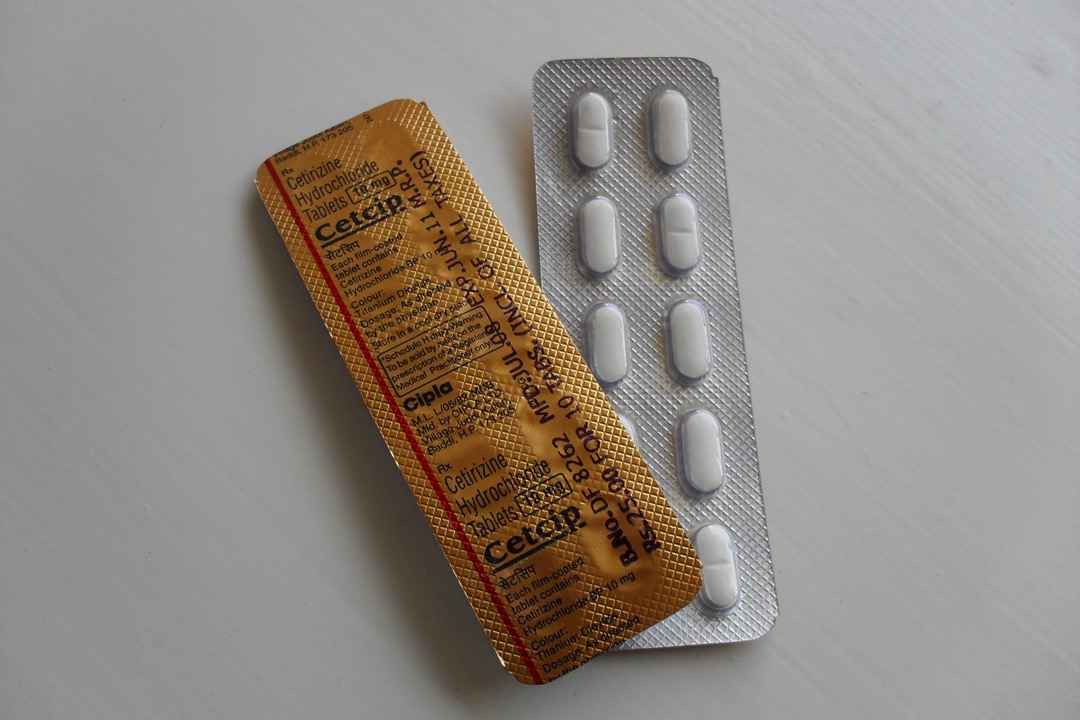
Approximately 81 million Americans are diagnosed with allergic rhinitis, making allergies the sixth leading cause of chronic illness in the United States according to the CDC — and that figure underestimates the true burden because millions more self-treat without a formal diagnosis. When tree pollen peaks in March and April, ragweed saturates the air from August through October, and indoor allergens like dust mites and pet dander create year-round misery, the OTC allergy medicine aisle becomes one of the most-visited sections of any pharmacy. The challenge is that the market is flooded with options spanning antihistamines, nasal sprays, and eye drops — each working through a different mechanism, with dramatically different efficacy, sedation profiles, and price points.
At BestRatedDocs.com, our reviews are informed by Dr. David Taylor’s clinical experience evaluating pharmacology and patient outcomes. In 2026, we reviewed the best OTC allergy medicines available on Amazon, covering second-generation oral antihistamines, intranasal corticosteroids, and prescription-strength olopatadine eye drops that have recently transitioned to OTC status. Our goal is to cut through the brand marketing and help you select the right drug class and formulation for your specific symptom profile — whether you’re managing seasonal hay fever, perennial indoor allergies, or ocular allergy symptoms that oral pills alone don’t fully control. If you’re also managing respiratory symptoms, our best nebulizers guide covers devices that deliver inhaled medications for more complex airway conditions.
After evaluating seven products across three drug classes and analyzing the clinical evidence behind each active ingredient, here are our top allergy medicine picks for 2026. The summary table below highlights the key differentiators at a glance.
How We Selected These Allergy Medicines
Our selection criteria prioritized clinical relevance over marketing claims. We focused exclusively on products with well-established FDA safety and efficacy data — second-generation antihistamines, intranasal corticosteroids, and topical antihistamine eye drops. We required a minimum of 5,000 verified Amazon reviews for oral and nasal products to ensure a robust real-world performance signal, evaluated the cost-per-dose value proposition for budget-conscious buyers, and specifically assessed drowsiness profiles because sedation is the most clinically significant adverse effect in the category. We deliberately excluded first-generation antihistamines like diphenhydramine for daily allergy use — the evidence base for their anticholinergic risk, particularly in older adults, is too strong to include them as a routine recommendation.
1. Amazon Basic Care Cetirizine HCl Tablets 10mg — Best Overall
If there is a single insight every allergy sufferer should take away from this guide, it is this: the active ingredient in Zyrtec — cetirizine hydrochloride 10mg — is available at roughly one-twentieth the cost per dose in store-brand form, with identical pharmacological activity. The FDA requires all OTC generic antihistamines to demonstrate bioequivalence to their reference brand, meaning the absorption rate, peak plasma concentration, and duration of action are statistically indistinguishable. Amazon Basic Care cetirizine is manufactured under the same regulatory framework as Zyrtec. The only meaningful difference is the label.
With more than 68,000 verified Amazon reviews and #1 Best Seller status in the antihistamine category, the 300-count format represents one of the most cost-effective consumer health purchases available. For a household where one or more members takes cetirizine daily through allergy season — or year-round for perennial rhinitis — the savings over brand-name purchases are substantial over the course of a year. The product is FSA and HSA eligible under the CARES Act (see our FAQ section below on this), which provides an additional 20-40% effective discount depending on your tax bracket.
The honest caveat on cetirizine is sedation. The label says “non-drowsy,” and that is accurate for the majority of users, but approximately 15% of cetirizine users experience meaningful drowsiness — not the profound sedation of diphenhydramine, but a mild cognitive blunting or increased afternoon fatigue. This is a class effect, not a manufacturing quality issue — it happens with brand Zyrtec at exactly the same rate. If you are in that 15%, cetirizine is not the right choice regardless of brand; fexofenadine (Allegra) or loratadine (Claritin) are better alternatives. For everyone else, Amazon Basic Care cetirizine is the best combination of efficacy, cost, and convenience in the category.

Amazon Basic Care Cetirizine HCl Tablets 10mg, 300 Count
by Amazon Basic Care
The smartest buy in allergy medicine — clinically equivalent to Zyrtec at a fraction of the price and Amazon's #1 bestselling antihistamine.
Pros
- Clinically identical to Zyrtec at roughly 1/20th the cost per dose — same cetirizine HCl 10mg active ingredient under the same OTC monograph
- 300-tablet supply lasts up to 10 months of daily use, eliminating frequent reorders during peak allergy season
- FSA/HSA eligible and Amazon's #1 Best Seller in antihistamines, with over 68,000 verified reviews confirming batch-to-batch consistency
- Once-daily dosing provides 24-hour symptom control for sneezing, runny nose, itchy eyes, and skin reactions
Cons
- Cetirizine causes drowsiness in approximately 15% of users — a class effect shared by all cetirizine products regardless of brand
- No recognizable brand name packaging, which may concern users accustomed to Zyrtec despite identical pharmacology
2. Allegra Adult 24HR Non-Drowsy Allergy Relief Tablets — Upgrade Pick
Fexofenadine is the most clinically distinctive antihistamine in the OTC market, and it is underutilized relative to its pharmacological advantages. While cetirizine and loratadine are described as “non-drowsy” based on their minimal CNS penetration, fexofenadine is the only antihistamine that has received an explicit FDA non-impairing designation — backed by randomized controlled trial data demonstrating no statistically significant impairment on driving simulation tests, reaction time assessments, or cognitive performance batteries. This is not a labeling distinction without clinical meaning: it matters for airline pilots, commercial truck drivers, surgeons, and anyone whose occupation requires documented unimpaired cognitive function.
Fexofenadine also fills an important clinical gap as an alternative for partial responders to cetirizine and loratadine. Antihistamine response is individually variable — some patients who achieve adequate symptom control on cetirizine find fexofenadine more effective, and vice versa. The reason is subtle differences in receptor binding kinetics and selectivity between the two molecules despite both targeting the H1 receptor. Clinically, if a patient’s allergy symptoms are inadequately controlled on one second-generation antihistamine, switching to a different second-generation agent before escalating to prescription therapy is sound practice. Allegra is the first-line alternative in that algorithm.
The drug interaction caveat is worth repeating because it trips up users who switch from cetirizine without reading the label. Fexofenadine is a P-glycoprotein substrate, and grapefruit juice, apple juice, and orange juice significantly reduce its oral bioavailability through inhibition of intestinal transporters — not through the CYP3A4 pathway like most fruit juice interactions. Antacids containing aluminum hydroxide or magnesium hydroxide also reduce fexofenadine absorption by approximately 41% if taken simultaneously. Take fexofenadine with water, separated from antacid use by at least 2 hours.

Allegra Adult 24HR Non-Drowsy Allergy Relief Tablets, 180mg Fexofenadine, 100 Count
by Allegra
The upgrade pick for professionals and anyone who can't tolerate sedation — the only antihistamine clinically proven not to impair driving.
Pros
- Only antihistamine with an FDA non-impairing designation — clinically proven to produce no driving impairment or cognitive performance deficit
- Effective when cetirizine or loratadine fail — fexofenadine's different receptor binding profile makes it a useful alternative for partial responders
- No anticholinergic side effects (dry mouth, urinary retention, constipation) that complicate long-term antihistamine use, especially in older adults
- 4.8 stars across more than 5,000 verified reviews, with consistent praise from users who found other antihistamines made them too drowsy to function
Cons
- Must be taken with water only — grapefruit juice, apple juice, and antacids containing aluminum or magnesium reduce fexofenadine absorption by up to 36%
- Approved for ages 12 and older only; at a higher price per tablet than generic cetirizine or loratadine alternatives
3. Kirkland Signature Aller-Flo Fluticasone Propionate Nasal Spray — Budget Pick
For anyone managing moderate-to-severe allergic rhinitis — particularly nasal congestion that oral antihistamines fail to adequately address — intranasal corticosteroids represent a step-change in efficacy. The ACAAI and AAAAI both recommend nasal corticosteroids as first-line pharmacotherapy for persistent allergic rhinitis, specifically because they address the underlying eosinophilic inflammation driving symptoms rather than just blocking the histamine signal. Fluticasone propionate 50mcg/spray is one of the most studied intranasal corticosteroids in the class, with decades of safety and efficacy data across thousands of clinical trial participants.
Kirkland Aller-Flo contains the identical active ingredient as Flonase — fluticasone propionate 50mcg/spray — and the 5-pack format delivers the highest value-per-spray of any fluticasone product on Amazon at an approximately 80% savings versus Flonase retail. The 4.8-star average across more than 11,000 verified reviews is the strongest efficacy signal in the nasal spray category. Users consistently report that it works identically to Flonase — as expected, given that it contains the same drug at the same dose.
The 5-pack format is genuinely impractical for first-time fluticasone users who haven’t yet confirmed they tolerate and benefit from the drug. For anyone who has used fluticasone before and is simply looking for the most economical way to maintain a year-round supply, Kirkland Aller-Flo is the unambiguous value leader. A household with two daily users will go through the 720-spray supply in approximately 3 months — still exceptional value. For first-time nasal spray users, we recommend starting with a single Flonase bottle (reviewed below) and switching to the Kirkland 5-pack once you’ve confirmed the medication works for you.

Kirkland Signature Aller-Flo Fluticasone Propionate Nasal Spray, 5-Pack (720 Sprays)
by Kirkland Signature
The best-value nasal spray for Prime members — identical fluticasone to Flonase at a fraction of the cost in a 6-month household supply.
Pros
- Identical to Flonase — same fluticasone propionate 50mcg/spray active ingredient at approximately 80% savings per spray
- 5-bottle supply (720 total sprays) provides 6+ months of once-daily dosing for a household, eliminating mid-season reorders
- 4.8 stars across more than 11,000 reviews — the highest-rated fluticasone product on Amazon by review volume
- FSA/HSA eligible under the CARES Act; safe for year-round use in adults and children 4 years and older
Cons
- 5-pack bulk format is impractical for first-time users who haven't yet confirmed fluticasone works for their symptom profile
- Requires Amazon Prime membership for the best per-unit pricing; loose bottles may arrive without full retail packaging
4. Flonase Allergy Relief Nasal Spray — Runner-Up
Flonase became the first OTC intranasal corticosteroid when it transitioned from prescription-only status in 2014, and it remains the category benchmark against which all competing nasal sprays are measured. Its clinical profile is well-established: fluticasone propionate reduces mucosal eosinophil counts, decreases vascular permeability, and inhibits the release of cytokines that drive the nasal inflammatory cascade — addressing all six of the symptoms that define allergic rhinitis, including nasal congestion, which oral antihistamines do not meaningfully address.
The clinical advantage of Flonase over oral antihistamines for persistent allergic rhinitis is not marginal. A 2017 Cochrane meta-analysis of 19 randomized trials found that intranasal corticosteroids provided significantly greater improvement in total nasal symptom scores compared to oral antihistamines — and that the combination of both classes outperformed either alone for patients with moderate-to-severe disease. For patients whose primary complaint is nasal congestion or who have year-round disease rather than purely seasonal hay fever, Flonase represents a clinically superior first choice over an oral antihistamine used alone.
One practical note for users who have tried fluticasone and found it ineffective: the most common cause is incorrect technique, not pharmacological failure. The spray should be directed laterally — aim toward the outer corner of the eye on the same side as the nostril being sprayed — rather than straight up toward the top of the skull. Aiming straight up causes the spray to contact the nasal septum rather than the lateral turbinates where the drug’s target tissue is located. This technique error is extremely common and explains a substantial portion of reported fluticasone treatment failures.

Flonase Allergy Relief Nasal Spray, 72 Sprays
by Flonase
The doctor-recommended nasal spray standard — fluticasone treats both nasal and eye symptoms and outperforms oral antihistamines alone for persistent rhinitis.
Pros
- Treats all 6 allergy symptoms — nasal congestion, runny nose, sneezing, itchy nose, itchy eyes, and watery eyes — in a single spray
- ACAAI first-line recommendation for persistent allergic rhinitis; evidence base is stronger than for oral antihistamines alone
- Non-habit-forming and safe for year-round use, unlike decongestant sprays such as Afrin that cause rebound congestion after 3 days
- One of the best-reviewed allergy products on Amazon with more than 20,000 ratings and consistent 4.7-star performance
Cons
- Takes 1-2 weeks of consistent daily use to reach full anti-inflammatory effect — not suitable for as-needed same-day relief
- Some users experience nosebleeds with long-term use, particularly in low-humidity environments or with incorrect spray technique
5. Pataday Once Daily Relief Extra Strength Eye Drops
Allergic conjunctivitis affects the majority of patients with allergic rhinitis and is one of the most undertreated components of the allergic disease spectrum. Oral antihistamines provide partial ocular symptom relief through systemic H1 blockade, but topical ophthalmic antihistamines deliver drug directly to the target tissue at concentrations that systemic dosing cannot achieve without unacceptable side effects. Olopatadine — the active ingredient in Pataday — is a dual-mechanism agent that both blocks H1 receptors and stabilizes mast cells to prevent histamine release, providing more complete and durable relief than H1-only eye drops.
Pataday Once Daily Extra Strength (olopatadine 0.7%) was available only by prescription until 2020, when the FDA approved its OTC transition. The 0.7% concentration is higher than the original Pataday Twice Daily (0.1%) and is the formulation that has been studied most extensively in contact-lens wearers and patients with severe seasonal ocular symptoms. The once-daily dosing convenience is clinically significant — twice-daily eye drop regimens have measurably lower adherence than once-daily regimens across all ophthalmic medication categories. For patients whose allergy symptom burden is primarily ocular, Pataday is a better targeted therapy than adding a second oral antihistamine.
If you are managing both systemic and ocular allergy symptoms, pairing Pataday with an oral antihistamine (or a nasal corticosteroid for congestion) is a rational combination strategy. You might also consider a blood pressure monitor or pulse oximeter if you’re managing multiple chronic conditions alongside your allergies, as tracking baseline vitals helps contextualize symptom changes during allergy season. Contact lens wearers should remove lenses before instilling Pataday and wait at least 10 minutes before reinserting — the preservative benzalkonium chloride can be absorbed by soft lenses.

Pataday Once Daily Relief Extra Strength Eye Drops, 2.5mL (Pack of 2)
by Pataday by Alcon
The clinical standard for allergy eye itch — Pataday's former prescription olopatadine formula in a once-daily OTC twin pack.
Pros
- Former prescription-only olopatadine formula — went OTC in 2020 — now available without a doctor visit at the same clinical-grade concentration
- Once-daily dosing delivers 16+ hours of relief from allergic eye itch, tearing, and redness with a single morning drop
- Relieves ocular itch within 3-5 minutes of instillation — faster-acting than systemic oral antihistamines for eye-specific symptoms
- Amazon's Choice with more than 20,000 reviews and consistent 4.6-star performance across multiple years of OTC availability
Cons
- More expensive per mL than ketotifen-based alternatives (generic Zaditor), though the once-daily convenience justifies the premium for most users
- Brief stinging on instillation reported by a minority of users — more common in those with contact lens sensitivity
6. Claritin Non-Drowsy 24-Hour Allergy Tablets
Loratadine occupies a specific and important clinical niche: it is the antihistamine of choice when sedation risk is non-negotiable. While fexofenadine is the only antihistamine with a formal FDA non-impairing designation, loratadine’s pharmacokinetic profile — minimal CNS penetration, very low protein binding in CNS tissue — produces negligible sedation across virtually the entire patient population in clinical trials. The Federal Aviation Administration includes loratadine on its list of medications approved for use by pilots during flight; fexofenadine and loratadine are the two antihistamines most commonly recommended for commercial drivers by occupational medicine physicians.
Claritin’s competitive disadvantage relative to cetirizine is efficacy for severe symptoms. Head-to-head studies comparing cetirizine and loratadine consistently show that cetirizine produces greater reduction in histamine-induced wheal-and-flare responses and superior control of moderate-to-severe rhinitis symptoms — at the cost of the higher sedation rate. For patients with mild-to-moderate seasonal allergies who prioritize daytime alertness, loratadine is frequently the better trade-off. For patients with severe perennial rhinitis where maximum histamine suppression is the priority, cetirizine or fexofenadine are preferable.
The 100-count economy format from Claritin provides a full season’s supply for a single daily user, and the Bayer brand’s pharmaceutical manufacturing standards are well-documented. Generic loratadine is also widely available and equally effective — the same bioequivalence logic that applies to generic cetirizine applies here — but Claritin’s 4.8-star rating with more than 10,500 reviews reflects genuine consumer satisfaction for users who have made the product a seasonal staple.

Claritin Non-Drowsy 24-Hour Allergy Tablets, 100 Count
by Claritin
The safest non-drowsy oral antihistamine for mild-to-moderate allergies — preferred by professionals who require zero sedation risk.
Pros
- Genuinely non-drowsy for nearly all users — loratadine's minimal CNS penetration makes it the preferred antihistamine for pilots, CDL drivers, and safety-critical workers
- Well-tolerated by users who feel unacceptably groggy on cetirizine (Zyrtec) — a common switch destination when sedation is a problem
- Consistent Bayer pharmaceutical quality in an economy-sized 100-count format with FSA/HSA eligibility
- Trusted brand with 4.8 stars across more than 10,500 verified Amazon reviews
Cons
- Less effective than cetirizine for severe allergy symptoms — clinical trials show modestly lower histamine suppression at equivalent doses
- Slower onset than cetirizine — takes up to 3 hours to reach peak plasma concentration versus approximately 1 hour for cetirizine
7. Allegra Children’s 12-Hour Allergy Relief Liquid
Managing allergic rhinitis in school-age children presents a specific challenge: most effective allergy medicines have meaningful sedation rates that impair classroom learning, attention, and after-school activity. Diphenhydramine is strongly contraindicated for school-day use. Cetirizine syrup sedates enough children to draw teacher and parent concern. Loratadine liquid is a reasonable option but is less well-tolerated palatably than fexofenadine. Allegra Children’s Liquid fills the gap with a formulation specifically designed for the pediatric population: fexofenadine HCl 30mg/5mL in a berry-flavored, alcohol-free, dye-free suspension approved for children as young as 2 years.
The fexofenadine advantage — clinically proven zero CNS impairment — is arguably more valuable in children than in adults, because the developmental stakes of sedation during the school day are higher. A child who is mildly drowsy from cetirizine during class is experiencing a real educational disadvantage that accumulates across allergy season. Parents who have switched from cetirizine to fexofenadine liquid for their school-age children frequently report improved attention and energy as the most notable change — consistent with fexofenadine’s pharmacological profile. The 4.8-star rating with more than 5,500 reviews, many from returning seasonal buyers, reflects a product that works as claimed and maintains palatability across the picky-eater spectrum.
The twice-daily dosing requirement is a genuine practical limitation compared to once-daily alternatives. Parents who find the convenience trade-off unacceptable should consider generic children’s loratadine syrup (once daily, nearly sedation-free) as an alternative; parents for whom zero sedation is the paramount concern should prioritize fexofenadine despite the twice-daily schedule. For families also managing childhood respiratory conditions, our best nebulizers guide and best first aid kits review are worth bookmarking for comprehensive pediatric health preparedness.

Allegra Children's 12-Hour Allergy Relief Liquid, Berry Flavor, 8 oz
by Allegra
The #1-rated kids' allergy liquid — fexofenadine's zero-sedation profile and berry flavor make it the standout for school-age allergy sufferers.
Pros
- The #1 top-rated children's allergy medicine on Amazon — fexofenadine's zero-sedation profile means no drowsiness affecting school performance or after-school activity
- Berry flavor is widely accepted by children aged 2-11, including picky drinkers who refuse tablet or chewable alternatives
- Alcohol-free, dye-free formulation with FSA/HSA eligibility — appropriate for children with dye sensitivities
- 4.8 stars across 5,500+ verified reviews, with a notably high percentage of returning buyers confirming season-to-season consistency
Cons
- 12-hour formula requires twice-daily dosing — less convenient than once-daily children's cetirizine or loratadine alternatives
- Higher cost per dose than generic children's cetirizine or loratadine liquid alternatives of equivalent concentration
A Critical Warning About Oral Decongestants
Before addressing the buyer’s guide, one important regulatory update that no competing allergy medicine review we reviewed covers: phenylephrine, the oral decongestant in Sudafed PE, DayQuil Severe, NyQuil Severe, and dozens of branded “non-drowsy” cold and allergy combination products, was voted 16-0 by an FDA advisory committee in September 2023 to be ineffective as an oral nasal decongestant. The FDA’s scientific review concluded that phenylephrine is so extensively metabolized in the gut that negligible systemic concentrations reach nasal tissue after oral administration — rendering it pharmacologically inert for the intended indication at OTC doses.
Products containing oral phenylephrine as the sole or primary decongestant should be avoided. The effective oral decongestant is pseudoephedrine (Sudafed Original), which remains behind the pharmacy counter under the Combat Methamphetamine Epidemic Act but is available without a prescription in all 50 states. Pseudoephedrine does cross the nasal mucosa effectively and is clinically appropriate for short-term congestion relief — though its stimulant properties, potential for blood pressure elevation, and interactions with MAOIs make it unsuitable for some patients. Always read the active ingredient label before purchasing combination allergy/cold products.
How to Choose the Best Allergy Medicine
The buyer’s guide factors below provide the detailed framework for making your selection. The single most actionable decision tree is this: identify your dominant symptom first.
- Predominantly sneezing, itching, and runny nose without significant congestion: Any second-generation oral antihistamine. Start with generic cetirizine for cost, switch to loratadine if sedation is an issue, or use fexofenadine if zero sedation risk is essential.
- Predominantly nasal congestion (stuffy nose, not runny): Intranasal fluticasone is more effective than oral antihistamines alone. Start 2 weeks before peak season for full effect.
- Predominantly eye symptoms (itch, tearing, redness): Pataday olopatadine eye drops target the ocular tissue directly and outperform systemic antihistamines for isolated ocular symptoms.
- Multiple symptom types across nasal, ocular, and systemic domains: Combination approach — fluticasone nasal spray plus an oral antihistamine provides the most comprehensive coverage.
Levocetirizine (Xyzal) is worth a mention as a pharmacological option not included in this roundup: as the active R-enantiomer of cetirizine, it achieves equivalent histamine suppression at half the dose, which some patients find produces fewer side effects. It is more expensive than generic cetirizine and carries a slightly higher sedation rate — a trade-off that works for some patients and not others.
Buyer's Guide
Choosing the right allergy medicine requires matching the drug class to your specific symptoms, activity requirements, and treatment goals — the wrong product for your symptom profile delivers partial relief at best.
Active Ingredient Class
The three main OTC allergy drug classes target different mechanisms. Second-generation antihistamines (cetirizine, loratadine, fexofenadine) block the H1 receptor to reduce sneezing, itching, and runny nose. Intranasal corticosteroids (fluticasone) reduce eosinophilic mucosal inflammation and are more effective for nasal congestion. Mast cell stabilizers and topical antihistamines in eye drop form (olopatadine, ketotifen) provide direct ocular relief. Understanding which class matches your dominant symptoms is the most important selection criterion.
Drowsiness Profile
Fexofenadine (Allegra) is the only antihistamine with an FDA non-impairing designation — clinically proven to produce no driving or cognitive performance impairment. Loratadine (Claritin) has minimal CNS penetration and is considered non-drowsy for nearly all users. Cetirizine (Zyrtec) sedates approximately 15% of users — a real effect, not a warning-label formality. Levocetirizine (Xyzal), the active isomer of cetirizine, is more potent at a lower dose but has a higher sedation rate. For pilots, CDL holders, heavy machinery operators, or anyone who cannot afford cognitive impairment, fexofenadine or loratadine are the appropriate choices.
Symptom Type Match
Oral antihistamines address sneezing, itchy skin, hives, runny nose, and itchy eyes — they are a poor choice for nasal congestion. Intranasal corticosteroids (Flonase, Aller-Flo) treat all six allergic rhinitis symptoms including congestion, but require 1-2 weeks to reach full effect and do not address skin symptoms. Allergy eye drops (Pataday) provide targeted relief for ocular itch and tearing that systemic antihistamines address only partially. Patients with multiple symptom types — congestion plus eye symptoms plus sneezing — often benefit most from a combination approach using both a nasal spray and an oral antihistamine.
Speed of Onset
When timing matters, the drug class is decisive. Allergy eye drops (olopatadine, ketotifen) relieve ocular itch within 3-5 minutes of instillation. Oral antihistamines reach therapeutic plasma concentration within 1-3 hours — cetirizine typically within 1 hour, loratadine within 1-3 hours. Intranasal corticosteroids deliver some anti-inflammatory benefit within hours but take 1-2 weeks of daily use to reach peak efficacy. For acute symptom relief on a high-pollen day, an oral antihistamine is appropriate; for prevention during allergy season, a nasal corticosteroid started 2 weeks before peak season is the superior strategy.
Cost Per Dose
The price spread in allergy medicine is dramatic, and generic equivalents are pharmacologically identical to their brand counterparts. Generic cetirizine costs approximately $0.04-0.05 per dose versus the name-brand equivalent at $0.60-0.75 per dose — a 15-20x difference for the same molecule. Kirkland Aller-Flo provides the same fluticasone propionate as Flonase at roughly 80% savings. All OTC allergy medicines are FSA/HSA eligible under the CARES Act, so your effective out-of-pocket cost should factor in your tax-advantaged account balance before comparing prices.
Age Appropriateness
Age eligibility varies significantly across allergy medicine formulations. Oral liquid suspensions with low per-dose concentrations are approved for children as young as 2 years (Allegra Children's Liquid, Pataday eye drops). Most adult oral antihistamine tablets are approved for ages 6 and older. Fexofenadine 180mg tablets — the adult Allegra dose — are approved for ages 12 and older only. Intranasal fluticasone is approved for ages 4 and older. For children under 2 with suspected allergic symptoms, consult a pediatrician before initiating any antihistamine — including liquid formulations.
Final Verdict
For most adults managing seasonal or perennial allergic rhinitis, Amazon Basic Care Cetirizine HCl 300-count is our best overall pick — it is pharmacologically identical to Zyrtec, has the largest verified review pool in the antihistamine category, and delivers one of the best cost-per-dose values in OTC medicine. The 300-count format covers a full 10-month supply for a daily user, and FSA/HSA eligibility makes the effective price even lower.
For buyers who need a confirmed non-sedating option — professionals in safety-critical occupations, drivers, or anyone who found cetirizine too drowsy — the Allegra 180mg fexofenadine 100-count is our upgrade pick. Its FDA non-impairing designation is not a marketing claim; it is backed by clinical trial data and is a meaningful differentiator from every other antihistamine in the OTC market.
For nasal corticosteroid coverage, the Kirkland Aller-Flo 5-Pack delivers identical fluticasone propionate to Flonase at approximately 80% savings — the budget pick for Prime members who have already confirmed fluticasone works for them. First-time nasal spray users should start with a single Flonase bottle before committing to the bulk format.
As with all pharmacological interventions, individual response to allergy medicines varies, and patients managing persistent or severe symptoms, asthma alongside allergic rhinitis, or multiple concurrent medications should consult their physician or allergist for personalized treatment recommendations. The products reviewed here represent excellent starting points for most healthy adults, but a formal allergy evaluation — including skin prick testing or serum IgE assays — provides actionable information that no OTC guide can substitute for.
Frequently Asked Questions
Is generic cetirizine really the same as Zyrtec?
Why do doctors no longer recommend Benadryl (diphenhydramine) for daily allergy management?
Can I use a nasal spray and an oral antihistamine together?
Why isn't my Flonase working after several days?
Are OTC allergy medicines covered by HSA or FSA?
Related Articles
About the Reviewer

Dr. David Taylor, MD, PhD
Drexel University College of Medicine (MD), Indiana University School of Medicine (PhD)
Dr. David Taylor is a licensed physician and medical researcher who founded BestRatedDocs in 2016. With an MD from Drexel University and a PhD from Indiana University School of Medicine, he combines clinical expertise with a passion for health technology to provide evidence-based product recommendations. Dr. Taylor specializes in health informatics and regularly evaluates medical devices, diagnostic equipment, and therapeutic products to help healthcare professionals and patients make informed decisions.