7 Best Knee Braces of 2026
Dr. David Taylor reviews the best knee braces on Amazon for pain relief, stability, and recovery. Compare patellar stabilizers, hinged braces, and compression sleeves.
Updated
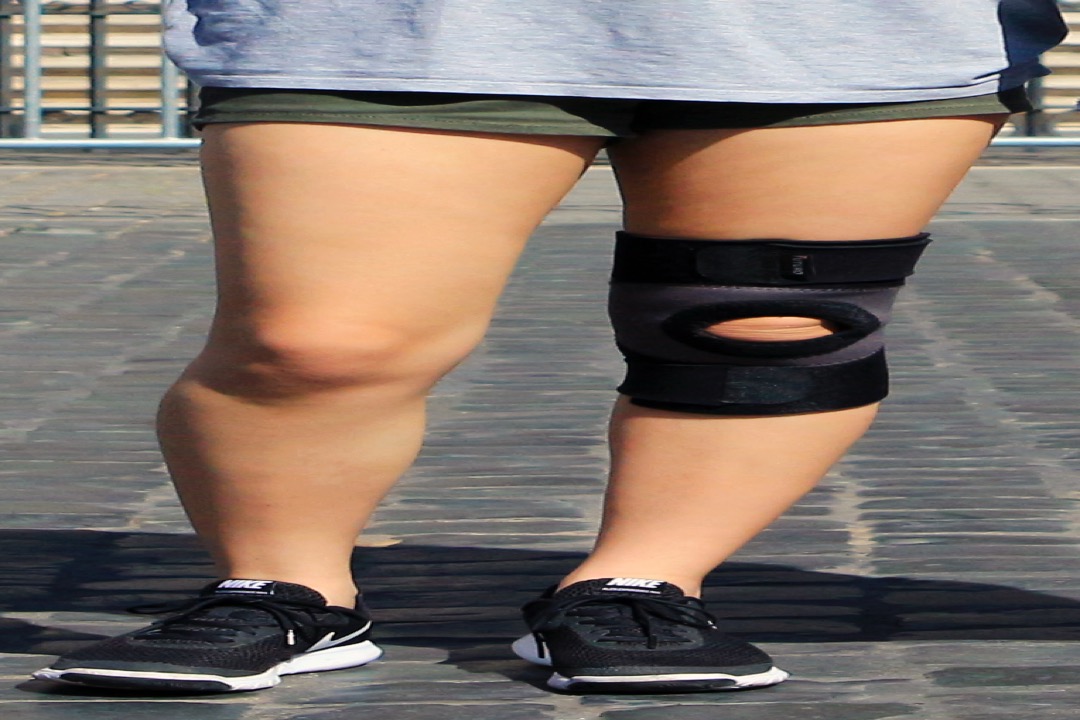
Knee pain is one of the most common musculoskeletal complaints in the United States, affecting an estimated 25% of adults and representing the most frequent reason for visits to orthopedic specialists. The knee joint is a complex structure — a convergence of the femur, tibia, and patella held together by four major ligaments (ACL, PCL, MCL, LCL), supported by two menisci, and tracked by the patellar tendon — and disruption to any of these structures produces distinct pain patterns that respond differently to different types of external support. Choosing the wrong knee brace for a specific condition is not merely ineffective; it can delay appropriate treatment or provide a false sense of security that allows further injury.
In 2026, we reviewed seven of the best-selling knee braces across every major support category — patellar stabilizers, compression sleeves, wraparound braces with spring stabilizers, and hinged clinical-grade designs. Our selections draw on Dr. David Taylor’s clinical experience with orthopedic durable medical equipment, systematic analysis of thousands of verified Amazon reviews, and the current orthopedic literature on knee orthosis effectiveness. We prioritized products with meaningful user review populations, clear design differentiation between categories, and clinical applicability across the most common presentations: patellofemoral pain syndrome, osteoarthritis, ACL and MCL sprains, meniscus injury, and general activity-related knee fatigue. For anyone managing a back injury alongside knee pain, see our best back braces guide for complementary lumbar support options.
Find the Best Knee Brace for Your Need
Jump straight to the pick that matches your injury or activity:
- Best knee braces overall — our seven picks reviewed
- Best knee brace for meniscus tears
- Best knee brace for ACL and MCL injuries
- Best knee brace for arthritis
- Best compression knee brace
- Best knee brace for running
- Best knee brace for hyperextension
- More use cases — sprains, tendonitis, instability
Understanding Knee Brace Categories Before You Shop
The most important decision in knee brace selection is not which brand to choose — it is which category of brace applies to your condition. The five functional categories span a wide range of clinical indications, and consumer marketing blurs these distinctions aggressively. A compression sleeve marketed for “ACL support” is not the same as a hinged brace with bilateral stabilizers; using the former for a significant ligament sprain provides essentially no protective benefit beyond placebo.
Compression sleeves provide circumferential graduated pressure that reduces swelling, improves proprioceptive feedback, and offers mild warmth — appropriate for mild arthritis, general activity-related fatigue, and athletes seeking preventive compression during sport. Patellar stabilizers use a buttress system to physically redirect patellar tracking during movement — appropriate for chondromalacia, patellofemoral pain syndrome, runner’s knee, and patellar subluxation. Wraparound braces with spring stabilizers add lateral support elements to basic compression, appropriate for mild MCL sprains and general instability during daily activity. Hinged braces with bilateral rigid stabilizers provide meaningful mechanical resistance to varus and valgus forces — appropriate for acute ligament sprains, meniscus injuries, and moderate instability. Post-surgical braces with adjustable range-of-motion stops are prescribed by surgeons and are not consumer-market purchases.
If you have a formal clinical diagnosis, ask your physician or physical therapist which category applies before selecting a specific product.
How We Selected These Knee Braces
Our selection required each product to demonstrate meaningful differentiation in design, clinical application, or user population served — not simply aesthetic variation on the same base design. We required a user review population large enough to draw reliable conclusions (at least 3,000 Amazon ratings) for the four ranked picks, and accepted smaller pools only where a product earns its place on clinical pedigree or a distinct design rather than crowd consensus — the CAMBIVO and the size-specific DonJoy listing are both noted as such in their reviews below. Beyond that we weighed brand heritage with documented orthopedic or sports medicine credibility, and at least one product covering each of the four consumer-accessible knee brace categories. Pricing range spans entry-level compression sleeves to premium clinical-grade hinged designs, ensuring this list serves buyers across the full spectrum from mild activity support to serious injury rehabilitation.
Best Knee Braces Overall
These are the seven knee braces that earned a place in this guide, each reviewed in full below. The POWERLIX is my best overall pick for the widest range of adults with non-traumatic knee pain; the use-case sections after the reviews then match a specific injury or activity — meniscus, ACL/MCL, arthritis, compression, running, and hyperextension — to the right pick from this same lineup.
1. POWERLIX Knee Brace with Patella Gel Pads & Medical-Grade Spring Support — Best Overall
The POWERLIX Knee Brace earns our best overall position by solving the most common clinical problem in the consumer knee-brace market: users with non-traumatic patellofemoral pain need both patella-specific support and modest lateral stability, and most products at this price point deliver only one or the other. POWERLIX’s combination of an anatomically contoured patella gel pad, bilateral medical-grade spring stabilizers, and a knit compression sleeve consolidates three brace categories into a single low-profile product — a clinically meaningful integration that a large base of Amazon reviewers has put to the test in daily use.
The patella gel pad is the defining feature for users managing patellar tracking pain, chondromalacia, and runner’s knee. The pad is anatomically contoured to sit over the kneecap rather than around it, cushioning the patella from direct compressive load during deep flexion while the surrounding knit fabric provides circumferential graduated compression — addressing both the symptomatic patellar pain and the diffuse joint swelling that frequently accompanies it. The medical-grade spring side stabilizers add bilateral resistance to mild varus and valgus stress, which is the practical reason POWERLIX outperforms simpler compression-only sleeves for users with combined patellar pain and mild lateral instability. The dual silicone anti-slip strips at the proximal and distal margins solve the migration problem that causes most sleeves to crawl proximally during activity, pulling the gel pad off the kneecap — POWERLIX’s reviews consistently confirm the silicone retention works as designed. For anyone also managing hip or ankle instability contributing to their knee malalignment, our ankle braces guide covers complementary lower extremity support options.

POWERLIX Knee Brace with Patella Gel Pads & Medical-Grade Spring Support
by POWERLIX
The most consumer-validated patellar support sleeve on Amazon — more than 22,000 reviews back the POWERLIX combination of gel pad patella support, spring stabilizers, and knit comfort at a sub-$20 entry price.
Pros
- Integrated patella gel pad combined with medical-grade spring side stabilizers delivers true patellar tracking support and lateral stability in a single low-profile sleeve — uncommon at this price point
- Knit compression construction with dual silicone anti-slip strips maintains brace position over the patella during squats, lunges, and stair climbing where most sleeves migrate proximally
- More than 22,000 Amazon reviews provide a sample size that exceeds most peer-reviewed clinical trials on knee orthoses — reliable signal across body types, activity levels, and conditions
- Sub-$20 entry price removes the financial barrier to trying a clinically-positioned brace before stepping up to hinged or DME-grade options
Cons
- Spring stabilizers and gel pad provide patella support and mild lateral resistance only — not a substitute for hinged bracing in ACL/MCL Grade II+ injuries or post-surgical recovery
- Knit fabric loosens after roughly three to four months of daily wear; expect to replace high-use sleeves within a year for consistent compression
2. Modvel Compression Knee Brace 2-Pack — Budget Pick
The Modvel 2-Pack compression sleeve has accumulated more than 80,000 Amazon reviews — a sample size that dwarfs most peer-reviewed clinical studies on knee brace effectiveness and provides a reliable signal across an extremely broad user population. For users managing mild-to-moderate knee pain without a diagnosis of significant structural pathology, the Modvel offers clinical-quality compression at a price point that removes any barrier to trying conservative management before pursuing more expensive interventions.
The 4-way stretch knit construction solves the most common complaint about knee compression sleeves: migration during activity. The non-slip silicone bead strip at the proximal and distal margins keeps the sleeve positioned over the patella during squatting, lunging, and stair climbing — activities that cause most competitor sleeves to crawl upward. The closed-patella design is appropriate here because the Modvel is targeting diffuse joint compression rather than patellar tracking correction; users who specifically need targeted patellar support should instead consider our POWERLIX Best Overall pick or the CAMBIVO. The 2-pack value proposition is practically relevant: users wearing a brace daily for arthritis or activity support need a second unit available for washing, and individual-sleeve pricing on comparable quality products is frequently higher than the Modvel pair price. The value extends further for users also considering a TENS unit for additional non-pharmacological pain management alongside compression bracing.

Modvel Compression Knee Brace for Women & Men, 2-Pack
by Modvel
Best-value knee compression sleeve on Amazon — more than 80,000 reviews validate the Modvel 2-pack as the go-to choice for mild knee pain and active compression.
Pros
- 2-pack value means you always have a clean brace ready — especially important for active users managing chronic knee pain during daily exercise
- 4-way stretch fabric with non-slip silicone strip provides graduated compression that stays in position without bunching during squats, running, or stair climbing
- Lightweight knit construction adds less than 1mm of bulk inside footwear — compatible with most athletic shoes without sizing up
- FSA/HSA eligible with more than 80,000 Amazon reviews making this one of the most extensively consumer-tested knee supports available
Cons
- Compression-only design provides no rigid stabilization — not appropriate for acute ligament injuries, significant instability, or post-surgical recovery
- Elastic compression loosens gradually over weeks of daily use; replacement every 3-4 months is realistic for high-frequency users
3. Sparthos Hinged Knee Brace with Dual Metal Side Stabilizers — Upgrade Pick
The Sparthos Hinged Knee Brace is the most clinically appropriate upgrade for users who have progressed beyond what a compression sleeve or patellar stabilizer can provide — specifically, users managing ACL Grade I-II sprains, MCL injuries, or significant meniscus pathology who require genuine lateral stability rather than compression alone. The dual aluminum hinged stabilizers mounted at the medial and lateral aspects of the joint provide mechanical resistance to varus and valgus forces that cannot be replicated by spring stabilizers or compression fabric.
The open patella design with gel pad ring addresses a common clinical coexistence: ACL and MCL injuries frequently occur alongside patellar contusion or chondral damage, and a hinged brace that also compresses the kneecap directly can worsen patellar symptoms even while stabilizing the ligaments. The Sparthos design accounts for this by providing an open center with cushioned periphery — appropriate for the mixed injury presentations common in athletic trauma. The four-strap closure system is worth the slightly longer application time: independent adjustment above and below the joint line allows users to tune thigh compression separately from calf compression, which matters clinically when swelling is asymmetrically distributed. At the upgrade price point, the Sparthos delivers meaningful clinical capability that moves it from consumer-grade into the territory of clinically recommended bracing for moderate ligament pathology.

Sparthos Hinged Knee Brace with Dual Metal Side Stabilizers
by Sparthos
The upgrade pick for users who need genuine ligament stabilization — dual aluminum hinges with open patella gel pad for ACL, MCL, and meniscus injury support.
Pros
- Dual aluminum hinged stabilizers provide bilateral medial-lateral support that compression sleeves and patellar braces cannot offer — directly stabilizes against valgus/varus stress
- Open patella design with gel pad ring relieves kneecap pressure while the hinges support the surrounding ligament structures
- 4mm neoprene construction with perforated inner webbing manages heat better than solid neoprene alternatives while maintaining therapeutic warmth
- Four adjustable hook-and-loop straps allow independent compression tuning above and below the knee joint line
Cons
- Neoprene and hinge assembly adds meaningful bulk — not compatible with slim-fitting athletic pants or dress trousers without visible outline
- Full hinge assembly requires more careful sizing and application than simpler sleeve designs — allow 5 minutes for correct fitting on first use
4. CAMBIVO Knee Brace with Side Stabilizers & Open Patella Gel Pad — Runner-Up
The CAMBIVO occupies the largest practical market segment for knee braces: users who need more than a compression sleeve but do not have a diagnosis that requires hinged bilateral stabilization. Its combination of dual spring-loaded metal side stabilizers and an open-patella gel pad addresses the two most common complaints in this population — lateral knee instability during uneven terrain or pivoting movements, and direct patellar discomfort during knee flexion. The spring stabilizers are not equivalent to aluminum hinges, but for mild MCL sprains, general instability, and meniscus protection during daily activity, they provide meaningful mechanical support.
The wraparound hook-and-loop design is what makes the CAMBIVO practical for the widest range of users. Because it opens flat and wraps on rather than pulling over the foot, it suits arthritic hands and post-injury swelling far better than a pull-on sleeve, and the closure is lab-tested to over 5,000 fastenings. Reviewers consistently report it stays in position better than basic sleeves, the open-patella gel pad provides genuine comfort during stairs and prolonged walking, and the dual side mesh ventilation panels keep heat buildup manageable across an 8-hour day. The fabric carries OEKO-TEX STANDARD 100 certification — meaningful for a product worn in direct skin contact for hours at a time. The recurring limitation — spring stabilizers insufficient for significant instability, and hook-and-loop grip that can fade under heavy daily use — is accurately reflected in our cons and buyers guide.

CAMBIVO Knee Brace with Side Stabilizers & Open Patella Gel Pad
by CAMBIVO
Runner-up for its open-patella gel pad plus spring stabilizer combination in a true wraparound design — a 2-year warranty and OEKO-TEX certified fabric make it the most versatile all-in-one knee support at an accessible price.
Pros
- Dual spring-loaded metal side stabilizers plus a medical-grade open-patella gel pad address lateral stability and patellar tracking in a single wraparound design
- Hook-and-loop wraparound closure lets you tune compression above and below the joint without removing the brace, and lab-tested to 5,000+ fastenings
- Dual side mesh ventilation panels and OEKO-TEX certified fabric keep it breathable enough for all-day wear under pants
- FSA/HSA eligible with a 2-year limited warranty — recovery reviewers report returning to light sport at 3–4 weeks after MCL and meniscus injuries
Cons
- Spring stabilizers provide moderate lateral support only — not adequate for significant ACL/MCL instability or post-surgical use where rigid bilateral hinges are required
- Sizing runs small for users with wider thighs; measure thigh circumference 3 inches above the kneecap rather than trusting generic S/M/L labels
- Hook-and-loop can lose grip within weeks under heavy daily use, per a recurring minority of reviews
5. DR. BRACE ELITE Knee Brace with Side Stabilizers & Patella Gel Pads
The DR. BRACE ELITE differentiates itself from the CAMBIVO with two specific engineering improvements: dual patella gel pads instead of a single pad, and non-slip silicone interior strips instead of relying on strap tension alone to maintain position. Both are meaningful in practice. Dual gel pads distribute patellar cushioning across a larger surface area, reducing the peak pressure concentration that a single circular pad creates at its margins — more comfortable for users with sensitive patellar tissue. The silicone interior strips address the fundamental limitation of most wrapped knee braces: during dynamic activity, the brace migrates proximally as thigh muscles contract, pulling the patellar aperture away from the kneecap. The interior texture prevents this migration more reliably than additional strap tension, which constricts circulation to compensate for a positional problem.
The breathable high-elastic fabric is the other significant advantage over neoprene alternatives in this price range. For users who wear a knee brace during an 8-hour workday or during extended outdoor activity, the moisture management difference between neoprene and engineered fabric is clinically relevant — heat and sweat accumulation under neoprene causes skin irritation, maceration, and ultimately non-compliance with the brace. The sizing inconsistency across colorways is a genuine drawback that requires careful attention; the manufacturer’s recommendation to watch the sizing video before purchasing is not marketing language — it reflects real variation between product runs.

DR. BRACE ELITE Knee Brace with Side Stabilizers & Patella Gel Pads
by DR. BRACE
Best-reviewed combination brace for patellar cushioning and lateral stability — dual gel pads and non-slip silicone lining address the most common brace failure modes.
Pros
- Upgraded dual patella gel pads provide superior patellar cushioning versus single-pad competitors, distributing pressure across a wider kneecap surface area
- Non-slip silicone interior strips prevent brace migration during dynamic movement — validated across 9,800+ reviews as a key differentiator from sliding competitors
- Reinforced side stabilizers deliver firmer lateral support than standard spring designs while remaining more comfortable than full rigid-hinge systems
- High-elastic breathable fabric with ventilation channels manages moisture during extended active wear better than solid neoprene
Cons
- Sizing is notably inconsistent between colorways — the manufacturer recommends measuring thigh circumference and consulting the video sizing guide before purchasing
- Patella gel pads are fixed rather than removable, limiting adaptation for users who prefer or require varying patella compression levels
6. DonJoy Drytex Sport Hinged Knee Wraparound
One purchasing note before the review itself. DonJoy lists each size of this brace as its own Amazon product, and the Medium listing we previously linked has been discontinued. We now link the Large. If you need a different size, search the same brace name rather than assuming the link covers all sizes, and measure your thigh and calf against DonJoy’s sizing chart rather than ordering by pant size — this brace runs large, and it is the most common complaint in its reviews. One consequence of the per-size listings is that each carries its own review pool, so the Large shows a couple of hundred reviews rather than the thousands the brace has accumulated across all sizes.
The DonJoy Drytex Sport represents the premium end of the consumer-accessible knee brace market — a product that bridges the gap between consumer-market designs and the clinical-grade functional knee braces prescribed by orthopedic surgeons. Its bilateral rigid hinges with integrated motion stops are mechanically equivalent to what patients receive in clinical bracing after ACL reconstruction or significant ligament repair, adapted to a consumer-accessible format and price point. The Drytex fabric, developed specifically for sustained activity bracing, manages moisture substantially better than any neoprene-based alternative in this review — a meaningful advantage for users returning to sport after injury who need to wear a brace during practice and competition.
The wraparound application design — which allows donning without removing footwear — is a practical advantage that athletic trainers and physical therapists particularly appreciate. Return-to-sport bracing is worn over long sessions and must be adjustable mid-activity; the strap closure system on the Drytex allows this adjustment without the brace user having to remove the brace entirely for repositioning. The clinical recommendation frequency for this design is high enough that users presenting to physical therapy after ACL or MCL injury should specifically ask their treating therapist whether the Drytex would be appropriate for their return-to-sport protocol — it frequently is, and it is available at a fraction of the cost of custom-fitted functional braces prescribed through a DME supplier.

DonJoy Drytex Sport Knee Brace (Large)
by DonJoy
The clinical-grade wraparound hinged brace used in orthopedic rehabilitation — Drytex fabric and rigid bilateral hinges for ligament injury recovery and return-to-sport.
Pros
- Bilateral rigid hinges with integrated hinge stops allow controlled range-of-motion restriction — the same hinge technology used in clinical-grade post-operative bracing
- Drytex fabric construction wicks moisture significantly better than neoprene alternatives, maintaining comfort during extended rehabilitation activity or sport
- Wraparound application design allows donning over clothing or directly on the skin without requiring removal of footwear — important for athletic mid-session adjustments
- DonJoy's clinical orthopedic positioning means this brace is frequently recommended by orthopedic surgeons and physical therapists for return-to-sport after ligament injury
Cons
- Premium price reflects clinical heritage and hinge quality — not warranted for users managing mild or occasional knee pain who would benefit equally from a simpler design
- Sizing runs large in thigh circumference — measure against DonJoy's sizing chart rather than ordering by pant size, and check the size tag on arrival
- Each size is a separate Amazon listing with its own review pool, so this Large listing shows far fewer reviews than the brace's overall clinical reputation would suggest
7. NEENCA Professional Hinged Knee Brace with X-Strap Fixing System
The NEENCA Professional earns its place in this review through a genuinely novel engineering solution to a common brace failure mode. The patented X-Strap Fixing System — which crosses from the posterior knee outward to anchor against the proximal and distal brace panels — addresses the migration problem from both directions simultaneously. Standard hook-and-loop straps provide horizontal retention only; the X-strap adds anterior-to-posterior anchorage that prevents the upward creep that occurs when the brace is applied and the user stands or begins walking. For users with larger thigh circumferences — where the leverage forces pulling the brace upward are proportionally greater — this design difference is practically significant.
The removable bilateral stabilizer system is the other standout feature. Many users’ knee support needs change across activities: the same patient managing osteoarthritis may need only light compression during sedentary office work but benefit from full lateral stabilization during a grocery run or outdoor walk. The NEENCA’s ability to configure as a compression-only sleeve (stabilizers removed) or a supported stabilizer brace (inserts in place) within the same product reduces the need to purchase multiple braces for different activity contexts. The medical-grade designation and FSA/HSA eligibility expand its accessibility for users managing chronic conditions with tax-advantaged health spending funds.

NEENCA Professional Hinged Knee Brace with X-Strap Fixing System
by NEENCA
The most adaptable knee brace on this list — NEENCA's patented X-Strap anchoring and removable stabilizers serve users from mild compression through full ligament support.
Pros
- Patented X-Strap Fixing System crosses from the back of the knee to anchor the brace front-to-back, eliminating the upward migration that standard strap-only designs experience during activity
- Removable bilateral side stabilizers allow the brace to function as either a reinforced compression sleeve (stabilizers out) or a supported hinged brace (stabilizers in) — two braces in one
- Open patella and open popliteal design reduces pressure on both the kneecap and the posterior knee vessels, improving circulation during extended wear
- FSA/HSA eligible; NEENCA's Professional line carries a medical-grade designation appropriate for clinical recommendation
Cons
- X-Strap system requires a 3-5 minute application learning curve — users who need quick sideline or emergency application will prefer simpler closure designs
- Removable stabilizer pockets add slight bulk at the medial and lateral aspects — may cause minor fit interference in very slim knee profiles
Best Knee Brace for Meniscus Tears
A meniscus tear needs a brace that controls rotation and side-to-side shear while cushioning the joint line — which is why hinged and stabilizer designs dominate this category rather than plain sleeves. Match the level of support to the severity: a confirmed tear awaiting or recovering from surgery needs rigid stabilization, while a mild degenerative tear managed conservatively does well with a wraparound stabilizer.
| Product | Price | Buy |
|---|---|---|
| Sparthos Hinged Knee Brace with Dual Metal Side StabilizersBest overall for meniscus tears Dual aluminum hinges resist the valgus/varus shear that aggravates a torn meniscus, with an open-patella gel ring for comfort during flexion | $19.97 | View on Amazon |
| CAMBIVO Knee Brace with Side Stabilizers & Open Patella Gel PadBest for daily meniscus protection Spring stabilizers plus an open-patella gel pad give moderate protection for a mild tear you're managing without surgery | $19.99 | View on Amazon |
| DonJoy Drytex Sport Knee Brace (Large)Best for post-op meniscus recovery Rigid bilateral hinges with motion stops match what surgeons prescribe after meniscus repair for controlled range of motion | $59.47 | View on Amazon |
Best Knee Brace for ACL and MCL Injuries
Ligament sprains — ACL, MCL, and combined injuries — are the one category where compression sleeves are genuinely inadequate. You need mechanical resistance to valgus and varus stress, which only a hinged brace with rigid or semi-rigid bilateral stabilizers can provide. For Grade II+ sprains or return-to-sport, step up to true rigid hinges.
| Product | Price | Buy |
|---|---|---|
| DonJoy Drytex Sport Knee Brace (Large)Best for ACL/MCL rehab & sport Clinical-grade rigid hinges with motion stops — the same mechanism used in post-reconstruction bracing, in a wraparound you can don over clothing | $59.47 | View on Amazon |
| Sparthos Hinged Knee Brace with Dual Metal Side StabilizersBest value hinged support Dual aluminum hinges deliver genuine ligament stabilization at a fraction of clinical-brace pricing for Grade I–II sprains | $19.97 | View on Amazon |
| NEENCA Professional Hinged Knee Brace with X-Strap Fixing SystemBest adjustable ligament support Removable stabilizer inserts and an X-strap anchor let you dial support up or down as the ligament heals | $59.89 | View on Amazon |
Best Knee Brace for Arthritis
For osteoarthritis, the goal is warmth, compression, and easy all-day wearability rather than maximum rigidity — the joint needs circulation and swelling control, and the brace has to be comfortable enough to actually wear every day. Ease of application matters most for older hands.
| Product | Price | Buy |
|---|---|---|
| POWERLIX Knee Brace with Patella Gel Pads & Medical-Grade Spring SupportBest overall for arthritis Knit compression with a patella gel pad delivers warmth and swelling control plus mild lateral support in a sleeve you can wear all day | $14.44 | View on Amazon |
| Modvel Compression Knee Brace for Women & Men, 2-PackBest budget for arthritis A 2-pack of breathable compression sleeves at the lowest per-brace cost — always have a clean one ready for daily arthritis wear | $24.99 | View on Amazon |
| NEENCA Professional Hinged Knee Brace with X-Strap Fixing SystemBest for elderly & easy application Wraparound X-strap opens flat and wraps on rather than pulling over the foot — far easier for arthritic hands and limited dexterity | $59.89 | View on Amazon |
Best Compression Knee Brace
A true compression brace controls swelling and improves proprioception without rigid hardware — ideal for mild pain, daily support, and sport. The trade-off is support level: pick a plain sleeve for lowest bulk, or a sleeve with an integrated gel pad if you also have patellar pain.
| Product | Price | Buy |
|---|---|---|
| Modvel Compression Knee Brace for Women & Men, 2-PackBest value compression 4-way stretch knit with a non-slip silicone strip gives graduated compression in a featherweight 2-pack that fits inside footwear | $24.99 | View on Amazon |
| POWERLIX Knee Brace with Patella Gel Pads & Medical-Grade Spring SupportBest compression with patella support Adds an anatomically contoured patella gel pad to the compression sleeve for users with combined swelling and kneecap pain | $14.44 | View on Amazon |
| DR. BRACE ELITE Knee Brace with Side Stabilizers & Patella Gel PadsBest cushioned compression Dual gel pads and non-slip interior strips deliver the most cushioned compression for sensitive patellar tissue | $27.97 | View on Amazon |
Best Knee Brace for Running
Runners typically need patellar tracking support and light lateral stability without bulk that interferes with stride — runner’s knee (patellofemoral pain) is the most common running complaint, and a low-profile sleeve with a patella pad addresses it directly.
| Product | Price | Buy |
|---|---|---|
| POWERLIX Knee Brace with Patella Gel Pads & Medical-Grade Spring SupportBest for runner's knee The patella gel pad plus spring stabilizers target the patellofemoral pain that drives most runner's-knee complaints, in a low-profile sleeve | $14.44 | View on Amazon |
| CAMBIVO Knee Brace with Side Stabilizers & Open Patella Gel PadBest for trail & uneven terrain Open-patella gel pad and spring stabilizers add lateral stability for pivoting and uneven ground without full hinge bulk | $19.99 | View on Amazon |
| Modvel Compression Knee Brace for Women & Men, 2-PackBest lightweight for daily miles The lowest-bulk sleeve here — graduated compression and proprioceptive feedback for easy daily runs, in a 2-pack | $24.99 | View on Amazon |
Best Knee Brace for Hyperextension
Hyperextension — the knee bending backward past neutral — requires a brace that mechanically blocks end-range extension. Only hinged designs, ideally with motion stops, can limit that motion; a sleeve cannot.
| Product | Price | Buy |
|---|---|---|
| DonJoy Drytex Sport Knee Brace (Large)Best for controlling hyperextension Integrated hinge motion stops are the only mechanism here that can physically limit end-range extension, as used in clinical bracing | $59.47 | View on Amazon |
| Sparthos Hinged Knee Brace with Dual Metal Side StabilizersBest value hinged Dual aluminum bilateral hinges restrict abnormal motion at a consumer price for milder hyperextension tendencies | $19.97 | View on Amazon |
| NEENCA Professional Hinged Knee Brace with X-Strap Fixing SystemBest adjustable hinged Removable rigid inserts let you add hinged extension resistance only when an activity demands it | $59.89 | View on Amazon |
Best Knee Braces by Use Case
Beyond the categories above, these picks match the most common specific situations readers ask about. Each links straight to Amazon for current pricing and availability.
| Product | Price | Buy |
|---|---|---|
| Sparthos Hinged Knee Brace with Dual Metal Side StabilizersBest for a sprained knee Hinged stabilizers protect a sprained knee from re-injury while the ligaments settle | $19.97 | View on Amazon |
| POWERLIX Knee Brace with Patella Gel Pads & Medical-Grade Spring SupportBest for jumper's knee / patellar tendonitis The patella gel pad offloads the patellar tendon that jumper's knee overloads | $14.44 | View on Amazon |
| DonJoy Drytex Sport Knee Brace (Large)Best for chronic instability Rigid hinges with motion stops give the most secure support for a knee that gives way | $59.47 | View on Amazon |
| NEENCA Professional Hinged Knee Brace with X-Strap Fixing SystemBest for large thighs & plus size The X-strap anchoring and removable inserts fit larger thigh circumferences without migrating | $59.89 | View on Amazon |
| DR. BRACE ELITE Knee Brace with Side Stabilizers & Patella Gel PadsBest for football & contact sports Reinforced side stabilizers and a secure wraparound hold up to contact and lateral hits | $27.97 | View on Amazon |
Buyer's Guide
Selecting the right knee brace requires matching the brace type, support level, and material to your specific diagnosis, activity demands, and daily wear requirements — the same product that works well for an athlete with mild patellar pain will be inadequate for someone managing post-surgical ACL rehabilitation.
Brace Type and Clinical Indication
Knee braces fall into five functional categories: compression sleeves (graduated compression only), patellar stabilizers (patella-specific tracking control), wraparound braces with spring stabilizers (moderate lateral support with patella protection), hinged braces (bilateral rigid or semi-rigid hinge stabilization for ligament injuries), and post-surgical immobilizers (maximum restriction). Matching the category to the diagnosis is more important than any other selection factor. Using a compression sleeve for an ACL sprain provides inadequate support; using a rigid hinged brace for mild runner's knee is unnecessarily restrictive. If you have a physician's or physical therapist's diagnosis, ask them to specify the brace category before evaluating individual products.
Support Level and Hinge Design
Within hinged brace designs, the hinge mechanism determines the clinical value. Polycentric hinges replicate the natural two-axis rotation of the knee, making them more comfortable during extended activity and a better fit for return-to-sport protocols. Simple bilateral spring stabilizers limit varus and valgus stress but do not control rotation. Rigid hinges with adjustable flexion-extension stops are used post-operatively to allow controlled progressive range of motion recovery. Most consumer-market braces use spring or semi-rigid stabilizers — appropriate for acute sprains and activity modification but not equivalent to clinical-grade hinged braces prescribed after surgery.
Fit and Sizing Accuracy
Knee brace fit is measured at the mid-patella circumference or thigh circumference depending on the brace design — not at generic small/medium/large labels. Measure with a soft tape before purchasing and compare against the manufacturer's published size chart. Many popular brands run small or inconsistently between colorways, as noted in user reviews throughout this list. A brace that is too large migrates during activity, shifting stabilizer pads away from the intended anatomical position. A brace that is too tight restricts circulation and may cause numbness or tingling. When in doubt, size up and use the adjustment straps to achieve compression — you cannot compensate for a brace that is too small.
Material and Breathability
Neoprene is the traditional knee brace material — it provides therapeutic warmth, good durability, and firm compression, but retains heat and moisture during extended wear. For users wearing a brace more than two to three hours continuously, heat accumulation in neoprene can cause skin irritation and significantly reduce compliance. Modern alternatives include perforated neoprene (moderate improvement), Drytex and moisture-wicking fabrics (substantial improvement in moisture management), and knit compression fabrics (best breathability, lowest thermal retention). If you plan to wear a brace during physical activity or in warm environments, prioritize fabric breathability as a primary selection criterion rather than an afterthought.
Patella Opening Design
Whether a knee brace has an open or closed patellar design has direct clinical implications. Open-patella designs expose the kneecap through a circular or oval aperture, relieving direct pressure on the patella during flexion — important for chondromalacia, post-surgical swelling, and patients with sensitive patellar tissue. Closed-patella designs provide circumferential compression including over the kneecap, which is appropriate for diffuse joint swelling control and general compression. Some designs combine an open patella with a gel pad ring that cushions the patellar perimeter without compressing the center of the kneecap — useful for patellar tendonitis and patellar tracking conditions. Neither design is universally superior; the choice depends on whether direct patellar pressure is a problem for the specific condition.
Activity Level and Brace Profile
The intended activity determines acceptable brace bulk and application complexity. For competitive athletics and return-to-sport after injury, low-profile braces that fit inside standard footwear or under athletic gear are essential — the DonJoy and Sparthos hinged options in this review fit this requirement. For occupational use during physical labor, durability and secure retention under sustained bending and lifting loads are the priority. For desk workers and light daily activity, comfort during prolonged sitting and breathability matter more than maximum support. For elderly users managing chronic osteoarthritis, ease of application (limited hand strength and dexterity) is often the decisive factor — braces with simple pull-on designs or large Velcro tabs are more likely to be worn consistently, which is clinically more important than any individual brace feature.
Final Verdict
For most people managing knee pain without a specific diagnosis of ligament injury, our Best Overall pick — the POWERLIX Knee Brace with Patella Gel Pads and Medical-Grade Spring Support — delivers the best combination of patella-specific cushioning, mild lateral stability, and practical wearability. Its anatomically contoured patella gel pad and bilateral spring stabilizers address the most common underlying mechanisms of non-traumatic knee pain, and a verified-review pool north of 22,000 makes it the most thoroughly consumer-validated patella-support brace in this roundup.
For budget-conscious buyers managing mild knee pain or seeking compression support during activity, the Modvel Compression Knee Brace 2-Pack is the evidence-backed entry point — more than 80,000 user reviews confirm it as the most thoroughly consumer-validated compression sleeve on the market, and the 2-pack pricing makes consistent daily use economically practical. For users who have confirmed ligament pathology — ACL, MCL, or significant meniscus injury confirmed by clinical exam or MRI — step up to the Sparthos Hinged Knee Brace or, for return-to-sport requirements, the DonJoy Drytex Sport. As with all orthopedic supports, we recommend using knee bracing in conjunction with, not as a substitute for, a formal physical therapy program targeting quadriceps strength, hip abductor stability, and proprioceptive retraining — the structures that ultimately protect the knee joint from reinjury after the brace comes off. Consult your physician or physical therapist to confirm the appropriate brace category for your specific condition before purchasing.
Frequently Asked Questions
What type of knee brace do I need for my condition?
Should I wear a knee brace on the inside or outside of my clothing?
How long should I wear a knee brace each day?
Can knee braces worsen my condition or cause muscle weakness?
What is the difference between a patellar stabilizer and a compression sleeve?
Does wearing a knee brace help a torn meniscus?
What is the best knee brace for arthritis?
Are knee braces covered by insurance or FSA/HSA accounts?
Related Articles
About the Reviewer

Dr. David Taylor, MD, PhD
Drexel University College of Medicine (MD), Indiana University School of Medicine (PhD)
Dr. David Taylor is a licensed physician and medical researcher who founded BestRatedDocs in 2016. With an MD from Drexel University and a PhD from Indiana University School of Medicine, he combines clinical expertise with a passion for health technology to provide evidence-based product recommendations. Dr. Taylor specializes in health informatics and regularly evaluates medical devices, diagnostic equipment, and therapeutic products to help healthcare professionals and patients make informed decisions.