7 Best Carpal Tunnel Wrist Splints of 2026
Dr. David Taylor reviews the best carpal tunnel wrist splints on Amazon for nighttime relief, daytime support, and post-surgery recovery. Compare splint types, materials, and sizing by clinical effectiveness.
Updated
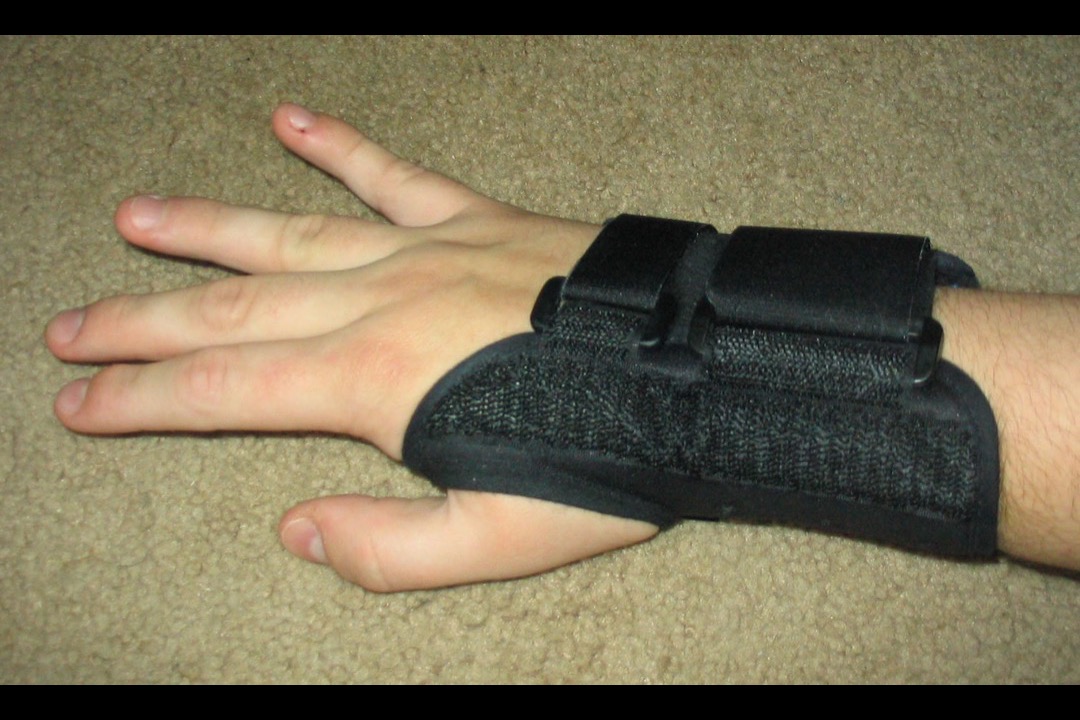
Carpal tunnel syndrome is the most common peripheral nerve entrapment in the United States, affecting an estimated 4 to 5 percent of the general population according to the American Academy of Orthopedic Surgeons. The condition develops when the median nerve — which passes through a narrow fibro-osseous channel at the wrist called the carpal tunnel — becomes compressed by swollen flexor tendons, thickened transverse carpal ligament, or fluid retention. The result is a predictable constellation of symptoms: numbness and tingling in the thumb, index, middle, and ring fingers, pain that radiates into the forearm, grip weakness, and the nighttime awakening that drives most patients to seek treatment in the first place.
Wrist splinting is the first-line conservative treatment for mild-to-moderate carpal tunnel syndrome and the only non-pharmacological intervention supported by Level I evidence from randomized controlled trials. The mechanism is straightforward: a rigid or semi-rigid splint holds the wrist in neutral alignment (zero degrees of flexion and extension), which maximizes the cross-sectional area of the carpal tunnel and minimizes pressure on the median nerve. Research using intracarpal pressure transducers has demonstrated that even 15 degrees of wrist flexion can double the pressure inside the carpal tunnel — and the wrist naturally flexes during sleep, which is why CTS symptoms characteristically worsen at night.
At BestRatedDocs.com, our team reviewed the carpal tunnel splint evidence base alongside tens of thousands of verified Amazon customer reviews, hand surgery clinical guidelines, and electrodiagnostic outcome studies to identify the seven best carpal tunnel wrist splints available in 2026. We applied the same methodology used across our elbow brace and shoulder brace reviews: real clinical context, honest trade-off analysis, and product recommendations organized by how you will actually use the splint — not just by star rating or brand name.
Our selection spans the full spectrum of CTS management needs: rigid triple-splint designs for daytime immobilization, comfortable semi-rigid braces for overnight wear, surgeon-designed medical-grade options for post-surgical recovery, and budget-friendly entry points for patients beginning conservative treatment. Every ASIN was confirmed live on Amazon before publication. Here is what we found.
After evaluating over a dozen wrist splint models and analyzing more than 150,000 combined verified user reviews, our top picks cover every severity level and wearing scenario. The comparison table below shows all seven side-by-side.
How We Selected These Wrist Splints
Our selection criteria prioritized four dimensions: clinical mechanism (does the splint maintain verified neutral wrist positioning), real-world compliance (is it comfortable enough that patients will actually wear it for the prescribed duration), verified user experience from Amazon review aggregates, and design credibility (physician-designed, FDA-registered, or backed by clinical data). We deliberately included products across the full price and rigidity spectrum because CTS severity varies widely — a patient with mild intermittent nighttime tingling and a patient recovering from endoscopic carpal tunnel release have fundamentally different splinting needs. Products were excluded if their splint mechanism failed to maintain neutral alignment in user reports, if sizing was persistently unreliable, or if construction quality reviews indicated degradation within the first three months of use.
FEATOL Wrist Brace for Carpal Tunnel

FEATOL Wrist Brace for Carpal Tunnel, Adjustable Wrist Support Brace with Splints
by FEATOL
The FEATOL delivers the most robust wrist stabilization in its price range — a triple-splint system with 38K verified reviews makes it the strongest all-around carpal tunnel splint available.
Pros
- Triple-splint system — one removable metal rod and two fixed plastic splints — delivers multi-axis wrist stabilization that maintains neutral alignment more reliably than single-splint designs
- Three independently adjustable Velcro straps allow precise tension customization across the palm, wrist, and forearm without overtightening any single zone
- Available in three sizes (S/M, M/L, L/XL) with clear measurement guidance, reducing the sizing uncertainty common in one-size-fits-most wrist braces
- Nearly 38,000 Amazon reviews with a 4.6 rating and Amazon Best Seller status provide the strongest real-world validation of any wrist splint in this category
Cons
- Single-hand design requires purchasing left and right separately for bilateral carpal tunnel syndrome
- Metal splint rod can shift position during sleep if the brace loosens overnight, reducing neutral wrist positioning
- Breathability is limited during extended daytime wear in warm environments; the padded interior traps heat
The FEATOL earns our Best Overall pick because it solves the fundamental engineering challenge of CTS splinting: maintaining rigid neutral wrist alignment across multiple planes of motion while remaining comfortable enough for extended wear. The triple-splint system — one removable metal rod on the dorsal side and two fixed plastic splints flanking the wrist — prevents both flexion and ulnar/radial deviation simultaneously. Most competing splints at this price point use a single dorsal metal rod, which controls flexion but allows the wrist to deviate laterally under load.
The three independently adjustable Velcro straps are the second key differentiator. By allowing separate tension control at the palm, wrist crease, and proximal forearm, the FEATOL accommodates the natural anatomical taper of the forearm without creating the pressure points or circulation restrictions that single-closure designs often produce. This matters clinically because the median nerve is already under compression — a splint that adds circumferential pressure at the wrist crease can worsen rather than alleviate symptoms.
With nearly 38,000 verified reviews and a 4.6 average rating, the FEATOL has the deepest real-world validation of any rigid wrist splint on Amazon. The most consistent positive theme across user reviews is the perceived rigidity and quality of wrist immobilization — users report that the triple-splint system noticeably prevents the unconscious wrist flexion that triggers overnight numbness. The primary complaints center on heat retention during daytime wear and occasional metal rod migration during sleep. For the majority of CTS patients seeking a versatile day-and-night splint at an accessible price point, the FEATOL delivers the best combination of clinical mechanism, user validation, and value.
Rakiie Carpal Tunnel Wrist Brace

Rakiie Carpal Tunnel Wrist Brace with 3 Stays
by Rakiie
The Rakiie proves that effective carpal tunnel splinting does not require a premium price — three aluminum bars and an ultralight build at under ten dollars make this the best entry point.
Pros
- Under ten dollars delivers three aluminum stabilizing bars — matching the splint count of braces at twice the price
- Zero-pressure thumb design allows full thumb mobility for typing, gripping, and daily tasks while the wrist remains immobilized
- Ultralight 85-gram construction is the lightest wrist splint in this review, reducing the fatigue and heat associated with heavier braces during all-day wear
- Amazon's Choice designation with a 4.5 rating across 3,000 reviews demonstrates strong early market validation
Cons
- Newer product with fewer total reviews than established competitors — long-term durability data is limited
- Single-hand design sold separately for left and right
- Sizing runs small according to user reviews; ordering one size up is advisable for borderline measurements
The Rakiie earns our Budget pick by demonstrating that effective carpal tunnel splinting does not require a premium price. At under ten dollars, it delivers three aluminum stabilizing bars — matching the splint count of the FEATOL at a fraction of the cost — and adds a zero-pressure thumb design that leaves the thumb completely free for typing, gripping, and daily hand function. For patients beginning conservative CTS management who are uncertain whether they will tolerate nightly splinting, the Rakiie removes the financial barrier to trying evidence-based treatment.
The 85-gram weight is the lightest in this review by a significant margin. Weight matters for overnight compliance because heavier braces create a sensation of encumbrance that causes light sleepers to remove the splint unconsciously. The mesh panel construction also provides superior airflow compared to neoprene or padded alternatives — a relevant advantage for warm sleepers and hot-climate users. The aluminum bars provide adequate dorsal and lateral wrist stabilization for mild-to-moderate CTS, though they are not as rigid as the steel rods used in the OrthoMD or FEATOL.
The honest limitation is the smaller review base. With approximately 3,000 reviews versus tens of thousands for established competitors, the long-term durability signal is less statistically reliable. User reports also note that sizing runs small — measuring carefully and ordering one size up at borderline measurements is advisable. For patients with mild CTS who need an affordable, lightweight entry point into conservative splinting, the Rakiie is a clinically sound choice. For moderate-to-severe CTS or post-surgical immobilization, step up to the FEATOL or OrthoMD.
OrthoMD Carpal Tunnel Wrist Brace

OrthoMD Carpal Tunnel Wrist Brace - Designed by Orthopedic Hand Surgeon
by OrthoMD
The OrthoMD is the clinical-grade option for patients who want surgeon-designed immobilization — ideal for post-surgical recovery and moderate-to-severe CTS management.
Pros
- Designed by orthopedic hand surgeon Dr. Andrew Yang MD — the only splint in this review with a named physician-designer and documented clinical design rationale
- Medical-grade construction suitable for post-surgical carpal tunnel release recovery, filling a gap between consumer braces and prescription-only orthoses
- Highest average rating (4.7) of any wrist splint in this review, indicating strong satisfaction even among clinically demanding users
- Post-surgery suitable design provides the level of immobilization appropriate for the first two to four weeks following endoscopic or open carpal tunnel release
Cons
- Most expensive single-brace option in this review at nearly double the FEATOL price
- Fewer than 1,000 reviews limits the statistical confidence in long-term durability and edge-case sizing issues
- Available in only three sizes (S, M, L) — users with very small or very large wrists may find the fit suboptimal
The OrthoMD occupies a distinct clinical tier in this review: it is the only wrist splint designed by a named orthopedic hand surgeon (Dr. Andrew Yang, MD) and explicitly marketed for post-surgical carpal tunnel release recovery. This matters because the immobilization requirements after endoscopic or open carpal tunnel release differ meaningfully from those of conservative CTS management — the surgical site requires stable positioning to protect the healing transverse carpal ligament while allowing controlled finger and thumb mobility to prevent tendon adhesions.
The medical-grade construction provides firmer overall immobilization than consumer-grade splints. The integrated rigid splint (rather than a removable metal rod) eliminates the rod migration issue cited in user reviews of the FEATOL and Dr. Arthritis braces. The higher price point reflects both the medical-grade materials and the physician-designed provenance — whether this premium is justified depends on the patient’s clinical need. For post-surgical recovery where immobilization quality directly affects surgical outcomes, the investment is clearly warranted. For mild nocturnal CTS where the FEATOL or Rakiie would be adequate, the OrthoMD is more splint than most patients require.
The 4.7 average rating is the highest in this review, though the sub-1,000 review count means this reflects a smaller sample. Early adopter reviews consistently praise the build quality, rigidity, and comfort during extended wear — particularly the balance between firm wrist immobilization and preserved finger dexterity that post-surgical patients require. For patients whose hand surgeon recommends an over-the-counter splint for post-operative management, the OrthoMD is the strongest commercially available option.
ComfyBrace Night Wrist Sleep Support Brace

ComfyBrace 2-Pack Night Wrist Sleep Support Brace
by ComfyBrace
The ComfyBrace 2-pack is the overnight CTS specialist — 50K reviews, bilateral coverage, and palm cushion beads make it the top choice for patients whose symptoms peak during sleep.
Pros
- Over 50,000 Amazon reviews — the largest verified review base of any wrist splint on the platform — provides unmatched real-world data on comfort and effectiveness
- Two-pack includes braces for both hands, addressing the bilateral CTS that affects an estimated 50 to 60 percent of carpal tunnel patients
- Palm cushion beads reduce pressure on the thenar eminence during sleep, targeting the discomfort that causes many patients to remove their splints overnight
- Lifetime Comfy4Life warranty eliminates replacement cost risk for a product category where Velcro and stitching commonly degrade within six to twelve months
Cons
- Designed primarily for nighttime use — the softer construction provides insufficient rigid immobilization for daytime activity-related CTS management
- One-size-fits-most design may not accommodate users with very small or very large wrists, and adjustability is limited compared to multi-strap designs
- Less rigid splint construction than the FEATOL or OrthoMD — wrist flexion restriction is moderate rather than firm
The ComfyBrace 2-pack addresses the most common CTS splinting scenario with clinical precision: bilateral nighttime symptoms that wake patients from sleep. An estimated 50 to 60 percent of carpal tunnel patients experience symptoms in both hands, and nocturnal wrist flexion is the primary mechanical trigger. The ComfyBrace solves both problems in a single purchase — a two-pack that covers both hands in an ambidextrous design optimized specifically for overnight comfort rather than daytime rigidity.
The palm cushion bead feature addresses a real compliance barrier in overnight CTS splinting. Rigid splints create pressure on the thenar eminence (the fleshy pad at the base of the thumb) when the hand rests against a mattress, causing discomfort that leads patients to remove the splint during sleep — defeating the therapeutic purpose entirely. The cushion beads distribute this pressure across a broader contact area, and user reviews consistently cite this as the feature that enabled them to tolerate all-night wear for the first time.
The 50,000-plus review count is the largest verified user base of any wrist splint on Amazon, providing extraordinary statistical confidence in the product’s real-world performance. The lifetime Comfy4Life warranty further reduces the purchase risk for a product category where Velcro, stitching, and elastic commonly degrade within six to twelve months of nightly use. The honest trade-off is immobilization firmness: the ComfyBrace uses a semi-rigid internal splint that restricts wrist flexion moderately rather than rigidly. For severe CTS or daytime use during manual work, a firmer splint like the FEATOL or OrthoMD is the appropriate choice. For the large population of patients whose primary need is comfortable bilateral overnight splinting, the ComfyBrace is purpose-built.
ZOFORE SPORT Carpal Tunnel Wrist Brace

ZOFORE SPORT Carpal Tunnel Wrist Brace - Night and Day Support
by ZOFORE SPORT
The ZOFORE SPORT matches a 4.7 rating with 20K reviews — neoprene warmth and a versatile dual-strap design make it a strong all-purpose splint for work, sleep, and sport.
Pros
- Tied for the highest average rating (4.7) in this review with nearly 20,000 verified reviews — a combination of high satisfaction and statistical confidence that few competitors match
- Neoprene construction delivers therapeutic compression and warmth that may reduce stiffness and improve blood flow to the carpal tunnel region
- Dual-strap quick-adjust system allows rapid tension modification without removing the brace — practical for users who alternate between typing, driving, and resting
- Marketed for versatile use across sports, work, sleep, and travel — the broadest intended use case of any splint in this review
Cons
- Neoprene material traps heat and moisture more than fabric-based alternatives, making extended summer daytime wear uncomfortable for some users
- Only two size options (S/M and L/XL) create a gap for medium-range wrist circumferences that fall between the size breaks
- Single-hand design requires separate purchase for bilateral CTS
The ZOFORE SPORT delivers the rare combination of a 4.7 average rating and nearly 20,000 verified reviews — a statistical signal that is difficult to achieve at scale and indicates consistently high satisfaction across a large and diverse user population. The neoprene construction is the distinguishing material choice: unlike the fabric-based designs that dominate this review, neoprene provides therapeutic compression and warmth alongside the structural splinting.
The dual-strap quick-adjust system addresses a practical use case that most wrist splints handle poorly: transitioning between different activity levels throughout the day. Users who type in the morning, drive at midday, and rest in the evening need different tension levels at each stage — the ZOFORE’s rapid strap adjustment allows this without removing and reapplying the brace. The removable metal splint adds another dimension of adaptability: users can remove the splint entirely for mild compression-only support during light activity, then reinsert it for rigid immobilization during sleep.
The neoprene trade-off is heat retention. Users in warm climates or those who sleep hot consistently report that the material runs warmer than fabric alternatives, which can reduce overnight compliance in summer months. The two-size system (S/M and L/XL) also creates a sizing gap for users whose wrist circumference falls at the boundary — a three-size or four-size system would provide more precise fit. For users who value the warmth and compression properties of neoprene, need a versatile day-to-night splint, and do not have heat sensitivity issues, the ZOFORE SPORT offers excellent clinical performance at a competitive price.
Dr. Arthritis Carpal Tunnel Wrist Brace

Dr. Arthritis Carpal Tunnel Wrist Brace with Doctor-Written Handbook
by Dr. Arthritis
The Dr. Arthritis brace pairs FDA registration with an educational handbook — a solid overnight option for patients who value regulatory credibility and clinical context alongside their splint.
Pros
- FDA-registered medical device — the only wrist splint in this review with formal FDA device registration, providing a regulatory credibility layer absent from consumer-grade competitors
- Includes a physician-written medical handbook covering CTS anatomy, exercise protocols, and management strategies — a genuine educational resource rather than a marketing insert
- Over 21,000 verified reviews provide strong real-world data on long-term comfort and effectiveness for overnight CTS management
- Soft interior construction prioritizes overnight wearing comfort, addressing the compliance challenge that causes many patients to abandon nighttime splinting
Cons
- Lower average rating (4.2) than all other splints in this review — user reports cite inconsistent metal rod positioning and stitching quality as recurring issues
- Metal stabilizer rods can shift within the fabric sleeve during sleep, reducing the neutral wrist angle maintenance that is critical for overnight nerve decompression
- Less rigid overall construction makes this suboptimal for daytime use during manual work or repetitive motion tasks
The Dr. Arthritis brace brings two unique differentiators to this review: FDA device registration and an included physician-written medical handbook. The FDA registration means this product has been formally listed with the FDA as a Class I medical device — a regulatory step that most consumer wrist splints skip because it is not legally required for over-the-counter sales. While FDA registration does not imply FDA approval or clinical superiority, it does indicate that the manufacturer has submitted the product to regulatory oversight, which provides a credibility signal absent from unregistered competitors.
The included medical handbook is a genuine educational resource covering CTS anatomy, median nerve pathophysiology, stretching and strengthening exercises, ergonomic workstation modifications, and when to escalate from conservative management to specialist referral. For patients newly diagnosed with carpal tunnel syndrome, this context can improve treatment compliance and help them make more informed decisions about when splinting is sufficient versus when further medical evaluation is needed. Patients dealing with CTS alongside other pain conditions may also benefit from exploring TENS unit therapy as a complementary pain management approach.
The honest limitation is the 4.2 average rating — the lowest in this review. The most common complaints cite inconsistent metal rod positioning (the rods shift within their fabric sleeves during overnight use) and variable stitching quality across production batches. These are meaningful quality control concerns for a product positioned as a medical device. For patients who value the FDA registration and educational handbook and will primarily use the brace for overnight wear where some rod movement is tolerable, the Dr. Arthritis remains a reasonable choice. For patients prioritizing the firmest possible wrist immobilization, the FEATOL or OrthoMD delivers more reliable structural performance.
Copper Compression Advanced Orthopedic Wrist Brace

Copper Compression Advanced Orthopedic Wrist Brace
by Copper Compression
The Copper Compression brace adds antimicrobial hygiene and moisture management to standard orthopedic splinting — a practical advantage for extended-wear users who prioritize brace freshness.
Pros
- Copper-infused nylon fabric delivers inherent antimicrobial and odor-control properties — a meaningful hygiene advantage for braces worn eight-plus hours nightly or during physical activity
- Moisture-wicking construction pulls perspiration away from the skin surface, maintaining a drier and more comfortable microenvironment than neoprene alternatives
- Over 15,000 verified reviews with a 4.5 rating demonstrate consistent long-term satisfaction across a large and diverse user population
- Adjustable strap system with an orthopedic-grade metal splint provides firm neutral wrist positioning suitable for both daytime and nighttime CTS management
Cons
- Higher price point for a single brace — the copper-infused material premium adds cost without peer-reviewed evidence of therapeutic copper absorption through the skin
- Copper health claims (joint pain relief, inflammation reduction via copper contact) are not supported by controlled clinical trials and may create unrealistic expectations
- Bulkier profile than the Rakiie or FEATOL makes this less practical for concealed wear under professional attire
The Copper Compression brace addresses a practical concern that clinical reviews rarely discuss: hygiene during extended splint wear. Wrist splints worn six to eight hours nightly accumulate significant moisture from skin perspiration, and the warm, enclosed environment inside a splint is an ideal incubator for bacterial growth and odor development. The copper-infused nylon fabric provides inherent antimicrobial properties — copper ions disrupt bacterial cell membranes on contact — and the moisture-wicking construction actively pulls perspiration away from the skin surface.
These material properties produce a measurable real-world benefit: the Copper Compression brace requires less frequent washing than fabric or neoprene alternatives while maintaining a fresher microenvironment against the skin. For patients who wear their splint nightly and want to wash it weekly rather than every two to three days, this is a legitimate functional advantage. The 15,000-plus review base with a 4.5 average rating confirms strong long-term user satisfaction.
The important clinical caveat concerns copper’s therapeutic claims. Some marketing materials suggest that copper contact provides joint pain relief, reduces inflammation, or accelerates healing through transdermal copper absorption. Controlled clinical trials have not supported these claims — copper’s documented benefit in this application is antimicrobial, not anti-inflammatory. Patients should purchase this brace for its material hygiene properties and standard orthopedic splinting function, not for expected copper-mediated pain relief. The orthopedic metal splint and adjustable strap system provide firm neutral wrist positioning comparable to the FEATOL, making this a clinically sound CTS splint with a practical antimicrobial bonus.
Understanding Carpal Tunnel Syndrome
Carpal tunnel syndrome develops when the median nerve — one of the three major nerves supplying the hand — becomes entrapped as it passes through the carpal tunnel at the wrist. The carpal tunnel is a narrow channel formed by eight small carpal bones on three sides and the transverse carpal ligament (flexor retinaculum) on the palmar side. Nine flexor tendons and the median nerve share this limited space, and anything that increases the volume of the tunnel contents or decreases the tunnel dimensions produces nerve compression.
The most common contributing factors are repetitive wrist flexion and extension (typing, assembly work, vibrating tool use), hormonal fluid retention (pregnancy, hypothyroidism, menopause), inflammatory conditions (rheumatoid arthritis, diabetes), and anatomical variants (smaller-than-average carpal tunnel dimensions). CTS is classified by severity into three stages: mild (intermittent numbness and tingling, primarily nocturnal), moderate (persistent sensory symptoms with early grip weakness), and severe (constant numbness, measurable thenar muscle atrophy, electrodiagnostic evidence of axonal loss). Conservative treatment including splinting is appropriate for mild-to-moderate CTS. Severe CTS with thenar atrophy or significant electrodiagnostic abnormalities typically requires surgical carpal tunnel release to prevent permanent nerve damage.
Two clinical screening tests can help identify CTS before formal electrodiagnostic evaluation. Phalen’s test involves holding both wrists in full flexion (pressing the backs of both hands together) for 60 seconds — the test is positive if numbness or tingling develops in the thumb, index, or middle fingers. Tinel’s sign involves gently tapping the volar wrist crease directly over the carpal tunnel — positive if it reproduces tingling radiating into the median nerve distribution. Neither test replaces formal nerve conduction studies, but both provide useful clinical screening information. If your symptoms include pinky finger numbness, neck or shoulder pain, or do not clearly follow the median nerve distribution, alternative diagnoses including cervical radiculopathy and cubital tunnel syndrome should be investigated.
Night Splinting vs. Day Splinting
The distinction between night and day CTS splinting is clinically important because the biomechanical demands differ substantially. During sleep, the wrist flexes unconsciously — often to 60 or 70 degrees — narrowing the carpal tunnel and compressing the median nerve for hours. Night splints prevent this flexion, and the evidence base for nocturnal CTS splinting is robust: a Cochrane systematic review found significant symptom improvement after three to four weeks of consistent nighttime splint use. Night splints should prioritize wearing comfort, secure fit that resists unconscious removal, and minimal bulk that does not disturb sleep quality.
Daytime splinting addresses a different mechanism: repetitive wrist motion during work or activity that produces intermittent nerve compression through repeated tunnel narrowing. Daytime splints must maintain neutral positioning under active loading — during typing, gripping, driving, or tool use — which demands firmer immobilization and more secure strap systems than nighttime use requires. Daytime splints also need to preserve enough finger and thumb dexterity for the user to perform essential tasks while wearing the brace.
For most patients, starting with nighttime-only splinting for four to six weeks is the recommended first step. If nocturnal symptoms resolve but daytime symptoms persist, adding a firmer daytime splint during aggravating activities is the standard escalation. Patients whose symptoms are primarily activity-related (minimal nighttime symptoms) may benefit more from daytime-first splinting combined with ergonomic workstation modifications. Users managing wrist pain alongside upper extremity tension may also find benefit from pairing splinting with heating pad therapy for muscular relaxation in the forearm and shoulder.
How to Choose the Best Carpal Tunnel Wrist Splint
Selecting a carpal tunnel wrist splint is a clinical decision driven by three variables: your CTS severity, your primary wearing schedule (night, day, or both), and the balance of immobilization firmness versus wearing comfort that your specific situation requires. Getting these three decisions right matters more than brand, material, or price — a perfectly comfortable splint that fails to maintain neutral wrist alignment provides no therapeutic benefit, and a maximally rigid splint that you remove after two hours of discomfort provides even less.
For mild CTS with primarily nocturnal symptoms, start with consistent nightly splinting using a comfortable, moderately rigid option — the ComfyBrace 2-pack for bilateral symptoms or the ZOFORE SPORT for unilateral. If symptoms do not improve within four to six weeks, transition to a firmer splint like the FEATOL for more definitive immobilization. For moderate CTS with daytime symptoms during work, the FEATOL’s triple-splint system or the OrthoMD’s medical-grade construction provides the firmness needed during active use. For post-surgical recovery, the OrthoMD is specifically designed for the immobilization requirements of the healing period following carpal tunnel release. If your CTS is accompanied by broader upper body musculoskeletal issues, our guides to elbow braces and compression socks cover complementary support options for adjacent conditions.
Final Verdict
The FEATOL Wrist Brace (B07BK4PXF7) is our Best Overall recommendation for the broadest range of carpal tunnel patients — its triple-splint system delivers the firmest multi-axis immobilization at this price point, the three-strap design allows precise tension customization, and nearly 38,000 verified reviews provide unmatched real-world validation. Whether your primary need is overnight symptom prevention, daytime support during desk work, or versatile all-day management, the FEATOL handles all three scenarios with clinical-grade wrist positioning.
For cost-conscious patients beginning conservative CTS treatment, the Rakiie (B0DX6N8BTS) proves that three-splint immobilization is available at under ten dollars with an ultralight build that maximizes overnight compliance. For patients recovering from carpal tunnel release surgery or managing moderate-to-severe CTS under physician guidance, the OrthoMD (B0FRYLYVKB) offers surgeon-designed medical-grade construction in a class of its own. For bilateral overnight CTS — the most common presentation — the ComfyBrace 2-pack (B0BXMHW46R) covers both hands with 50,000 reviews of proven nighttime comfort. As always, consult your physician or orthopedic hand specialist before beginning splinting, particularly if you have not had a formal CTS diagnosis confirmed by nerve conduction studies.
Sources:
Frequently Asked Questions
How many hours per day should I wear a carpal tunnel wrist splint?
What is the correct wrist position for a carpal tunnel splint?
Can a wrist splint cure carpal tunnel syndrome?
How do I know if I have carpal tunnel syndrome or something else?
Should I wear a wrist splint on both hands at the same time?
Related Articles
About the Reviewer

Dr. David Taylor, MD, PhD
Drexel University College of Medicine (MD), Indiana University School of Medicine (PhD)
Dr. David Taylor is a licensed physician and medical researcher who founded BestRatedDocs in 2016. With an MD from Drexel University and a PhD from Indiana University School of Medicine, he combines clinical expertise with a passion for health technology to provide evidence-based product recommendations. Dr. Taylor specializes in health informatics and regularly evaluates medical devices, diagnostic equipment, and therapeutic products to help healthcare professionals and patients make informed decisions.