Melatonin vs Magnesium for Sleep: An MD's Evidence-Based Comparison
Dr. David Taylor compares melatonin and magnesium for sleep — how each works, clinical evidence, dosing, side effects, drug interactions, and how to choose the right one for your sleep issue.
Updated
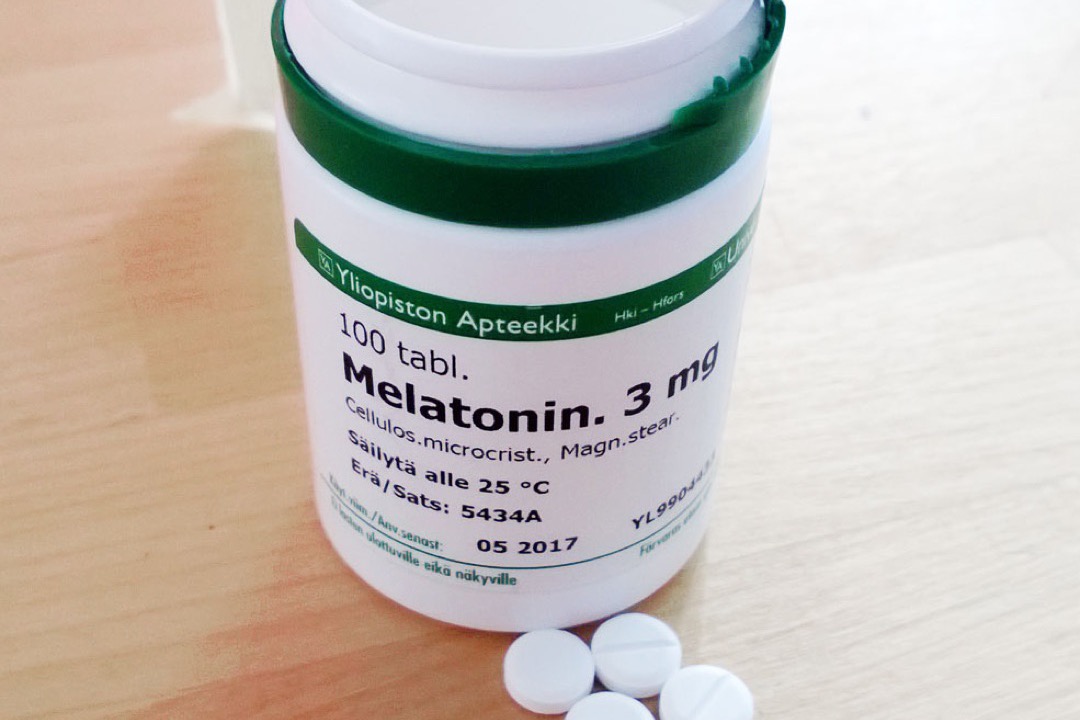
Melatonin and magnesium are the two most popular over-the-counter sleep supplements in the United States, and I am asked about them in clinical practice more than any prescription sleep aid. Both are readily available, relatively inexpensive, and generally well-tolerated — but they work through entirely different biological mechanisms, and choosing the wrong one for your specific sleep problem means spending money on a supplement that is unlikely to help.
The distinction matters more than most articles on this topic acknowledge. Melatonin is a hormone that regulates sleep timing. Magnesium is a mineral that supports sleep quality through muscle relaxation and nervous system calming. These are fundamentally different interventions for fundamentally different problems, and understanding that difference is the key to making the right choice.
This guide breaks down the clinical evidence for each supplement, covers dosing, side effects, drug interactions, and specific populations — and provides a clear decision framework so you can determine which one (or both) is right for your situation.
How Melatonin Works for Sleep
Melatonin is a hormone produced by the pineal gland in the brain in response to darkness. It does not make you sleepy in the way a sedative does — it signals your body that nighttime has arrived, initiating the cascade of physiological changes that prepare you for sleep. Core body temperature drops, heart rate slows, and alertness decreases. This is why melatonin’s primary clinical application is for circadian rhythm disorders, not general insomnia.
Your body’s natural melatonin production follows a predictable pattern. Levels begin rising approximately two hours before your habitual bedtime (a phase called dim-light melatonin onset, or DLMO), peak in the middle of the night between 2:00 and 4:00 AM, and fall to near-zero by morning. Bright light — particularly blue-wavelength light from screens — suppresses melatonin production, which is one reason evening screen use disrupts sleep onset.
What the Clinical Evidence Shows
A 2013 meta-analysis published in PLOS ONE analyzed 19 randomized controlled trials with 1,683 participants and found that melatonin reduced sleep onset latency (the time it takes to fall asleep) by an average of 7.06 minutes, increased total sleep time by 8.25 minutes, and improved overall sleep quality scores. These numbers may sound modest, but for someone lying awake for 45 minutes every night, even a consistent 7-minute reduction in sleep onset is clinically meaningful.
The strongest evidence for melatonin is in specific populations and conditions:
- Delayed sleep phase syndrome: People whose natural sleep-wake cycle is shifted later than desired (falling asleep at 2 AM, waking at 10 AM). Low-dose melatonin taken 3 to 5 hours before the desired bedtime can advance the circadian clock.
- Jet lag: Melatonin taken at the destination bedtime for 2 to 5 days after arrival reduces jet lag symptoms, particularly for eastward travel across 5 or more time zones.
- Shift work: Night-shift workers who need to sleep during daytime hours benefit from melatonin to override the circadian signal that daylight means wakefulness.
- Age-related insomnia: Melatonin production declines with age. Adults over 55 often have measurably lower nocturnal melatonin levels, and supplementation can partially restore the circadian signal.
Where melatonin is less effective is for insomnia driven by anxiety, pain, stress, or poor sleep hygiene. If your circadian rhythm is normal but you cannot sleep because your mind is racing or your muscles are tense, melatonin is not addressing the root cause.
Dosing: Less Is More
One of the most common mistakes with melatonin is taking too much. Most commercial melatonin supplements are sold in 3 mg, 5 mg, or even 10 mg doses — far above the physiological range. Your body naturally produces approximately 0.1 to 0.3 mg of melatonin per night. Research consistently shows that doses of 0.5 to 1 mg are as effective as higher doses for sleep onset and produce fewer side effects like morning grogginess and vivid dreams.
Higher doses do not help you sleep better — they saturate melatonin receptors and can actually shift your circadian rhythm in unintended directions. Start with 0.5 mg taken 30 to 60 minutes before your target bedtime. If that is not effective after one week, increase to 1 mg before trying higher doses.
Side Effects and Risks
Common side effects at typical doses include morning drowsiness, headache, dizziness, and unusually vivid or disturbing dreams. These are more frequent at doses above 3 mg.
A more significant concern emerged from a 2025 study presented at the American Heart Association Scientific Sessions, which found an association between long-term melatonin use (defined as regular use for one year or longer) and increased risk of heart failure events in patients with existing cardiovascular risk factors. The study was observational and does not prove causation, but it warrants attention — particularly for older adults who may be using melatonin nightly for years.
Melatonin also interacts with several common medication classes: blood thinners (increased bleeding risk), blood pressure medications (may reduce antihypertensive effectiveness), diabetes medications (can affect insulin sensitivity), and immunosuppressants (melatonin has immune-modulating properties). If you take any of these medications, discuss melatonin with your physician before starting.
How Magnesium Works for Sleep
Magnesium is the fourth most abundant mineral in the human body and participates in over 300 enzymatic reactions. Its relevance to sleep operates through multiple mechanisms simultaneously, which is why its effects tend to be broader than melatonin’s targeted circadian action.
GABA activation: Magnesium binds to gamma-aminobutyric acid (GABA) receptors in the brain. GABA is the primary inhibitory neurotransmitter — it reduces neuronal excitability and promotes a calm, relaxed state. This is the same receptor system that benzodiazepines and alcohol target, though magnesium’s effect is far gentler.
Cortisol regulation: Magnesium helps regulate the hypothalamic-pituitary-adrenal (HPA) axis, which controls cortisol release. Elevated nighttime cortisol is one of the most common biochemical markers in patients with stress-related insomnia. A study published in the Journal of Research in Medical Sciences found that magnesium supplementation significantly reduced serum cortisol levels in elderly subjects with insomnia.
Muscle relaxation: Magnesium regulates calcium channels in muscle fibers. Without adequate magnesium, muscles are more prone to sustained contraction — manifesting as tension, cramps, and restless legs. If you experience leg cramps at night or restless leg syndrome (RLS), magnesium deficiency is one of the first things your physician should investigate.
Melatonin production support: Magnesium is a cofactor for the enzyme serotonin N-acetyltransferase, which converts serotonin into melatonin. This means adequate magnesium levels support your body’s own melatonin synthesis — addressing the circadian signal indirectly.
What the Clinical Evidence Shows
A 2012 double-blind, placebo-controlled trial published in the Journal of Research in Medical Sciences studied 46 elderly subjects with insomnia who received either 500 mg of magnesium or placebo daily for 8 weeks. The magnesium group showed statistically significant improvements in sleep time, sleep efficiency, sleep onset latency, early morning awakening, and serum cortisol concentration.
A larger 2021 observational study published in Nutrients analyzed data from over 3,900 adults and found that those with higher magnesium intake had significantly better sleep quality scores and were less likely to report daytime sleepiness.
The evidence is strongest for:
- Stress-related insomnia: If your sleep problem is driven by anxiety, racing thoughts, or an inability to physically relax, magnesium’s GABA and cortisol effects directly address the mechanism.
- Restless leg syndrome: Multiple studies link low magnesium levels to RLS symptoms, and supplementation reduces leg movement frequency in deficient patients.
- Muscle tension and nighttime cramps: Magnesium’s role in calcium channel regulation directly targets nocturnal muscle spasms.
- General sleep quality: Even in people who fall asleep normally, magnesium supplementation is associated with deeper, less fragmented sleep.
Magnesium Forms: Not All Are Equal
The form of magnesium you take matters enormously for both sleep benefits and side effects. This is one area where label-reading is critical:
Magnesium glycinate — the preferred form for sleep. High bioavailability (absorbed efficiently), minimal GI side effects, and the amino acid glycine provides additional calming benefits. Look for products specifying “bisglycinate” or “glycinate chelate.”
Magnesium threonate (Magtein) — crosses the blood-brain barrier more readily than other forms. Emerging research suggests specific benefits for brain magnesium levels and cognitive function. More expensive, less long-term data for sleep specifically.
Magnesium citrate — well-absorbed but has a significant laxative effect at sleep-relevant doses. Better suited for constipation than sleep.
Magnesium oxide — the most common form in cheap supplements. Only about 4 percent bioavailability, meaning a 400 mg capsule delivers roughly 16 mg of usable magnesium. Poor choice for sleep despite having the highest elemental magnesium per capsule.
Magnesium taurate — combines magnesium with taurine, which has its own calming properties. Some cardiologists prefer this form for patients with cardiovascular concerns.
Dosing and Side Effects
The recommended dietary allowance for magnesium is 310 to 420 mg per day depending on age and sex. For sleep specifically, clinical studies typically use 200 to 500 mg of elemental magnesium taken 30 to 60 minutes before bed.
Start with 200 mg of magnesium glycinate and increase to 400 mg if tolerated without GI discomfort. The most common side effect is loose stools or diarrhea, which is dose-dependent and form-dependent (glycinate causes far less GI disturbance than citrate or oxide).
Magnesium is contraindicated or requires dose adjustment in patients with kidney disease, as the kidneys are responsible for magnesium excretion. It can also interact with certain antibiotics (tetracyclines, fluoroquinolones), bisphosphonates, and some diuretics.
Melatonin vs Magnesium: Head-to-Head Comparison
| Factor | Melatonin | Magnesium |
|---|---|---|
| Primary mechanism | Circadian rhythm signaling | GABA activation, muscle relaxation, cortisol reduction |
| Best for | Sleep onset, jet lag, shift work, circadian disorders | Stress insomnia, sleep quality, restless legs, muscle tension |
| Onset of effect | 30–60 minutes | 1–2 weeks for full effect |
| Effective dose | 0.5–1 mg (up to 3 mg) | 200–400 mg elemental (glycinate form) |
| Timing | 30–60 min before bed | 30–60 min before bed |
| Side effects | Morning grogginess, vivid dreams, headache | Loose stools, GI discomfort (dose-dependent) |
| Drug interactions | Blood thinners, BP meds, diabetes meds, immunosuppressants | Antibiotics, bisphosphonates, diuretics |
| Long-term safety | Concerns emerging (AHA cardiovascular study) | Well-established safety profile at recommended doses |
| Tolerance risk | Low but possible with chronic use | No tolerance development |
| Also helps with | Antioxidant properties, immune modulation | Bone health, muscle function, blood sugar, heart rhythm |
How to Choose: A Decision Framework
Rather than asking “which is better?” — ask what is causing your sleep problem. The answer determines the supplement.
Choose melatonin if:
- You have trouble falling asleep but sleep well once you do
- You are dealing with jet lag or time zone changes
- You work night shifts and need to sleep during the day
- Your sleep schedule has drifted later than you want (delayed sleep phase)
- You are over 55 and suspect age-related melatonin decline
- You need a short-term solution for a specific circadian disruption
Choose magnesium if:
- You fall asleep but wake frequently during the night
- Stress, anxiety, or racing thoughts keep you awake
- You experience nighttime muscle cramps or restless legs
- You suspect your diet is low in magnesium (processed food diet, limited leafy greens and nuts)
- You want a supplement with broad health benefits beyond sleep
- You prefer a long-term supplement with a well-established safety profile
Consider both if:
- You have trouble falling asleep AND staying asleep
- You have a circadian disruption combined with stress or muscle tension
- Melatonin alone helps you fall asleep but you still wake at 3 AM
- You are over 55 with both delayed sleep onset and fragmented sleep
Timing and Practical Guidance
Melatonin timing depends on your goal. For general sleep onset improvement, take it 30 to 60 minutes before your target bedtime. For circadian rhythm shifting (delayed sleep phase), take it 3 to 5 hours before your current natural sleep time, then gradually move the dose earlier as your schedule shifts. For jet lag, take it at the destination bedtime starting the night of arrival.
Magnesium timing is more forgiving. Take it 30 to 60 minutes before bed. Unlike melatonin, magnesium works cumulatively — you may not notice significant sleep improvements for one to two weeks of consistent daily use. Do not judge magnesium’s effectiveness based on the first night.
For both: Pair supplementation with basic sleep hygiene practices. No supplement compensates for scrolling your phone in bed at midnight. Dim lights in the evening, keep the bedroom cool (65 to 68 degrees Fahrenheit), maintain a consistent sleep and wake time, and limit caffeine after 2 PM. If you use a light therapy lamp in the morning, that complements both melatonin and magnesium by reinforcing your circadian rhythm from the light-exposure side.
When to See a Doctor Instead
Supplements are not a substitute for medical evaluation when sleep problems are persistent or severe. See your physician if:
- Sleep problems persist for more than four weeks despite good sleep hygiene and supplementation
- You experience excessive daytime sleepiness that affects your ability to work or drive safely
- Your partner reports loud snoring, gasping, or breathing pauses during sleep (possible obstructive sleep apnea)
- You have restless leg symptoms that do not improve with magnesium supplementation
- You are taking multiple medications and are unsure about supplement interactions
Sleep disorders like obstructive sleep apnea, periodic limb movement disorder, and narcolepsy require diagnosis and treatment that no supplement can provide. A sleep study (polysomnography) is the gold standard for identifying these conditions.
Monitoring your blood oxygen levels overnight with a pulse oximeter can provide preliminary data to bring to your physician if you suspect sleep apnea — repeated oxygen desaturations during sleep are a hallmark of the condition.
The Bottom Line
Melatonin and magnesium are both legitimate, evidence-backed sleep supplements — but they solve different problems. Melatonin is a circadian rhythm tool: it tells your body when to sleep. Magnesium is a nervous system and muscle relaxation tool: it helps your body physically and mentally unwind enough to sleep deeply.
If you are not sure which applies to you, magnesium is the safer starting point. It addresses the most common modern sleep disruptors (stress, tension, dietary deficiency), has a well-established long-term safety profile, and supports your body’s own melatonin production as a bonus. Reserve melatonin for specific circadian situations where timing — not relaxation — is the issue, and use the lowest effective dose for the shortest duration that solves the problem.
For those looking for the best melatonin supplements specifically, our guide to the best melatonin supplements reviews products that are third-party tested for label accuracy — which matters more than most people realize, given the documented variability in melatonin supplement content. And if your sleep issues are accompanied by general nutritional gaps, our reviews of B12 supplements, electrolyte powders, and probiotics cover adjacent categories where supplementation quality varies widely.
Frequently Asked Questions
Can you take melatonin and magnesium together for sleep?
What form of magnesium is best for sleep?
Does melatonin lose effectiveness over time?
Should I get my magnesium levels tested before supplementing?
Is melatonin safe for children's sleep problems?
Related Articles
About the Reviewer

Dr. David Taylor, MD, PhD
Drexel University College of Medicine (MD), Indiana University School of Medicine (PhD)
Dr. David Taylor is a licensed physician and medical researcher who founded BestRatedDocs in 2016. With an MD from Drexel University and a PhD from Indiana University School of Medicine, he combines clinical expertise with a passion for health technology to provide evidence-based product recommendations. Dr. Taylor specializes in health informatics and regularly evaluates medical devices, diagnostic equipment, and therapeutic products to help healthcare professionals and patients make informed decisions.