7 Best Melatonin Supplements of 2026
Dr. David Taylor reviews the best melatonin supplements of 2026. Compare USP-verified tablets, gummies, fast-dissolve, and clinical-grade capsules for safe, effective sleep support.
Updated
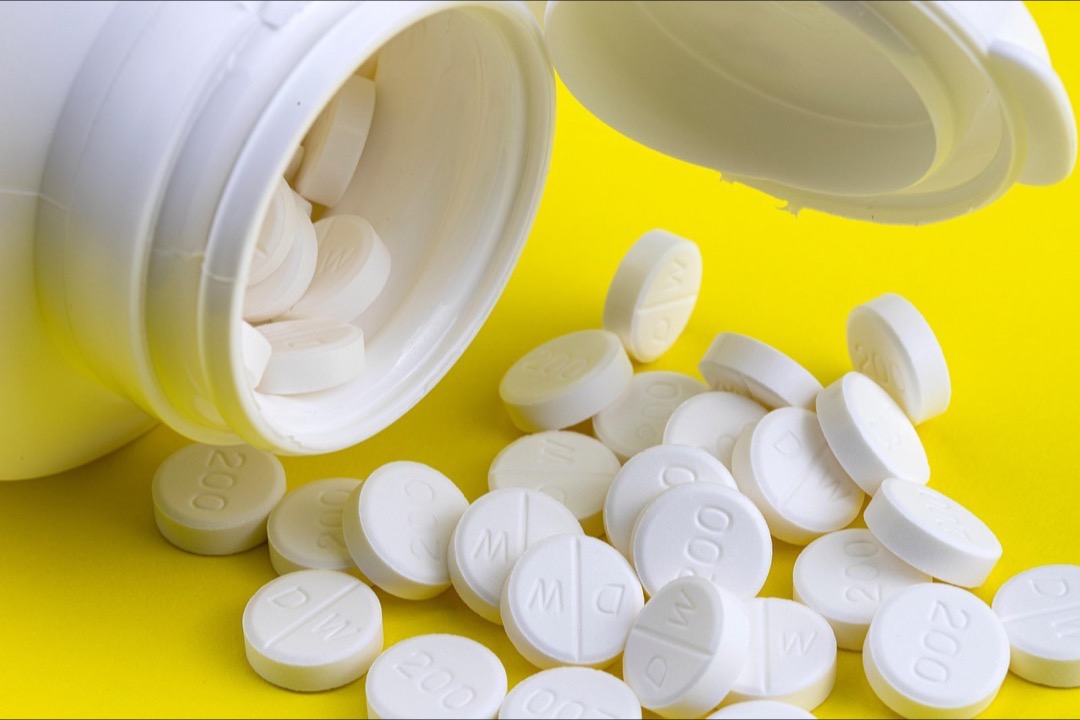
Melatonin is the most widely used sleep supplement in the United States, and its popularity is accelerating. CDC data shows that melatonin use among adults has increased more than fivefold over the past two decades, with an estimated 27.4 million Americans now reporting regular use. As a physician, what concerns me about this trend is not melatonin itself — it is one of the safest supplements available — but the fact that the vast majority of consumers are choosing products based on marketing, flavor preference, or price alone, without considering the factors that actually determine whether a melatonin supplement is safe, accurately dosed, and appropriate for their specific situation.
A 2017 study published in the Journal of Clinical Sleep Medicine tested 31 commercial melatonin supplements and found that 71 percent did not contain the amount of melatonin stated on the label. Actual content ranged from 83 percent less to 478 percent more than the labeled dose. Even more concerning, 26 percent of the products tested positive for serotonin — a neurotransmitter that was not listed as an ingredient and could pose real risks for patients taking serotonergic medications. This is not a theoretical problem. It is the current state of the melatonin supplement market, and it is why third-party certification should be your starting point when choosing a product.
We evaluated over 35 melatonin supplements against criteria that matter clinically: dose accuracy, third-party verification, form factor appropriateness, ingredient purity, and value. The seven products below represent the clearest recommendations across the full range of buyer needs — from a four-cent-per-night USP-verified tablet to a multi-ingredient botanical gummy blend. If you also use light therapy to support your circadian rhythm, our light therapy lamps guide covers the hardware side of sleep-wake cycle management.
After evaluating the full melatonin supplement landscape, here are our top picks across seven distinct use cases. The comparison table below shows how each product stacks up on the spec dimensions that matter most.
How We Chose These Melatonin Supplements
Our selection process prioritized two factors above all others: third-party certification status and dose appropriateness. We cross-referenced USP and NSF certification databases, Amazon review volume and rating distributions, brand manufacturing histories, and the clinical evidence on melatonin dosing and delivery mechanisms. We deliberately included products across five delivery formats — tablet, gummy, capsule, fast-dissolve, and multi-ingredient blend — because the optimal format varies by patient preference and clinical need. Products with fewer than 1,000 Amazon reviews were excluded unless they carried independent certification (which explains the inclusion of Thorne at approximately 1,000 reviews). We weighted certification and dose accuracy more heavily than consumer popularity because the 2017 label accuracy study demonstrated that best-seller status does not predict label fidelity.
Nature Made Melatonin 3mg Tablets, 240 Count
Nature Made earns the top position for the same reason it leads in our B12 supplements guide: USP Verification. In a supplement category where 71 percent of products fail to meet label claims, having an independent laboratory confirm that the product contains exactly 3 mg of melatonin per tablet — not 0.5 mg, not 14 mg — is not a marketing differentiator. It is a basic safety requirement that most competitors fail to meet.
The 3 mg dose is not arbitrary. It falls squarely within the physiological range that sleep researchers have identified as sufficient to elevate blood melatonin levels to their natural nocturnal peak without overwhelming the system. Supraphysiological doses (10 mg and above) do not produce proportionally better sleep outcomes in clinical trials — they simply increase the likelihood of side effects like morning grogginess, vivid dreams, and headache. For a supplement that most people will take nightly for months or years, starting at the evidence-based dose matters.
The 240-count bottle provides an eight-month supply at approximately four cents per tablet, making this one of the most cost-effective supplements of any type on Amazon. The value proposition becomes even more apparent when you consider that the only competing product with independent certification in this roundup — Thorne’s NSF-certified capsule — costs roughly seven times more per serving.
The limitation is format: this is a standard tablet that requires water to swallow. For patients who keep melatonin on their nightstand and prefer something they can take without getting up, the Carlyle fast-dissolve or a gummy format may be more practical. For everyone else, this is the straightforward recommendation.

Nature Made Melatonin 3mg Tablets, 240 Count
by Nature Made
The gold-standard melatonin supplement — USP-verified, pharmacist-recommended, and priced at four cents per night for a full eight-month supply.
Pros
- USP Verified for purity and potency — the only melatonin tablet in this lineup independently tested by a third-party laboratory
- 240-day supply at approximately four cents per tablet — the lowest cost-per-serving of any certified melatonin product on Amazon
- 3 mg dose aligns with the range most sleep researchers recommend for adult supplementation without overcorrecting endogenous production
- Number one pharmacist-recommended vitamin and supplement brand — institutional credibility that generic competitors cannot match
Cons
- Plain tablet must be swallowed with water — less convenient than gummies or fast-dissolve formats for bedside use
- Immediate-release only — not ideal for patients whose primary issue is sleep maintenance rather than sleep onset
Amazon Basics Melatonin 5mg Gummies, 120 Count
For buyers who prefer gummies and are price-sensitive, the Amazon Basics 5 mg gummies offer the best value in the gummy melatonin category. A two-month supply for under ten dollars — with a vegan formula and strawberry flavor — meets the practical needs of the majority of gummy-preference shoppers.
The 5 mg dose is a moderate step above the 3 mg physiological recommendation. While I would prefer to see buyers start at 3 mg, the reality is that 5 mg remains within the range where side effects are uncommon and clinical evidence supports efficacy. For adults who have tried 3 mg and found it insufficient, or who simply want a moderate starting dose without committing to the 10 mg high-dose products, this is a reasonable middle ground.
The primary limitation is the absence of third-party certification. Amazon Basics products are manufactured by contract producers and do not carry USP, NSF, or any independent quality verification. The nearly 40,000 reviews with a 4.6-star rating provide some consumer confidence, but consumer satisfaction is not a substitute for laboratory-verified label accuracy. If certification matters to you — and from a clinical standpoint, it should — the Nature Made tablet is the better choice even if it means giving up the gummy format. If budget and gummy format are your priorities, this is the most rational option available.

Amazon Basics Melatonin 5mg Gummies, 120 Count
by Amazon Basics
The most affordable gummy melatonin with a two-month supply under ten dollars — a practical starting point for budget-conscious adults who prefer gummies over tablets.
Pros
- Two-month supply of gummies for under ten dollars — the best value gummy melatonin on the platform
- Moderate 5 mg dose provides a practical middle ground for adults who find 3 mg insufficient but want to avoid high-dose products
- Vegan formula with strawberry flavor and a simple ingredient list — no gelatin, no animal-derived components
- Nearly 40,000 reviews with a 4.6-star aggregate rating demonstrate consistent manufacturing quality across production batches
Cons
- No third-party certification from USP, NSF, or any independent laboratory — quality assurance relies entirely on internal controls
- Store brand with limited formulation history compared to established supplement manufacturers like Nature Made or Thorne
- Contains added sugar — approximately two grams per serving, which may concern patients monitoring carbohydrate intake
Thorne Melaton-3 Capsules, 60 Count
Thorne occupies the same position in our melatonin roundup as it does in our B12 supplements guide and multivitamins review: the clinical-grade option for buyers who prioritize quality verification above all other factors. The NSF Certified for Sport designation is the most rigorous supplement certification available to consumers — it verifies not only label accuracy and contaminant absence but also freedom from over 300 substances banned by major athletic organizations.
For patients taking prescription medications, the value of NSF certification extends beyond athletics. The testing process confirms the absence of undeclared ingredients — including the serotonin contamination that appeared in 26 percent of melatonin supplements in the 2017 label accuracy study. If you are taking an SSRI, SNRI, or any other serotonergic medication, the risk of an undeclared serotonin contaminant in an uncertified supplement is not theoretical. Thorne eliminates that uncertainty.
The 3 mg dose in a clean capsule without fillers, flavors, or sweeteners is the formulation philosophy that healthcare practitioners recommend Thorne for. The trade-off is cost: at approximately twenty-seven cents per serving, Thorne costs seven times more than Nature Made for the same 3 mg of melatonin. For competitive athletes subject to drug testing, patients on complex medication regimens, or anyone who simply wants the highest available quality assurance, the premium is justified. For healthy adults without specific risk factors, the USP-verified Nature Made delivers equivalent melatonin at a fraction of the price.

Thorne Melaton-3 Capsules, 60 Count
by Thorne
NSF-certified melatonin from the brand healthcare practitioners trust most — the rational choice for athletes, patients on multiple medications, and quality-first buyers.
Pros
- NSF Certified for Sport — independently tested for over 300 banned substances, trusted by more than 100 professional sports teams
- Clinical-grade formulation from the most frequently recommended supplement brand among healthcare practitioners in the United States
- Clean 3 mg capsule with no unnecessary fillers, flavors, sweeteners, or binding agents
- Hypoallergenic formula free of gluten, dairy, soy, and all major allergens — suitable for patients with multiple sensitivities
Cons
- Most expensive per-serving cost in this lineup at approximately twenty-seven cents per capsule — roughly seven times the Nature Made price
- Only 60 capsules per bottle — requires more frequent reordering than the 240-count Nature Made option
- Lower review volume (approximately 1,000) compared to mass-market competitors with tens of thousands of reviews
Natrol 10mg Melatonin Gummies, 90 Count
Natrol has built its brand identity around melatonin more than any other supplement company in the US market. Their position as the number one drug-free sleep aid brand reflects decades of focused formulation and market presence — this is not a general supplement company that happens to sell melatonin, but a brand whose core business is melatonin-based sleep support.
The 52,000-review base on Amazon provides an unusually deep well of real-world consumer data. Across this massive sample, the 4.6-star rating reflects genuinely consistent performance. Review analysis reveals a clear pattern: the majority of positive reviews cite fast onset (15-20 minutes), pleasant strawberry flavor, and reliable nightly effectiveness. The most common negative feedback relates to the 10 mg dose being too strong for some users — manifesting as vivid or bizarre dreams and morning grogginess.
This dose concern is clinically relevant. Ten milligrams of melatonin pushes blood levels well beyond the physiological nocturnal range and is appropriate for specific situations — delayed sleep phase disorder, jet lag across multiple time zones, or established personal need at this dose level — but it is not a general-purpose starting dose. If you are new to melatonin, start with the 3 mg Nature Made or Amazon Basics 5 mg before committing to a 10 mg product. If you have already established that lower doses are insufficient for your sleep pattern, Natrol’s formulation history and review depth make it the most proven gummy at this strength.

Natrol 10mg Melatonin Gummies, 90 Count
by Natrol
The most trusted name in melatonin gummies — Natrol's 52,000-review track record and vegetarian formula make this the leading choice for gummy-preference buyers who need a higher dose.
Pros
- Over 52,000 Amazon reviews with a 4.6-star rating — the most extensively reviewed melatonin gummy from a dedicated sleep supplement brand
- From the number one drug-free sleep aid brand in America — Natrol has decades of formulation history specific to melatonin
- Soft pectin-based gummy with natural strawberry flavor — consistently praised for taste and texture in consumer reviews
- Gelatin-free and vegetarian formula with no synthetic dyes or artificial flavors
Cons
- 10 mg dose is substantially higher than what most sleep researchers recommend as a starting point for adults
- Only 45-day supply at the recommended two-gummy serving — less value per bottle than the Amazon Basics or Nature Made options
- Contains added sugar from the gummy matrix — approximately three grams per two-gummy serving
Carlyle Melatonin 12mg Fast Dissolve Tablets, 300 Count
The numbers on this product are remarkable: 106,000 Amazon reviews with a 4.5-star rating and a 300-day supply for under fourteen dollars. By raw consumer adoption metrics, this is the most popular melatonin product ever sold on Amazon. The fast-dissolve format — a berry-flavored tablet that dissolves on the tongue without water — adds genuine practical value for bedside use.
The sublingual and buccal absorption pathway offered by fast-dissolve tablets allows a portion of the melatonin to enter the bloodstream through the oral mucosa before reaching the gastrointestinal tract. This may produce marginally faster onset compared to standard tablets that must travel through the stomach and small intestine. For patients who take melatonin reactively — when they realize at 11 PM that they cannot fall asleep — faster onset has real practical value.
The 12 mg dose requires honest clinical discussion. This is four times the physiological dose and significantly above what most sleep researchers recommend. The popularity of high-dose melatonin products is driven by consumer perception that more is better — a perception that is not supported by clinical evidence. However, the 106,000-review track record suggests that a very large number of consumers are using this product effectively at this dose. If you have a confirmed personal history of needing high-dose melatonin, the value proposition here is exceptional. If you are new to melatonin, this is not the place to start. The absence of third-party certification is also a meaningful limitation at a 12 mg dose, where label accuracy variation could mean actual intake ranging from 2 mg to over 50 mg based on the 2017 study’s findings.

Carlyle Melatonin 12mg Fast Dissolve Tablets, 300 Count
by Carlyle
The most-reviewed melatonin on Amazon with a ten-month supply for under fourteen dollars — a fast-dissolve option for experienced users who have established that higher doses work for them.
Pros
- Over 106,000 Amazon reviews — the single highest review count of any melatonin product on the platform, confirming massive consumer adoption
- 300-day supply at approximately four and a half cents per tablet — extraordinary value for a fast-dissolve format
- Berry-flavored fast-dissolve tablet requires no water and absorbs through the sublingual and buccal mucosa for faster onset
- Vegetarian, non-GMO, and gluten-free with no artificial flavors
Cons
- 12 mg is a high dose that exceeds what most clinical guidelines recommend — may cause vivid dreams or next-morning grogginess
- No third-party certification from USP or NSF — label accuracy is not independently verified
- Some reviewers note an artificial sweetener aftertaste from the fast-dissolve formulation
OLLY Restful Sleep Gummies with Melatonin, L-Theanine, and Chamomile, 50 Count
OLLY takes a fundamentally different approach from the other six products in this list. Instead of relying on melatonin alone, the formula combines a modest 3 mg melatonin dose with L-theanine (an amino acid found in green tea that promotes relaxation by increasing alpha brain wave activity), chamomile, passionflower, and lemon balm — all traditional botanical anxiolytics with varying degrees of clinical support.
The rationale for this approach is sound for a specific subset of sleep-challenged patients: those whose difficulty is driven by both circadian disruption and nighttime anxiety or rumination. For these individuals, melatonin alone addresses only half the problem. L-theanine has reasonable clinical evidence for promoting calm without sedation, and chamomile has a long traditional use history with modest supporting research. Whether the doses included per serving are sufficient to produce meaningful independent effects is a legitimate question — OLLY does not disclose individual ingredient amounts for the botanical blend.
The blackberry zen flavor is genuinely excellent by consumer consensus — this is consistently rated as the best-tasting sleep gummy across review platforms. For patients whose compliance depends partly on palatability, this matters. The limitation is value: at approximately forty-six cents per serving with only a 25-day supply per bottle, this is the most expensive product in the roundup by a significant margin. If budget is a factor, combining the Nature Made melatonin tablet with a separate L-theanine supplement would likely be more cost-effective. If you are looking for a complement to these sleep supplements, our probiotics guide covers gut health — an area with emerging connections to sleep quality.

OLLY Restful Sleep Gummies with Melatonin, L-Theanine, and Chamomile, 50 Count
by OLLY
The best-tasting sleep gummy with a multi-ingredient calming formula — ideal for buyers who want melatonin plus botanical relaxation support in a single product.
Pros
- Multi-ingredient formula combines 3 mg melatonin with L-theanine, chamomile, passionflower, and lemon balm for a comprehensive calming effect
- Low melatonin dose enhanced by anxiolytic botanicals — a gentler approach for patients whose sleep issues involve both anxiety and circadian disruption
- Award-winning blackberry zen flavor consistently rated as the best-tasting sleep gummy across consumer review platforms
- From the number one gummy supplement brand in the US with over 27,000 reviews confirming reliability
Cons
- Only 25-day supply per bottle — the shortest supply and highest cost-per-serving of any product in this roundup
- Multi-ingredient formula complicates identification of which component is effective if the product works — or which is responsible if side effects occur
- L-theanine and botanical doses may be too low to produce meaningful independent effects at the levels included per serving
Nature Made Melatonin 10mg Maximum Strength Tablets, 70 Count
This product exists for a specific and legitimate use case: patients who trust Nature Made’s quality standards, have tried 3 mg melatonin and found it insufficient, and want to step up to 10 mg from the same manufacturer. Nature Made’s GMP compliance, pharmacist-recommended status, and decades of manufacturing history provide brand-level quality assurance even without the USP Verified mark that distinguishes the 3 mg tablets.
The 4.7-star rating across 7,100 reviews — the highest rating in this entire roundup — reflects strong consumer satisfaction. Review patterns suggest this product is disproportionately purchased by people who have already established a melatonin routine and are intentionally seeking a higher dose, rather than first-time users experimenting with the supplement category. This self-selected buyer base likely explains the elevated rating.
The notable gap is the absence of USP Verification on this SKU. Nature Made’s 3 mg melatonin and many of their other supplement lines carry USP certification, but this maximum strength product does not. This does not necessarily indicate a quality difference — Nature Made’s internal manufacturing standards are consistent across their product line — but it does mean that independent verification of label accuracy at this specific dose is not available. For patients who require third-party certified high-dose melatonin, the market currently does not offer a clear option, which underscores the importance of starting at a lower, certified dose and escalating only when truly necessary.

Nature Made Melatonin 10mg Maximum Strength Tablets, 70 Count
by Nature Made
Nature Made quality at maximum strength — the logical step up for patients who trust the brand but need a higher dose than the 3 mg Best Overall pick provides.
Pros
- Highest rating in this roundup at 4.7 stars — exceptional consumer satisfaction from a pharmacist-recommended brand
- Maximum strength 10 mg in a clean tablet from Nature Made's trusted manufacturing and quality control pipeline
- 70-day supply with no artificial flavors, preservatives, or color additives — the same quality standards as the Best Overall pick
- Appropriate for patients who have tried lower doses (3-5 mg) and confirmed they need higher melatonin for adequate sleep response
Cons
- Not USP Verified — unlike the 3 mg Nature Made tablets, this SKU does not carry independent third-party certification
- Higher price point than comparable high-dose options like Carlyle, which offers a 300-count bottle at a lower per-tablet cost
- 10 mg may cause morning drowsiness, vivid dreams, or headache in users who do not require this dose level
How to Choose the Best Melatonin Supplement
Buyer's Guide
Choosing the right melatonin supplement requires matching dose, form, certification, and ingredient profile to your specific sleep situation — the best product for a shift worker correcting circadian disruption is not the same as the best product for someone with occasional travel-related insomnia.
Third-Party Certification
This is the single most important factor for melatonin specifically. The 2017 Journal of Clinical Sleep Medicine study found that 71 percent of melatonin supplements failed to meet label claims and 26 percent contained undeclared serotonin. USP Verified products (like the Nature Made 3 mg) have been independently tested by the United States Pharmacopeia to confirm that the product contains the stated amount of melatonin, dissolves properly, and is free of harmful contaminants. NSF Certified for Sport (Thorne) adds testing for over 300 banned athletic substances. If you are choosing between two otherwise similar products, always choose the one with independent certification.
Dose Selection
The effective dose range for melatonin is much lower than most consumers assume. Physiological doses (0.5-3 mg) are sufficient to raise blood melatonin levels to the range that occurs naturally at night. Pharmacological doses (5-10 mg and above) push levels far beyond normal physiological range and do not produce proportionally better sleep. Start at 3 mg. Increase only if 3 mg produces no benefit after two consistent weeks. Higher doses are appropriate for specific clinical indications — delayed sleep phase disorder, jet lag crossing multiple time zones, or physician-directed protocols — but they are not better for general sleep support.
Form Factor
Tablets are the most affordable and longest-lasting format. Gummies taste better and improve compliance for people who dislike swallowing pills, but they typically contain added sugar and have a shorter shelf life. Fast-dissolve tablets offer sublingual absorption for potentially faster onset — particularly useful for bedside use when you realize you cannot fall asleep. Capsules provide clean, filler-free delivery for the quality-conscious buyer. Liquid drops allow precise micro-dosing for those who want to start at very low doses (0.5-1 mg). Choose based on practical preference — absorption differences between oral forms are clinically minimal.
Release Type
Immediate-release melatonin raises blood levels quickly and is appropriate for sleep onset difficulty — the inability to fall asleep at bedtime. Extended-release or timed-release formulations release melatonin gradually over several hours and are designed for sleep maintenance issues — waking up in the middle of the night and being unable to return to sleep. If your primary problem is falling asleep, immediate-release is appropriate. If you fall asleep easily but wake at 2 or 3 AM, an extended-release formulation may serve you better. All seven products in this roundup are immediate-release, which is the most common need.
Additional Ingredients
Some melatonin supplements include complementary ingredients like L-theanine (an amino acid from tea that promotes relaxation without sedation), chamomile, passionflower, valerian root, or ashwagandha. These additions can be beneficial for people whose sleep difficulty involves both circadian disruption and anxiety or stress. However, multi-ingredient formulas complicate troubleshooting: if the product works, you do not know which ingredient deserves credit, and if side effects occur, identifying the responsible component is difficult. If you are trying melatonin for the first time, start with a melatonin-only product to establish a clear baseline before adding other sleep-support ingredients.
Price Per Serving
Melatonin is typically a nightly supplement, so cost accumulates over months. The range in this roundup spans from four cents per serving (Nature Made 3 mg tablets, Carlyle fast-dissolve) to approximately forty-six cents per serving (OLLY gummies). USP-certified melatonin at four cents per night is one of the most cost-effective supplement investments available. Calculate price per serving rather than comparing bottle prices — a cheaper bottle with fewer servings may actually cost more per night. For most adults without specific clinical needs, the budget and mid-range options provide equivalent sleep outcomes to premium products.
Understanding Melatonin: What It Is and How It Works
Melatonin is not a sedative. This is the most common misconception about the supplement, and it leads to inappropriate dosing and unrealistic expectations. Melatonin is a hormone produced by the pineal gland in response to darkness. Its primary role is to signal to your body that it is nighttime — it regulates the timing of sleep, not the depth or intensity of sleep. Taking exogenous melatonin tells your brain “it is dark, prepare for sleep” regardless of actual light conditions.
This distinction has practical implications. If your difficulty is falling asleep at the right time — because of jet lag, shift work, screen exposure, or delayed sleep phase — melatonin directly addresses the problem by resetting your circadian clock. If your difficulty is staying asleep, sleeping deeply, or waking feeling rested, melatonin alone may not be sufficient. Sleep quality depends on factors melatonin does not control: sleep environment, sleep hygiene, underlying conditions like sleep apnea or restless leg syndrome, and stress.
The pharmacokinetics of oral melatonin are straightforward. Standard tablets and gummies are absorbed through the GI tract with a half-life of approximately 20-50 minutes, producing a blood level peak at 30-60 minutes post-ingestion and returning to baseline within 3-4 hours. Fast-dissolve and sublingual formats may produce slightly faster onset by allowing partial absorption through the oral mucosa. Extended-release formulations are designed to sustain elevated blood levels for 6-8 hours, mimicking the natural nocturnal melatonin curve more closely.
Who Should Consider Melatonin Supplementation
Frequent travelers. Jet lag is the single best-studied indication for exogenous melatonin. Taking 3-5 mg of melatonin at the target bedtime in your destination time zone — starting the night you arrive — has strong clinical evidence for reducing jet lag severity when crossing five or more time zones eastward. The evidence is weaker but still supportive for westward travel.
Shift workers. Rotating or night shift schedules force the body to sleep during its biologically programmed wake period. Melatonin taken before the desired sleep window can help shift the circadian clock, though it is most effective when combined with strategic light exposure and light avoidance. If you use light therapy lamps to manage shift work alertness, melatonin is the pharmacological complement to that light-based approach.
Adults over 55. Endogenous melatonin production declines with age. Older adults often produce significantly less nighttime melatonin than younger adults, which contributes to the increased prevalence of sleep onset difficulty in this population. Low-dose supplementation (1-3 mg) can partially compensate for this age-related decline.
Screen-heavy lifestyles. Blue light from phones, tablets, and computers suppresses melatonin production. If you routinely use screens within two hours of bedtime — as most adults do — your natural melatonin onset is delayed. Supplemental melatonin can partially compensate, though reducing screen exposure remains the better first-line intervention.
Delayed sleep phase disorder. DSPD is a circadian rhythm disorder where the natural sleep-wake cycle is shifted significantly later than desired. Melatonin taken 3-5 hours before the desired bedtime, at doses of 0.5-3 mg, is a first-line treatment with good clinical evidence. Timing is more important than dose for this indication.
When Melatonin Is Not the Answer
Melatonin is not appropriate as a primary treatment for insomnia that is driven by anxiety, depression, chronic pain, sleep apnea, restless leg syndrome, or poor sleep hygiene. If you are lying awake because your mind is racing, or waking repeatedly because of untreated sleep-disordered breathing, melatonin will not resolve the underlying problem. It may help you fall asleep initially, but the quality and duration of sleep will remain compromised until the root cause is addressed.
If you have tried melatonin at an appropriate dose (3 mg) for two weeks with consistent timing and no benefit, the most productive next step is not to increase the dose — it is to discuss your sleep difficulty with your physician. A sleep study may be warranted to rule out conditions that melatonin cannot treat.
Melatonin Safety and Side Effects
At doses of 1-5 mg, melatonin is well tolerated by most adults. The most commonly reported side effects are morning drowsiness (especially at higher doses), headache, dizziness, and nausea. Vivid or unusual dreams are reported at higher doses (10 mg and above) and are thought to result from melatonin’s effects on REM sleep architecture.
Melatonin is not addictive. It does not produce physical dependence, tolerance requiring dose escalation, or withdrawal symptoms. This distinguishes it fundamentally from prescription sleep medications including benzodiazepines (temazepam, triazolam), Z-drugs (zolpidem, eszopiclone), and even some over-the-counter antihistamine-based sleep aids (diphenhydramine, doxylamine) which can produce rebound insomnia upon discontinuation.
Populations who should consult a physician before using melatonin include pregnant or breastfeeding women (insufficient safety data), children (short-term use is generally considered safe, but long-term effects on pubertal development are unknown), patients with autoimmune conditions (melatonin stimulates immune function), patients on anticoagulants (mild antiplatelet effects), and anyone taking psychiatric medications — particularly SSRIs, SNRIs, or MAOIs.
Final Verdict
For most adults, the Nature Made Melatonin 3mg Tablets are the clearest recommendation: USP-verified label accuracy in a category where 71 percent of products fail that test, an evidence-based 3 mg dose, and a cost of four cents per night for an eight-month supply. The clinical case for starting here is strong regardless of whether you are a first-time melatonin user or an experienced one reassessing your current product’s quality.
If gummies are a non-negotiable preference, the Amazon Basics 5mg Gummies provide the best value at under ten dollars for a two-month supply. The absence of certification is a real trade-off, but at this price point the value proposition is clear for healthy adults without specific drug interaction concerns.
For athletes subject to drug testing, patients taking multiple medications, or anyone who wants the highest available quality verification, Thorne Melaton-3 is the only NSF Certified for Sport melatonin in the roundup — and the peace of mind is worth the premium for these specific populations. For comprehensive health monitoring alongside your sleep support, our B12 supplements guide and multivitamins review cover two other supplement categories where certification matters equally. As always, consult your healthcare provider before starting melatonin — particularly if you take prescription medications or have an underlying health condition.
Frequently Asked Questions
What is the best dosage of melatonin for sleep?
Is melatonin safe for long-term use?
Can melatonin interact with my medications?
Does melatonin actually contain what the label says?
Can you build a tolerance to melatonin?
Related Articles
About the Reviewer

Dr. David Taylor, MD, PhD
Drexel University College of Medicine (MD), Indiana University School of Medicine (PhD)
Dr. David Taylor is a licensed physician and medical researcher who founded BestRatedDocs in 2016. With an MD from Drexel University and a PhD from Indiana University School of Medicine, he combines clinical expertise with a passion for health technology to provide evidence-based product recommendations. Dr. Taylor specializes in health informatics and regularly evaluates medical devices, diagnostic equipment, and therapeutic products to help healthcare professionals and patients make informed decisions.